Loungewear Manufacturing: Fabric Weights, Set Matching and Shrinkage
The three things that decide whether a loungewear set works: fabric weight, dye lots, and what happens in the first wash.
Practical, no-jargon guides on clothing manufacturing — whether you’re a new brand starting with low minimums or an established one placing bulk and wholesale orders.

The three things that decide whether a loungewear set works: fabric weight, dye lots, and what happens in the first wash.

Most uniform orders are knitwear — polos, tees, sweats, caps. Some are regulated PPE and belong elsewhere. How to tell which you have before briefing a factory.

Y2K is the late-90s and early-2000s look — baby tees, boxy cuts, velour, low rise. What it actually is, and what it means as a garment spec.
Low MOQs, sampling, costing and the fundamentals of making your first runs.

Companies House, the £90,000 VAT threshold, the EORI number you cannot import without, and the labelling law. What UK clothing founders actually need.

What a Canadian brand actually pays and files to import clothing — duty-free under the LDCT to 2034, 5% GST, and the one CBSA form for apparel.

Eleven low-minimum clothing manufacturers across six countries, with stated MOQs, certifications and lead times — and a note on which claims we could not verify.

Interlock is a double knit — smooth on both faces, stable, and it does not curl. What it is, how it differs from jersey, and when it is worth the cost.

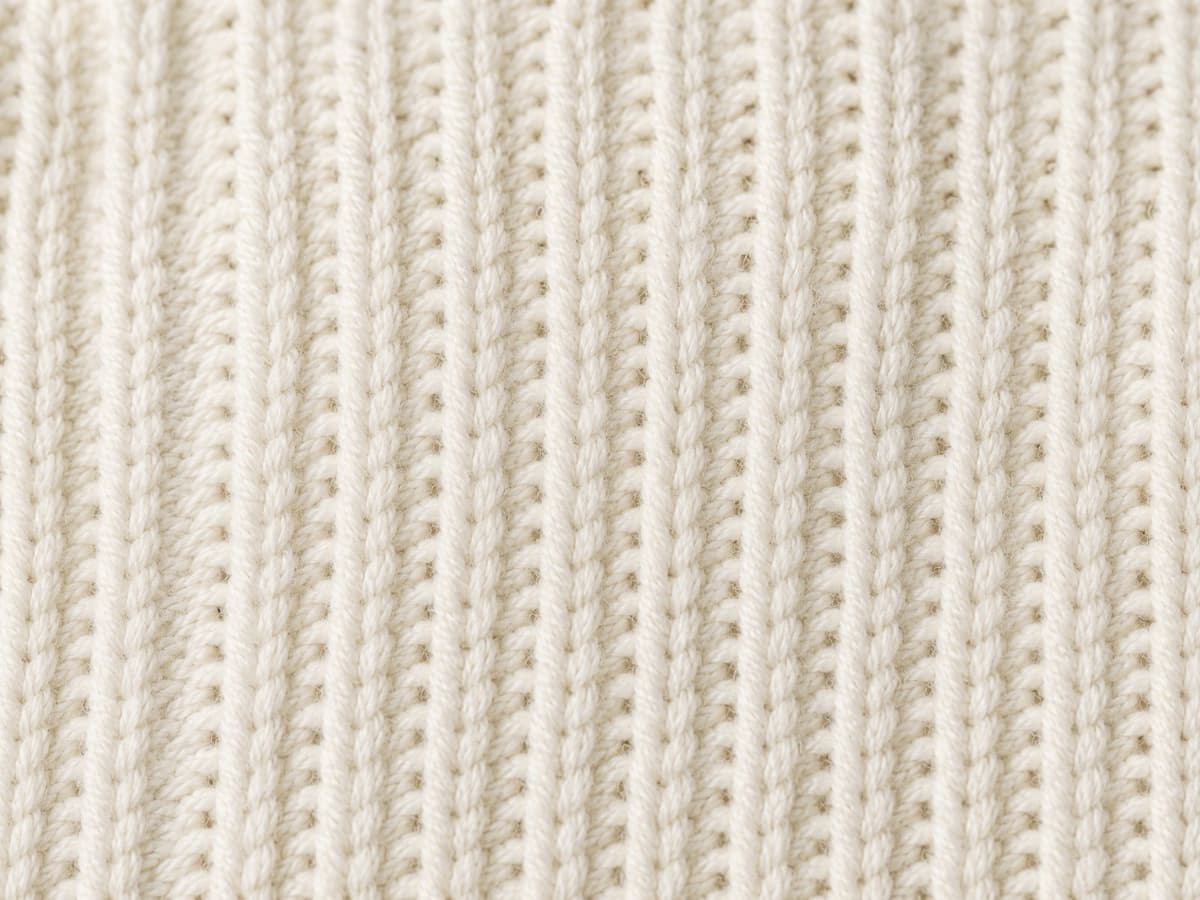
Rib knit is the stretchy, ridged fabric used for cuffs, collars and waistbands. What it is, 1x1 vs 2x2, why cuffs go slack, and what to specify.

Piqué is a knit with a raised waffle texture — the classic polo shirt fabric. What it is, how to say it, why polos use it, and how it differs from jersey.

Jersey is a knit fabric with a smooth face and a looped back — the standard t-shirt cloth. What it is, single vs double, weights, and why it curls.
French terry is a knit fabric with loops on the inside face. What it is, how it differs from fleece, the weights to specify, and when to choose it.

ESPR, the Digital Product Passport and the unsold-goods ban, explained for apparel brands: real dates, the data you need, what to ask your factory now.

Bangladesh leaves LDC status in 2026 or 2029. Duty, rules of origin, and what a brand sourcing there should do — sourced, from inside a factory.

You don't need thousands of units to launch. Here's the realistic, step-by-step way to start a clothing brand with a low minimum order of 100 pieces per style.

What a low minimum really costs per unit, where the price breaks land, and when going deeper on fewer colours beats spreading an order thin.

GOTS certifies the whole supply chain, not just the fibre. Why "organic cotton" alone means little, and how to check any claim in about a minute.

There is no single best factory — only the right one for your product and quantity. The checks that narrow it down, and the signals that rule a supplier out.

How to verify a factory before you send money: certificate numbers you can look up, association directories, and questions an intermediary cannot answer.

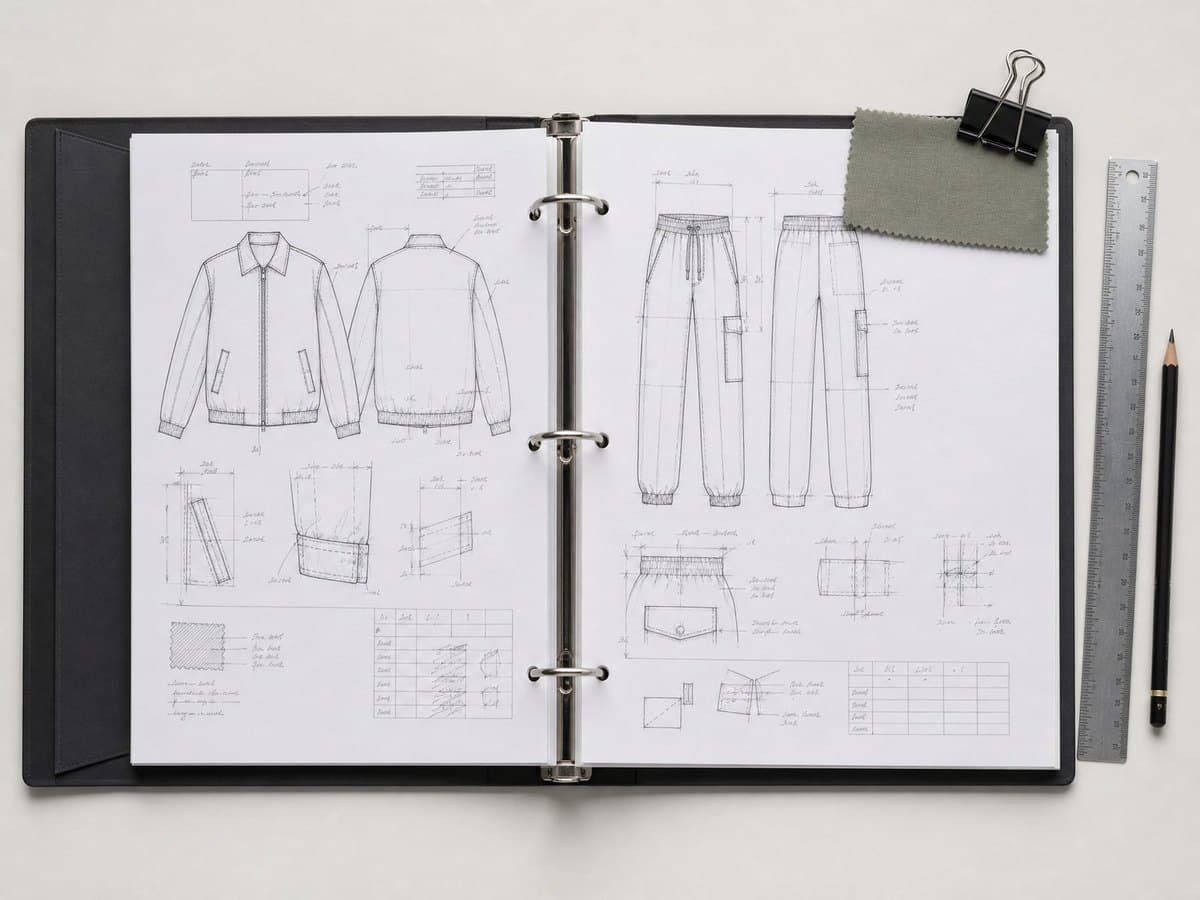
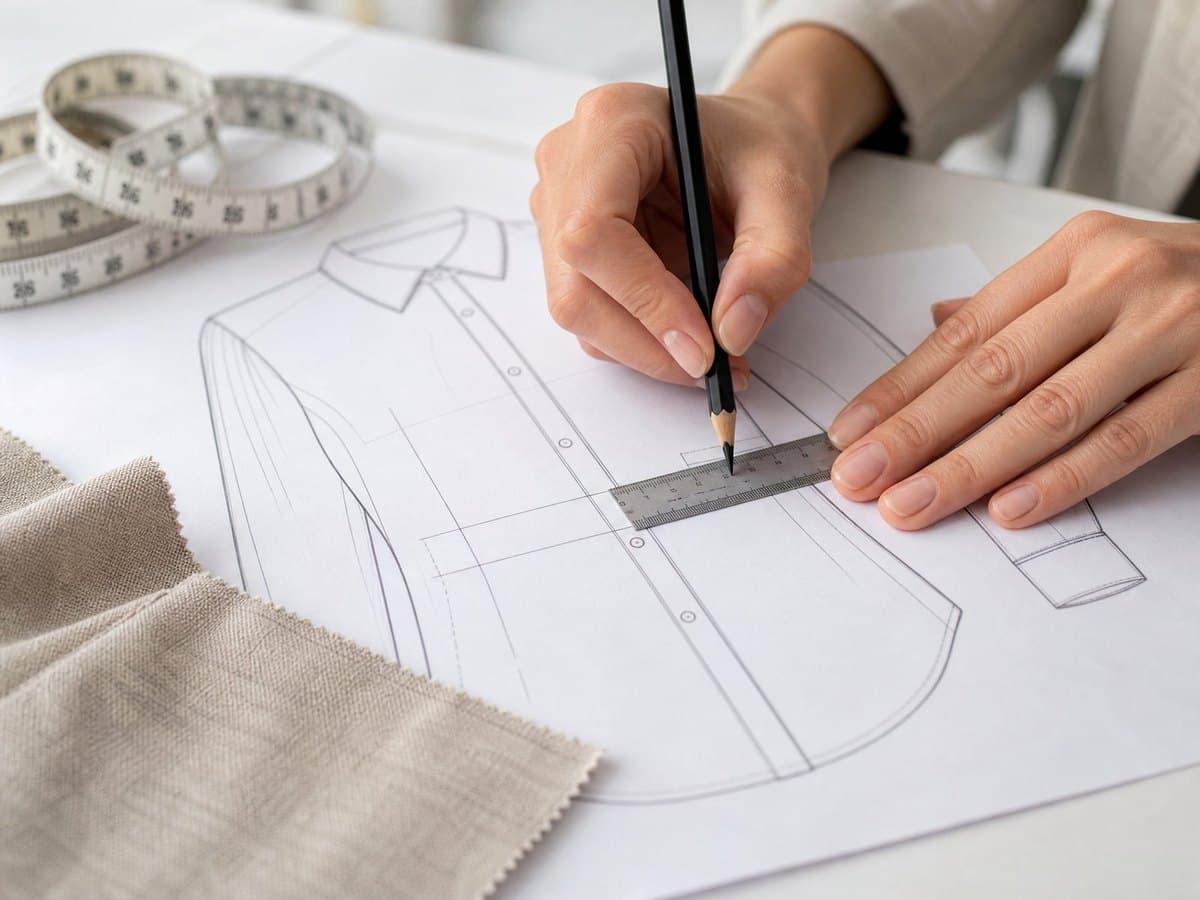
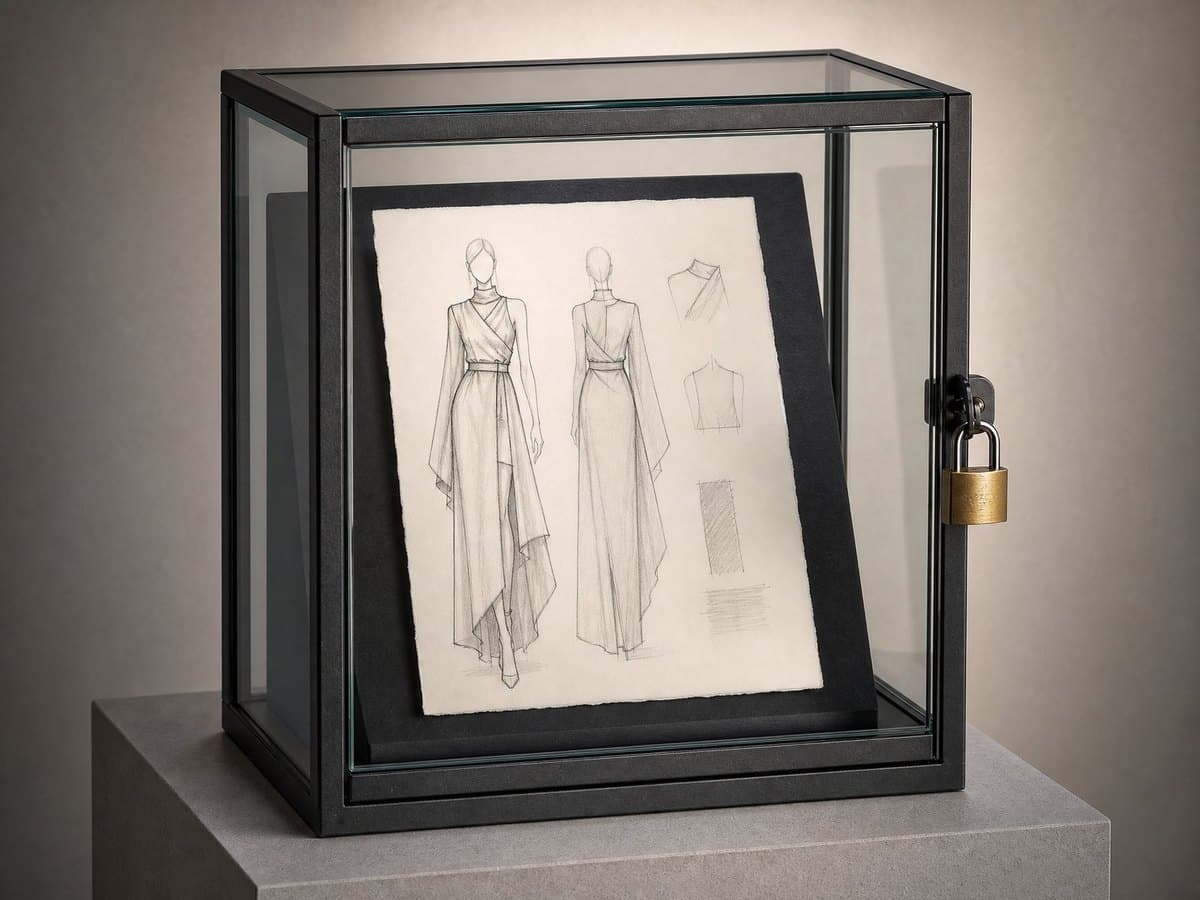
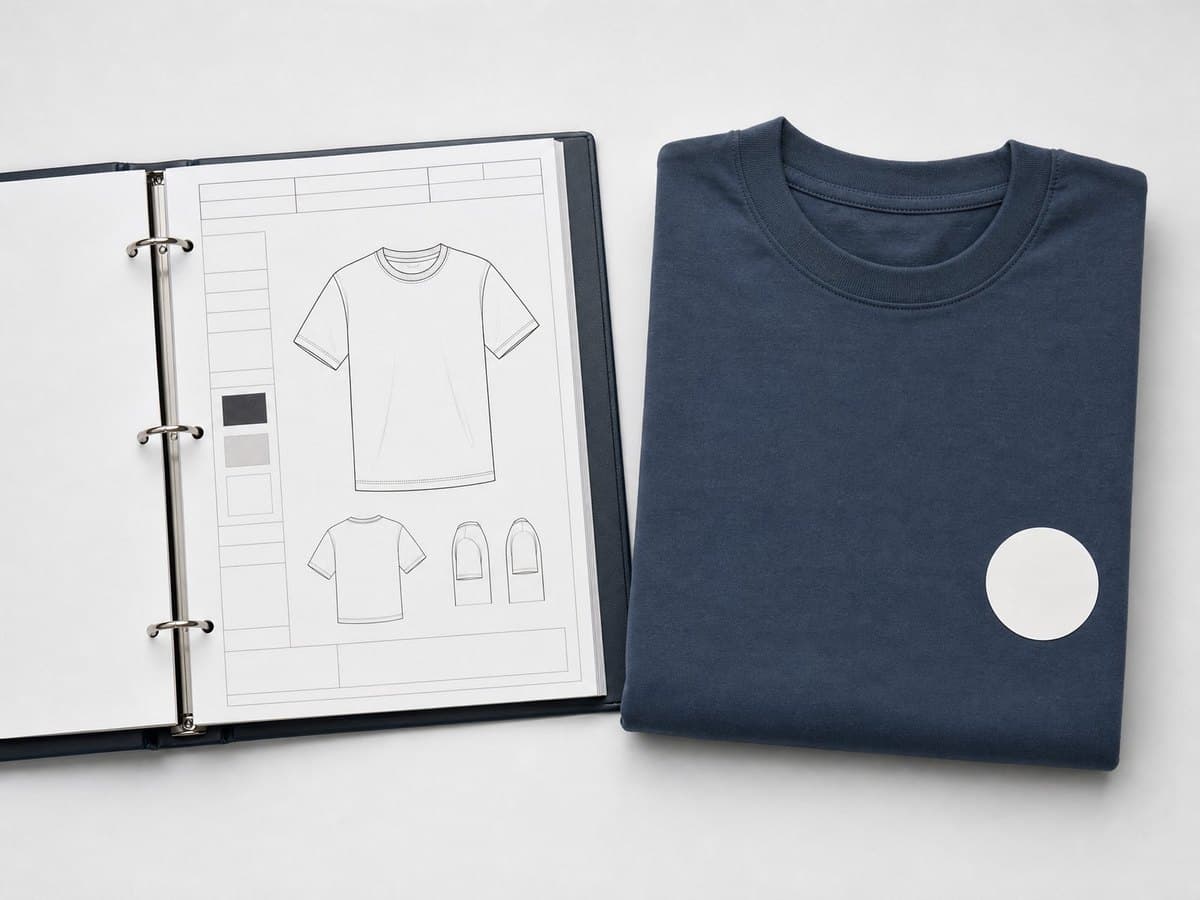
What a tech pack is, why you need one, and how to create it — a plain-English guide for founders starting their first collection.

Confused by private label, white label, and OEM? Here's a plain-English breakdown of each clothing manufacturing model — and which one is right for your brand.

What it really costs to manufacture clothing — the cost components, a worked example, and practical ways to lower costs without cutting corners.

How US brands can cut the tariff on clothing from 19% to 0% under the 2026 US–Bangladesh trade deal using US-grown cotton.

The honest cost of starting a clothing brand — the real budget buckets, what a lean launch actually costs, and where new founders waste money.

A realistic clothing manufacturing timeline — from sampling to production to delivery — what affects lead time, and how to speed it up.

Where each of the three actually wins: unit cost, realistic minimums, lead times and the trade terms that decide landed price. From a factory in one of them.

A simple, practical guide to pricing your clothing — starting from your landed cost, the markup rules brands use, and how to price for your market.

What a clothing sample is, how the sampling process works step by step, what to check on a sample, and why approving one before bulk protects you.

A plain-English comparison of the main ways to decorate clothing — screen printing, embroidery, DTG and DTF — with the pros, cons, and best use of each.

A clear guide to sustainable fabrics — GOTS organic cotton, recycled blends, bamboo viscose, modal, and hemp — what each is, and how to choose honestly.

The essential questions to ask a clothing manufacturer before you order — MOQ, sampling, quality control, certifications, and red flags.

How to make a tech pack step by step — what goes in each section, how to take measurements, the tools to use, and a free template.

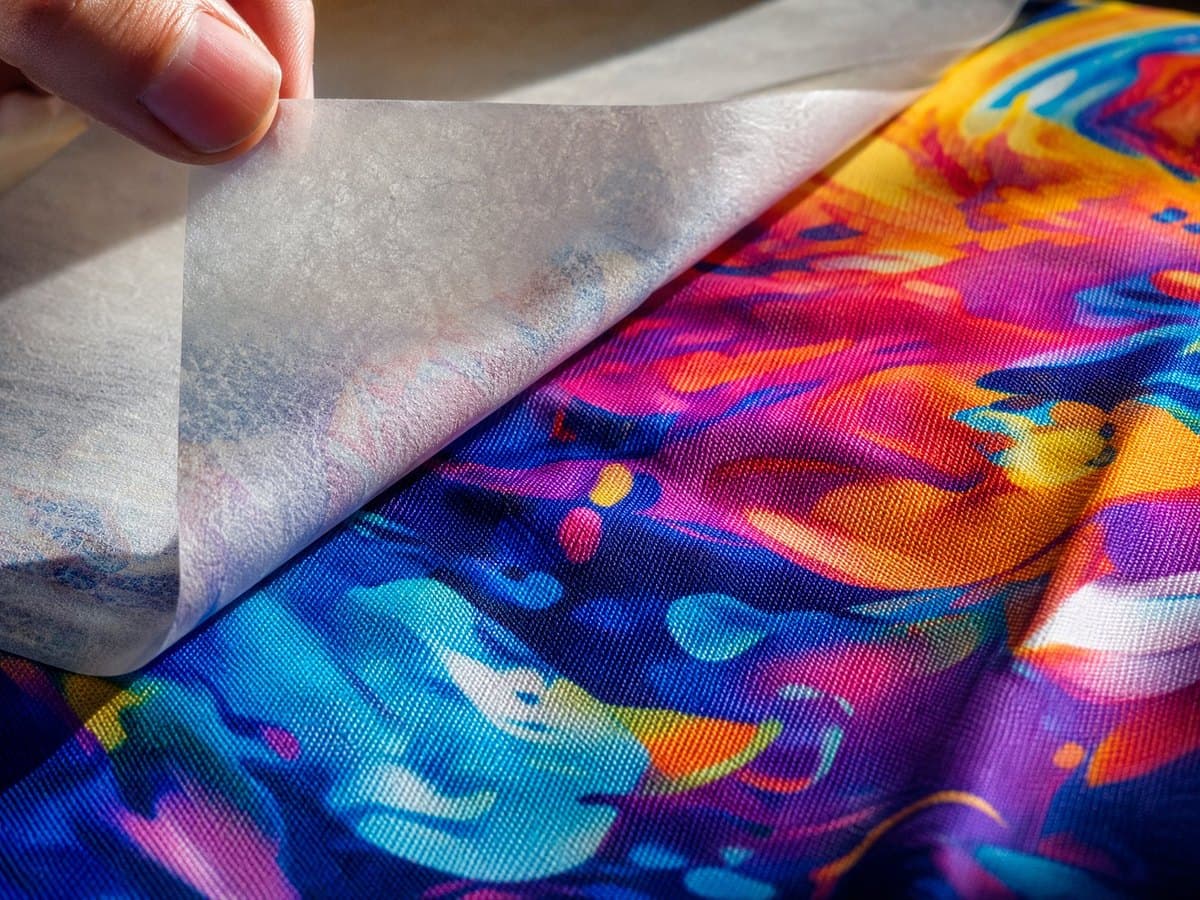
What sublimation printing is, how the process works, what it's best for, and how it compares to screen printing and DTG for custom clothing.

MOQ means minimum order quantity. Here's what it means, why factories set it, typical minimums by product, and how to find a low-MOQ clothing manufacturer.

What "Made in Bangladesh" really means for clothing quality, ethics and cost — and why more emerging brands are choosing to manufacture there.

About 4,000 export factories — but the real total is higher, and which count matters depends on what you source. Explained from inside the industry.

Second-largest apparel exporter after China, built on knit. Capacity, costs, LDC graduation in Nov 2026, and where the country is weak.

Will your clothing manufacturer steal your design? The honest answer on the real risk, what an NDA does, and how to protect your brand.

How to avoid clothing manufacturer scams — the biggest red flags, how to verify a real factory, and how to pay safely for your first order.

Print-on-demand vs manufacturing your own clothing line — the real trade-offs in cost, quality and branding, and when to make the switch.

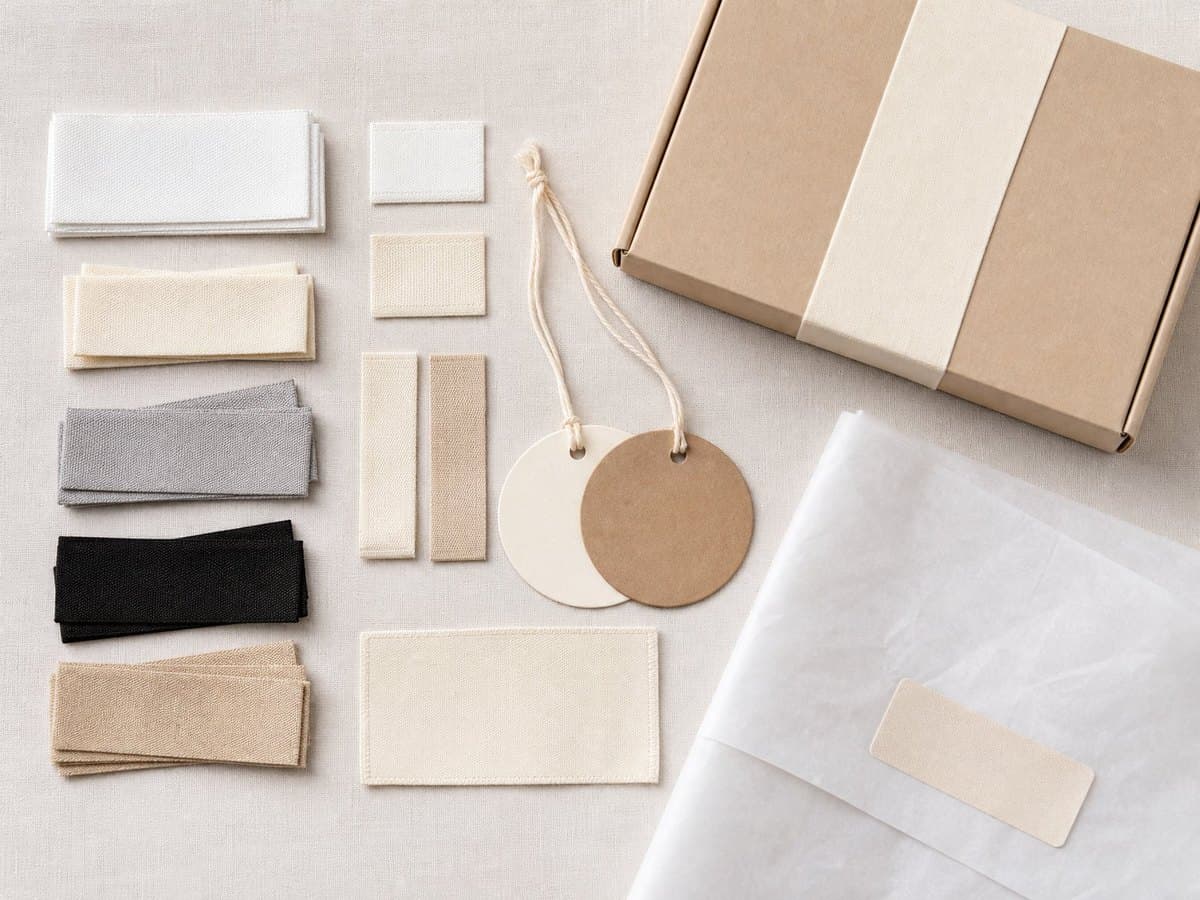
Custom clothing labels, hang tags and packaging — the legally required labels, branding options, and sustainable packaging choices.

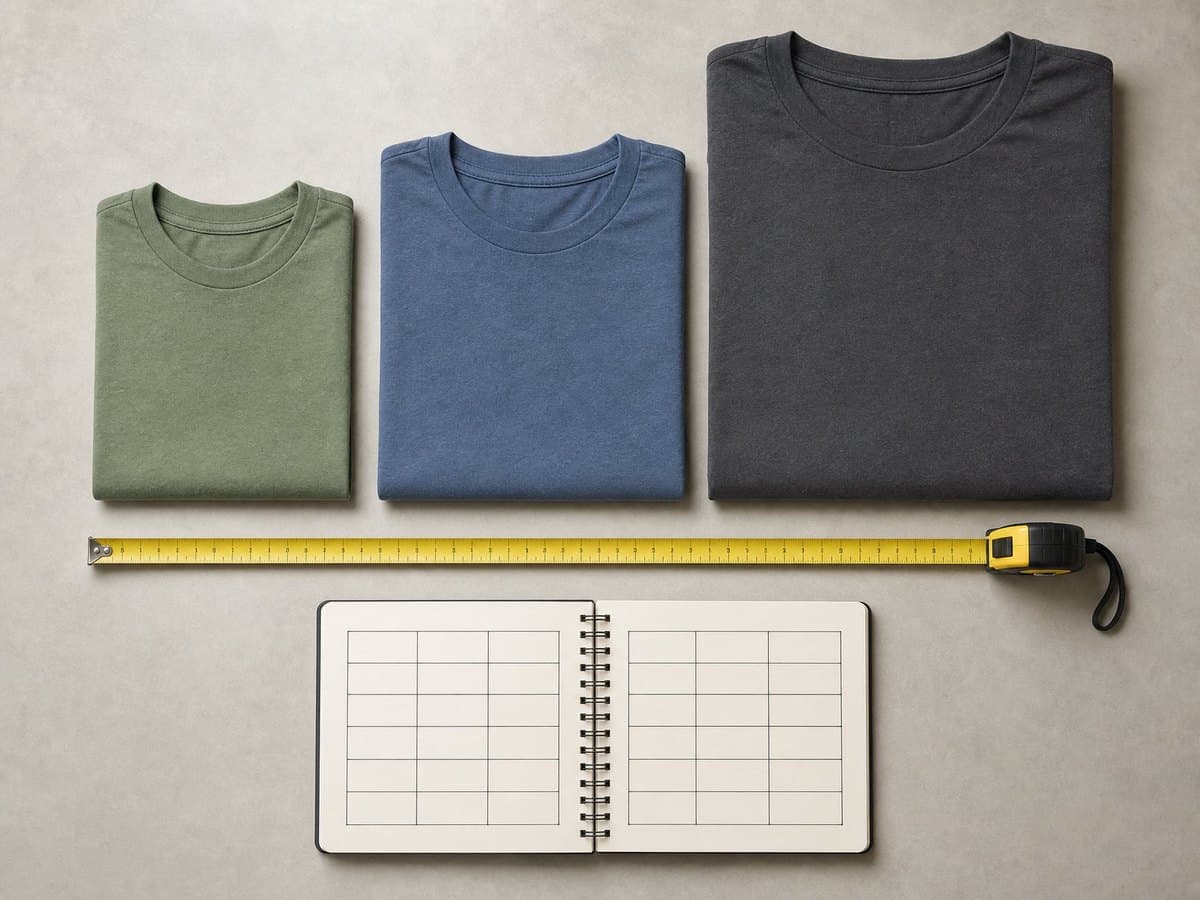
How to build a size chart for your clothing brand — points of measure, base size, grading, tolerances, and avoiding fit-driven returns.

Narayanganj earned the nickname "Dundee of Bangladesh" through a century of jute trade, not garments. The real, sourced history of where our factory sits.
Pricing at volume, factory vetting, quality control, compliance, logistics and reorders.

A step-by-step guide to ordering clothing in bulk — tech packs, MOQs, samples, production, quality control and shipping, explained.

How bulk clothing manufacturing pricing works — why your per-unit cost drops at volume, where the price breaks happen, and how to budget a large apparel order.

How to vet a clothing factory before a large order — a checklist covering capacity, compliance, audits, financial stability and red flags.

What AQL means, how garment inspection levels work, and the QC checkpoints (PP, in-line and final) that protect a large clothing order from costly defects.

Fair, effective ways to negotiate price and terms on bulk clothing orders — what's negotiable, what isn't, and how to build a partnership that lasts.

How payment works on large apparel orders — deposits, balance on shipment, letters of credit (LC), and how to protect your money on both sides of the deal.

How to ship large clothing orders cost-effectively — sea versus air, FCL vs LCL containers, and the Incoterms (FOB, CIF, DDP) that decide who pays for what.

A plain-English guide to social compliance certifications bulk buyers ask for — BSCI, Sedex/SMETA, WRAP, GOTS and OEKO-TEX explained.

How long bulk clothing production really takes, what drives lead times at scale, and how to plan capacity so you hit your launch and reorder windows.

How established brands scale with a manufacturer — reorder strategy, demand forecasting, safety stock, and keeping quality consistent across large runs.

Why brands move large knitwear and apparel orders to Bangladesh — cost, capacity, quality, compliance and tariffs — and how to switch suppliers smoothly.

The sample stages that protect a big order — fit, PP (pre-production) and sealed samples — and why approving them properly saves you from costly bulk mistakes.
Everything to include so your manufacturer makes your garment exactly right. Enter your email and we’ll send it over.