Sets cut from one dye lot
Top and bottom booked into the same lot as standard. Mismatched halves are the most common reason a lounge set comes back, and it is entirely procedural.
Loungewear that feels like the reason people buy it — matching sets cut from one dye lot, in fabrics chosen for hand rather than price.
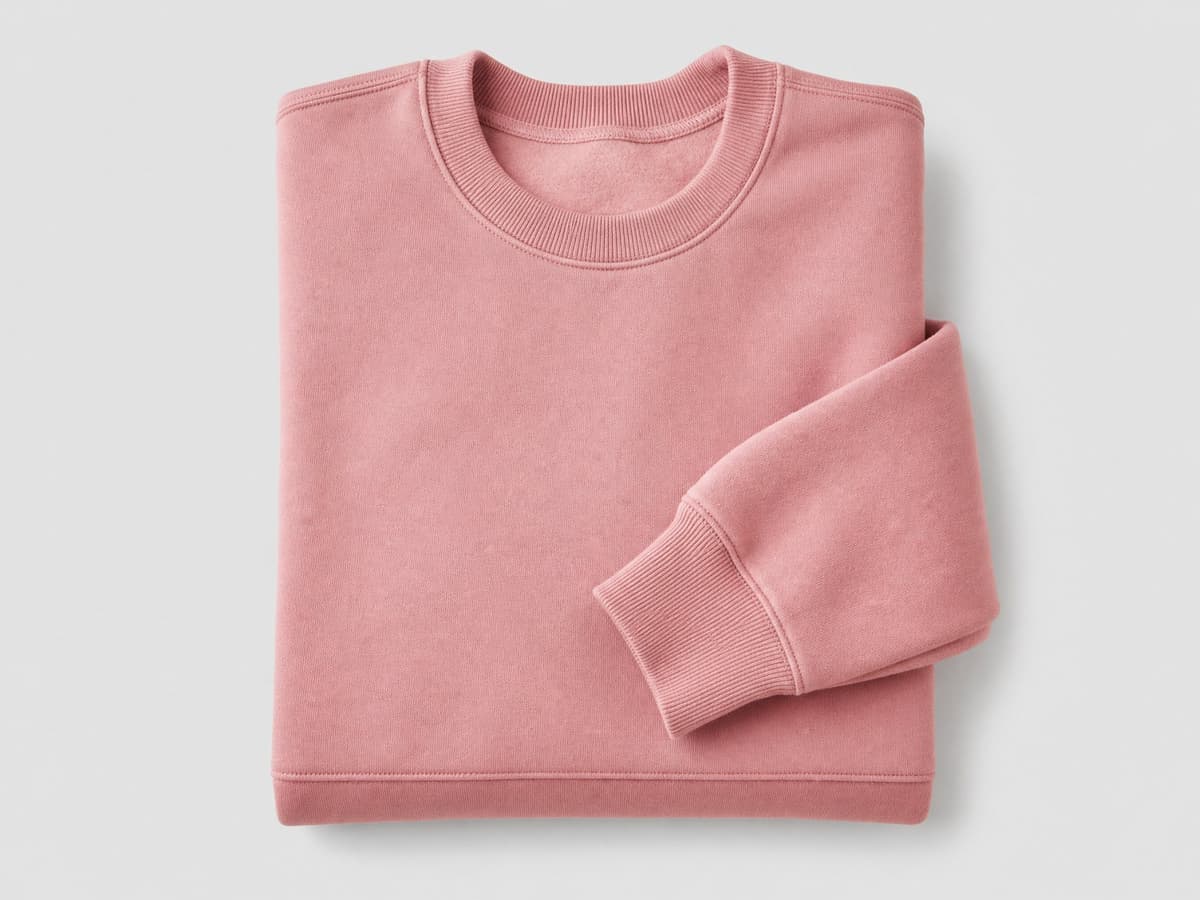
Collective Studio is a family-run loungewear manufacturer in Narayanganj, Bangladesh, making matching sets and separates in cut-and-sew knit: brushed fleece and French terry sets, modal and cotton-modal tops and bottoms, ribbed knit sets, robes, sleep shorts and relaxed wide-leg trousers. Minimum is 100 pieces per style and colour, with GOTS-certified organic cotton available under certificate RSC 9687.
Loungewear is bought almost entirely on hand-feel, which makes fabric specification the whole job rather than part of it. A customer picking up a lounge set decides in about two seconds, and no amount of good sewing rescues a fabric that feels ordinary. The softest results generally come from modal and cotton-modal blends, which drape more fluidly than cotton and keep their softness through washing far better than a cotton jersey that has been chemically softened to feel good in the shop and goes flat after three washes. Where the brief is warmth rather than drape, brushed-back fleece and French terry in the 280–340 GSM range give the substantial, cosy hand people associate with the category.
Matching sets create a problem that separates do not, and it is the single most important thing to get right. If the top and the bottom are cut from different dye lots, they will not match. The difference is often invisible on a screen and unmistakable when a customer holds the two pieces together in daylight, and it is the most common reason a lounge set gets returned. The fix is procedural rather than technical: both halves of a set must be booked into and cut from the same dye lot. We plan sets that way as standard and confirm it on your order rather than leaving it to chance.
Shrinkage is the other category-specific risk. Loungewear is washed frequently and often warm, and a set that fitted at purchase and no longer matches after a month has failed even if it was made correctly. Fabric that has been properly compacted and relaxed before cutting shrinks predictably and within tolerance; fabric that has been cut straight off the roll does not. We build the expected shrinkage into the pattern and can wash-test your sample so the measurements you approve are the measurements your customer still has after laundering.
The last detail is the waistband and cord on lounge bottoms, which gets far less attention than it deserves given how much it affects perceived quality. A flat, well-proportioned drawcord in a matched colour, with metal-free tipped ends and an anti-twist channel, reads as considered. A thin round cord that disappears into the channel on the first wash reads as cheap, and customers notice it well before they notice a seam.
Top and bottom booked into the same lot as standard. Mismatched halves are the most common reason a lounge set comes back, and it is entirely procedural.
Modal and cotton-modal hold their softness through washing where a chemically softened cotton feels good in the shop and goes flat after three washes.
Fabric relaxed and compacted before cutting shrinks predictably. We build the allowance into the pattern and can wash-test your sample.
A flat matched cord with tipped ends and an anti-twist channel reads as considered. Customers register that detail before they notice a seam.
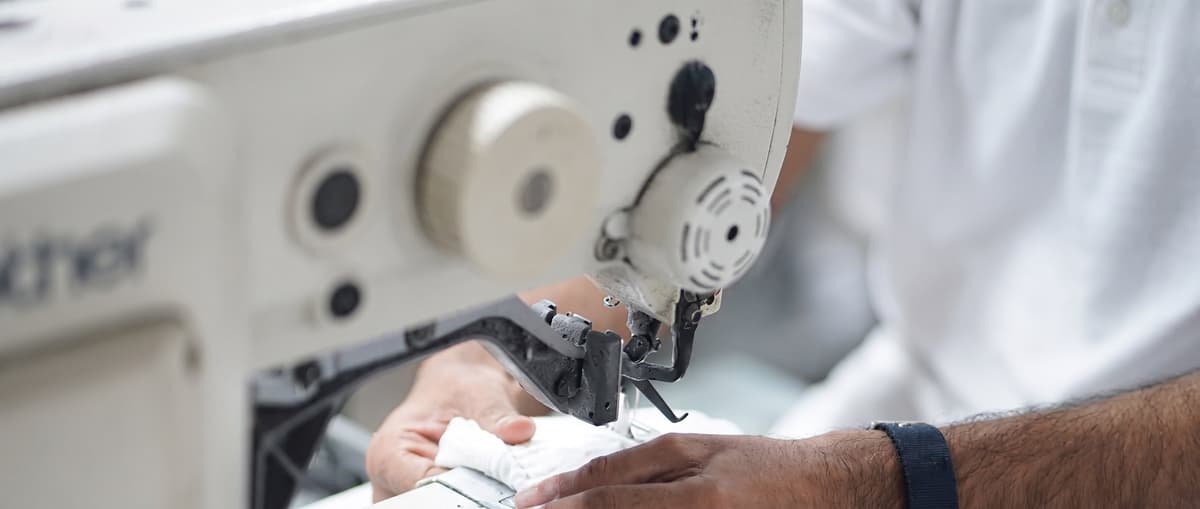
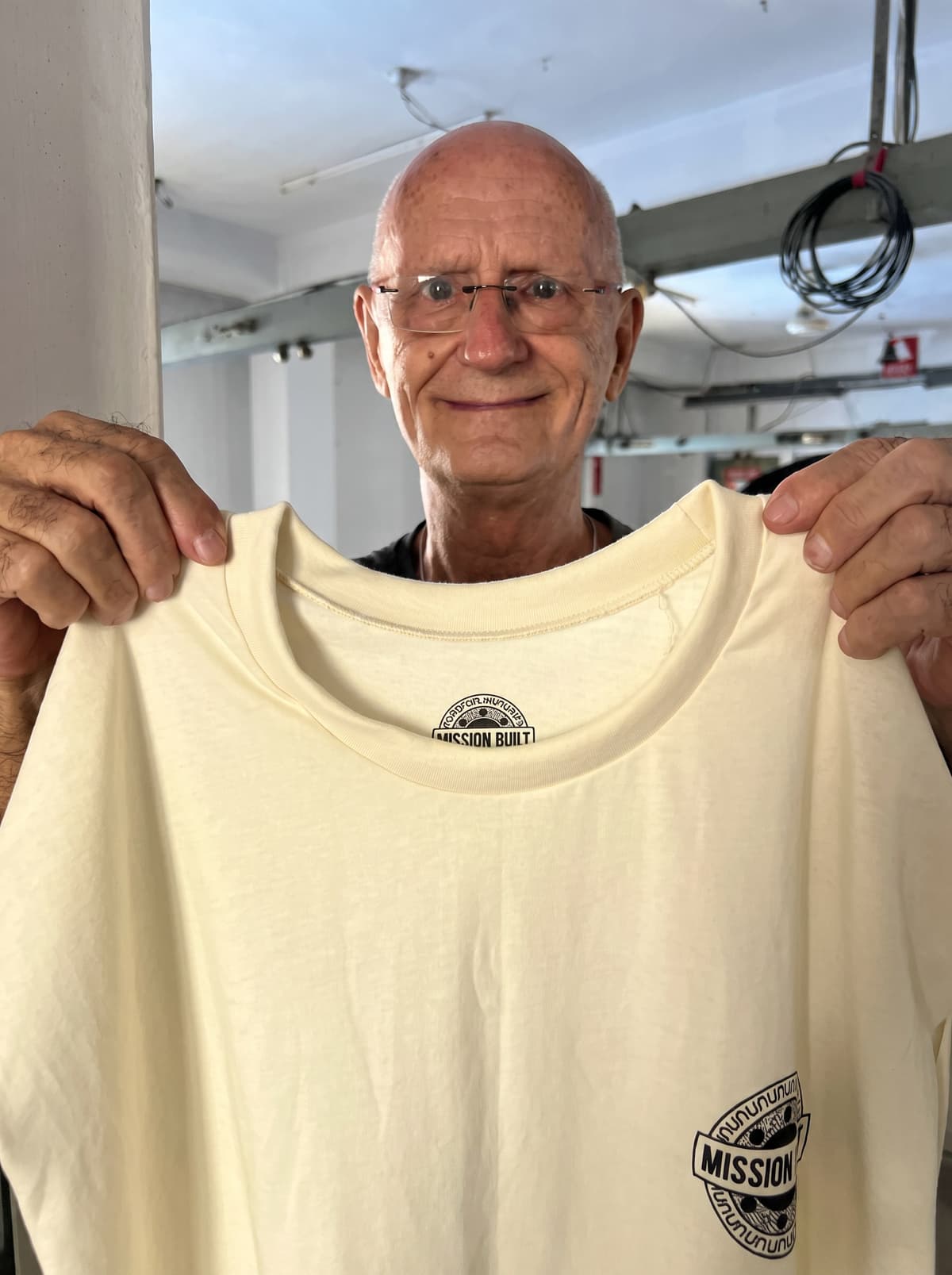
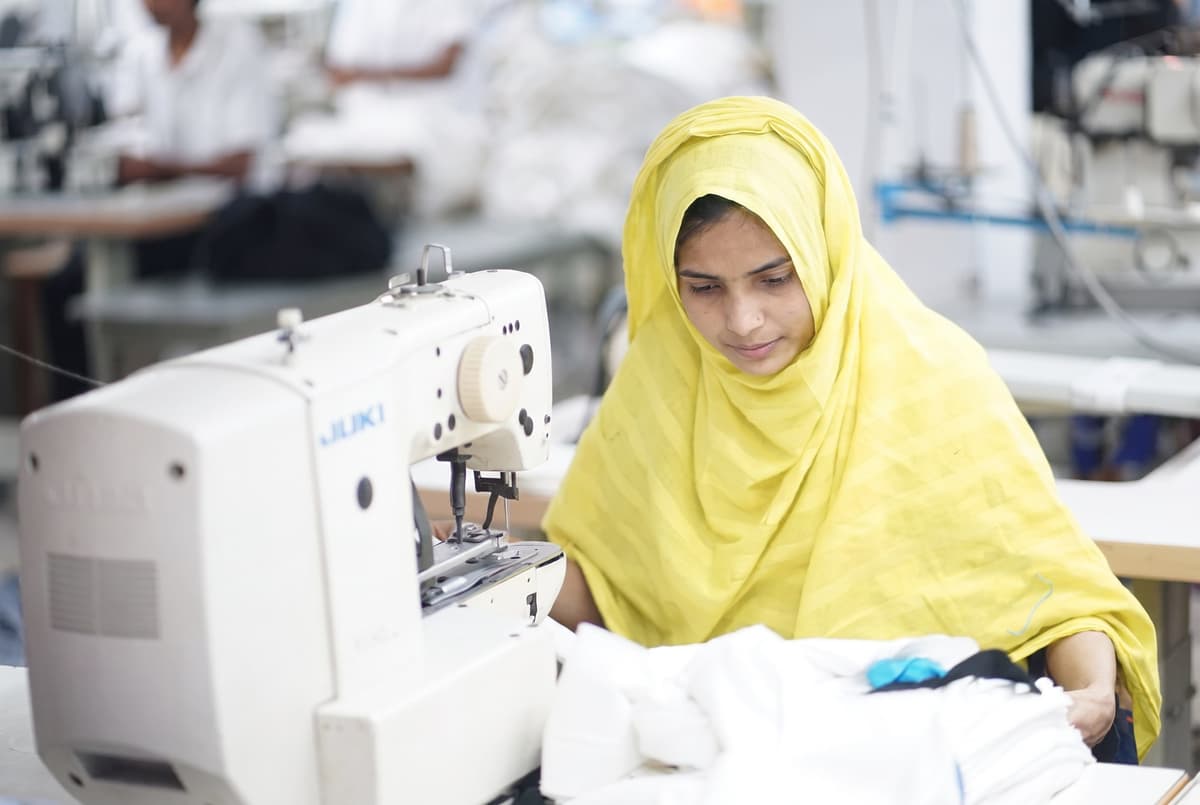
Nice supplier that is looking to develop new buyers and products.
Talk to the factory directly: +880 1980 055021 · hello@collectivestudioltd.com
By cutting both halves from the same dye lot, planned that way from the start rather than fixed afterwards. This is the defining risk of the category and it is worth understanding why it happens. Fabric is dyed in batches, and two batches of the same colour reference are never identical — they are within commercial tolerance of each other, which is fine for unrelated garments and not fine for two pieces a customer holds side by side. If a top and a bottom are made from different lots, the mismatch is usually invisible on screen and obvious in daylight, which is exactly the situation that produces a return. We book the full fabric requirement for a set into one lot and cut both pieces from it. It is a planning discipline rather than a technical trick, and it is standard on every set we make.
Modal, or a cotton-modal blend, for anything drape-led. Modal is a cellulose fibre with a smoother surface than cotton, so it feels slicker and cooler in the hand, drapes more fluidly, and — the part that matters most — keeps that softness through repeated washing. Much cheap loungewear uses cotton jersey treated with a softening finish, which feels excellent in the shop and progressively washes out, leaving a flatter, coarser fabric within a few laundry cycles. That is a very common cause of poor repeat purchase, because the customer's experience of the product gets worse rather than better. For warmth rather than drape, brushed-back fleece and French terry at 280 to 340 GSM give the cosy weight people associate with loungewear. We will send fabric swatches before you commit.
It will if the fabric was compacted and relaxed before cutting, and it will not if it was cut straight off the roll. Knitted fabric leaves the mill under tension. If it is cut in that state, the garment relaxes in its first wash and shrinks — commonly by several percent, and rarely evenly, so a set can shrink differently in the top and the bottom and stop matching. Compacting and relaxing the fabric before cutting releases that tension in advance, so the shrinkage becomes small and predictable, and we build the remaining allowance into the pattern. We can also wash-test your sample and give you the measurements before and after, so what you approve is what your customer still has after a month rather than what it measured on day one.
Yes. The 100-piece minimum applies per style and per colour, and a top and a bottom are two different styles, so a set in one colour is 200 pieces in total. Plenty of brands start with a single strong piece rather than a full set, which is a reasonable way to test a fabric and a fit before committing to the pair. If you do intend to sell them as a set later, tell us at the start, because we will then plan the fabric booking so a matching bottom can be cut from the same lot when you reorder. Without that heads-up the second piece is a fresh dye lot and matching becomes a gamble rather than a plan.
Between 280 and 340 GSM for fleece or French terry, depending on whether you want cosy or lightweight. Below about 250 GSM the fabric starts to feel thin and can go slightly translucent in pale colours, which matters more on bottoms than on tops. Above roughly 360 GSM the garment becomes heavy and slow to dry, which people find less comfortable for actual lounging even though it feels impressive in the hand. The 300 to 320 GSM range is where most successful lounge bottoms sit. For drape-led styles in modal the numbers are different and lower, because the fabric is doing a different job. As with everything, the most reliable route is to send a garment you like and let us measure it rather than choosing from a chart.
Trade and regulatory details on this page last verified 22 August 2026. Tariff and compliance terms change — ask us to confirm the current position for your order.
Whether it’s a large bulk or wholesale run or your first batch of 100, send a sketch, a reference, or a sentence. We’ll reply within one business day with fabric options and an indicative price.