Duty-free, with precedent behind it
Australia's stated policy continues DFQF access for graduating countries, matching its treatment of the Maldives, Samoa and Equatorial Guinea.
Premium knitwear manufacturing for Australian brands — duty-free sourcing from Bangladesh, low MOQ, and DDP delivery with one clear landed cost.
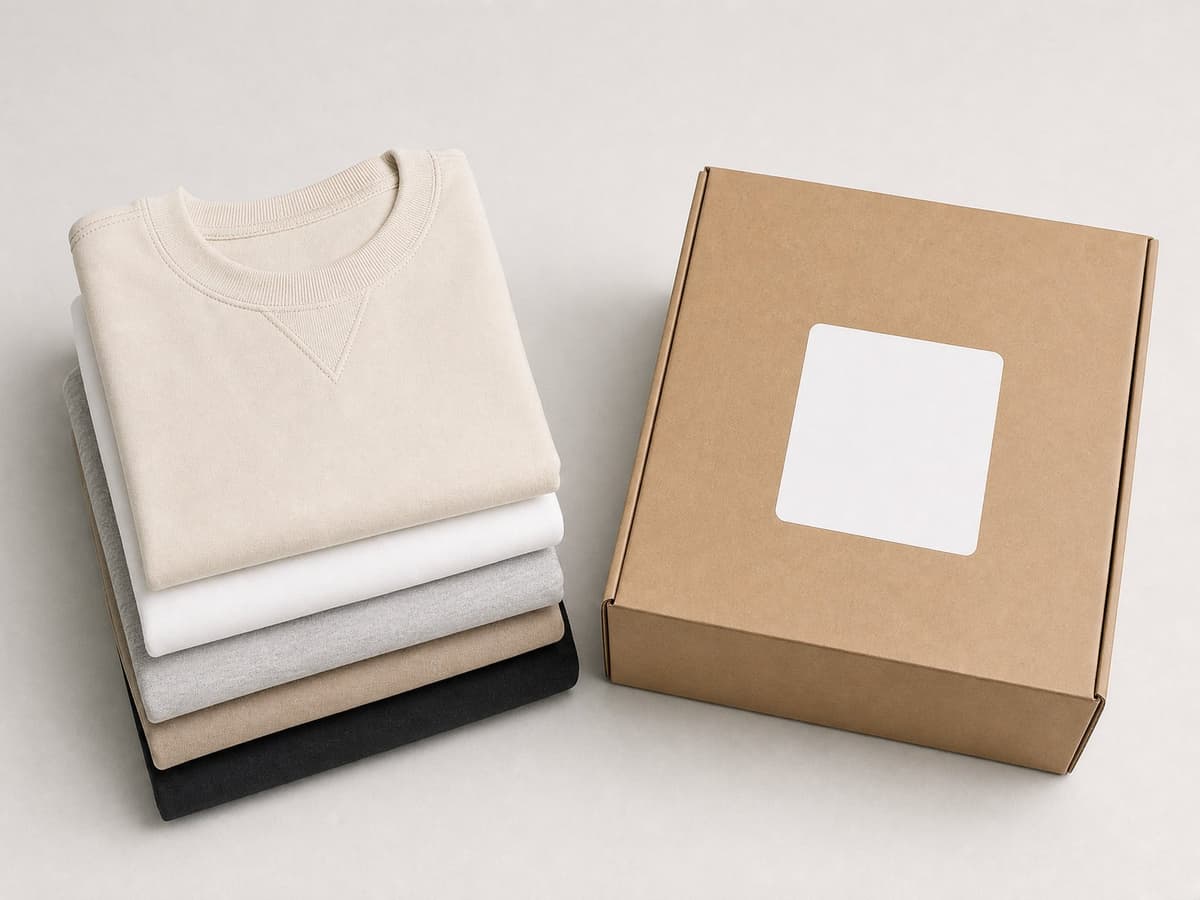
Bangladesh already supplies a meaningful share of the clothing sold in Australia, which is why the sourcing route is well established rather than experimental. Australia has extended Duty-Free Quota-Free (DFQF) access to least developed countries, Bangladesh included, since 2003.
The timing question this year is what happens on 24 November 2026, the date currently scheduled for Bangladesh's graduation from LDC status. Australia’s stated position continues duty-free access for graduating countries, following the approach already applied to the Maldives, Samoa and Equatorial Guinea when each of those graduated. That precedent is the strongest part of the case — though as with any forward-looking trade position, we confirm the live rate for your order rather than treating it as settled.
The date itself is also less fixed than it was a few months ago: the UN Committee for Development Policy has recommended deferring Bangladesh's graduation to 24 November 2029. In July 2026 the UN's Economic and Social Council unanimously forwarded that recommendation to the General Assembly, for a final vote expected before the original date. It isn't settled as we publish this, so we're flagging it as a live process rather than asserting either date — we'll update this page the moment it resolves. Australia's continuation policy applies regardless of which date lands.
The specification issue particular to Australia is climate, and it is where imported ranges most often miss. A 400 GSM heavyweight hoodie sells well in Melbourne winter and sits unsold in Brisbane. For most Australian ranges we would steer toward lighter knits: 140–180 GSM jersey for tees rather than 200+, French terry rather than brushed fleece for hoodies, since terry breathes and works across more of the year. Linen and linen-cotton earn their place in a way they rarely do for northern-hemisphere brands.
Two further points that follow from a hot, high-UV market. Colourfastness to light matters more than in cooler climates — Australian sun fades saturated dyes faster, and it is a testable property worth specifying rather than discovering after a season. And on shipping, Australia’s distance means sea freight timelines are real: plan the full 40–50 days plus transit rather than assuming stock lands quickly, and place seasonal orders earlier than a UK or EU brand would.
Practically, none of the sourcing calculus changes on graduation day. We produce tees, hoodies, activewear, loungewear and more to your spec from 100 pieces per style and colour, with GOTS-certified organic cotton available under certificate RSC 9687, and ship DDP so the number you are quoted is the number that lands — no customs invoice arriving separately weeks later.
For anyone comparing clothing manufacturers for startups Australia throws up, or searching custom clothing manufacturers Australia and finding mostly local agents: the practical difference for an Australian brand is not the factory rate but the landed cost and the calendar. Ask any candidate for a DDP price into Australia rather than FOB, because FOB quotes hide freight, GST and customs clearance, and ask what their lead time looks like across Chinese New Year and Eid, when South Asian and East Asian factories close at different times of year. A supplier who cannot answer both is quoting you half a price.
Australia's stated policy continues DFQF access for graduating countries, matching its treatment of the Maldives, Samoa and Equatorial Guinea.
Lighter jersey weights, French terry over brushed fleece, and linen blends — the range most imported collections get wrong for this market.
Australian sun fades saturated dyes faster than northern markets. Lightfastness is testable, and we specify it rather than leave it to chance.
Launch or test in the Australian market with 100 pieces per style and colour, cut and sewn to your pattern.
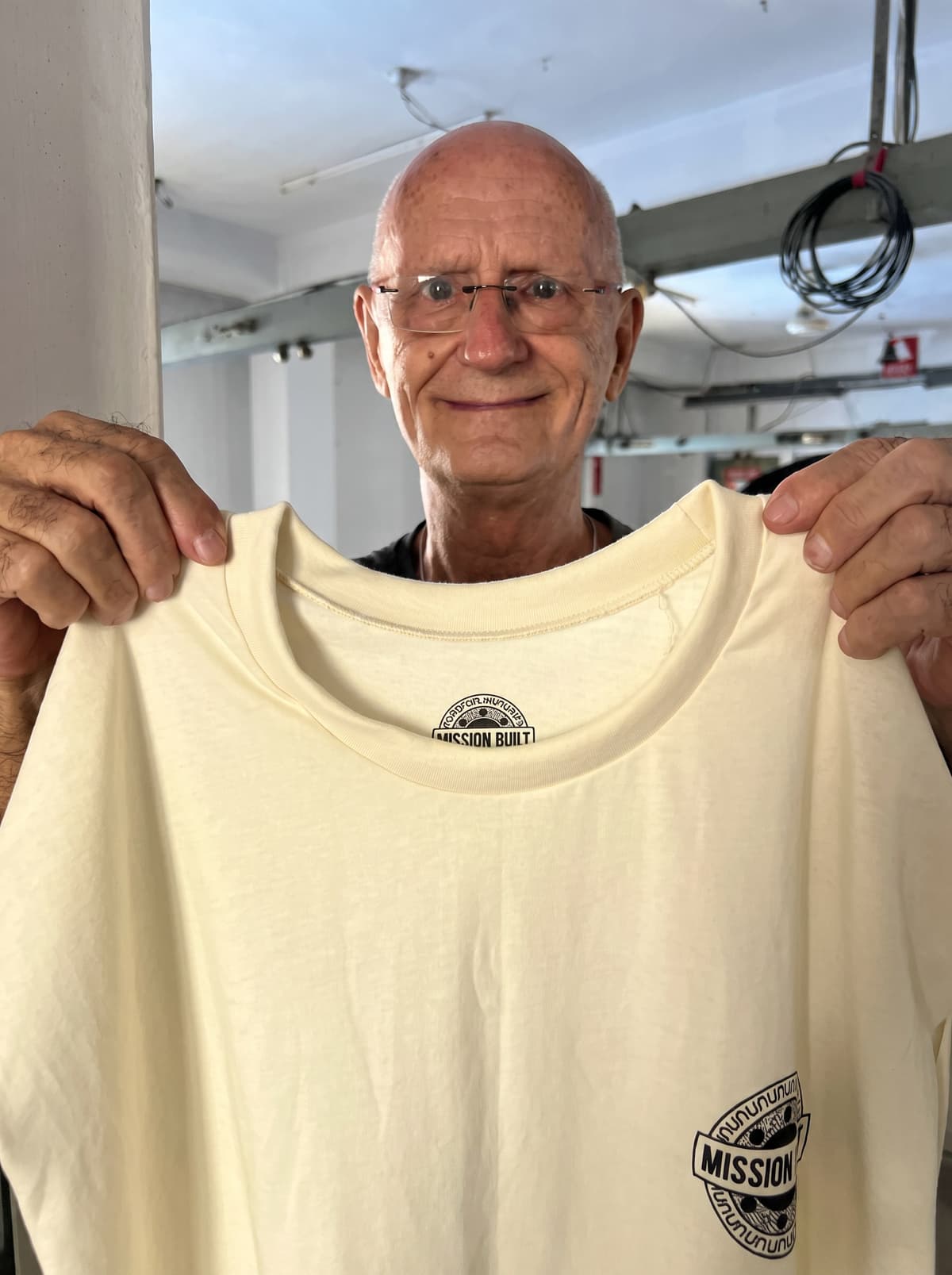
Wonderful people to work with — very professional and knowledgeable, also accommodating to the needs of their customers.
Talk to the factory directly: +880 1980 055021 · hello@collectivestudioltd.com
No, under current arrangements. Australia has extended Duty-Free Quota-Free access to least developed countries, Bangladesh among them, since 2003. Bangladesh's graduation from LDC status is currently scheduled for 24 November 2026, and Australia's stated policy continues this access for graduating countries — it did the same for the Maldives, Samoa and Equatorial Guinea when each graduated, which makes this one of the more settled duty questions among Bangladesh's major export markets. There is a live UN process that may push the graduation date itself to 24 November 2029. The UN Committee for Development Policy has recommended the deferral, and it was unanimously forwarded to the General Assembly in July 2026, with a final vote expected before the original date. Australia's continuation policy applies regardless of which date ends up correct. Trade positions are forward-looking and can move, so we confirm the live rate that applies to your specific order rather than asking you to rely on a web page. Because we ship DDP, whatever the duty is, it sits inside the landed cost you are quoted.
Lighter than most imported ranges assume, and this is where collections designed for northern markets underperform here. For tees, 140–180 GSM jersey generally works better than the 200 GSM-plus weights that read premium in Europe but wear hot through an Australian summer. For hoodies and sweats, French terry usually beats brushed fleece: terry is loopback and breathable, so it works across more of the year, while fleece is warmer and narrows your selling season considerably outside the southern states. Linen and linen-cotton also earn a place in Australian ranges in a way they rarely do elsewhere. We will spec against the states you actually sell into rather than treating Australia as one climate.
Faster than in most markets, so it is worth specifying for it rather than discovering it. Australia's UV levels are among the highest anywhere, and sustained exposure fades any dyed textile. Fibre matters most: polyester holds colour against UV substantially better than cotton, which is why performance and swim ranges sold there use it. On cotton, reactive dyes bond chemically and hold far better than pigment dyes, which sit on the surface and are the usual cause of a garment looking tired after one summer. Colour choice plays a part too, with intense reds and brights being more fugitive than navy, black or natural tones. For ranges sold into Australia we default to reactive dyeing and will arrange lightfastness testing if your retailer wants a rating on record.
Roughly 40 to 50 days from approved sample to dispatch, then sea transit on top, which is where Australian brands most often get caught out compared with UK or European buyers. The production window is the same as anywhere — about 10 to 15 days sampling, 20 to 25 days bulk production, then quality control — but the distance makes freight a bigger share of the total calendar. Plan seasonal ranges earlier than you would for a northern-hemisphere market, and work backwards from your on-sale date including transit and a buffer. Air freight is available and considerably more expensive; we will price both if you have a fixed deadline rather than assuming sea is acceptable.
One hundred pieces per style, per colour. That floor is set by fabric rather than sewing: knit fabric is produced on circular machines in minimum runs and dyed in lots, so a hundred pieces is roughly where material stops being sampling and becomes production. Most factories start at five hundred or a thousand, which is precisely what stops new brands from launching. The per-colour part is the one people miss — three hundred pieces in one colour is a single fabric lot and a single cutting run, while a hundred each in three colours is three of everything and prices accordingly. If you are testing a market, run one colour deep rather than three shallow. It costs less, it arrives sooner, and the reorder data tells you far more. Our free MOQ calculator shows the difference in pieces and cost.
Yes — GOTS-certified organic cotton is available across most knit lines under certificate RSC 9687, which you can verify yourself on the GOTS public certificate database rather than taking our word for it. GOTS covers organic fibre content, restricted chemistry, wastewater treatment and working conditions audited against core ILO conventions across the supply chain. Two practical notes: GOTS defines more than one permitted label wording depending on your fabric's fibre composition, and we confirm in writing which applies before anything is printed; and certified organic fabric carries a price premium worth budgeting for at quote stage rather than discovering later. One Australia-specific note: high UV levels fade dyed cotton faster than in most markets, so for garments expected to see a lot of sun we recommend reactive dyeing rather than pigment, and we can arrange lightfastness testing if your retailer wants a rating on record.
Trade and regulatory details on this page last verified 22 August 2026. Tariff and compliance terms change — ask us to confirm the current position for your order.
Whether it’s a large bulk or wholesale run or your first batch of 100, send a sketch, a reference, or a sentence. We’ll reply within one business day with fabric options and an indicative price.