0% vs 19% — worked, not waved at
US-grown cotton can qualify for 0% reciprocal tariff under the 2026 framework. On 500 tees at $6 landed cost, that 19% is about $570 — often larger than the unit-price gap you're comparing.
Premium manufacturing for US brands — low MOQ, US-grown-cotton production that can qualify for 0% tariff, and DDP delivery with no surprise customs bills.
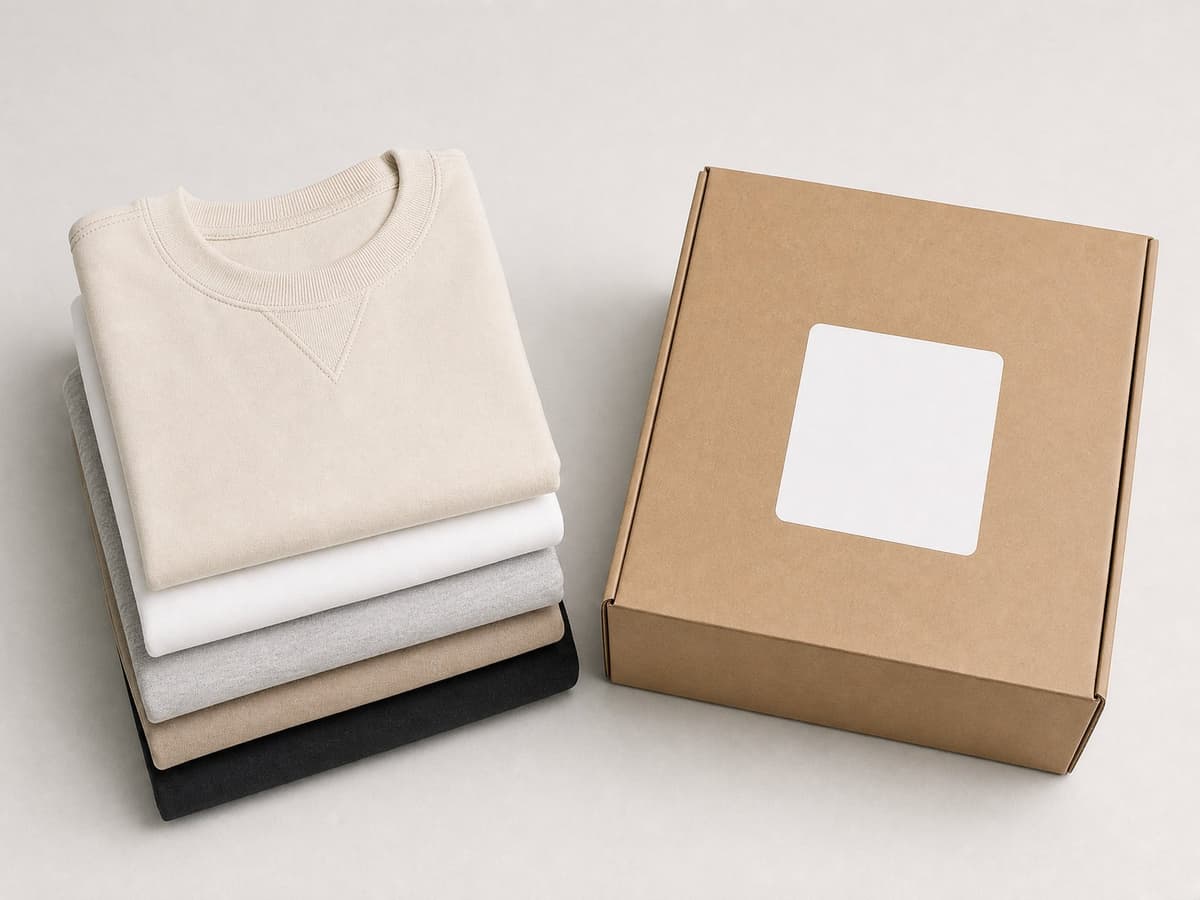
If you've searched for a clothing manufacturer for US brands, most of what you've found is either a directory listicle or a domestic factory leading with "Made in USA since 1952." That's a real advantage and we're not going to pretend otherwise — domestic production means shorter lead times, easier visits, and a label claim some customers pay more for. What overseas manufacturing offers instead is unit economics, and the honest question is whether the gap is big enough to matter for your margins. Here's the arithmetic rather than the sales pitch.
The variable most US founders miss is tariff, not unit price. Under the 2026 US–Bangladesh trade framework, apparel made with US-grown cotton can qualify for a 0% reciprocal tariff rather than the standard 19% (capped volume, conditions apply). Tariff positions change, so we confirm the live rate and the origin documentation for your specific order rather than asking you to rely on this page. Worked through on a 500-piece order of tees at a $6.00 landed manufacturing cost: at 19% you're adding roughly $1.14 per unit, about $570 on that order. At 0% that line disappears. That difference is frequently larger than the entire per-unit gap people are arguing about when they compare quotes — and it's the reason we source US cotton and handle the origin documentation rather than leaving you to discover the tariff at the border.
The second variable is who absorbs customs risk. We ship DDP — delivered duty paid — meaning duty, customs clearance and freight are quoted inside one landed cost before you commit. The alternative most overseas suppliers offer is FOB, where the number looks lower on the quote and then customs brokerage, duty and delivery arrive as separate invoices weeks later. If you're comparing an FOB quote against our DDP number, you are not comparing like with like, and we'd rather say that than win on a misleading comparison.
Where domestic still wins: if you need two-week turnaround, sub-100-piece runs, or the "Made in USA" label itself is central to your brand story, a domestic factory is the better answer and we'll let you know so. Where we win: unit cost at volume, a genuine 100-piece minimum, GOTS-certified organic capability (certificate RSC 9687), and a ~40–50 day door-to-door timeline that most brands can plan around comfortably.
On timing, since it decides whether a launch date is real: our lead time is 50 days from confirmation to delivery — roughly 10 days sampling, 33 production, 5 shipping. For a US brand that is the number to plan a drop against, and it is worth asking any competing quote for the same breakdown rather than a single figure. A supplier who gives you one number without splitting sampling from production is usually quoting production only, and the sampling weeks land on your calendar regardless.
US-grown cotton can qualify for 0% reciprocal tariff under the 2026 framework. On 500 tees at $6 landed cost, that 19% is about $570 — often larger than the unit-price gap you're comparing.
Duty, clearance and freight quoted inside one landed cost. An FOB quote from another supplier looks cheaper because those costs arrive later as separate invoices.
Launch or test in the US market with 100 pieces per style, per colourway, cut and sewn to your pattern.
Need two-week turnaround, sub-100 runs, or 'Made in USA' as the brand story? A domestic factory beats us on those and we'll say so.
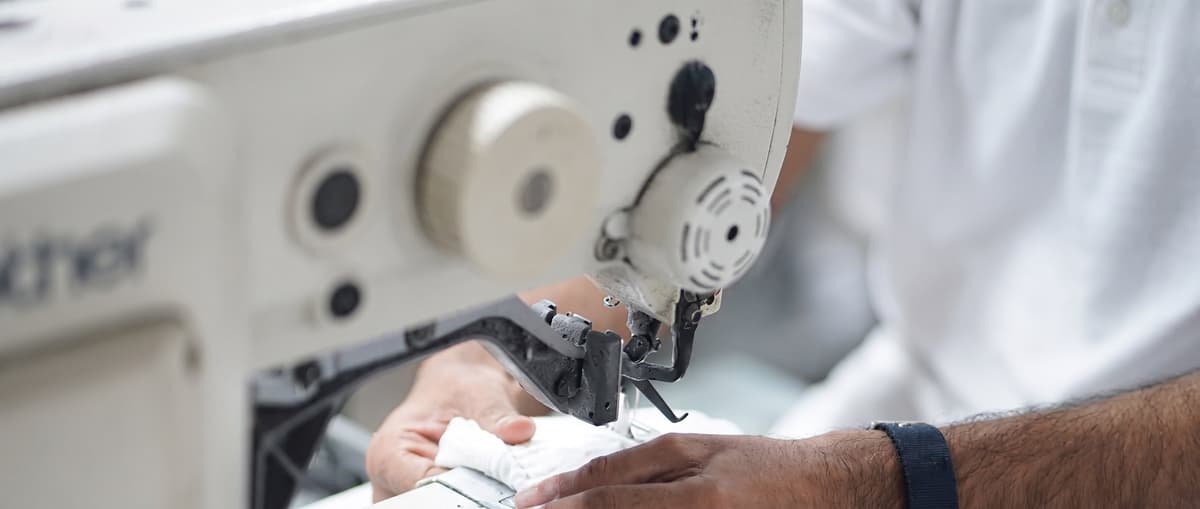
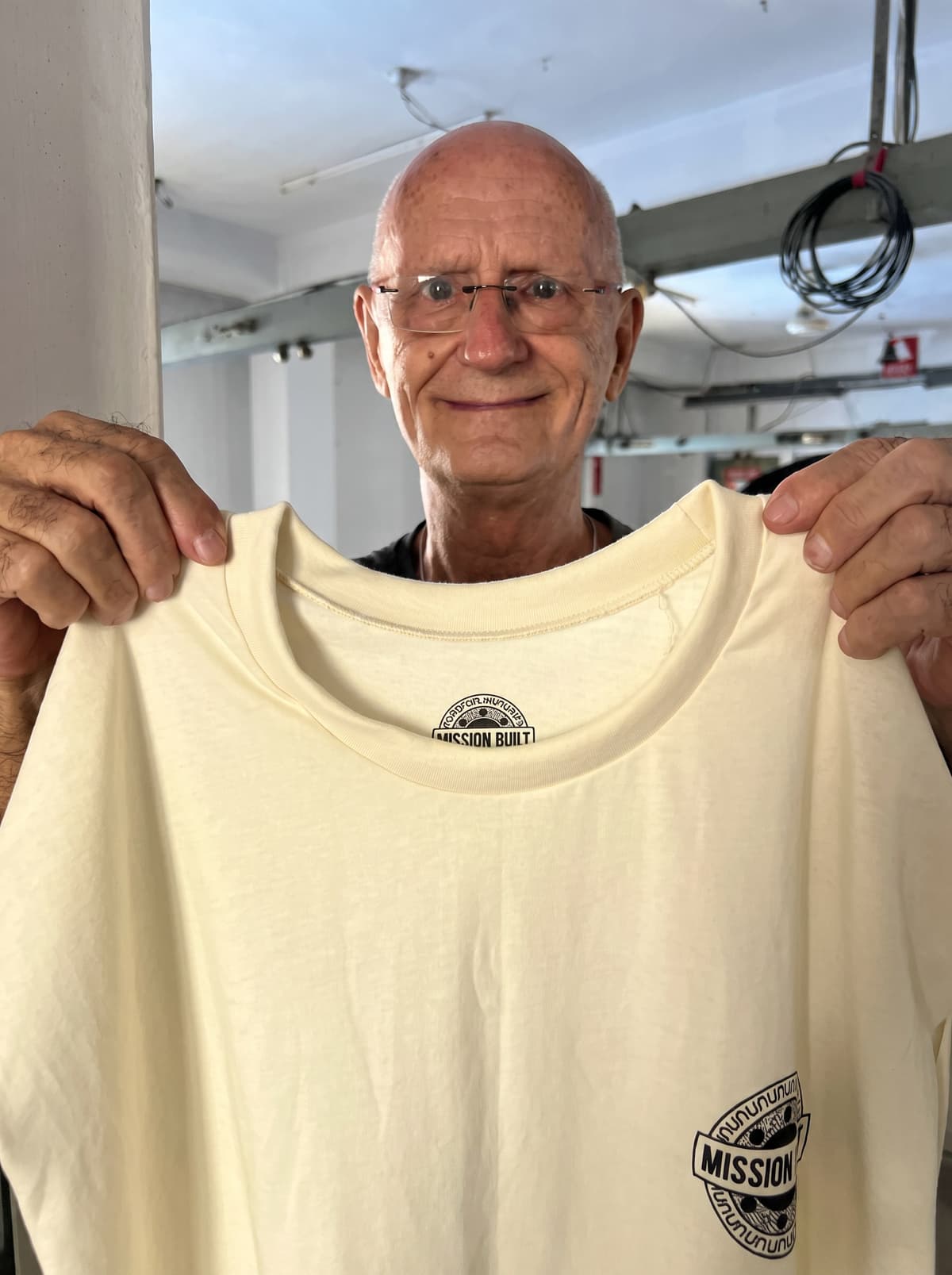
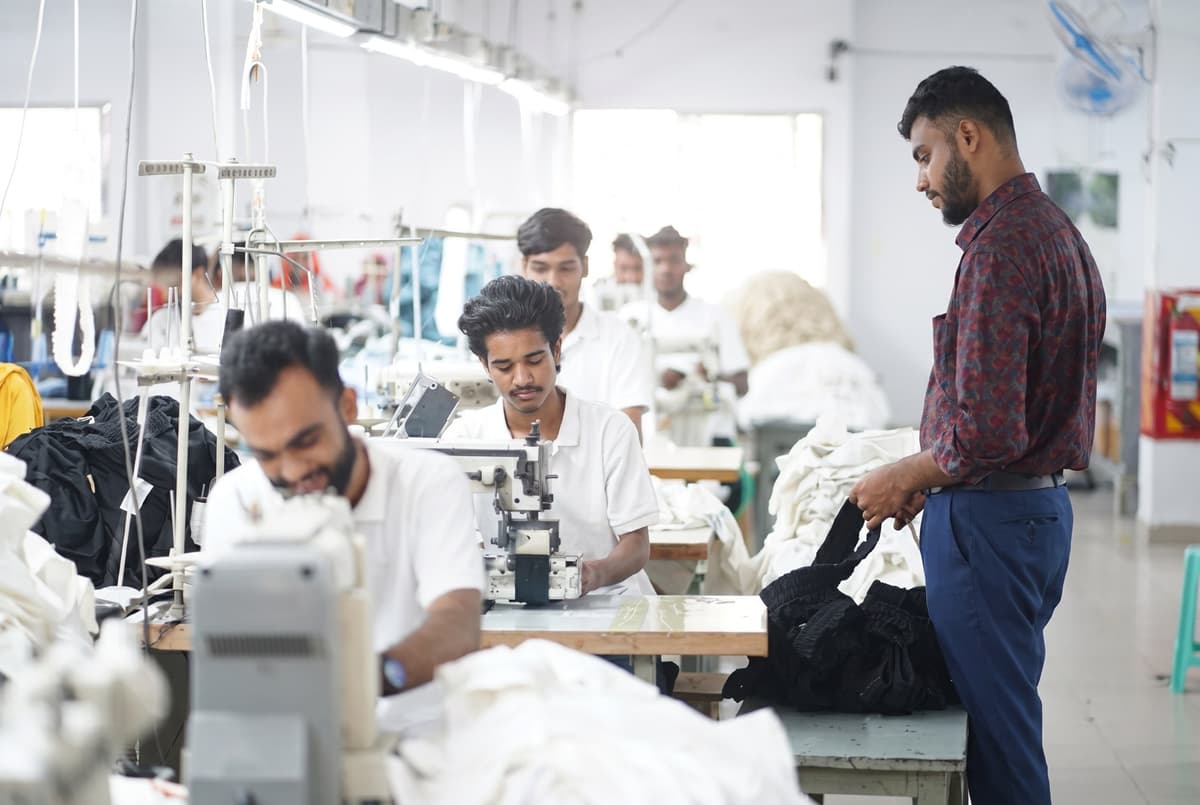
Collective Studios under the direction of Mr Jamish and his daughter Homaira represent the future of RTW production in Bangladesh. A thorough approach to detail governed by a genuine standard of quality. Masters of and partners in the process!
Talk to the factory directly: +880 1980 055021 · hello@collectivestudioltd.com
Under the 2026 US-Bangladesh trade framework, apparel manufactured using US-grown cotton can qualify for a 0 per cent reciprocal tariff rather than the standard rate, reported at 19 per cent, subject to capped volumes and origin documentation. The mechanism is origin: the cotton has to be sourced from US growers and traced through spinning, knitting and making-up, with the paperwork intact enough to satisfy customs scrutiny. That means it is decided before yarn is spun, not at shipping, and it is not something that can be applied retroactively to an order already in production. It also means consolidating a run is easier to evidence than fragmenting it. Frameworks change and this one is recent — confirm the current position with a licensed customs broker before you build the saving into your pricing.
Domestic wins on lead time and simplicity; overseas wins on cost and minimums, and the honest recommendation depends on which constraint is binding for you. A US factory can turn an order in weeks rather than months, involves no customs, and lets you visit in a day — genuinely valuable if you are iterating fast or your customer cares about a made-in-USA label. What you pay for that is typically two to three times the unit cost, and minimums that are often higher rather than lower, since fewer domestic factories are set up for small runs. Overseas means roughly three months and a customs process, which we handle DDP. If speed is your constraint and margin is not, use a domestic factory. If you are trying to make the unit economics work at low volume, that is harder to do domestically.
Because they are not the same quote. FOB — free on board — means the supplier's responsibility ends when goods are loaded at the port of origin. Everything after that is yours: ocean or air freight, insurance, destination port charges, customs brokerage, duty, and inland delivery. Those costs do not disappear; they arrive later as separate invoices, usually from people you have never dealt with. Our quotes are DDP, delivered duty paid, which includes all of it and lands the goods at your address. When brands compare the two properly, the DDP number is frequently lower than the FOB number plus everything it excludes, and it is always more predictable. If you want to compare like with like, ask the other supplier for a DDP price to your address.
One hundred pieces per style, per colour. For US brands there is a sourcing decision that sits alongside the quantity one: under the 2026 US-Bangladesh trade framework, apparel made with US-grown cotton can qualify for a 0% reciprocal tariff rather than the standard 19%, subject to capped volumes and origin documentation. Qualifying means the cotton has to be sourced and traced from the outset, which is a decision taken before yarn is spun, not at shipping. That makes it worth consolidating a first order rather than fragmenting it — one larger run through a documented US-cotton supply chain is far more straightforward to evidence than several small ones. Ask us at quote stage and we will price both routes. Our free MOQ calculator will model the consolidated run against the fragmented one before you ask.
Ten days for sampling, forty to fifty days for bulk once the pre-production sample is signed off, then freight. Air freight to the US adds roughly five to seven days door to door and suits launch dates or first orders. Sea freight adds about thirty to forty days depending on whether you are landing on the west or east coast, at a fraction of the cost — sensible for repeat bulk where the date is not tight. We ship DDP, so we handle export, customs entry and duty, and you get a landed price rather than a broker's invoice later. Most brands air-freight the launch order to hit a date, then move to sea once the range is proven. We quote a realistic date, not an optimistic one.
Trade and regulatory details on this page last verified 22 August 2026. Tariff and compliance terms change — ask us to confirm the current position for your order.
Whether it’s a large bulk or wholesale run or your first batch of 100, send a sketch, a reference, or a sentence. We’ll reply within one business day with fabric options and an indicative price.