How US Clothing Brands Can Cut the Tariff From 19% to 0% (2026 US–Bangladesh Deal)
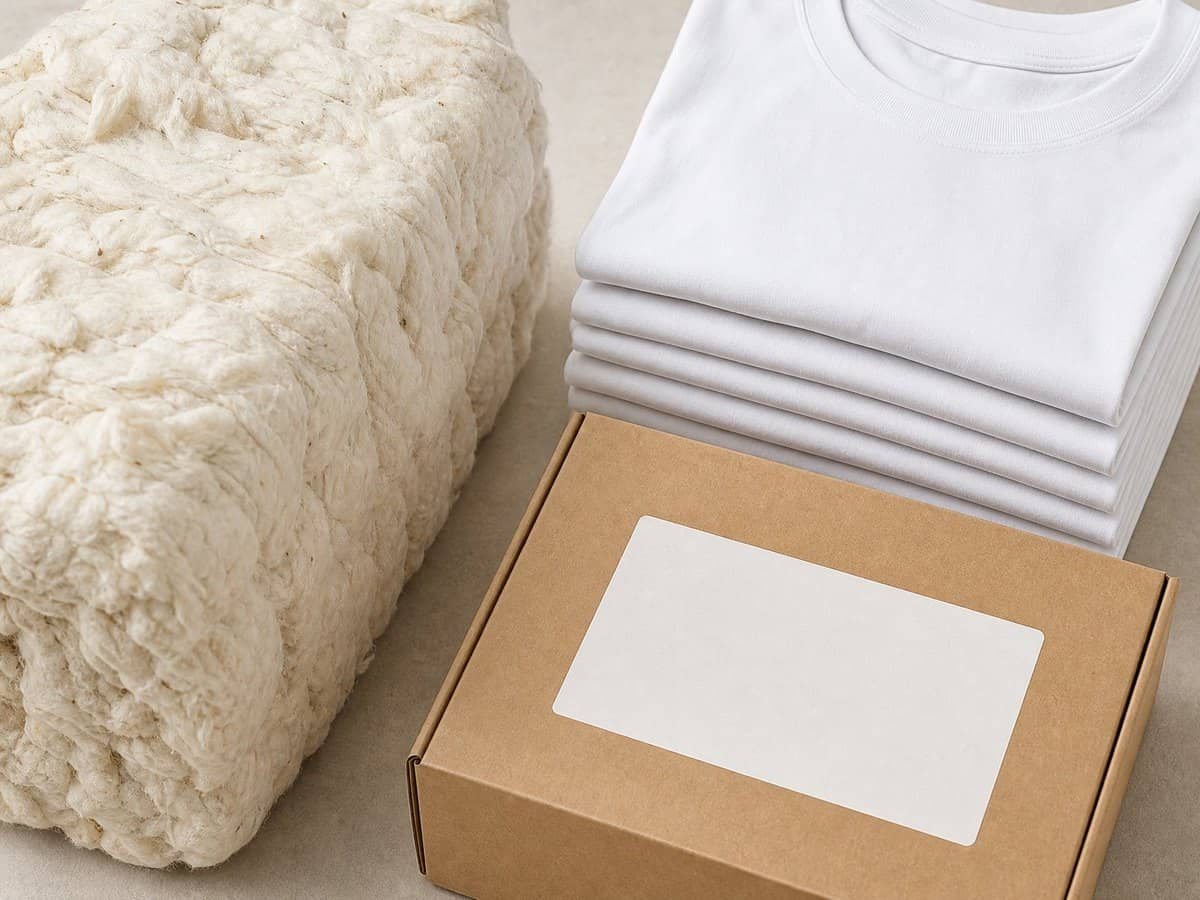
If you run a US clothing brand and manufacture overseas, tariffs are probably your biggest worry. Here's something most brands haven't caught onto yet: under the new 2026 US–Bangladesh trade deal, apparel made with US-grown cotton can enter the United States at a 0% reciprocal tariff — instead of the 19% rate that applies to most clothing made in Bangladesh.
The 19% tariff — and the exception that changes everything
In February 2026 the US and Bangladesh signed a reciprocal trade agreement that set the headline US tariff on most Bangladeshi goods at 19% (Al Jazeera). But the same deal created a crucial carve-out: a mechanism for certain textile and apparel goods to enter the US at a zero reciprocal tariff — specifically goods made with US-origin cotton and man-made fibers (White House joint statement).
In plain terms: the same hoodie costs you 19% in tariff if it's made with ordinary cotton, or 0% if it's made with US-grown cotton. For a brand importing in any real volume, that isn't a rounding error — it's serious money.
A garment made with American cotton can cross the US border duty-free. The identical garment in ordinary cotton pays 19%.
What the 0% rate actually saves you
Picture a $50,000 production order. At the standard 19% reciprocal tariff, that's roughly $9,500 in duty. Qualify under the US-cotton mechanism and that reciprocal tariff drops toward $0 — money that goes straight back into your margin, your marketing, or your next run. Across a year of orders, the advantage compounds quickly.
How the 0% rate works (the honest version)
This is a real opportunity, but it isn't a blank cheque — and we'd rather you hear the full picture from us than be caught out later:
- It applies to goods made with US-origin cotton (and man-made fibers) — not ordinary cotton.
- It's a capped volume: the duty-free quantity scales with how much US cotton and fiber Bangladesh imports (Al Jazeera).
- It requires a minimum share of US-origin inputs and proper certificates of origin.
- The fine operational details (caps, allocation, paperwork) are still being finalised by both governments — so it's an opening to plan around, not yet a fully automatic switch.
Why US cotton wins beyond the tariff
Even setting duty aside, US-grown cotton is a strong story for your customers: traceable origin, premium quality, and a genuine "made with American cotton" line that resonates with US shoppers. You get a tariff advantage and a marketing one.
How Collective Studio makes it simple
We're a family-run knitwear manufacturer in Bangladesh that already works with US-based brands. For this, we source US-grown cotton, manufacture your garments to spec, and handle the origin documentation the mechanism requires. And because we ship DDP (delivered duty paid), you get one clear landed cost with no surprise customs bills. New to overseas manufacturing? Read our guide to choosing the best clothing factory in Bangladesh, then tell us what you're making.
Before you commit: verify the details
These rules are new and still being implemented, and every product is classified differently. Before you bank on a specific rate, confirm your garment's duty with a licensed US customs broker — and we'll provide the origin paperwork to support your claim. We'd always rather you plan on solid numbers than optimistic ones.
Sources
- The White House — Joint Statement on the US–Bangladesh Agreement on Reciprocal Trade
- Al Jazeera — US and Bangladesh set trade deal with tariffs at 19 percent
- Business & Human Rights Resource Centre — Bangladesh secures zero-rate tariff on goods made with US material
Ready to make your next collection tariff-smart? We work with US brands on exactly this — start your collection with Collective Studio and we'll build it with US-grown cotton, full origin documentation, and DDP delivery to your door.
Frequently asked questions
Do US clothing brands pay tariffs on imports from Bangladesh?
Yes. Unlike the UK, EU, Canada and Australia, the United States has not extended duty-free apparel access to Bangladesh under least-developed-country provisions, so US importers have historically paid meaningful duty. Under the 2026 US-Bangladesh trade framework the standard reciprocal rate is reported at 19 per cent, with a route to 0 per cent for apparel manufactured using US-grown cotton, subject to volume caps and origin documentation. That figure is reported rather than independently confirmed here, and trade frameworks are revised more often than published guidance is updated. Classification also affects the applicable rate, since garments are categorised by fibre content and construction. Confirm the current position for your specific commodity code with a licensed customs broker before pricing around it.
How can US brands reduce import duty on clothing?
Fibre origin is the mechanism with the largest reported effect. Under the 2026 framework, apparel made with US-grown cotton can qualify for a 0 per cent reciprocal tariff rather than the reported 19 per cent standard rate, subject to capped volumes and documentary proof of origin. The constraint is sequencing: cotton must be sourced and traced from the outset and the documentation must withstand customs examination, so it is determined before spinning rather than at shipment and cannot be applied retrospectively. Narrower levers exist — accurate tariff classification, since misclassification by fibre content and construction is common; first sale valuation in certain structures; and foreign trade zones where inventory is held. All of this should be confirmed with a licensed customs broker rather than treated as settled.
What is DDP shipping?
DDP — delivered duty paid — is an Incoterm placing maximum obligation on the seller: export clearance, freight, import customs entry and duty are all the seller's responsibility, and goods are delivered to the buyer's address. The quoted figure is the landed figure. The common alternative is FOB, free on board, under which the seller's responsibility ends at the origin port and the buyer arranges and pays for everything after. FOB quotations therefore appear lower while excluding freight, brokerage, destination charges and duty, which arrive subsequently as separate invoices. Comparing an FOB quotation against a DDP quotation is not a like-for-like comparison. VAT or GST generally remains the importer's liability under DDP, as it is a tax rather than a duty.
Where this applies
The manufacturing pages this guide relates to, if you are costing a real run.
Sources & further reading
Have an idea? Let’s make it.
We manufacture from 100 pieces per style, with GOTS-certified organic options and photos at every stage. Send a sketch or a sentence — we’ll reply within a day.