How to Start a Clothing Brand With Just 100 Pieces
Starting a clothing brand used to mean a frightening first order: thousands of units, a five-figure cheque, and a spare room full of stock you hoped would sell. For most new founders, that risk killed the idea before it began. It doesn't have to be that way anymore. With the right manufacturing partner, you can launch with as few as 100 pieces per style — enough to sell, learn, and grow without betting the house.
Why 100 pieces is the smartest way to start
A small first run does three things at once. It protects your cash — you're risking hundreds, not tens of thousands. It validates real demand — you find out whether people actually buy, not just whether they say they like it. And it lets you iterate — your second run can fix the fit, fabric, or colour you got slightly wrong the first time. Big orders lock you into your first guess; small orders let you improve.
The five steps from idea to first delivery
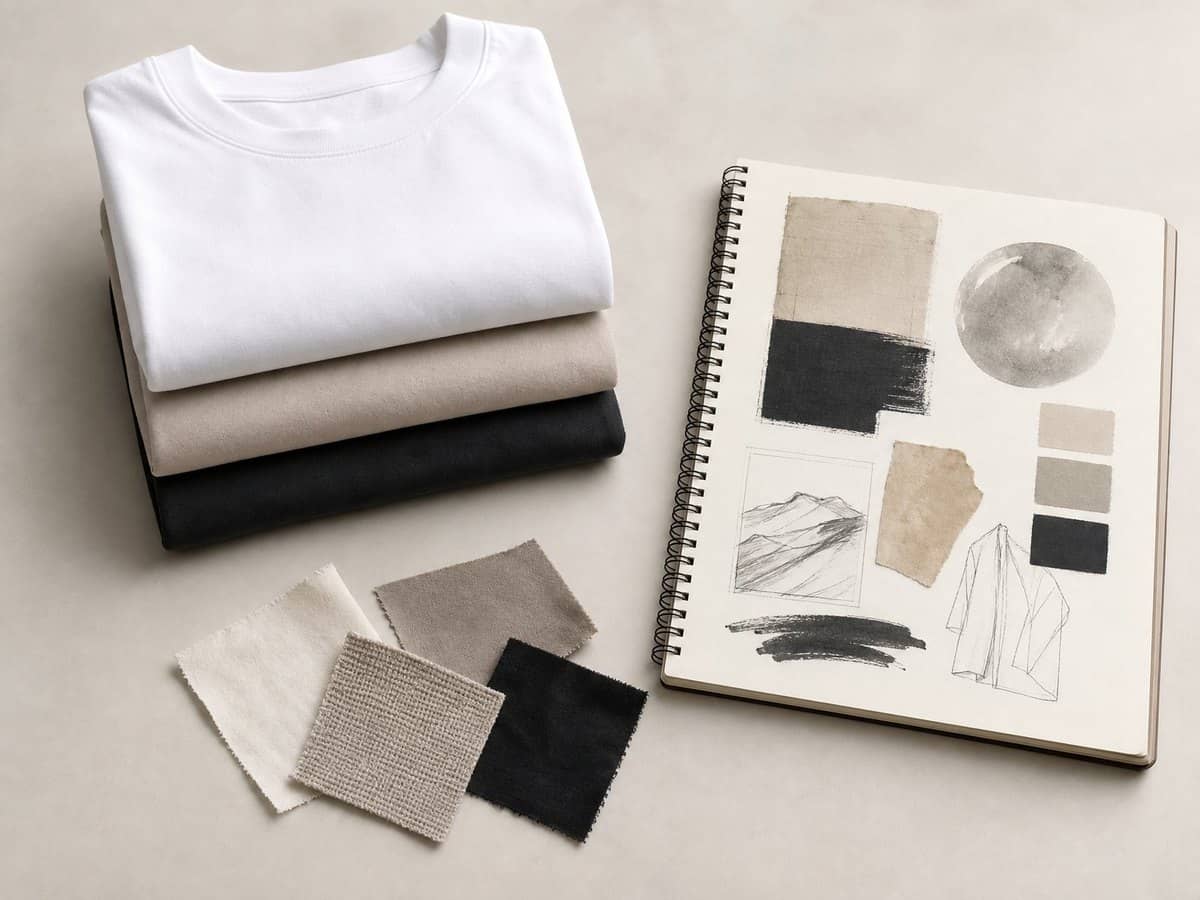
- Pin down the idea. A sketch, a reference photo, or a clear description of the garment, fabric, and feel you want is enough to begin.
- Turn it into a spec. A tech pack is ideal, but a good manufacturer can help you build one from your references — you don't need to arrive with one.
- Sample. You approve a physical sample for fit, fabric, and finish before any bulk is made. Nothing goes to production until you're happy.
- Sign off. Lock the fabric, trims, sizing, and price. This is the moment everything is agreed in writing.
- Produce and ship. Bulk production, quality control, branded packaging, and delivery to your door.
From sign-off, a small run typically takes around 40 days door to door. The sampling stage before it is where you'll spend the most back-and-forth — and it's worth taking your time there, because the sample is what bulk gets matched against.
What it actually costs
Your costs fall into three buckets: sampling (a one-off cost to get the first physical piece right), per-unit production (lower the more you order, but still viable at 100), and shipping (often handled as DDP — delivered duty paid — so you see one final landed cost with no customs surprises). A realistic first run of a single style in one or two colours is within reach of a modest savings pot, not a bank loan.
You don't need a warehouse full of stock to be a real brand. You need a great product and a partner willing to make a hundred of it.
How to choose the right manufacturer
- Ask the real MOQ — per style, per colour. "Low MOQ" means little if the true floor is 500 once you pick a colour.
- Ask for photos at each production stage. Transparency is the difference between a partner and a black box.
- Check certifications properly. If sustainability matters, ask specifically for GOTS-certified organic and ask to see the certificate.
- Test communication early. The speed and clarity of their first reply is a preview of the whole relationship.
Common mistakes to avoid
- Ordering too much, too soon — before you know what actually sells.
- Skipping the sample to save a week — it always costs more later.
- Choosing on price alone — a cheap run you can't reorder consistently isn't cheap.
- Forgetting packaging and labels — they're part of the product, plan them in from the start.
Collective Studio is built for exactly this kind of start. We make from 100 pieces per style, help you turn a sketch into a tech pack, send photos at every stage, and offer GOTS-certified organic options. A private-label t-shirt is the classic low-risk first product, but we make the full range. See how we work with startups and what our low-MOQ manufacturing actually includes. If you've got an idea — even a rough one — send it to us and we'll come back with fabric options and a realistic plan. You can also browse what we make to see where to begin.
Frequently asked questions
Can I start a clothing brand with 100 pieces?
Yes, and it is now a realistic route rather than a compromise. A number of factories run from 100 pieces per style and colour, ours included, which lets you launch a tight range, watch what actually sells, and put your money behind winners rather than guesses. The arithmetic that matters is per colourway: 100 pieces of one tee in one colour is 100 units, but the same tee in three colours is 300, because each colour is a separate fabric batch with its own dye lot. Sizes stay flexible within each 100. The practical advice for a first run is to go narrow and deep enough to learn something — two or three styles at the minimum usually teaches you more than 300 units of a single design, because you find out which product your customer returns for.
Why do most clothing manufacturers have high minimums?
Because a large share of the cost of making clothing does not scale down. Pattern making, grading a size range, setting up cutting and changing a sewing line over to a new style cost roughly the same whether the run is 50 pieces or 5,000, so on a small order those fixed costs dominate the unit price. The bigger constraint sits further upstream: fabric mills set their own minimums, often several hundred kilograms per colour, because dyeing also has to be set up. A factory geared to long runs has no reason to absorb any of that. Factories built for emerging brands either share those costs across several small orders or accept thinner margins on the setup, which is what makes a lower floor possible at all.
How many pieces should I order for my first run?
Enough to learn something, and not so much that a wrong guess is unrecoverable — usually 100 to 300 pieces per style for a first run. The more useful question is how to spread it. Testing three styles at 100 pieces each generally teaches you more than 300 of one design, because you discover which product your audience actually wants rather than only whether they liked the single option you offered. Favour a style that sells year-round over a strongly seasonal piece, since slow-moving seasonal stock locks up cash exactly when you need it to restock. And hold money back for a reorder: running out of your bestseller three weeks after launch with nothing to restock is a more common way for a new brand to stall than failing to sell at all.
Where this applies
The manufacturing pages this guide relates to, if you are costing a real run.
Free tools & guides for this
Sources & further reading
Have an idea? Let’s make it.
We manufacture from 100 pieces per style, with GOTS-certified organic options and photos at every stage. Send a sketch or a sentence — we’ll reply within a day.