Bound armholes, not turned hems
A separate binding strip holds its shape where a folded jersey edge stretches and ripples. On a garment with this few seams, it's the detail that shows first.
Tank tops made properly — muscle tanks, ribbed vests, gym stringers and fitted women's tanks, from your first 100 pieces to full bulk.
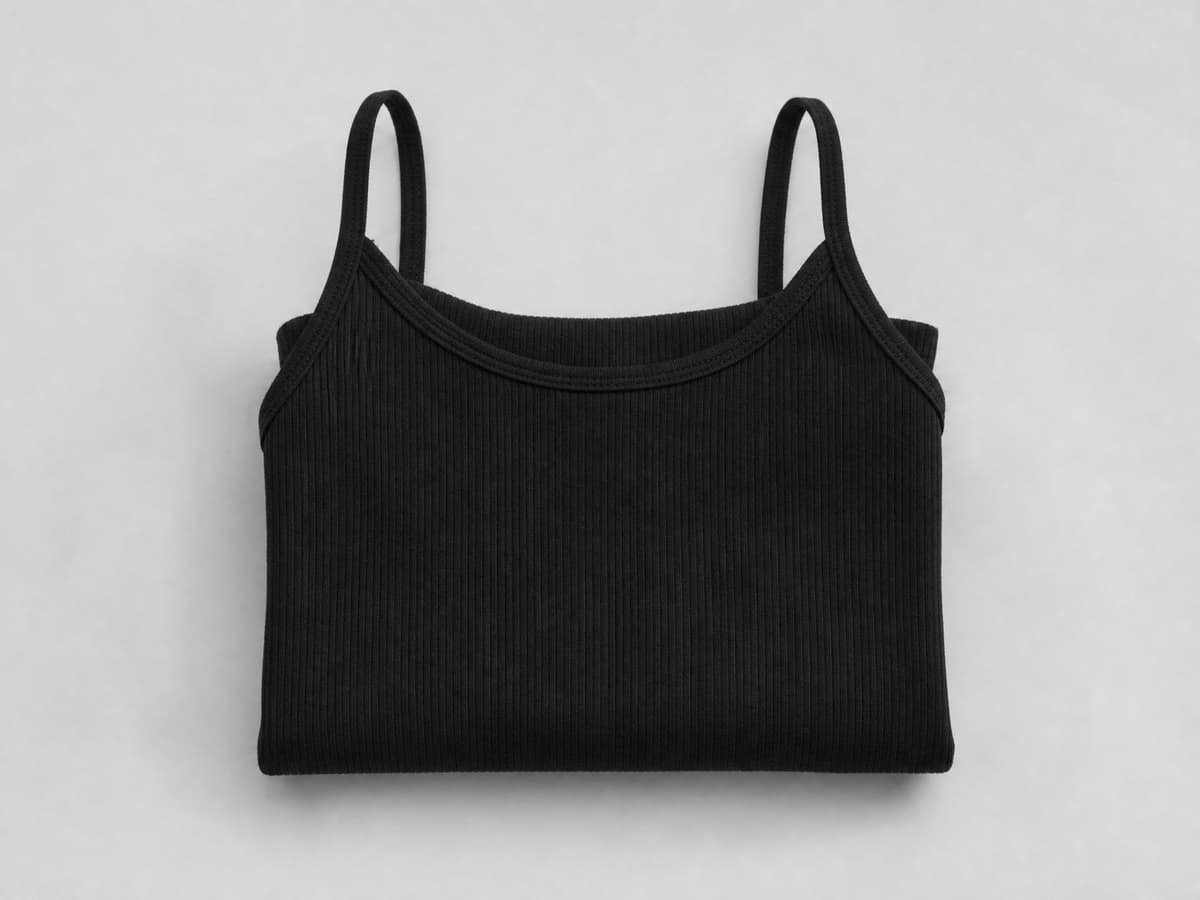
Collective Studio is a family-run tank top manufacturer in Narayanganj, Bangladesh. Tanks sit squarely in our core capability, cut-and-sew jersey knitwear, and we make the full spread: classic ribbed vests, relaxed muscle tanks, gym stringers, boxy streetwear tanks and fitted, scooped or racerback women’s styles.
A tank has fewer components than almost any other garment, which means each one carries more weight. The armhole finish is the first and most consequential decision. Binding wraps the raw edge in a separate strip of fabric — clean, durable, holds its shape, and the standard on anything sold at a decent price. A self-fabric turned hem folds the edge back on itself: cheaper and quicker, but on jersey it tends to stretch and ripple with wear. Coverstitch sits between the two. Because the armhole on a tank is large and under constant movement, a poor finish here is the single most visible way the garment ages badly.
The neckline follows the same logic. Rib gives stretch and recovery, so it survives being pulled over the head repeatedly — provided it contains elastane, since a pure cotton rib stretches out permanently and leaves a gaping neck. 1x1 rib is finer and flatter; 2x2 rib is chunkier with more visible texture and more stretch. Which you choose changes the look considerably on a garment this pared back.
Opacity is the failure mode specific to tanks. Because the fabric is thin and the garment is worn in warm weather and often in gyms, a weight that looks fine on a hanger can become see-through in use, particularly in white, light heathers and pastels. Around 140–160 GSM gives a soft, draped summer vest; 180–220 GSM gives structure and reliable coverage. We recommend against going below that lower band in pale colours and will show you the sample wet as well as dry so you can judge it rather than take our word for it.
Stringers are worth calling out separately: the strap is deliberately narrow and the armhole cut deep, which puts far more stress on a small amount of seam. Those need reinforced binding and, for training use, flatlock seams that lie flush rather than ridging against skin. Minimum across all tank styles is 100 pieces per style and colour, with GOTS-certified organic cotton available under certificate RSC 9687. In the UK the same garment is usually called a vest — same product, either name.
A separate binding strip holds its shape where a folded jersey edge stretches and ripples. On a garment with this few seams, it's the detail that shows first.
1x1 for a fine flat neckline, 2x2 for chunkier texture — both with elastane, so the neck doesn't gape after being pulled on repeatedly.
Thin fabric in pale colours goes sheer in use. We advise on weight and show you the sample wet as well as dry before bulk.
Narrow straps and deep armholes concentrate load on very little seam. Reinforced binding, and flatlock where it sits against skin in training.
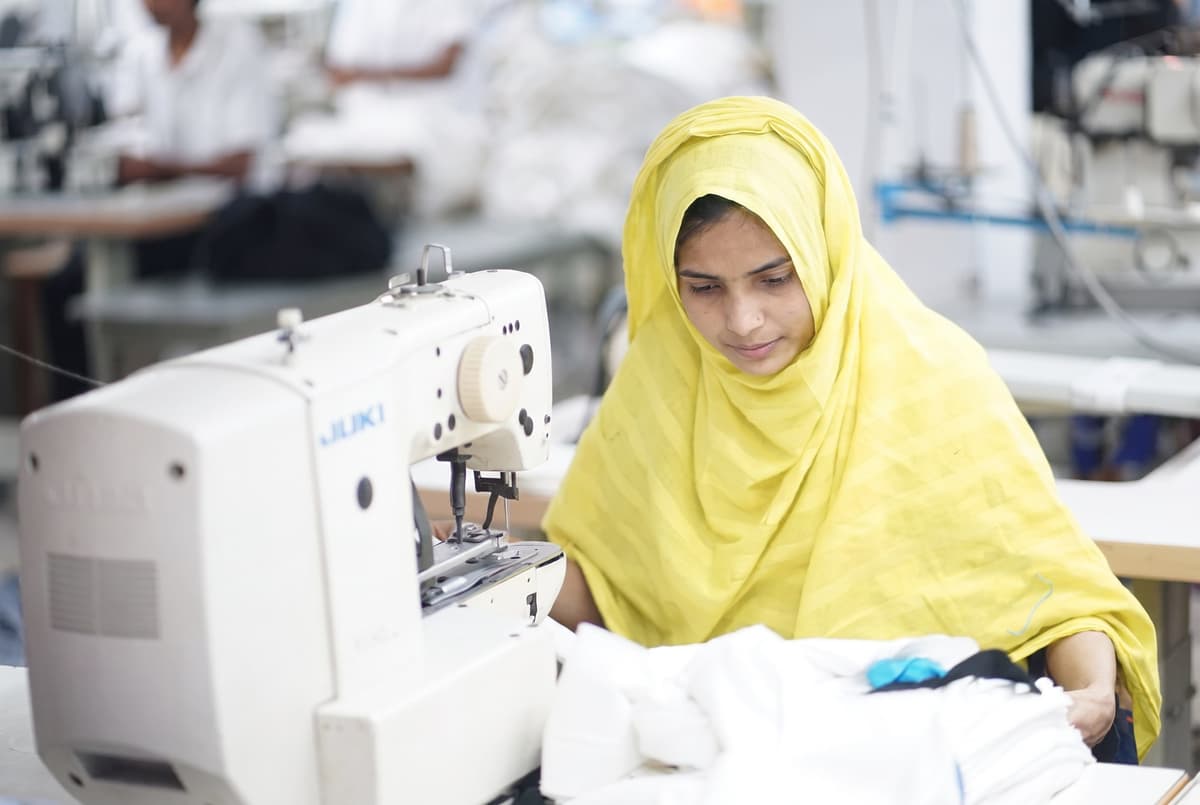
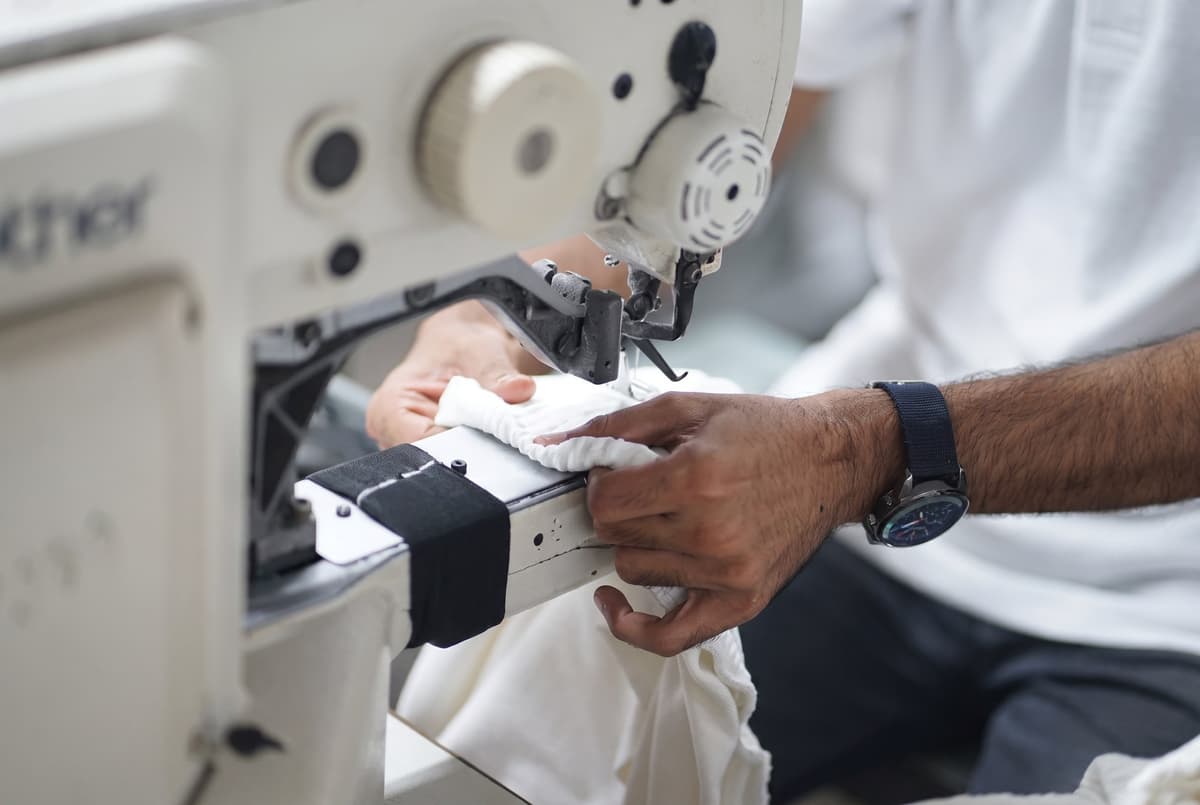
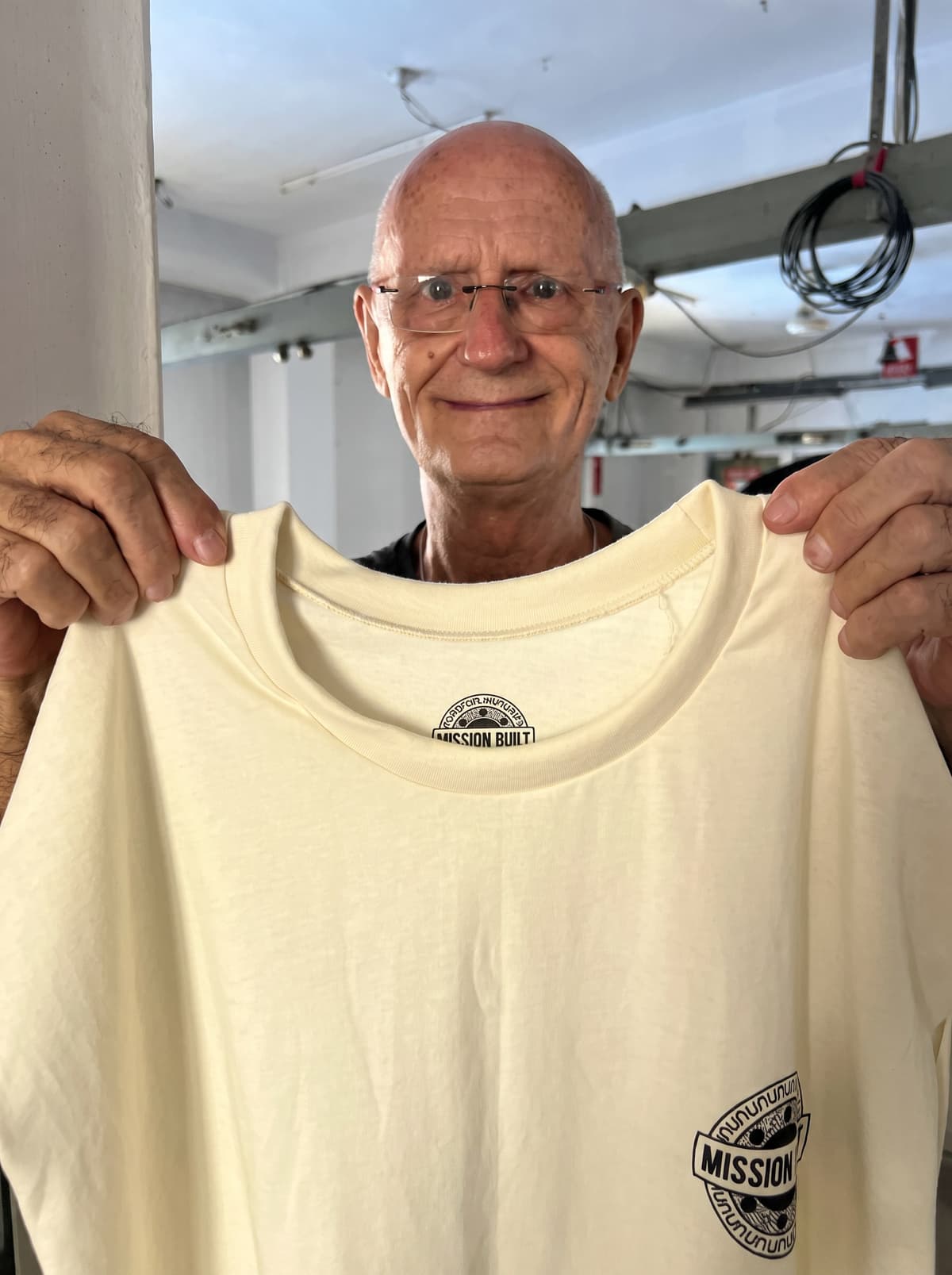
Wonderful people to work with — very professional and knowledgeable, also accommodating to the needs of their customers.
Talk to the factory directly: +880 1980 055021 · hello@collectivestudioltd.com
One hundred pieces per style, per colour. Tanks are among the simpler constructions we make, so the sampling stage is quick and the cost per piece is lower than most garments — but the minimum is still driven by fabric lots rather than sewing time, which is why it does not fall below a hundred. The specification worth getting right is the armhole and strap: a tank lives or dies on whether the armhole sits correctly and the strap covers what the wearer expects, and that is a pattern decision made at sampling. Binding versus a folded hem on the armhole changes both the look and the cost slightly. Send a reference garment if you have one, because tank fit varies enormously between brands and the word 'standard' means very little here.
It matters more on a tank than on any other garment, because the armhole is large, under constant movement, and there are barely any other seams to distract from it. Binding — wrapping the raw edge in a separate fabric strip — is the durable option: it holds its shape, resists stretching, and is what you find on tanks that still look right after a season. A self-fabric turned hem simply folds the edge back and stitches it, which is faster and cheaper but on jersey tends to stretch and ripple, giving that wavy armhole you see on inexpensive vests. Coverstitch sits between them. For anything at a premium price we would specify binding.
Around 140 to 160 GSM for a soft, draped summer vest, and 180 to 220 GSM where you want structure and reliable coverage. The deciding factor is usually opacity rather than feel. Tanks are thin, worn in warm weather and often in gyms, so a fabric that looks perfectly opaque on a hanger can become see-through in use — and it shows up worst in white, light heathers and pastels, where the base fabric offers least cover. We would advise against the lower band in pale colours specifically. Either way we show you the sample wet as well as dry, since that is the condition it will actually be judged in.
Both, and they are different garments rather than the same pattern in two sizes. The armhole shape, the strap width, the neckline depth and the body shaping all differ, and a women's tank usually needs a narrower shoulder and more waist shaping to sit correctly. Racerback, scoop, square neck and standard vest shapes are all available in either. Fabric choice tends to diverge too — women's tanks more often use lighter jersey or a modal blend for drape, men's more often a heavier cotton or a performance knit. Each counts as its own style for minimum purposes, so a men's and women's version in one colour is two hundred pieces total. If you want them to read as a matched pair, tell us and we will dye both in the same lot.
A stringer is a tank with deliberately narrow shoulder straps and a deep-cut armhole, popular in weight training because it leaves the shoulder and lat exposed. It does need different construction, because narrowing the strap concentrates all the load on very little seam and fabric. That means reinforced binding at the strap and armhole, and for training use we would recommend flatlock seams, which butt the fabric edges together so the join lies flush rather than leaving the raised ridge an overlock seam produces. Under repetitive movement and sweat, that ridge is a chafe point. It costs a little more to run and it is the difference between a stringer people train in and one they stop wearing.
Because the rib has no elastane in it. Every time a tank goes over someone's head the neckline is stretched well beyond its resting shape, and a rib knitted from 100% cotton does not fully recover — after enough wears it stays stretched, which on a minimal garment is immediately obvious. Adding elastane to the rib fixes it and costs very little. The other choice worth making deliberately is rib gauge: 1x1 rib is finer and sits flatter, suiting a clean minimal neckline, while 2x2 is chunkier with more visible texture and more stretch. On a garment this pared back, that choice changes the whole look. The fix is specification rather than craft: a binding cut shorter than the opening so it is sewn under tension, and a stay tape along the shoulder to stop the seam stretching over time. We wash-test the pre-production sample and check the neckline again afterwards, because gaping usually appears after the first wash rather than on the sample.
Yes — GOTS-certified organic cotton is available across most tank styles from 100 pieces per colourway, under certificate RSC 9687, verifiable on the public database at global-standard.org. Organic jersey and organic rib are both available, so a tank can be certified throughout rather than only in the body. One practical note specific to tanks: because these are often sold in pale colours where opacity is already the constraint, we would usually recommend the upper end of the weight range for organic pale styles rather than the lightest option. GOTS defines more than one permitted label wording depending on fibre composition, and we confirm which applies before anything is printed.
Yes. Cotton and cotton-modal suit everyday and streetwear tanks, where softness and drape matter most. For training tanks and stringers we use moisture-wicking performance blends, which move sweat along the fibre rather than absorbing it the way cotton does — the practical difference being that a cotton tank gets heavy and stays wet while a performance one does not. Construction changes too: flatlock seams to avoid chafe, and often a slightly higher elastane content for shape retention through movement. Tell us whether the piece is for training or for wearing, since the honest answer is that no single fabric does both jobs well. The construction differs as much as the fabric: performance tanks are usually flatlocked so seams lie flat during movement, and the armhole is cut deeper for range of motion. Tell us the use case rather than the fabric and we will spec both together.
Trade and regulatory details on this page last verified 30 July 2026. Tariff and compliance terms change — ask us to confirm the current position for your order.
Whether it’s a large bulk or wholesale run or your first batch of 100, send a sketch, a reference, or a sentence. We’ll reply within one business day with fabric options and an indicative price.