Three real techniques
Reactive dye for colourfast solids, pigment dye for a soft worn-in look, garment dye for lived-in tonal variation — we'll recommend the right one for the effect you want.
Custom-dyed garments made to your design — garment dye, pigment dye, tie-dye, and precise colour matching, with worldwide delivery.
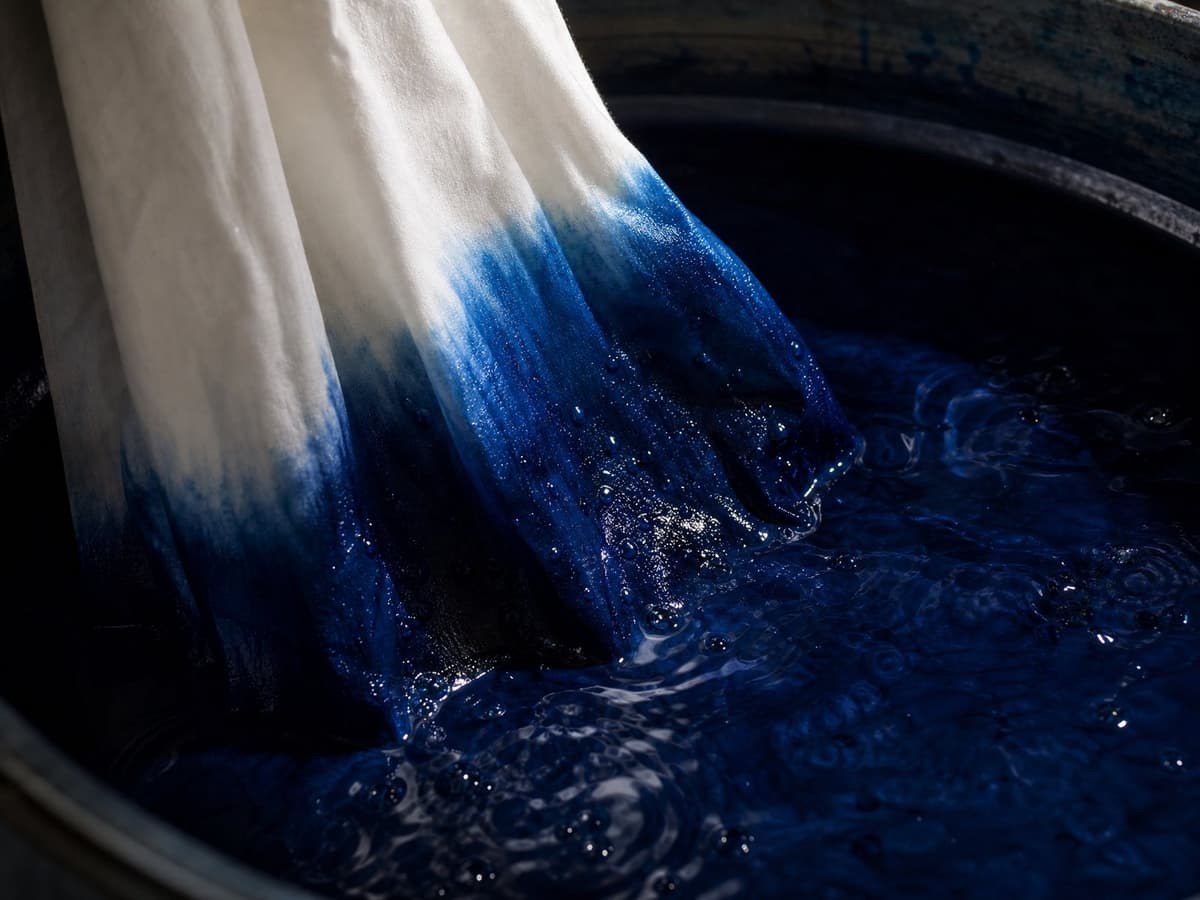
"Dyeing" covers three different processes, and which one you want depends on what you're actually after. Reactive dye bonds at the fibre level before the garment is cut and sewn — it's the standard for solid, colourfast cotton shades that won't fade or shift. Pigment dye sits on the surface of the fabric rather than bonding into it, which gives that soft, slightly worn-in look brands often want for streetwear, at the cost of some colourfastness over time. Garment dye means dyeing the finished, already-sewn piece rather than the fabric beforehand, which produces the faint tonal variation and lived-in character you can't get from piece-dyed fabric.
We offer all three, plus tie-dye and acid wash, as part of full garment manufacturing — dyeing the pieces we cut and sew to your spec, not applying colour to stock blanks. For a specific shade, we colour-match to Pantone or your reference and confirm it on a physical lab dip before bulk production runs, so you're approving the actual colour, not a screen render of it.
Dyeing is also one of the more environmentally consequential steps in garment production — it's water- and chemical-intensive by nature. We run it with wastewater treatment and offer GOTS-compatible processes for brands whose organic claim needs to hold up through this stage too, not just at the raw-fibre stage.
Reactive dye for colourfast solids, pigment dye for a soft worn-in look, garment dye for lived-in tonal variation — we'll recommend the right one for the effect you want.
We handle both the garment and its dyeing — one partner, consistent results, confirmed on a physical lab dip before bulk.
Custom-dyed runs from 100 pieces per style, per colourway.
Wastewater treatment as standard, with GOTS-compatible dyeing available for organic-certified lines.
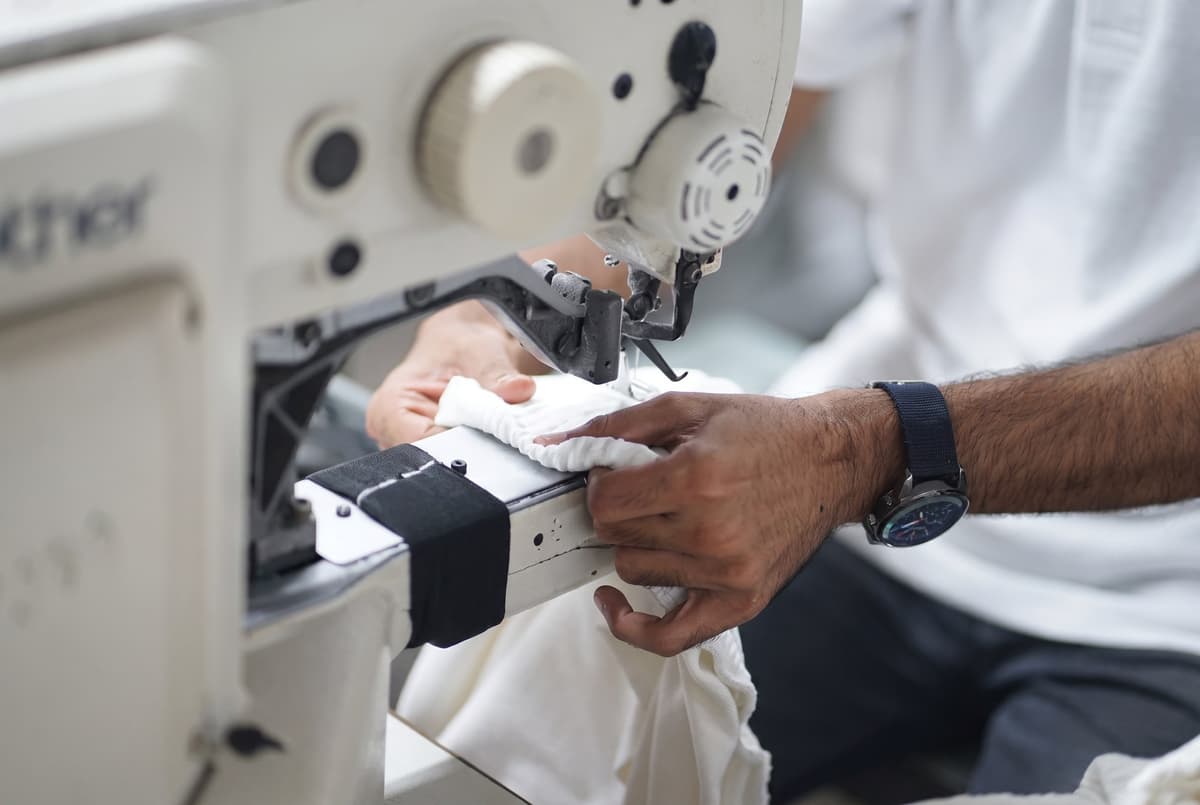
Dyeing is the stage brands most often assume happens where their garments are sewn. It does not, here or at most factories in Bangladesh. This is the plant your fabric actually goes to, filmed on one of our visits, followed by the stage that happens on our own floor.
Colour is the most common reason a reorder disappoints a brand, so it is worth knowing exactly where in the chain your shade is decided and who carries the risk when it moves.
You approve a physical dip rather than a Pantone reference on a screen, and that dip stays on file so a second order is matched to the same physical standard as the first. We place the work and we carry the result; you never get handed a dye house's phone number when a shade drifts.
Wonderful people to work with — very professional and knowledgeable, also accommodating to the needs of their customers.
Talk to the factory directly: +880 1980 055021 · hello@collectivestudioltd.com
To a Pantone reference or a physical swatch, yes, and we will send you a lab dip to approve before anything goes into bulk. That approval step matters more than people expect: a colour on a screen, a colour on paper and a colour on knitted cotton are three different things, and the only reliable judgement is a physical sample of your actual fabric. Two honest limits. Dye is chemistry, so there is a tolerance — a second lot weeks later can land marginally different, which is why we suggest dyeing the whole quantity in one lot if exact repeatability matters. And some shades, particularly intense brights and true blacks, are harder to hit on organic cotton than conventional, because the fibre takes dye slightly differently.
Reactive dye bonds chemically with the cotton fibre, so colour is fast, deep and washes well — it is the standard for quality cotton knitwear and what we use by default. Pigment dye sits on the surface held by a binder rather than bonding; it gives the soft, slightly faded, vintage look brands sometimes want deliberately, but it fades faster with washing and UV, so it is a stylistic choice rather than a quality one. Garment dyeing is a different axis entirely — it describes when you dye rather than how, colouring the finished garment instead of the fabric. That gives a softer hand and characterful unevenness, and it shrinks the piece during the process, so patterns must be cut oversized to compensate. That last point is a construction decision, not a finishing one.
Both. Garment dyeing colours the finished piece rather than the fabric, which gives a softer hand and the slightly uneven, lived-in depth that vintage-leaning labels want. It also shrinks and relaxes the garment during the process, so patterns have to be cut oversized to compensate — that is a construction decision made before anything is sewn, not a finishing afterthought. Tie-dye, whether hand-tied spiral, crumple or dip, is done piece by piece, so no two are identical and you should expect and market that variation rather than fight it. If you need every unit to match closely, tie-dye is the wrong choice and we will say so before you commit to a colourway you cannot repeat.
More than most, and short of perfect. Your fabric is dyed at partner plants we book and inspect, and we place work only in units that run wastewater treatment as standard rather than as an exception. That is not simply our word for it: GOTS requires every unit handling certified fibre to hold its own scope certificate, restricts which chemicals can be used at all, and requires effluent to be treated before discharge — that is audited by a third party, not self-declared. Where honesty is due: dyeing is water- and energy-intensive by nature, and no treatment plant makes it neutral. We reduce load where we can by dyeing in full lots rather than repeated small batches, and by steering brands toward one colour deep instead of several shallow, which halves the number of dye runs. If a supplier tells you their dyeing has no environmental cost, they are selling you something. Ask for the certificate number instead.
One hundred pieces per style, per colour — and with dyeing, the per-colour part matters more than on any other process. Dyeing happens in lots: a machine is loaded, a recipe is dosed, the batch runs, and the whole thing is emptied before the next colour. Splitting a hundred pieces across four shades means four separate lots, four setups and four cleaning cycles, which costs roughly what four full runs would. It is also why we are honest about shade matching between lots — dye is chemistry, not printing, and a second batch weeks later can land marginally different. If exact repeatability across reorders is critical, tell us at the quote stage and we will dye the whole quantity in one lot.
Trade and regulatory details on this page last verified 30 July 2026. Tariff and compliance terms change — ask us to confirm the current position for your order.
Whether it’s a large bulk or wholesale run or your first batch of 100, send a sketch, a reference, or a sentence. We’ll reply within one business day with fabric options and an indicative price.