Duty-free under EU EBA — same as the rest of the EU
Bangladesh-made apparel enters Germany at 0% duty under Everything But Arms. The UN General Assembly has moved Bangladesh's LDC graduation to 24 November 2029.
Premium knitwear manufacturing for German brands — duty-free under the EU's Everything But Arms scheme, Germany's own 19% VAT worked out with a real number, and DDP so the landed cost you're quoted is the one you pay.
Collective Studio makes cut-and-sew knitwear for German brands in Narayanganj, Bangladesh, from 150 pieces per style and colour, delivered DDP after 40–50 days' production plus freight, duty-free under Everything But Arms and with Germany's 19% import VAT inside the quote. About 70 days from order to your door by air. GOTS certificate RSC 9687 backs the GPSR file on organic orders, and our Amsterdam office works in your hours.
Or message the factory directly: WhatsApp +880 1980 055026 · hello@collectivestudioltd.com · Homaira replies within one business day.
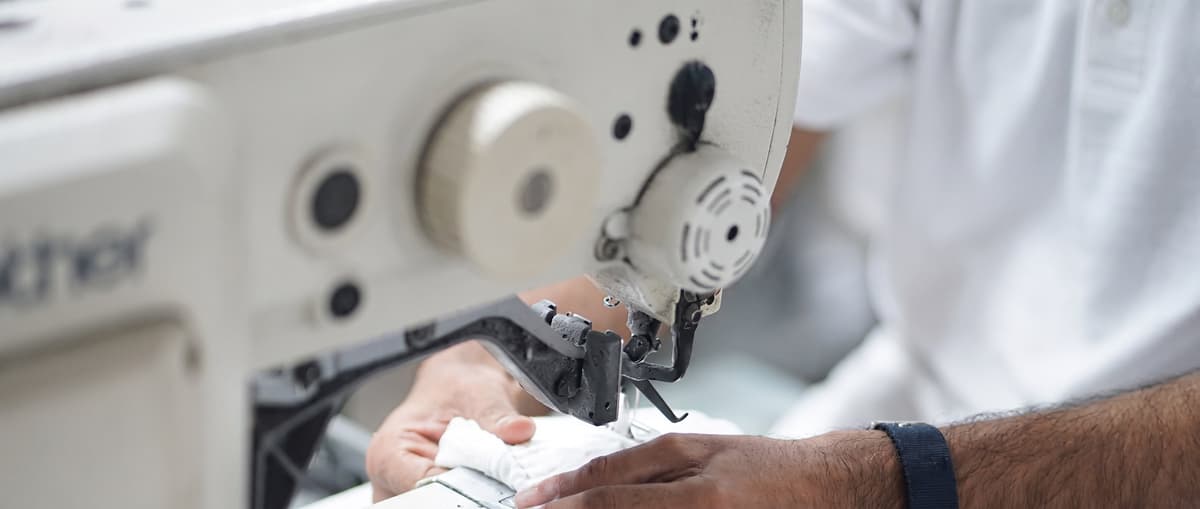
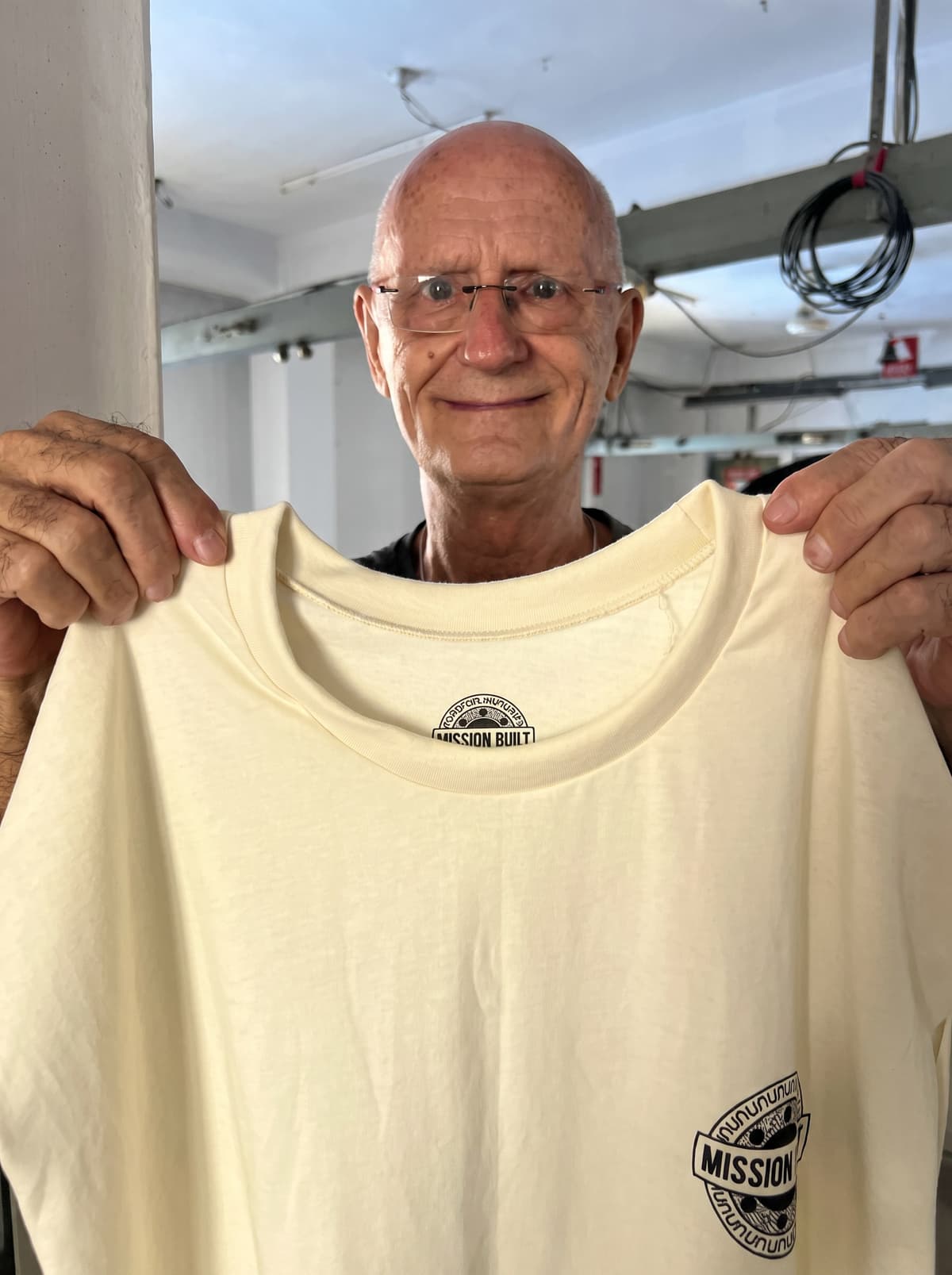
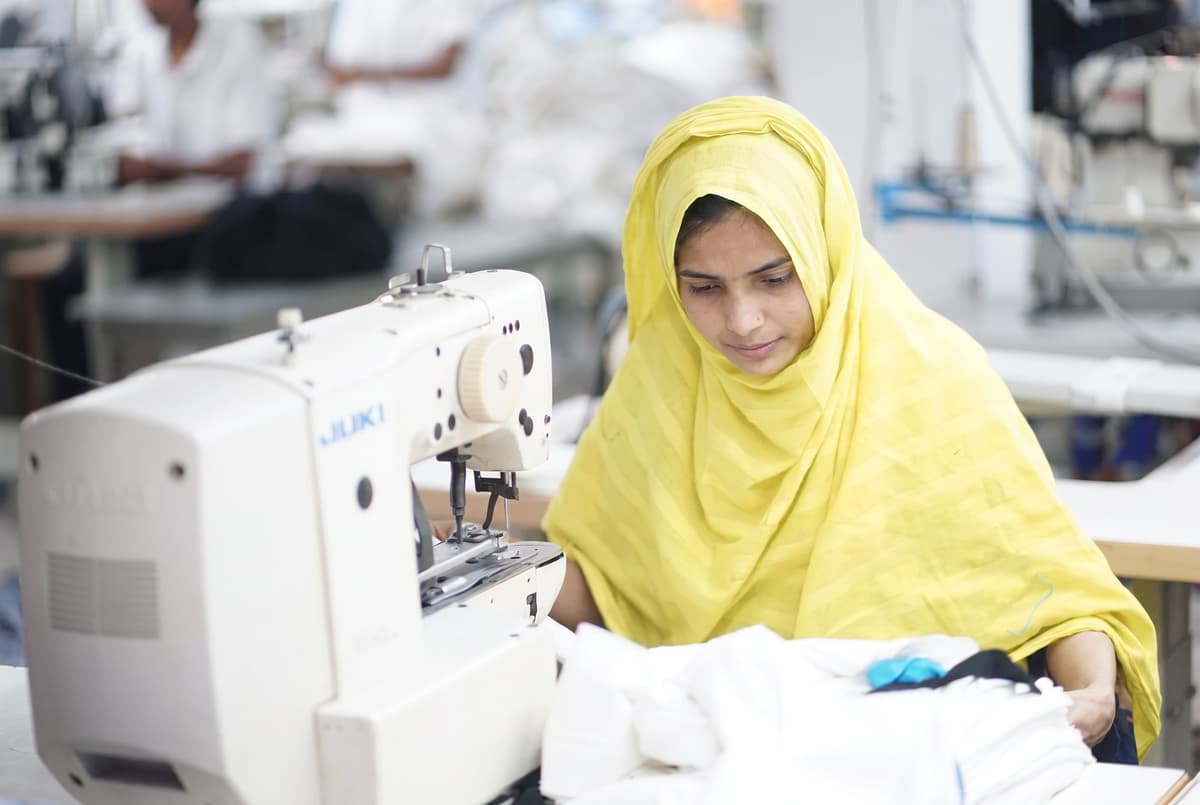
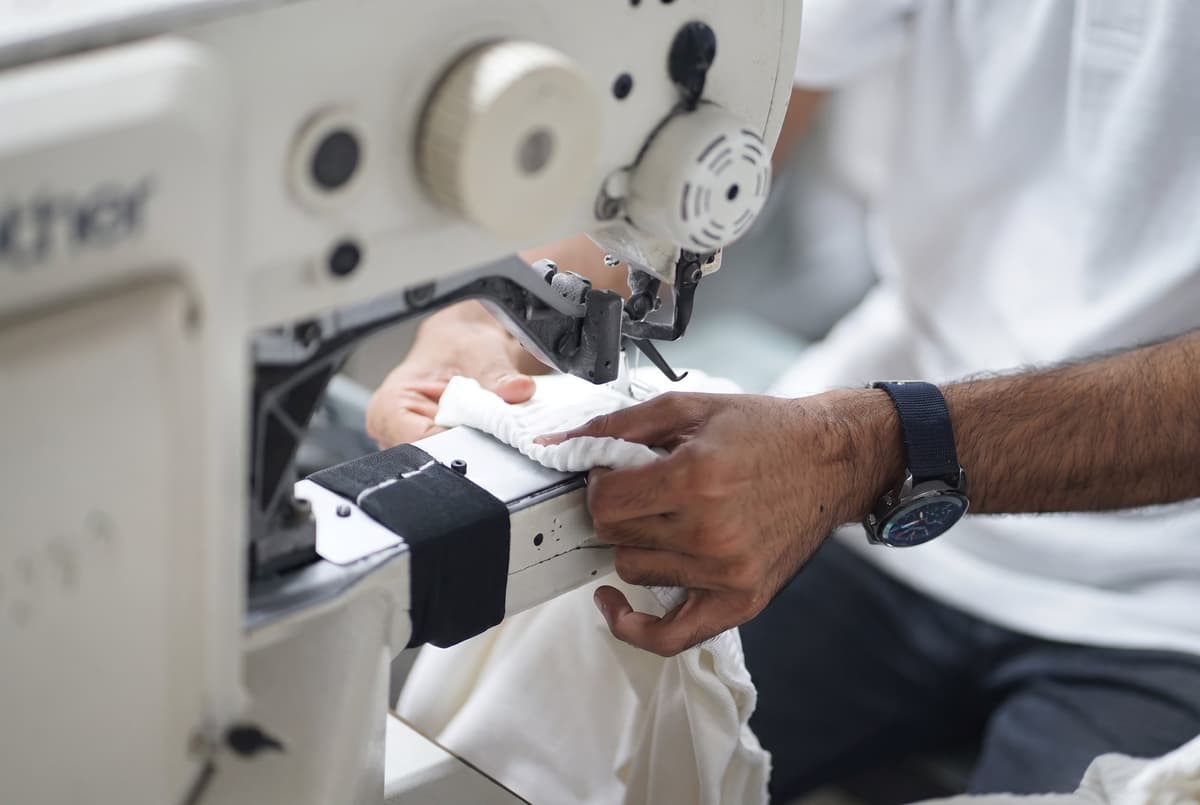
Made by our own team in Narayanganj. See the floor ↓Client reviews on Google ↗GOTS certificate RSC 9687 →
Most sourcing guides send a German founder looking for a clothing manufacturer for German brands straight to the generic EU page — and the EU-wide facts there do apply here, since Germany is an EU member. What that page can't tell you is the one number that's actually German, not European: VAT. The EU sets a minimum VAT floor, but each member state sets its own rate above it, and Germany's is 19% — not the 21%, 23% or 20% you'd pay landing the identical order in the Netherlands, Poland or the UK.
On duty: Bangladesh-made apparel enters Germany, like the rest of the EU, under the Everything But Arms arrangement for least-developed countries — currently 0% duty. Bangladesh was scheduled to graduate from LDC status on 24 November 2026, but Bangladesh asked the UN in February 2026 to push graduation back; the UN Committee for Development Policy said an extension would be appropriate provided Bangladesh makes significant progress on domestic reforms during the extension, and in July 2026 the Economic and Social Council referred the request to the General Assembly. On 29 October 2026 the General Assembly granted it, so graduation is now scheduled for 24 November 2029. After graduation the EU's new GSP Regulation (EU) 2026/1395 keeps EBA for three years, so to about the end of 2032; we still confirm the live position for your order.
GPSR still applies the same way it does across the EU — Regulation (EU) 2023/988 requires a responsible person established in the EU and a technical file kept for ten years, and on organic orders our GOTS certification (RSC 9687) supplies the fibre, chemistry and traceability evidence that file needs. Import VAT itself is collected at the border by German customs (Zoll), calculated on the customs value of the shipment plus any duty and the transport and insurance costs to the first place of destination. On every 100 of border value, that's 19 in VAT at 19% before onward transport, and currently nothing in duty under EBA.
We ship DDP so that VAT is inside the number we quote before you commit, not a bill from Zoll that arrives separately — from a genuine 150-piece minimum with organic fabric available, sewn in our GOTS-certified facility. One honest note: if you're importing via a different EU member state and moving goods on to Germany afterward — common for brands warehousing in the Netherlands, where our own brand office sits — import VAT is collected wherever the goods first enter the EU, not necessarily in Germany. Tell us your actual routing and we'll confirm which applies.
| Bangladesh (our floor) | China | Vietnam | Turkey | Portugal | |
|---|---|---|---|---|---|
| Duty preference into Germany | Duty-free under Everything But Arms; single-transformation origin; kept three years after LDC graduation (verified 19 Sep 2026). 19% import VAT applies to every origin | No preference; the standard EU rate for the commodity code applies | EU–Vietnam trade agreement preferences apply only where its fabric-origin rules are met | EU–Turkey customs union: no duty on goods in free circulation | EU production: no import, no customs entry, no import-VAT event |
| Sea route to Germany | Via Suez to Hamburg or Bremerhaven; on our experience about four to five weeks by sea, five to eight days by air | Via Suez; a similar sea leg | Via Suez; a similar sea leg | Road; a few days | Road; a few days |
| Where it tends to be strongest | Cotton knit basics at low minimums, GOTS-certified production, landed cost | Breadth of fabrics, trims and technical construction | Large woven, outerwear and sportswear programmes | Speed to market, denim and knit, mid-range cost | Premium made-in-EU positioning, small runs, highest unit cost |
| Choose it when | You want cut-and-sew knitwear from 150 pieces with German VAT and the GPSR file handled | You need materials or constructions a knit specialist cannot source | You are placing large woven or performance programmes | You need weeks, not months, and can carry a higher unit cost | The made-in-Europe label is central to the brand and price is secondary |
Bangladesh-made apparel enters Germany at 0% duty under Everything But Arms. The UN General Assembly has moved Bangladesh's LDC graduation to 24 November 2029.
Each EU country sets its own VAT rate. Germany's is 19%, collected by Zoll on the customs value plus any duty and onward transport — we quote it inside one landed cost.
Launch or test in the German market with 150 pieces per style, per colourway.
On orders made under our GOTS certification, certificate RSC 9687 supplies the fibre, chemistry and traceability evidence your GPSR technical file needs.
Last verified: 19 September 2026, against the official sources listed under Sources below.
Germany applies the EU's common rules, so a garment cut and sewn on our floor enters duty-free under Everything But Arms on a single-transformation origin rule, and Regulation (EU) 2026/1395 keeps that access for three years after Bangladesh graduates from LDC status. What is German rather than European is the tax: Einfuhrumsatzsteuer at the standard rate of 19%, charged by Zoll on the customs value plus any duty and the transport and insurance costs to the first place of destination. Clothing is not among the reduced-rate goods.
On every 100 of border value that is 19 of import VAT before onward transport and no duty, which is the number in our specs table and inside our DDP price. If you are VAT-registered in Germany the import VAT is normally recoverable; if you clear the goods in another member state and move them to Germany afterwards, the import VAT is charged where the goods first enter the EU, so tell us the routing before we quote.
Confirm the live position for your commodity code with your broker or Zoll before pricing a range; we will state it for your order in writing.
Last verified: 19 September 2026, against the official sources listed under Sources below.
Fibre composition follows Regulation (EU) No 1007/2011: every fibre by generic name and percentage in descending order, durable and legible, and because Article 16(3) requires the official language of the member state, labels for Germany are in German. We sew them to your artwork. Country of origin is not required by that regulation, though customs paperwork states it and any Made-in claim must be true.
Since 13 December 2024 the General Product Safety Regulation (EU) 2023/988 requires an EU-established responsible economic operator, the manufacturer's name and postal and electronic address on the product or packaging, a risk analysis and technical documentation kept for ten years; on an organic order, GOTS certificate RSC 9687 supplies the fibre, chemistry and traceability evidence behind that file. REACH Annex XVII entry 43 bans azo dyes that release listed aromatic amines above 30 mg/kg in textiles worn against the skin, and EN 14682 governs cords and drawstrings on children's clothing.
One German-specific duty is often missed by new brands: under German packaging law (since 12 August 2026 the EU Packaging and Packaging Waste Regulation and Germany's implementing act, the VerpackDG) whoever first places packaged goods on the German market must register in the LUCID packaging register and join a dual system for the packaging's recycling, and that includes the shipping cartons and polybags an online brand sends out. A company without a German establishment appoints an authorised representative for the licensing duties. It is your obligation as the brand, not ours, but we pack to whatever specification your system requires.
We quote DDP, delivered duty paid, to any German address: freight, the customs entry, the import VAT and delivery inside one landed price, with the commercial invoice, packing list and origin statement sent to you before the goods move. In our experience sea freight reaches Hamburg or Bremerhaven about four to five weeks after leaving Chattogram and air freight adds five to eight days door to door; brands warehousing in the Netherlands often clear at Rotterdam instead, near our own office.
Bangladesh Standard Time is UTC+6 with no daylight saving, four to five hours ahead of Germany. Our floor works Saturday to Thursday, 09:00 to 17:00, so your morning overlaps our afternoon, and our Amsterdam office, in your time zone, covers the rest of the day for design conversations, samples and compliance paperwork, in English or German.
Last verified: 19 September 2026, against the official sources listed under Sources below.
Bangladesh is scheduled to graduate from UN Least Developed Country status on 24 November 2029. In February 2026 it asked for an extension; the UN Committee for Development Policy said one would be appropriate provided Bangladesh makes significant progress on domestic reforms during the extension, and in July 2026 the Economic and Social Council referred the request to the General Assembly (UN LDC portal). On 29 October 2026 the General Assembly granted a three-year extension, moving graduation from 24 November 2026.
For a German order the consequence is bounded: EBA continues for three years after graduation on 24 November 2029, so to about the end of 2032. German import VAT is unaffected by any of it.
Wonderful people to work with — very professional and knowledgeable, also accommodating to the needs of their customers.
I have had a very good experience with this company. They are very friendly, professional, and provide fast service. They speak fluent English, which makes communication very easy. The quality of their manufacturing is excellent. I have no doubt in recommending this company to anyone looking for a reliable manufacturing partner in Bangladesh.
Collective Studios under the direction of Mr Jamish and his daughter Homaira represent the future of RTW production in Bangladesh. A thorough approach to detail governed by a genuine standard of quality. Masters of and partners in the process!
No. A German brand pays 0% duty on garments we cut and sew in Bangladesh, because they qualify under Everything But Arms on a single-transformation origin rule. Germany applies the EU's common customs rules, so the rate is the same whether the goods clear in Hamburg, Bremerhaven or anywhere else in the EU. What stays German is the paperwork and the tax: when the goods clear in Germany, the customs entry is made with Zoll, and the 19% Einfuhrumsatzsteuer is charged whatever the duty. Regulation (EU) 2026/1395 keeps Everything But Arms for three years after Bangladesh graduates from LDC status; the graduation question on this page covers the dates. Before you price a range, confirm the rate for your commodity code with Zoll or your customs broker. We state the duty position for your order in writing with each quote, and because we ship DDP, the landed price you approve already reflects it.
Germany charges 19% import VAT, the Einfuhrumsatzsteuer, on clothing, because garments do not qualify for the reduced 7% rate. Section 12 of the Umsatzsteuergesetz sets the rate, and Zoll charges it on the customs value, plus any duty, plus transport from the EU border to the first destination inside the EU. With duty at 0% under Everything But Arms, every 100 of border value carries 19 of import VAT before onward transport. That VAT sits inside our DDP price, not in a separate bill from Zoll later. If your company is named as the importer and is VAT-registered in Germany, the import VAT is normally recoverable; ask us who is named on the entry. If the goods are cleared in another member state, such as the Netherlands, and move on to Germany afterwards, import VAT is charged in the member state where they clear, at that state's rate, so tell us the routing before we quote.
Not for about three years after graduation, so to roughly the end of 2032, as the rules stand. Bangladesh is due to leave the UN list of Least Developed Countries on 24 November 2029, and Regulation (EU) 2026/1395 keeps Everything But Arms for three years after graduation, so a German brand ordering now and reordering through 2032 can plan on 0% duty. Bangladesh asked the UN in February 2026 for a later date, the Economic and Social Council referred the request to the General Assembly in July 2026, and the General Assembly granted it on 29 October 2026; the extension moved the three-year window later, it did not remove it. Germany's 19% Einfuhrumsatzsteuer is unaffected either way. We state the duty position for your order in writing with each quote, and our LDC graduation guide tracks the decision.
Yes. We make from 150 pieces per style and per colour, so a German brand can test one tee or one hoodie in one colourway in the German market before committing to a full range. The minimum applies per colour as well as per style: a hoodie in black and in grey is two runs of 150, not one run of 150 split two ways, because each colour is its own fabric and dye lot. GOTS-certified production is available at the same minimum, so organic does not have to wait until your volumes grow. Samples, briefs and changes can run through our Amsterdam office, in your time zone and in English or German. The German label and packaging rules on this page apply at 150 pieces exactly as at 10,000, and the landed price is DDP either way. Model the style and colour split in our free MOQ calculator before you brief us.
Yes. Collective Studio Ltd makes hoodies and T-shirts for German labels in small runs, from 150 pieces per style and per colour, in organic cotton, made in our GOTS-certified facility (RSC 9687). A run of 150 organic cotton hoodies in one colour is a complete order, and a T-shirt in that colour is a second run of 150. Say at quote stage which styles are organic, because we also make conventional cotton ranges and the organic fabric is booked from certified mills. A transaction certificate can then be issued for the shipment. We send the scope certificate on request. Each garment is cut and sewn on our own floor in Narayanganj, Bangladesh, from your tech pack, a sketch or a garment to match, and printing and embroidery are done in the same building. Air freight to Europe takes 5 to 8 days once production is finished, and delivery is DDP to your address in Germany.
Yes, for the fibre composition. Article 16(3) of Regulation (EU) No 1007/2011 requires textile labelling in the official language of the member state where the garment is sold, so anything you sell in Germany needs German fibre names, each with its percentage, in descending order, on a durable and legible label. We sew that label to your artwork, and if you also sell into France or the Netherlands we can combine the languages you need on one label. The regulation does not make a country-of-origin label compulsory, although the customs paperwork states Bangladesh. Send the German wording with your tech pack: the label artwork is signed off at the same time as the pre-production sample, before the labels are made, so a wrong fibre name or percentage is caught before it is sewn into bulk rather than after the goods reach Germany. For care labels, hang tags and packaging, see our labels and packaging guide.
Yes, if your brand is the producer: under the EU Packaging and Packaging Waste Regulation, which has applied since 12 August 2026, that is usually the business that first makes the packaged goods and their shipping packaging available in Germany. The producer must register in the LUCID packaging register and take part in a system for the recycling of that packaging. For an online brand that includes the shipping cartons and polybags your customers receive, because packaging intended for shipment is always subject to system participation. It sits outside customs: duty-free entry and paid import VAT do nothing to satisfy it. A company not established in Germany must appoint an authorised representative, who takes on the packaging obligations except the LUCID registration itself, which stays with the producer. In most set-ups the obligation is yours as the brand rather than ours; if you are unsure who counts as the producer, check the register's guidance. We can pack to whatever specification your system requires.
It makes an EU-established economic operator, usually your company as the brand selling the garment under its own name, answerable for the safety of every garment you sell in Germany. Since 13 December 2024, Regulation (EU) 2023/988 has required a risk analysis, technical documentation kept for ten years, and the manufacturer's name with a postal and electronic address on the product or its packaging. For a German brand, that name and address can go on the same sewn label as the German fibre composition. For GOTS orders we can send our RSC 9687 scope certificate on request, to sit in that file alongside your own risk analysis. Two EU-wide rules also apply in Germany: REACH Annex XVII entry 43 bans azo dyes that release listed aromatic amines above 30 mg/kg in textiles worn against the skin, and EN 14682 governs cords and drawstrings on children's clothing, so tell us at the brief if a style is for children.
Portugal if Made in Europe is central to the brand and price is secondary, Turkey if you need speed to market and can carry a higher unit cost, and Bangladesh for cotton knit basics at low minimums, GOTS-certified production and landed cost. Portugal is EU production, so there is no import, no customs entry and no import-VAT event at the German border, and its unit cost is the highest of the three. Turkey is in a customs union with the EU, so goods in free circulation pay no duty into Germany, and its cost sits in the mid-range. Bangladesh, our floor, enters Germany duty-free under Everything But Arms, with the 19% import VAT that any non-EU origin pays, and suits cut-and-sew knitwear from 150 pieces per style and colour. For large woven or outerwear programmes, Vietnam may suit you better. This is our own view for orientation, not a price comparison or a quote; our Asia comparison goes further.
Sampling takes about ten days, bulk production forty to fifty days once the pre-production sample is approved, then freight on top. Sea freight typically lands at Hamburg or Bremerhaven within four to five weeks of leaving Chattogram. Air freight adds roughly five to eight days door to door and suits a launch date or a first order where speed matters more than cost. We ship DDP either way, so German VAT and clearance at the border are handled on our side, and you receive one landed cost and one delivery. Onward delivery to any German address is inside that price. Before the goods move, we send you the commercial invoice and packing list, so your German warehouse knows exactly what is arriving. Our Amsterdam office, in your time zone, handles the compliance paperwork in English or German, and if the goods will clear in another member state, the VAT question above explains why that changes the import VAT. From order to your door, plan on about 70 days by air.
We ship there: Collective Studio makes clothing for German brands in its own factory in Narayanganj, Bangladesh, not in Germany, and delivers it DDP to any German address. If your brand needs a Made in Germany label, we are the wrong partner, because any Made-in claim printed on a garment must be true. What a German brand gets instead is cut-and-sew knitwear, from tees and hoodies to joggers, activewear and loungewear, made from 150 pieces per style and colour, entering Germany duty-free under Everything But Arms, with the 19% Einfuhrumsatzsteuer inside one landed price. Our Amsterdam office, at Soetendaal 61, works in your time zone on design conversations, samples and compliance paperwork, in English or German. If production inside the EU matters more to you than price, the comparison of Bangladesh, Portugal and Turkey on this page sets out the trade-offs. This page is also available auf Deutsch.
Trade and regulatory details on this page last verified 19 September 2026. Tariff and compliance terms change — ask us to confirm the current position for your order.
Whether it’s a large bulk or wholesale run or your first batch of 150, send a sketch, a reference, or a sentence. We’ll reply within one business day with fabric options and an indicative price.
Or message the factory directly: WhatsApp +880 1980 055026 · hello@collectivestudioltd.com · Homaira replies within one business day.