Printing + manufacturing
We make the garment and print it — one partner, consistent quality.
Durable custom screen printing on garments made to your design — bold, long-lasting prints on tees, hoodies and more, from 100 pieces.
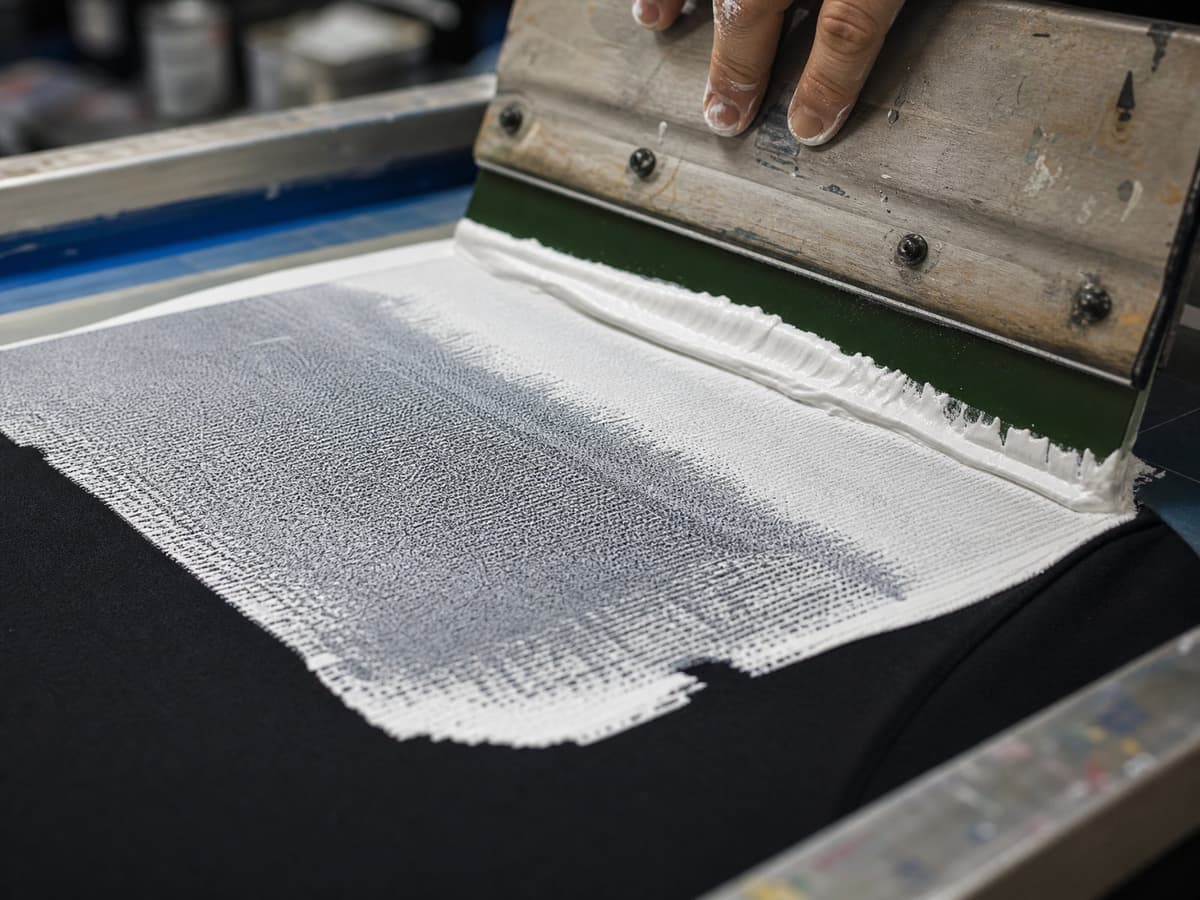
Screen printing works by pushing ink through a mesh stencil, one colour at a time — which is why the pricing shape is the opposite of digital printing: a screen has to be burned and set up for every single colour in your design before the first shirt runs. That setup cost is why a simple one- or two-colour logo is cheap at volume, and why a six-colour photographic design gets expensive fast — each colour is its own screen, its own pass, its own alignment. For a bold, few-colour logo on a real run, nothing beats it on durability or cost per piece.
We offer screen printing as part of full garment manufacturing, so the print goes onto pieces we make to your spec rather than blanks bought in from elsewhere. We run both water-based inks (softer hand-feel, sinks into the fabric, better for lighter garments and more breathable prints) and plastisol where the design calls for it (sits on top of the fabric, more opaque, the standard choice for bold colour on dark garments) — plus puff, high-density, and metallic finishes.
If your design is detailed, photographic, or uses a lot of colours, we'll say so plainly that DTG or a different method will serve it better rather than push you into a technique that's a bad fit for the artwork.
We make the garment and print it — one partner, consistent quality.
Custom printed pieces from 100 per style, per colourway.
Best cost-per-piece and longevity for bold, few-colour designs at volume — each colour is a separate screen, so simpler designs are the most cost-effective.
Water-based for a softer hand-feel and breathability; plastisol for bold opacity on dark garments. We'll recommend which fits your design.
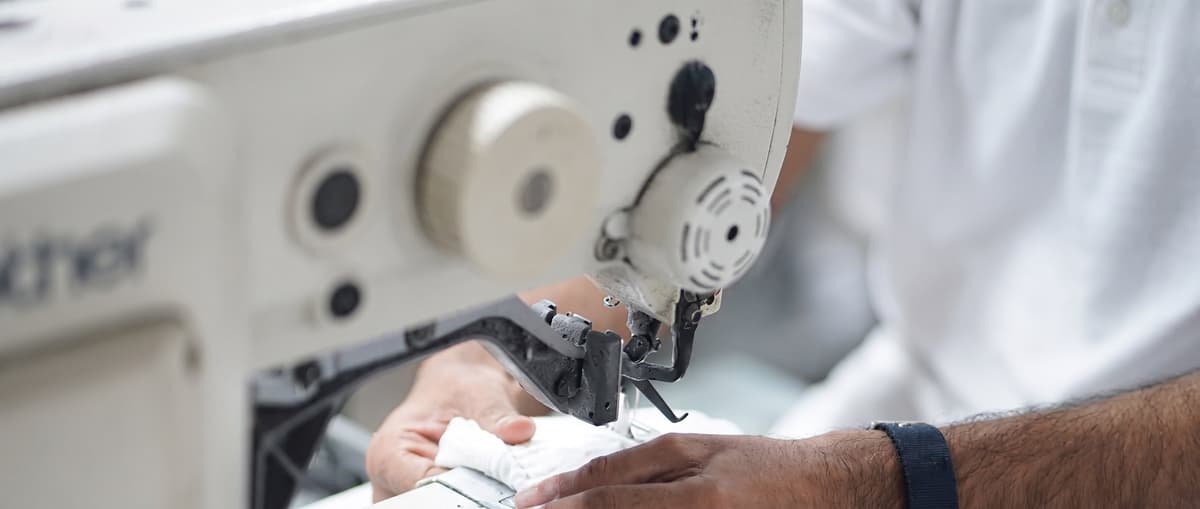
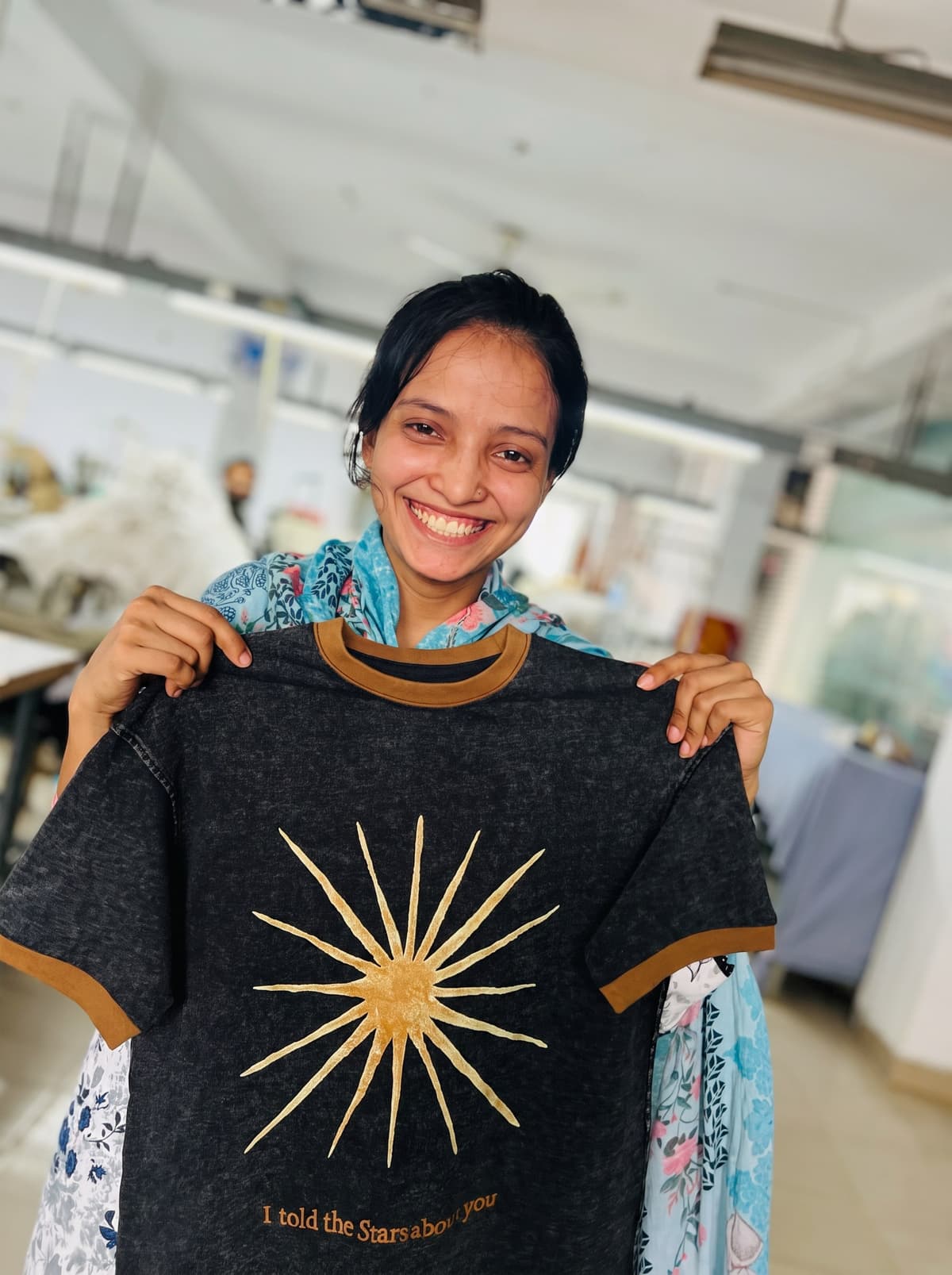
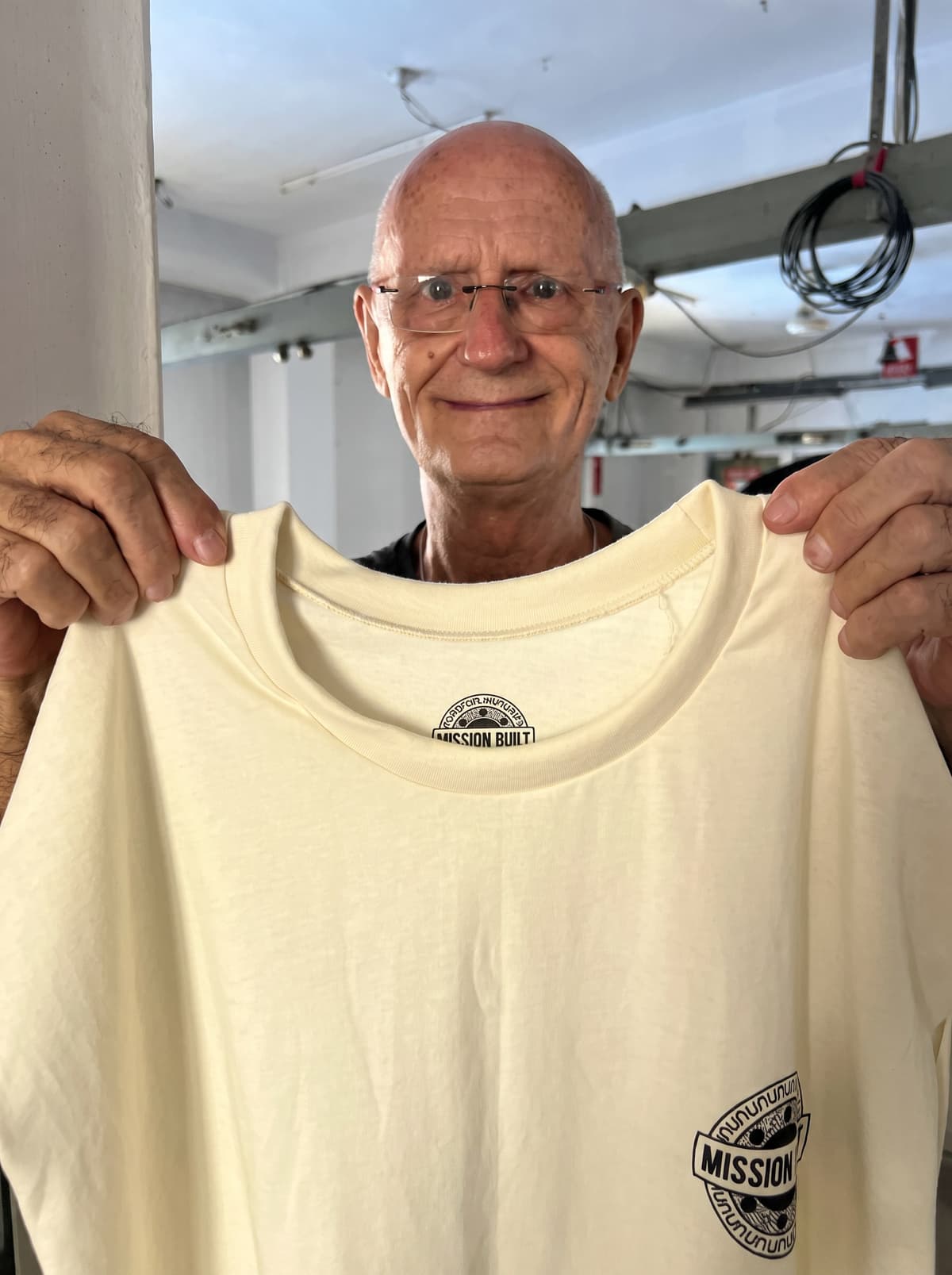
Collective Studios under the direction of Mr Jamish and his daughter Homaira represent the future of RTW production in Bangladesh. A thorough approach to detail governed by a genuine standard of quality. Masters of and partners in the process!
Talk to the factory directly: +880 1980 055021 · hello@collectivestudioltd.com
Both, in the same building. That matters more than it sounds. When printing is subcontracted, the printer receives finished garments and has no say in how they were built — so if the fabric is too textured to hold fine detail, or the seam sits exactly where the design needs to be flat, nobody finds out until the ink is already down. Because we specify the fabric and then cut, sew and print it under one roof, the print is planned alongside the garment: we place seams clear of the print area, choose a fabric that takes the ink you want, and print flat panels before assembly when a design runs across a seam. It also means one supplier is accountable when something goes wrong, instead of two pointing at each other.
One hundred pieces per style, per colour. Screen printing's setup cost scales with the number of ink colours rather than the number of garments: every colour in your design needs its own film, its own screen, its own coating and exposure, and its own alignment on the press. A four-colour design is four of everything before a single shirt is printed. That is why a hundred one-colour tees and a hundred four-colour tees are priced very differently, and why the same design gets dramatically cheaper on a reorder — the screens already exist. If your budget is tight, reducing the colour count usually saves more than reducing the quantity, and we will show you both numbers so you can choose.
Plastisol sits on top of the fabric; water-based ink sinks into it. That single difference drives everything else. Plastisol gives brighter, more opaque colour, especially on dark garments, and is more forgiving to print — it is the industry default for a reason. But it forms a layer you can feel, it can crack on high-flex areas over time, and it makes a heavy print on a lightweight tee feel like a plastic panel. Water-based ink dyes the fibre, so the print has almost no hand feel and ages by softening rather than cracking. It is harder to print, less opaque on dark colours, and generally costs more. Our default for premium and organic ranges is water-based or discharge; for high-contrast graphics on dark garments, plastisol is still often the right answer.
Because screen printing prices by colour, not by garment. Every colour in your design needs its own film, its own screen coated and exposed, and its own station aligned on the press. A four-colour design is four of everything before a single shirt is printed, and every additional colour adds another setup and another registration step where things can go slightly out of alignment. That cost is fixed per run, which is why the difference between a one-colour and a four-colour print is dramatic at a hundred pieces and much smaller at a thousand. It is also why reorders are noticeably cheaper — the screens already exist. If budget is tight, reducing the colour count almost always saves more than reducing quantity, and we will show you both numbers.
Screen printing for anything you are producing at volume. It gives a lower cost per piece, a more durable result on cotton, and access to inks DTG cannot use — water-based, discharge, puff, metallic. The cost driver is colour count, since each colour needs its own screen, so a one or two colour design is dramatically cheaper than a six colour one. DTG makes sense in the opposite case: a photographic design, a gradient, or many colours, where screen printing becomes impractical, and in small quantities where setup would dominate. It is the less durable of the two and the cost per piece barely falls with volume. If your design is a logo or simple graphic and you are ordering a hundred or more, screen print is almost always the right call.
Trade and regulatory details on this page last verified 30 July 2026. Tariff and compliance terms change — ask us to confirm the current position for your order.
Whether it’s a large bulk or wholesale run or your first batch of 100, send a sketch, a reference, or a sentence. We’ll reply within one business day with fabric options and an indicative price.