Pool or ocean — different fabric
Chlorine degrades standard elastane. For pool wear we spec chlorine-resistant elastane or PBT polyester; for ocean and resort, nylon/spandex feels better. We'll ask which before quoting.
Custom swimwear, made to your design — bikinis, one-pieces, swim shorts and rash guards in performance fabrics, with full branding and worldwide delivery.
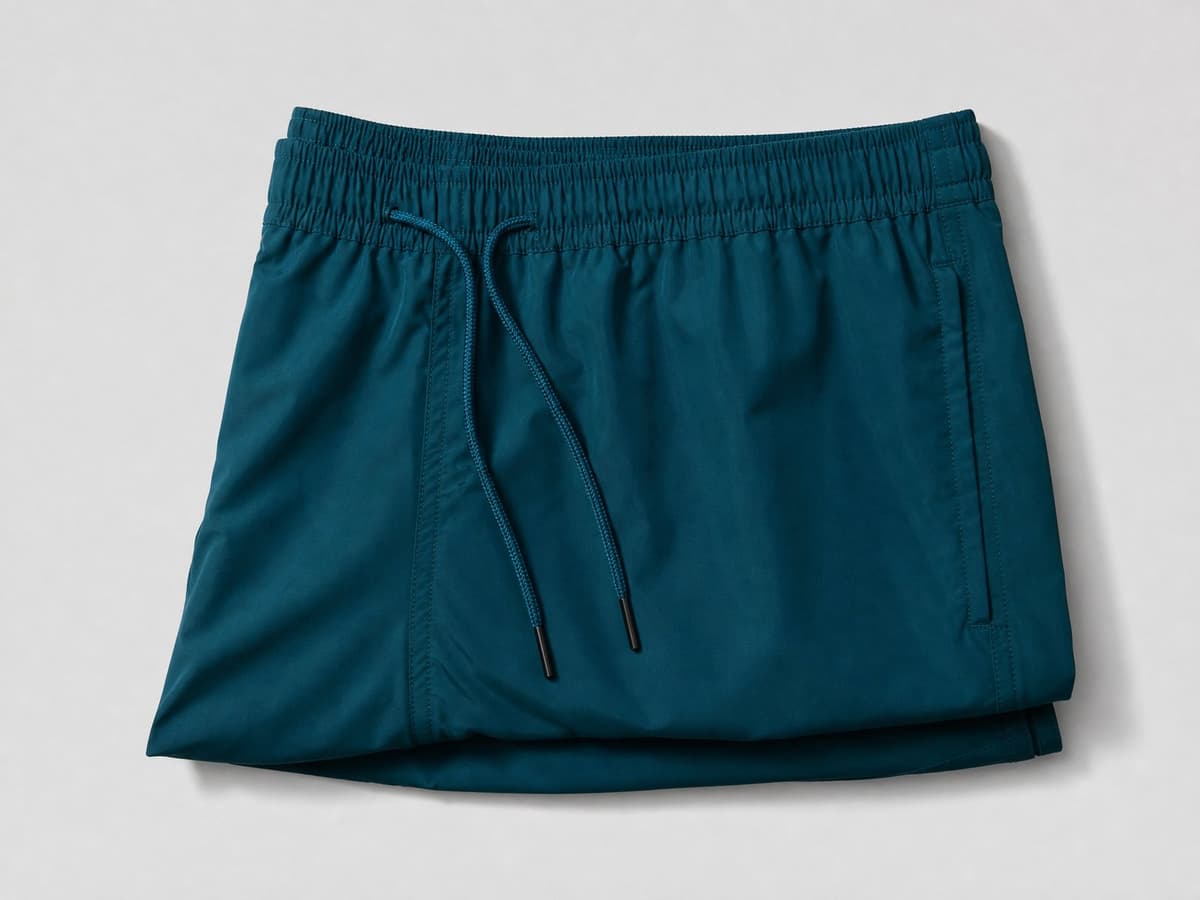
The question that decides your swimwear fabric is where it's going to be worn, and most brands don't get asked it. Standard elastane degrades in chlorine — a pool-worn bikini in ordinary nylon/spandex will start to bag out and lose recovery within a season. If your customer swims in pools, you want either a chlorine-resistant elastane or a PBT polyester construction, which is inherently chlorine-proof because the stretch comes from the polymer itself rather than an added elastomer. For ocean and resort wear, standard nylon/spandex is fine and feels considerably nicer against the skin.
Nylon versus polyester is the other real trade-off. Nylon is softer, has better drape and a more luxurious hand — it's what most premium swim brands use. Polyester holds colour better under UV, resists chlorine better, and dries faster, but never feels quite as good. Recycled nylon (regenerated from waste including reclaimed fishing nets) is available and performs essentially identically to virgin nylon, which makes it one of the easier sustainability swaps in apparel — unlike a lot of "eco" substitutions, you don't give anything up.
Two construction points that matter more in swim than anywhere else: lining isn't optional if you care about opacity when wet — fabric that looks opaque dry can become transparent wet, and this is the single most common swimwear complaint. And the elastic in leg and neck openings needs to be chlorine-resistant too; there's no point specifying chlorine-proof shell fabric and then using standard rubber elastic that perishes first. We make bikinis, one-pieces, swim shorts and rash guards, with sublimation printing for all-over custom patterns.
Chlorine degrades standard elastane. For pool wear we spec chlorine-resistant elastane or PBT polyester; for ocean and resort, nylon/spandex feels better. We'll ask which before quoting.
Fabric that's opaque dry can go sheer wet — the most common swimwear complaint. Proper lining is specced in, not treated as an upgrade.
Regenerated nylon performs essentially identically to virgin — one of the few sustainability swaps where you give nothing up on hand-feel or durability.
Sublimation printing on polyester-based swim fabric for seam-to-seam patterns with no print boundary.

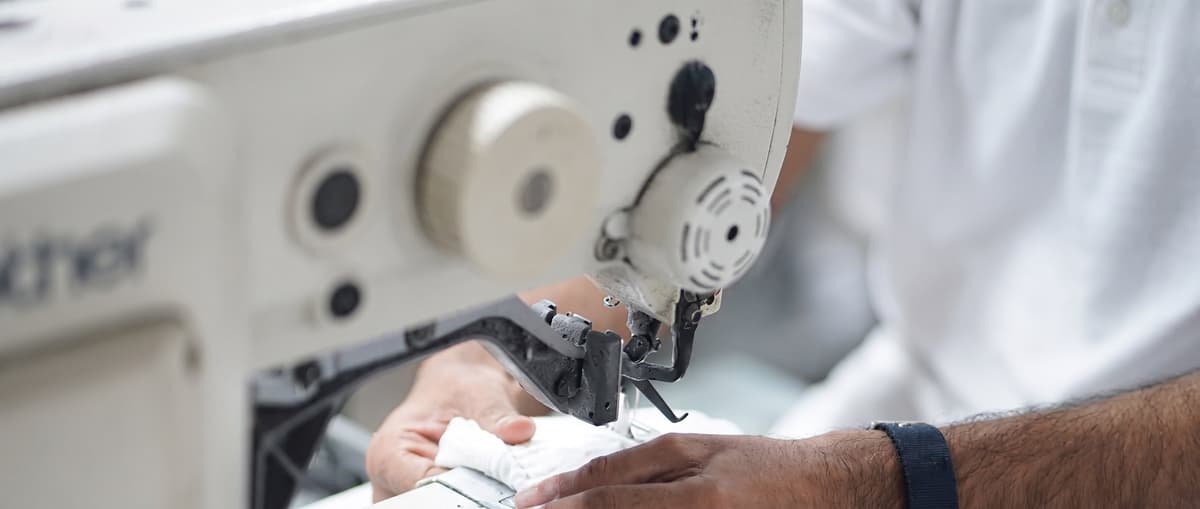
I have had a very good experience with this company. They are very friendly, professional, and provide fast service. They speak fluent English, which makes communication very easy. The quality of their manufacturing is excellent. I have no doubt in recommending this company to anyone looking for a reliable manufacturing partner in Bangladesh.
Talk to the factory directly: +880 1980 055021 · hello@collectivestudioltd.com
Yes, one hundred pieces per style, per colour. Swimwear is among the more technical things we make, and the sampling stage carries more weight than the quantity does. Recovery fabric, usually a nylon or polyester elastane blend, has to be matched to the pattern because different fabrics stretch differently and a pattern cut for one will not fit correctly in another. Linings, gripper elastic, adjustable hardware and chlorine resistance all get specified before cutting. Seams are typically flatlocked or bonded rather than overlocked, so they lie flat against skin when wet. Because all of that is agreed once and carried into every reorder, second runs are considerably quicker. Expect the first sample round to take longer than on a jersey garment.
The fabric you specify decides this, so choose deliberately rather than by default — the two common options age very differently in a pool. Standard nylon-elastane degrades relatively quickly in chlorinated water — the elastane breaks down, the fabric goes slack and slightly transparent, and a suit worn regularly in a pool can lose its shape within a season. Polyester-elastane holds up considerably better, and polyester with PBT or a chlorine-resistant elastane better still; that is what competitive swimwear uses. The trade-off is hand feel, since nylon is softer. If your customer is a pool swimmer, specify chlorine-resistant and say so on the label — it is a genuine selling point. If the range is resort and beach, standard nylon is fine and feels nicer. Tell us the use case and we will spec it accordingly.
Nylon feels better; polyester lasts longer. Nylon has a softer hand and a slightly more luxurious drape, which is why premium swim often uses it, but it is more vulnerable to chlorine and UV, so a pool-worn nylon suit degrades faster. Polyester holds colour and structure far better against both, which makes it the standard for competitive and pool swimwear and increasingly for resort pieces expected to survive a season. Polyester also takes sublimation printing, which nylon does not do well — so if you want an all-over print, that decides it for you. Both are blended with elastane for stretch. Our usual recommendation: polyester for anything sold as performance or expected to see chlorine, nylon where hand feel is the selling point and the wear is mostly beach.
Front lining is standard on women's swim and effectively expected; full lining is a quality and price decision. The lining does three jobs: it stops the fabric going sheer when wet, it improves the feel against skin, and it adds a layer of structure that helps the garment hold shape. Men's swim shorts usually use a mesh liner instead, which serves a different purpose. Skipping lining entirely saves cost and is common at the budget end, but it is the single most visible corner-cut in swimwear — a customer notices the moment the suit gets wet. We use a knitted polyester or nylon elastane lining matched to the shell's stretch, because a lining that does not stretch the same amount as the outer fabric will pucker or restrict.
All-over patterns, repeats and placement prints, yes — the method depends on your fabric. On polyester we sublimate, which puts the design inside the fibre with no hand feel and lets a pattern run across seams without breaking. On cotton it is screen printing for a defined repeat, or a printed fabric sourced to your artwork if the pattern needs to cover the whole garment. The thing worth knowing early is that a true all-over pattern is a cut-and-sew job: the fabric is printed flat and the garment assembled afterwards, so the artwork has to be laid out against the pattern pieces before cutting. That is done once and reused. Send us the repeat as a vector file with the tile dimensions and we will tell you honestly how it will behave at garment scale.
Trade and regulatory details on this page last verified 30 July 2026. Tariff and compliance terms change — ask us to confirm the current position for your order.
Whether it’s a large bulk or wholesale run or your first batch of 100, send a sketch, a reference, or a sentence. We’ll reply within one business day with fabric options and an indicative price.