Structured or unstructured caps
Buckram-stiffened front panels give embroidery a firm surface and hold the crown up; unstructured dad caps slouch by design but pucker under a large logo. We'll match the build to your artwork.
Custom caps and hats, made to your design — beanies, bucket hats, and tote bags to round out your range, with full branding and worldwide delivery.
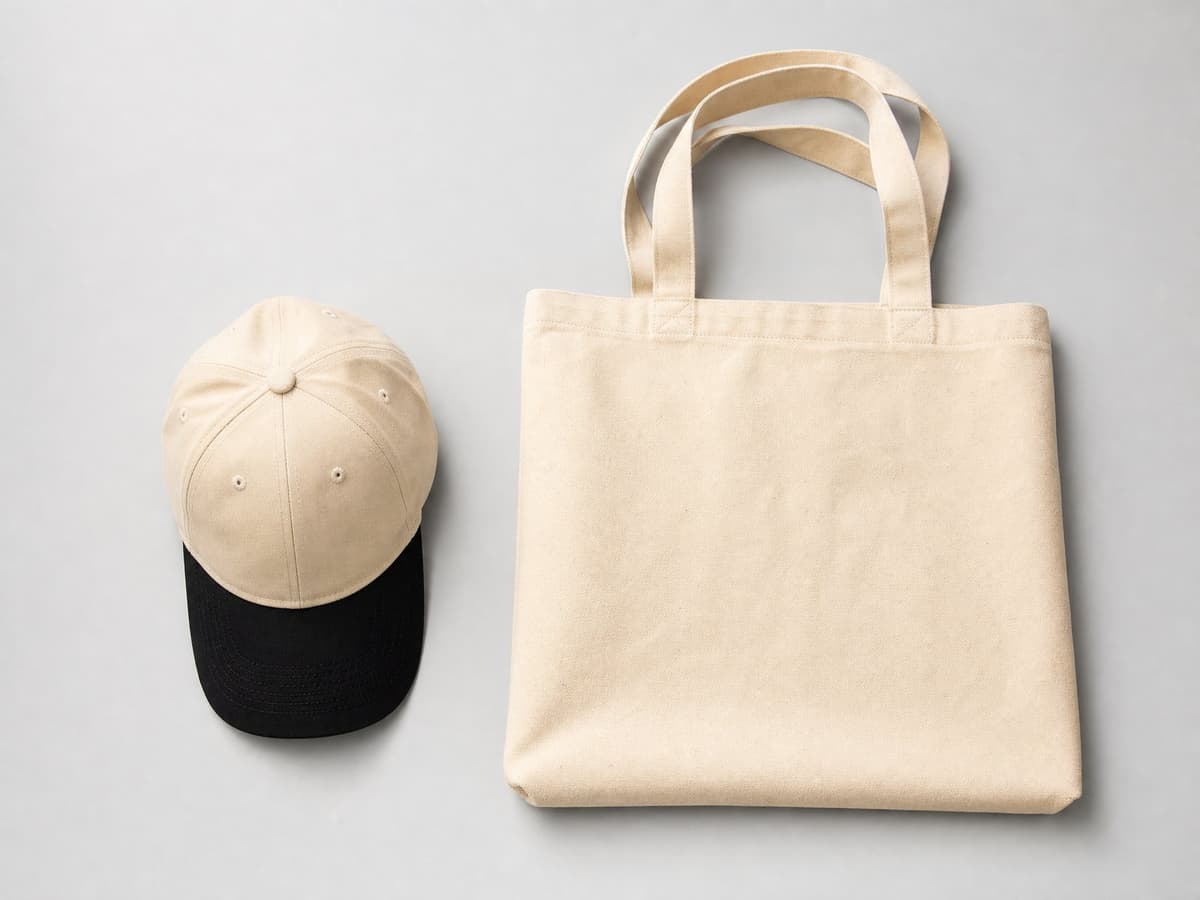
Caps are where most accessory orders go wrong, and it comes down to one choice: structured or unstructured. A structured cap has buckram stiffening in the front panels, so the crown stands up on its own and gives embroidery a firm, flat surface to sit against. An unstructured cap — the "dad cap" — has no stiffening, so it slouches and moulds to the head. That's the intended look, but it also means a large embroidered logo will pucker the soft panel. If your design is a big front logo, you want structured; if you want the relaxed dad-cap silhouette, keep the embroidery small.
Panel count follows from that. A 6-panel cap has a seam running down the centre front, which means a centred logo has to sit either side of it or be small enough to clear it. A 5-panel has one continuous front panel with no centre seam — better for a wide logo or a patch, and a distinctly different look. Then closure: snapback, strapback, or fitted, each changing both the price and the market the cap reads to.
On bags, the number that matters is canvas weight in ounces. A 5–6 oz tote is a giveaway bag; it's fine, but it'll sag under weight and won't be kept. 10–12 oz canvas is where a tote becomes something people actually use for groceries and keep for years — which is the entire point if it's carrying your brand around a city. Add a gusseted base if it needs to stand up, and reinforced bar-tacked handle joins, because the handle-to-body seam is where every cheap tote fails first.
Buckram-stiffened front panels give embroidery a firm surface and hold the crown up; unstructured dad caps slouch by design but pucker under a large logo. We'll match the build to your artwork.
6-panel has a centre front seam your logo must work around; 5-panel gives one clean uninterrupted front for wide logos and patches.
10–12 oz canvas makes a tote people keep and use. 5–6 oz is giveaway weight — fine, but it sags and gets discarded, taking your branding with it.
Bar-tacked handle joins and gusseted bases — the handle-to-body seam is where every cheap tote gives out first.
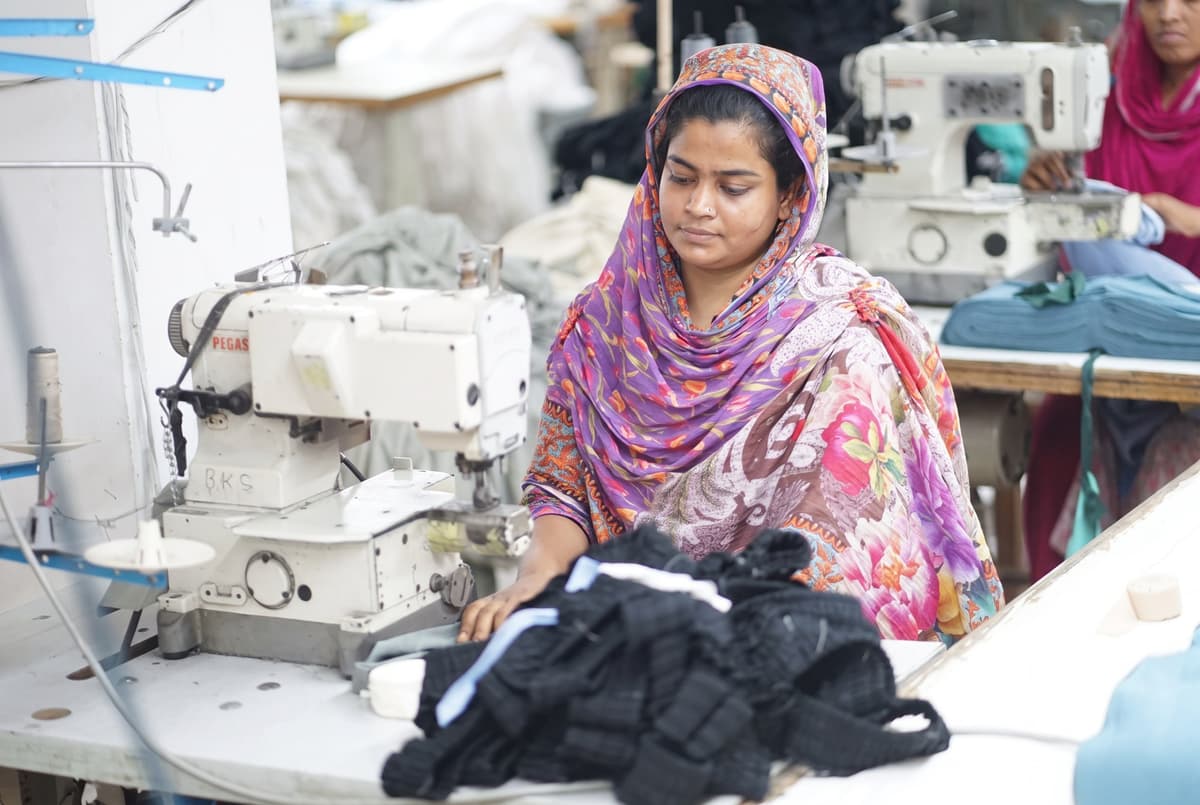
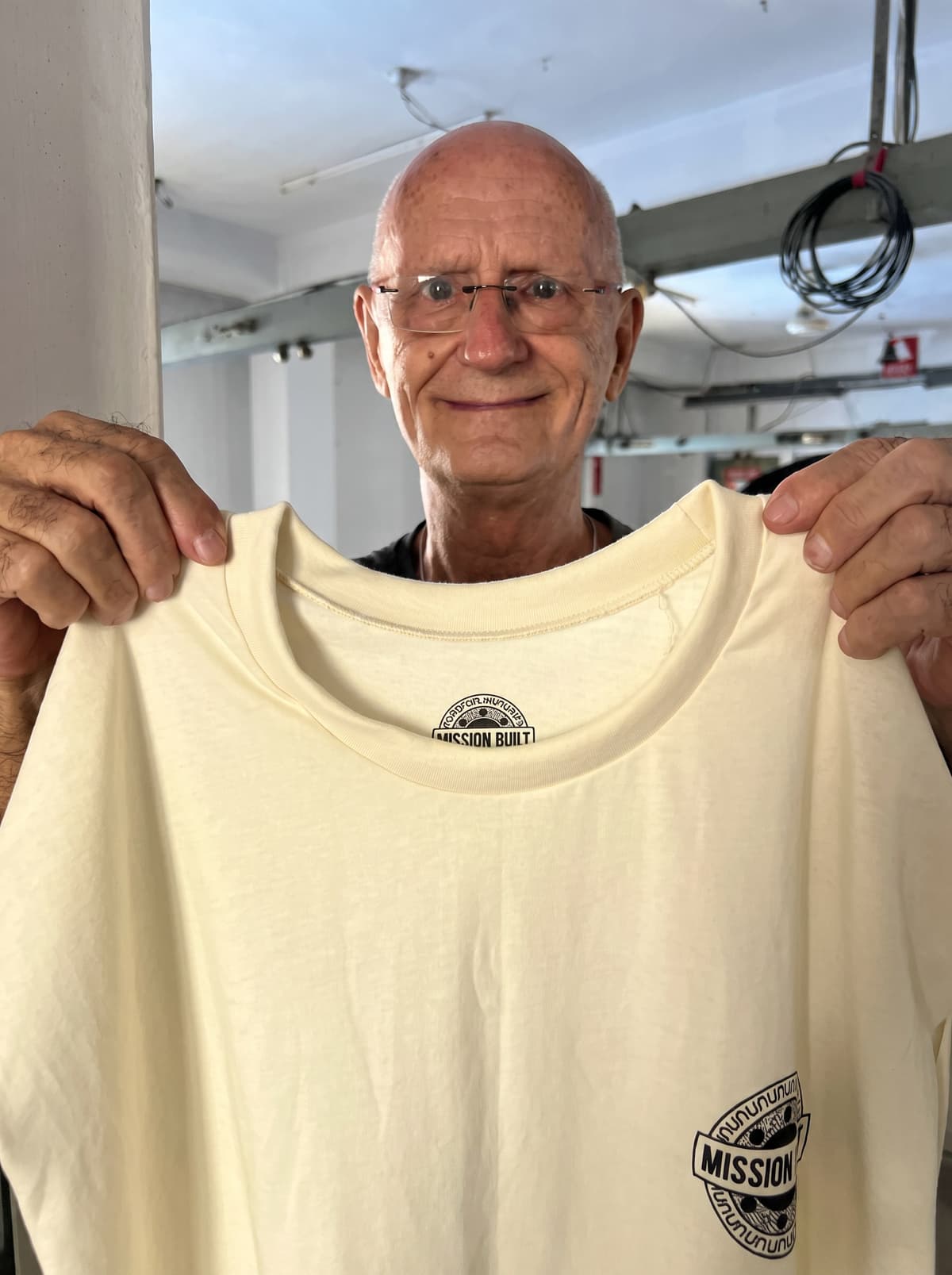
Nice supplier that is looking to develop new buyers and products.
Talk to the factory directly: +880 1980 055021 · hello@collectivestudioltd.com
Knitted and cut-and-sew accessories rather than hardware: beanies, bucket hats, caps, scarves, headbands, socks, tote bags, drawstring bags, pouches and scrunchies. These are the pieces that round out a clothing range and, in practice, the ones that sell fastest at a lower price point — a beanie or a tote often outsells the garment it was designed to accompany. What we do not make is anything requiring moulded plastic, metal hardware, leather or injection tooling; that is a different factory with different machines, and we'll say so upfront rather than quietly subcontracting it out to someone else. Minimums are the same hundred pieces per style per colour, and accessories often share a fabric lot with the main range.
Structured if you want the crown to stand up on its own, unstructured if you want it to sit down on the head. A structured cap uses buckram stiffening in the front panels, so it holds a tall, defined shape straight out of the box and gives embroidery a firm surface to sit on — that is the classic baseball silhouette and it is what most sports and corporate caps use. An unstructured cap has no stiffening, so it collapses softly and moulds to the wearer, giving the lower, more relaxed dad-cap look that streetwear favours. The practical trade-off is decoration: dense embroidery on an unstructured front can pucker without a backing, so large logos generally work better structured. Tell us the look and we will spec the backing to suit.
The number of fabric pieces forming the crown, and it changes both the look and where you can decorate. A 6-panel has a seam running down the centre front, dividing the front into two panels, plus a button at the top where all six meet. That centre seam limits embroidery to one side or requires the design to work around it. A 5-panel has a single unbroken front panel, which gives a flat uninterrupted surface — better for larger logos and the reason skate and streetwear brands favour it. The 5-panel also sits flatter and less structured on the head; the 6-panel is the classic baseball shape and holds a taller crown. Neither is better made. Choose by where your logo needs to sit and which silhouette suits your brand.
Between 10oz and 16oz for anything meant to be used rather than given away. Lighter cotton, around 5 to 8oz, is what promotional totes are made from — it folds flat, prints fine, and stretches out of shape once anything heavy goes in. A 12oz canvas holds its structure, stands up on its own when loaded, and survives years of use; 16oz is genuinely heavy-duty and reads as a premium product, at a noticeably higher fabric cost. The other decisions that matter more than people expect: handle length, since a shoulder-carry tote needs roughly 60cm straps against 30cm for hand-carry, and whether the base is boxed or flat. Reinforced stress-point stitching at the handle joins is where cheap totes fail first.
GOTS-certified organic cotton under certificate RSC 9687, recycled polyester, linen and viscose blends, and natural undyed options. The honest framing is that none of these is impact-free and anyone telling you otherwise is selling something — organic cotton still uses water, recycled polyester still sheds microfibres. What separates a real claim from a marketing one is whether someone independent has checked it, which is why we lead with a certificate number you can verify in the GOTS public certificate database rather than an adjective on a hangtag. Certified fabric costs more per kilo and comes in its own lot minimums, so it lands harder on small runs and on heavier garments. If you are unsure whether the premium is recoverable in your market, say so and we will price both routes.
Trade and regulatory details on this page last verified 30 July 2026. Tariff and compliance terms change — ask us to confirm the current position for your order.
Whether it’s a large bulk or wholesale run or your first batch of 100, send a sketch, a reference, or a sentence. We’ll reply within one business day with fabric options and an indicative price.