Made to your design
Fit, fabric, weight, rib, pockets, label and packaging are yours to decide. We build the pattern and tech pack with you if you arrive with a sketch.
Custom clothing made to your design — from a sketch or a tech pack to a sealed sample and a production run of 100 pieces per style, on our own floor in Bangladesh, delivered DDP to your door.
Collective Studio is a custom clothing manufacturer in Narayanganj, Bangladesh: knitwear made to your design from a sketch, a reference garment or a tech pack, sampled and sealed before bulk, from 100 pieces per style and colour, in roughly 40–50 days, with GOTS organic cotton under RSC 9687 and DDP delivery. This page is the process, step by step.
Or message the factory directly: WhatsApp +880 1980 055026 · hello@collectivestudioltd.com · Homaira replies within one business day.
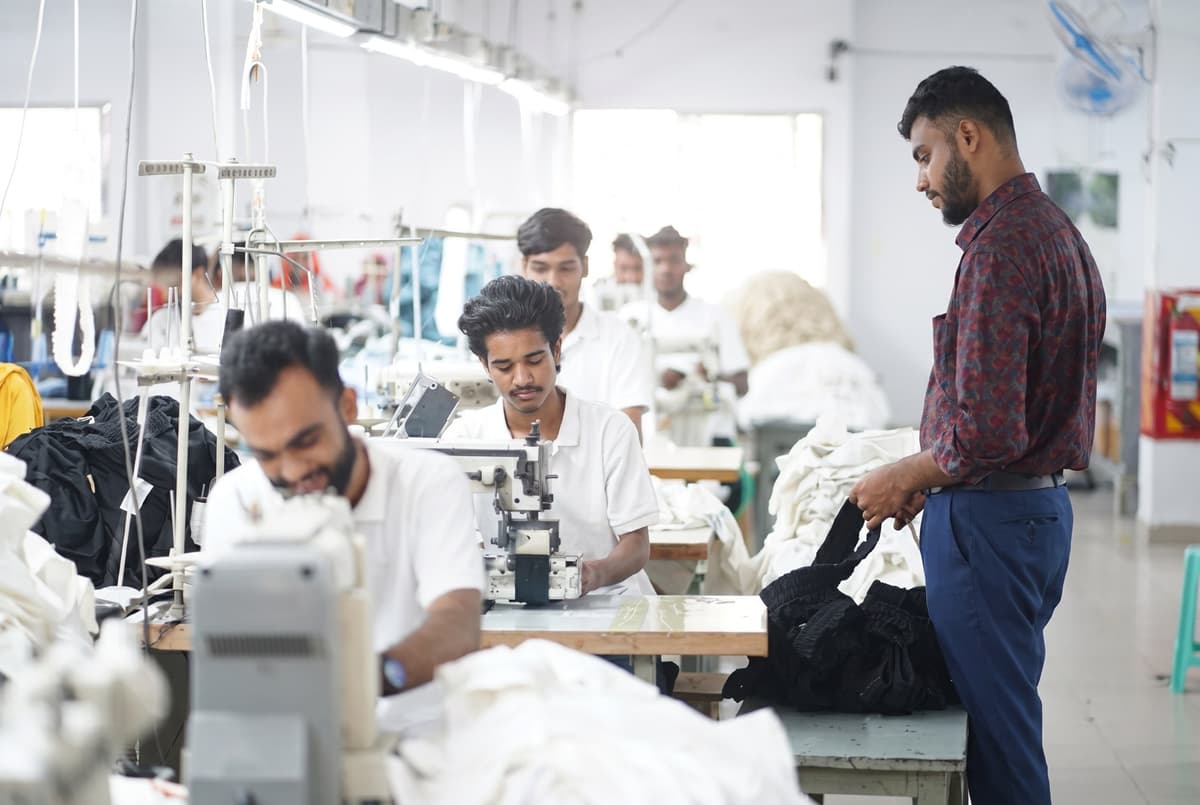
A custom clothing manufacturer makes the garment you designed, not the garment they happen to stock. That sounds obvious and it is not: most of what a search for the phrase returns is either a blank-printing service, where the only custom element is the print, or a wholesaler with a catalogue of fixed styles. Collective Studio is a family-run cut-and-sew factory in Narayanganj, Bangladesh, and custom means the fit, the fabric, the weight, the rib, the pocket, the label and the packaging are all yours to decide, from 100 pieces per style and colour.
The process is the product, so here it is in order. Brief: a tech pack if you have one; a sketch, a reference garment and a paragraph if you do not. Pattern and tech pack: we build both with you, so the brief becomes measurements, fabric specs and construction notes a factory can work from. Fit sample: the first physical garment, in an available fabric, to settle the block. Pre-production sample: the corrected garment in your actual fabric, colour and trims, wash-tested, which you sign off and we seal. Bulk: cut, sewn, finished and inspected against the sealed sample. Delivery: DDP, one landed price. Our sampling guide gives the timings for each step.
What custom covers on our floor: t-shirts, polos, hoodies, sweatshirts, joggers, shorts, leggings, activewear, loungewear, underwear, kidswear and caps, in jersey, French terry, fleece, piqué, rib and interlock, with GOTS-certified organic cotton available under certificate RSC 9687 and recycled blends on request. Decoration is designed in rather than added on: screen print, DTF and DTG, embroidery, sublimation and garment dye all run in-house, and a woven label, a printed neck label and custom packaging are part of the brief, not extras.
What custom does not cover: woven garments. Denim, jackets and shirting are sourced through our partner buying house in the same industrial area as a separate order, and we say so rather than sew something badly. Custom also does not mean no minimum. Knit fabric is knitted and dyed in lots, and a hundred pieces per style and colour is where a lot becomes production; sizes split freely inside that, colours do not. The MOQ calculator shows what a colour split does to the total.
The two questions that decide whether custom manufacturing works for a new brand are cost and calendar, and both are answerable before you commit. On cost, fabric weight, colour count, trims and quantity move the number far more than anything else, and our quotes are DDP with freight, duty and import tax inside them; the landed-cost calculator shows the duty and tax lines for your market. On calendar, about 50 days from a confirmed order to handover plus transit; the launch-date calculator counts back from your on-sale date and tells you plainly if it is short.
If you are comparing custom clothing manufacturers, ask each the same four things: whether they cut and sew or decorate blanks, whether you will see a physical sample in your fabric before bulk, whether the quote is DDP or FOB, and whether you can take a live video call from the floor. Ours is at Plot-A-132, Road No. 02, BSCIC Industrial Area, Panchabati, Narayanganj 1420; the call is easy to arrange, and our cut and sew page explains the first question in full.
Fit, fabric, weight, rib, pockets, label and packaging are yours to decide. We build the pattern and tech pack with you if you arrive with a sketch.
A fit sample, then a pre-production sample in your actual fabric and trims, wash-tested, signed off and sealed. Bulk is inspected against it.
100 pieces per style, per colour, cut and sewn on our own floor. Sizes split freely inside it.
Screen print, DTF and DTG, embroidery, sublimation and garment dye in-house, costed as part of the garment rather than added on afterwards.
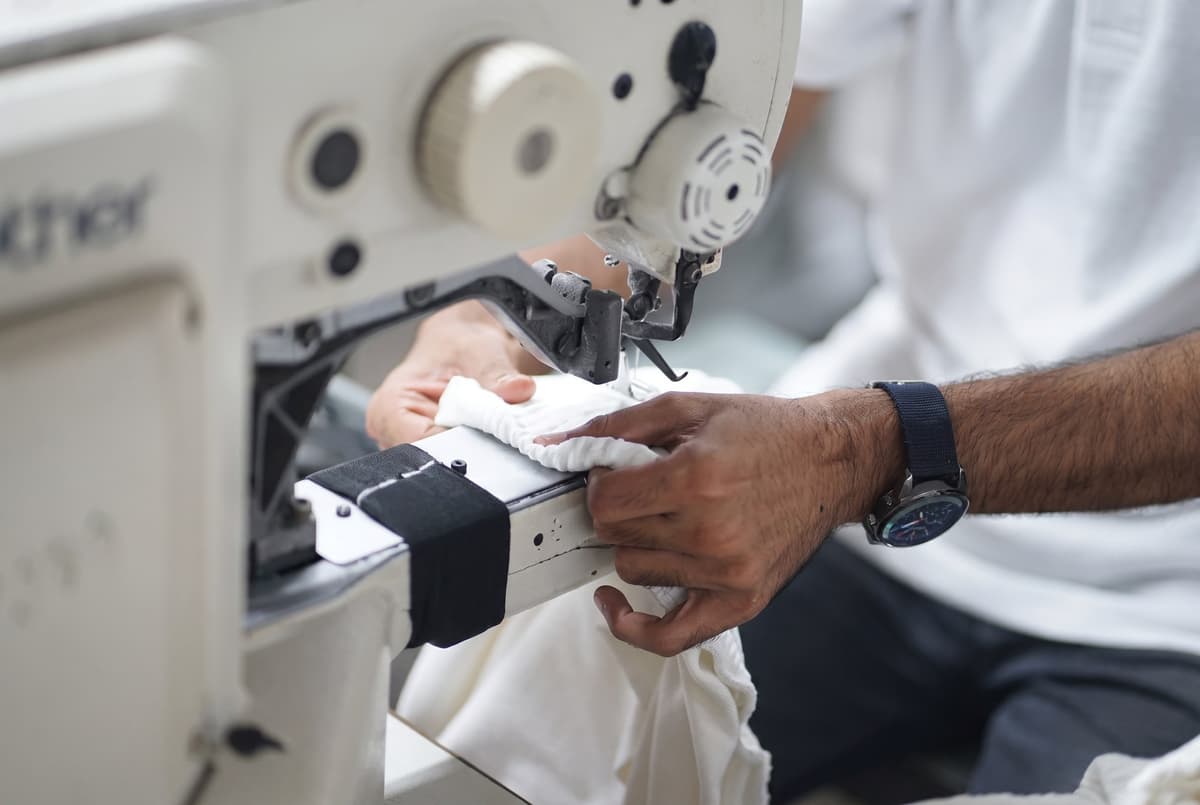
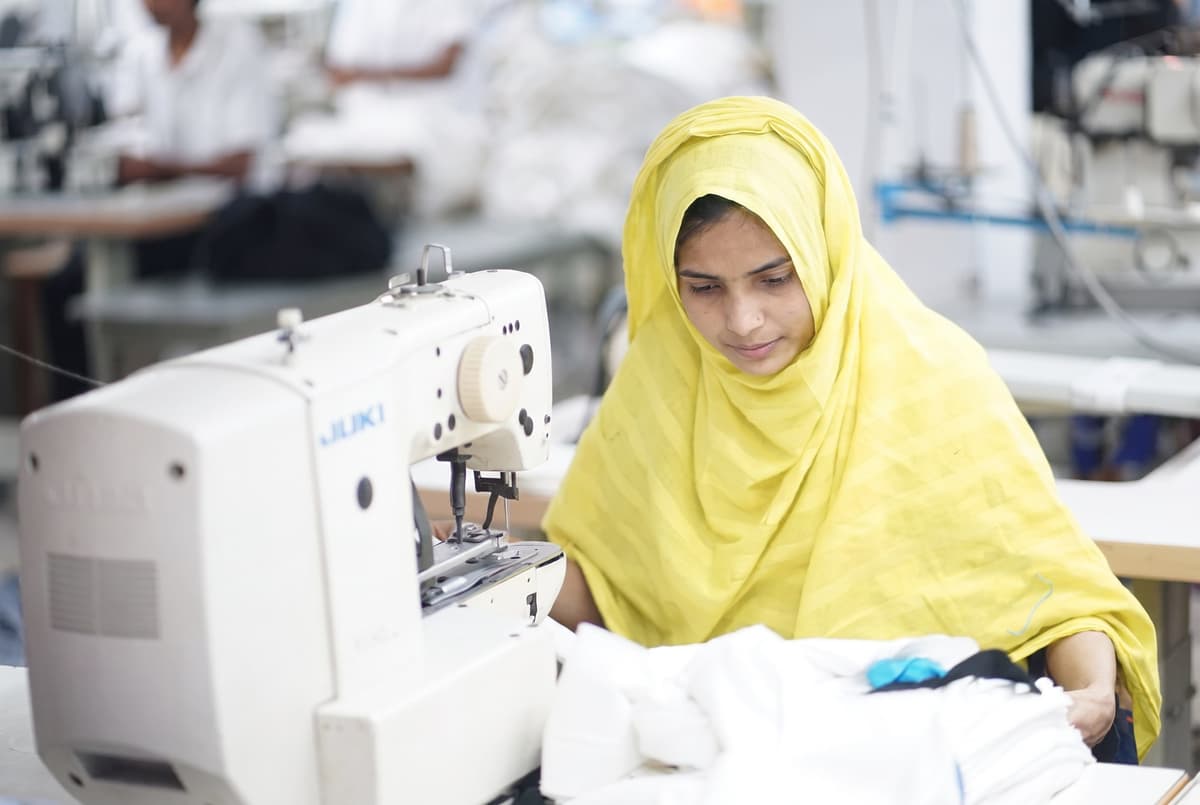
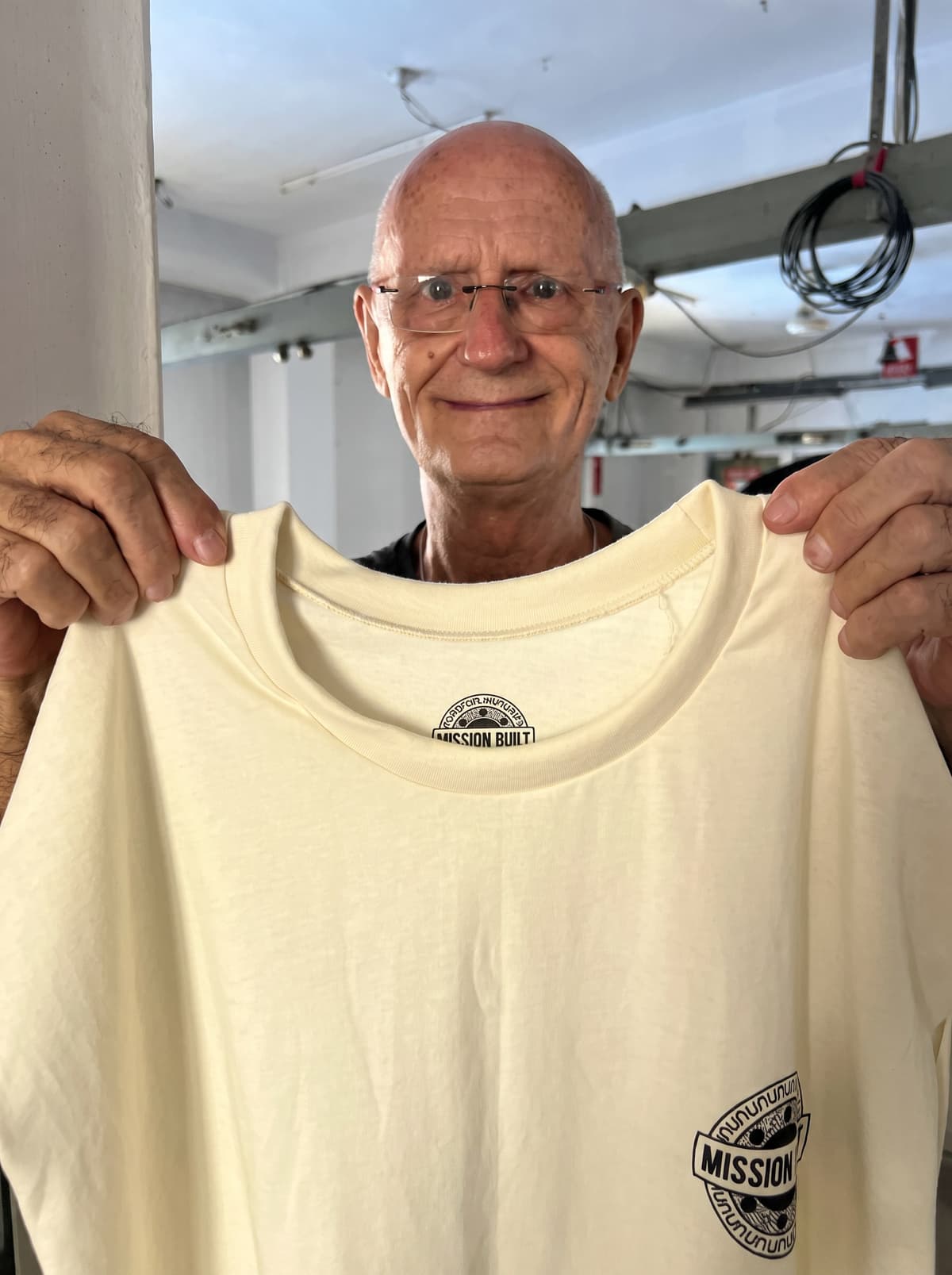
I have had a very good experience with this company. They are very friendly, professional, and provide fast service. They speak fluent English, which makes communication very easy. The quality of their manufacturing is excellent. I have no doubt in recommending this company to anyone looking for a reliable manufacturing partner in Bangladesh.
Talk to the factory directly: +880 1980 055021 · hello@collectivestudioltd.com
A custom garment's price is set by the decisions in the brief: what it is made of, how many colours, what trims it carries, and how many you make.
Cloth is most of the cost and it is bought by the kilo. Heavier weights, combed or ring-spun yarns, organic cotton and recycled blends each move the price per kilo, and a long garment uses more of it than a short one.
Every colour is its own dye lot and its own 100-piece minimum per style. A design in three colours is three lots and three of every trim. Consolidating colours is the single largest saving a small brand controls.
Pockets, zips, hoods, contrast panels, bindings and specialty seams are each a sewing operation with a time. A simple block at 100 pieces prices very differently from a complex one; at 5,000 the difference shrinks.
Woven labels, zips, drawcords, hang tags, poly bags and printed boxes are bought in with supplier minimums that are spread thinly over a first run and thickly over a reorder.
Screen printing prices per colour and per pass, embroidery by stitch count, sublimation by area and garment dye by the kilo. A two-colour chest print and a six-colour back print are different garments to cost.
Pattern, grading and two rounds of samples are one-off costs shared across the order, so unit price steps down at the usual breaks. A first run of 300 across two styles usually beats 100 across six for exactly this reason.
Makes the garment you designed rather than the garment it stocks. On our floor that means cutting pattern pieces from rolls of knit fabric and sewing them to your specification: your fit, your fabric and weight, your rib and pockets, your label and packaging. The alternatives that also use the phrase are blank-printing services, where only the print is custom, and wholesalers with fixed catalogue styles. Our cut and sew page explains the difference and why it decides the minimum.
Yes. A sketch, a reference garment you like and a paragraph about the customer are enough to start; we build the pattern and the tech pack with you so the brief becomes measurements, fabric specs and construction notes. A tech pack speeds things up if you have one, and the free template on our resources pages shows what a complete one contains.
Always, and usually two. A fit sample settles the block in an available fabric; a pre-production sample is the corrected garment in your actual fabric, colour and trims, wash-tested so the measurements you sign off are the measurements after washing. You approve it, we seal it, and bulk is inspected against it by Walter Meyer's QC team before anything ships.
One hundred pieces per style, per colour. Custom does not remove the minimum, because knit fabric is knitted and dyed in lots and a hundred pieces is roughly where a lot becomes production; services quoting 25 or 30 pieces are decorating blanks made in someone else's lot. Sizes split freely inside the hundred. Our MOQ calculator shows what splitting colours does to the total.
It depends on the brief, which is why we quote from it rather than from a rate card: fabric weight and fibre, colour count, construction, trims and decoration, and quantity move the number. Our quotes are DDP, with freight, duty and import tax inside the landed price, so compare them with an FOB quote only after converting it. The landed-cost calculator shows the duty and tax for your market, and the how-to-read-a-quote guide shows what each Incoterm includes.
No. Our floor cuts and sews knitwear only. Woven pieces are sourced through our partner buying house, CMB Sourcing Ltd, in the same industrial area, as a separate order with its own contract. Send us the whole range and we route each part to the right floor and say plainly which is which.
Whether it’s a large bulk or wholesale run or your first batch of 100, send a sketch, a reference, or a sentence. We’ll reply within one business day with fabric options and an indicative price.
Or message the factory directly: WhatsApp +880 1980 055026 · hello@collectivestudioltd.com · Homaira replies within one business day.