How Clothing Sampling Works (and Why You Should Never Skip It)
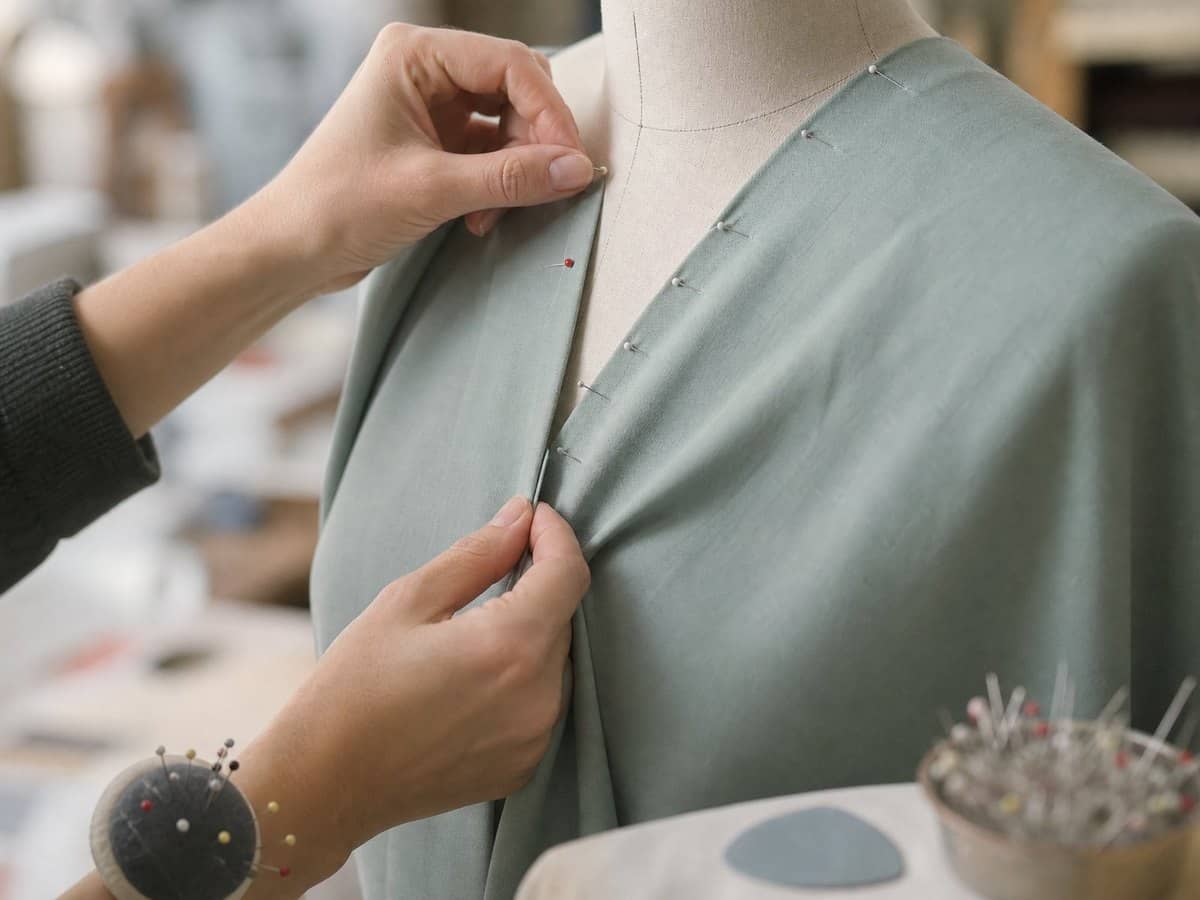
The single most important step in making clothing isn't production — it's sampling. The sample is what bulk gets matched against, and approving one before you commit is the cheapest insurance you'll ever buy.
What a sample is
A sample is a physical, made-to-spec version of your garment — the real fabric, fit, construction, colour, and branding — that you hold, try, and approve before any bulk is produced. It turns "I think it'll look like this" into "I've seen it."
The sampling process, step by step
- You share a brief, sketch, or reference.
- The factory makes a first sample.
- You review it and give feedback — fit, fabric, details.
- A revised sample is made (sometimes more than once).
- You sign off. Only then does bulk production begin.
What to check on a sample
- Fit — on a real body, in the size you sampled.
- Fabric — weight, hand-feel, stretch, after a wash if you can.
- Construction — seams, stitching, finishing.
- Colour — against your reference or Pantone.
- Branding — labels, tags, prints in the right place.
Skipping the sample to save a week is the most expensive shortcut in fashion. Always approve a physical piece first.
The sample types, and which one you are being sent
“Sample” covers several different things, and confusion here is a common cause of a brand approving the wrong garment.
- Fit sample — tests the pattern and measurements. Often made in an available fabric rather than your final one, so judge the fit, not the hand-feel.
- Fabric or lab dip — a swatch confirming colour and fabric before a full garment is made. Approve colour in daylight, not under office lighting.
- Pre-production (PP) sample — the real thing: your fabric, your trims, your labels, made the way bulk will be made. This is the one that becomes the sealed sample.
- Sealed sample — the approved PP sample, retained by both sides as the reference every production piece is checked against.
The distinction that matters: only approve bulk against a pre-production sample. Signing off on a fit sample made in a substitute fabric is how brands end up surprised by drape, weight or shrinkage on 500 pieces.
How to test a sample properly
Most people try a sample on, like it, and approve it. That is not a test. Spend a week on it instead:
- Wash it the way your customer will — same temperature, same drying. Knitted cotton moves after the first wash, and a tee that fits perfectly out of the bag can fit differently seven days later.
- Measure it before and after against the tech pack, and record both. Shrinkage you have measured is a specification; shrinkage you have noticed is a complaint.
- Wear it for a full day — seams that chafe or a neckline that gapes only show up on a body in motion.
- Check it in daylight for colour, and against your reference garment for shade if you have one.
- Photograph it next to your feedback notes so revisions reference something concrete rather than an adjective.
Expect at least one revision round. A first sample that needs no changes usually means nobody looked closely enough.
A few tips
- Sample your base size, and consider a couple of sizes to check grading.
- Write down every change clearly so nothing gets lost.
- Don't rush sign-off — this is the moment to get it right.
We send photos at every stage and never move to bulk without your approval. Start with a sample, or read what a tech pack is.
Frequently asked questions
How does the clothing sampling process work?
Sampling runs in stages, and each answers a different question. The proto or fit sample comes first, often in substitute fabric, and exists to test proportion and construction rather than final materials — its job is to be wrong in useful ways. You review it, request changes, and typically go one or two rounds. Then comes the pre-production sample, made in the actual bulk fabric with the actual trims and the actual process, which is the first moment every real variable exists at once. That is the approval that matters. Once signed off it becomes the sealed sample, retained as the physical benchmark production is measured against. Treat the fit sample as a conversation and the PP sample as a contract.
How long does clothing sampling take?
One to three weeks per round is typical, plus shipping time to reach you, which brands often forget to count. Fabric availability is the main variable: a stock fabric in a standard colour moves quickly, while custom development or bespoke dyeing must be produced and lab-dipped before a sample can be cut at all, sometimes adding several weeks before anything is sewn. Budget for two or three rounds rather than one. A first sample that needs no changes is unusual enough that it is worth checking whether it was reviewed carefully. The practical advice is to wear and wash the sample rather than only trying it on, because fit after laundering is what your customer will actually experience.
How much does a clothing sample cost?
Sampling is charged separately from production, per style, and the per-piece cost is far higher than bulk because a single garment is cut and sewn individually rather than run through a line. Expect additional charges for each revision round, since each is effectively a new garment. Some factories credit sampling costs against a subsequent bulk order; ask, because policies vary and it is rarely volunteered. The economics are worth stating plainly: sampling is the cheapest insurance available on a production run. A fit or fabric problem caught on one sample costs the price of that sample. The same problem discovered after 500 units are finished costs the run, the lead time, and the launch date.
Where this applies
The manufacturing pages this guide relates to, if you are costing a real run.
Free tools & guides for this
Sources & further reading
Have an idea? Let’s make it.
We manufacture from 100 pieces per style, with GOTS-certified organic options and photos at every stage. Send a sketch or a sentence — we’ll reply within a day.