Cut-and-sew, from 100 pieces
100 per style and colour, made from your pattern — not your logo printed on someone else's blank hoodie. That distinction is the whole product.
Premium hoodies and sweats, cut and sewn to your design — from 100 pieces a style. 280–500 GSM fabrics, photos at every stage, delivered DDP to your door.
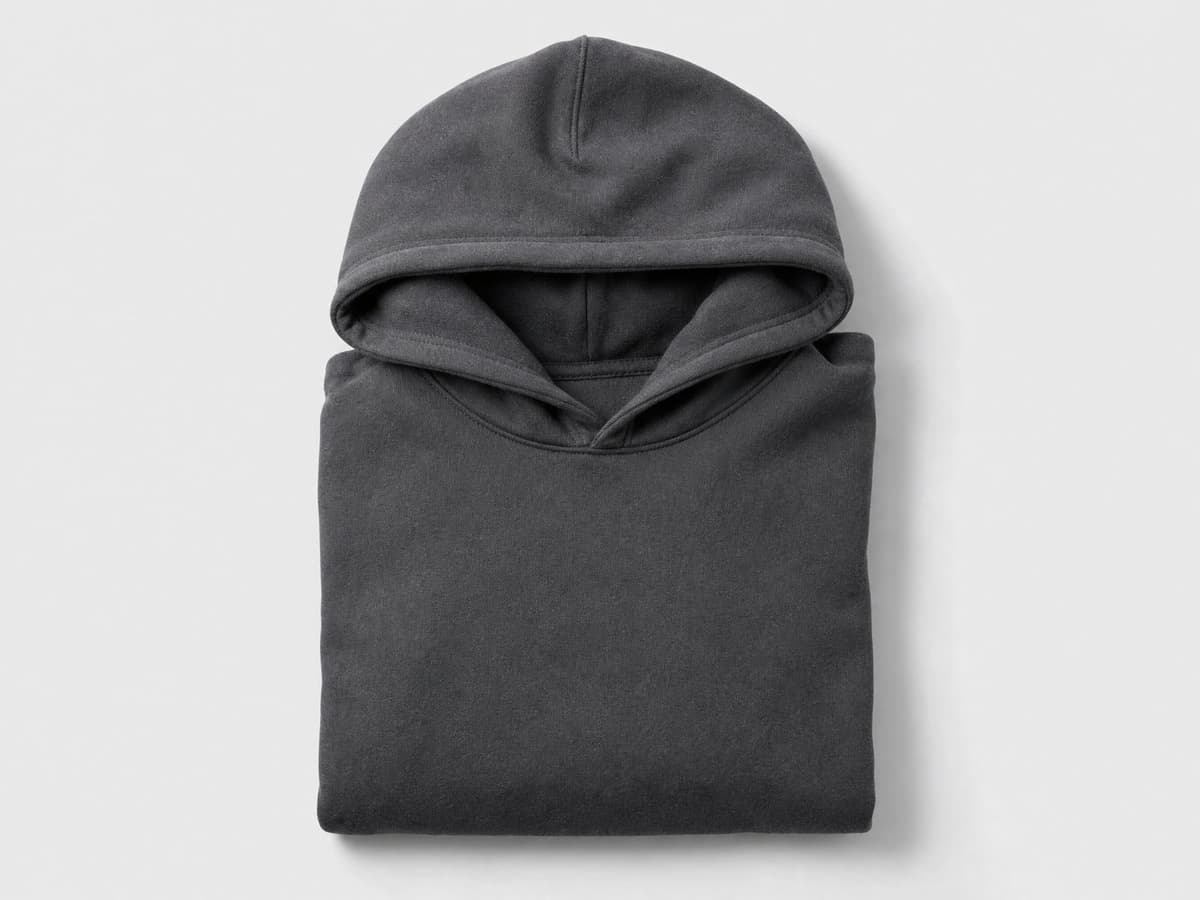
Looking for a custom hoodie manufacturer that will take a small first order seriously? That is exactly who we are. Collective Studio is a family-run knitwear factory in Narayanganj, Bangladesh, making hoodies and sweats for emerging brands at a low minimum, with the quality and transparency bigger factories reserve for large accounts.
If you are comparing hoodie manufacturers, the first thing worth establishing is whether you are talking to one. A great many businesses advertising as custom hoodie manufacturers or hoodie suppliers are decorators: they buy finished blanks by the case — Gildan, AS Colour, Independent — and print or embroider your artwork onto them. That is a real service, and at fifty pieces it is usually the right one. But you are buying somebody else’s garment with your logo on it. The fit, the fabric weight, the drawcord, the rib depth and the neck label were all decided before you arrived, and every other brand using that blank owns the same hoodie you do. A hoodie factory starts from cloth instead: we cut your pattern, knit or book the loopback or fleece weight you asked for, and build the garment to your spec. There is a one-question test for any supplier you are weighing up — ask whether they can lengthen the body by two centimetres. A manufacturer answers yes and quotes it. A decorator explains why it does not matter.
Before anything else, a straight answer on minimums, because it is probably what you are comparing right now. You will find hoodie suppliers advertising 20, 30 or 50 pieces, and ours is 100 per style and colour. That is not us being less flexible — it is usually a different product. A very low minimum almost always means one of three things: the supplier is printing your artwork onto ready-made blank hoodies rather than cutting and sewing to your pattern, the minimum is counted per order rather than per colourway, or the unit price carries the setup cost and is two to three times higher. All three are legitimate businesses, and if you want 30 hoodies next month, a blank-printing service is genuinely the better answer for you — we'll point you there instead of quoting an order that isn't the right fit. What we do is manufacture the garment itself: your pattern, your fabric weight, your fit, your trims.
Fabric weight is the first real design decision — get it right before you talk to any factory, because changing it after sampling means re-cutting patterns and re-quoting. At our lightest, around 280 GSM drapes softly and suits warmer climates or a layering piece — that is the bottom of our range, and anything lighter tends to read thin rather than premium. Midweight (~320–360 GSM) is the everyday streetwear standard. Heavyweight (~400–500 GSM) gives the substantial, boxy, premium feel that brands like Essentials and Fear of God made popular — though be aware heavier fabric costs more to ship and takes noticeably longer to dry, which matters if you sell into hot markets. You will also choose between fleece (brushed inside — warmer, softer, the classic hoodie hand-feel, but where pilling starts if the base yarn is cheap) and French terry (looped and unbrushed — lighter, more breathable, more texture). Our fabric & GSM guide and free GSM ⇆ oz converter go deeper, whoever you end up making with.
Construction is where hoodies quietly succeed or fail. A kangaroo pocket (one piece, pouch-style) reads classic and casual; split pockets (two separate side pockets) look cleaner, more premium, and are easier to actually use. Two details decide whether the garment still looks right in a year. The rib at cuff and hem needs elastane for recovery, because a 100% cotton rib stretches out permanently and gives you saggy cuffs. And cotton fleece must be compacted before cutting, or it shrinks meaningfully in a first hot wash, turning your customer’s size L into an M. We handle both as standard. On construction method, we recommend side-seamed panels over tubular knit — tubular is cheaper but torques, so the side line spirals and the hem twists after washing.
For decoration, embroidery suits a small, premium chest logo and lasts the life of the garment, while screen printing is the durable, cost-effective choice for a bold front or back graphic — and because each screen-printed colour needs its own screen and pass, a two-colour design is dramatically cheaper at volume than a six-colour one. See our screen print vs embroidery vs DTG comparison for the full trade-offs.
100 per style and colour, made from your pattern — not your logo printed on someone else's blank hoodie. That distinction is the whole product.
Cotton fleece and French terry across the full weight range, with the trade-offs explained rather than a single 'premium' option pushed at you.
Elastane in cuff and hem rib so it holds shape, and compacted fleece so the body doesn't lose a size in the first hot wash.
Certificate RSC 9687, verifiable on the public GOTS database — not a logo pasted on a page. Recycled blends available too.
Almost every hoodie decision comes down to fabric weight, and the three bands behave differently enough that picking by number alone is a mistake.
| Midweight ~320–360 GSM | Heavyweight ~400–500 GSM | Lightweight ~280 GSM | |
|---|---|---|---|
| How it reads | The everyday streetwear standard | Substantial, boxy, premium — the Essentials silhouette | Soft and drapey; a layering piece |
| Cost | Moderate | Highest — more fabric per garment | Lowest |
| Shipping cost | Moderate | Noticeably higher; weight compounds across a bulk order | Lowest |
| Drying time | Normal | Slow — a real issue in hot, humid markets | Fast |
| Best for | A first hoodie, or a year-round core style | Premium pricing and cold-weather markets | Warm climates, resort, layering |
| Wrong choice when | You are chasing a genuinely premium price point | You sell into hot markets or ship long distances on thin margins | You want the garment to feel expensive in the hand |
Fleece is brushed inside and warmer; French terry is looped, lighter and more breathable. Weight and construction are separate decisions.
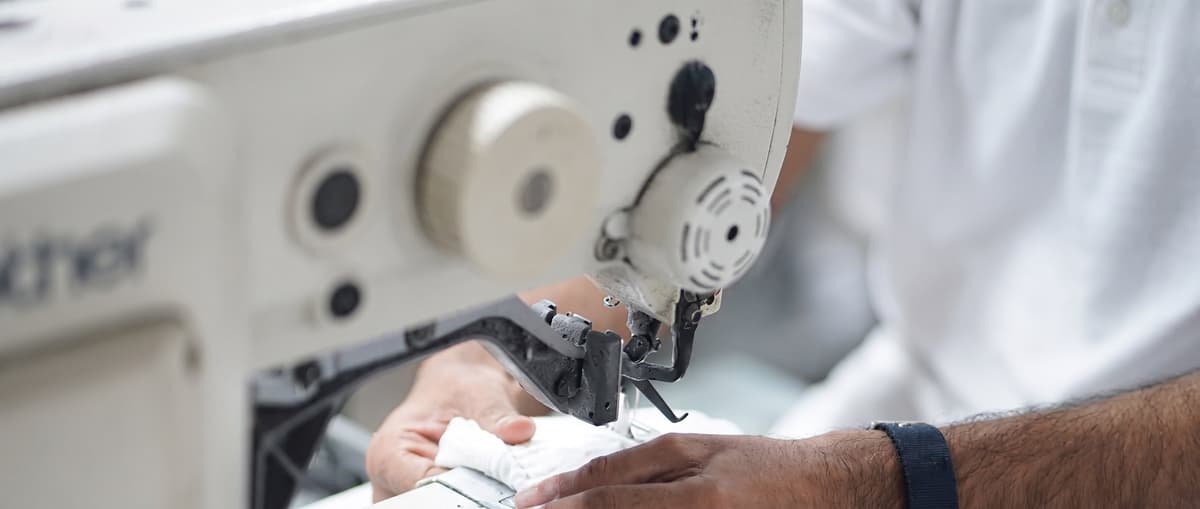
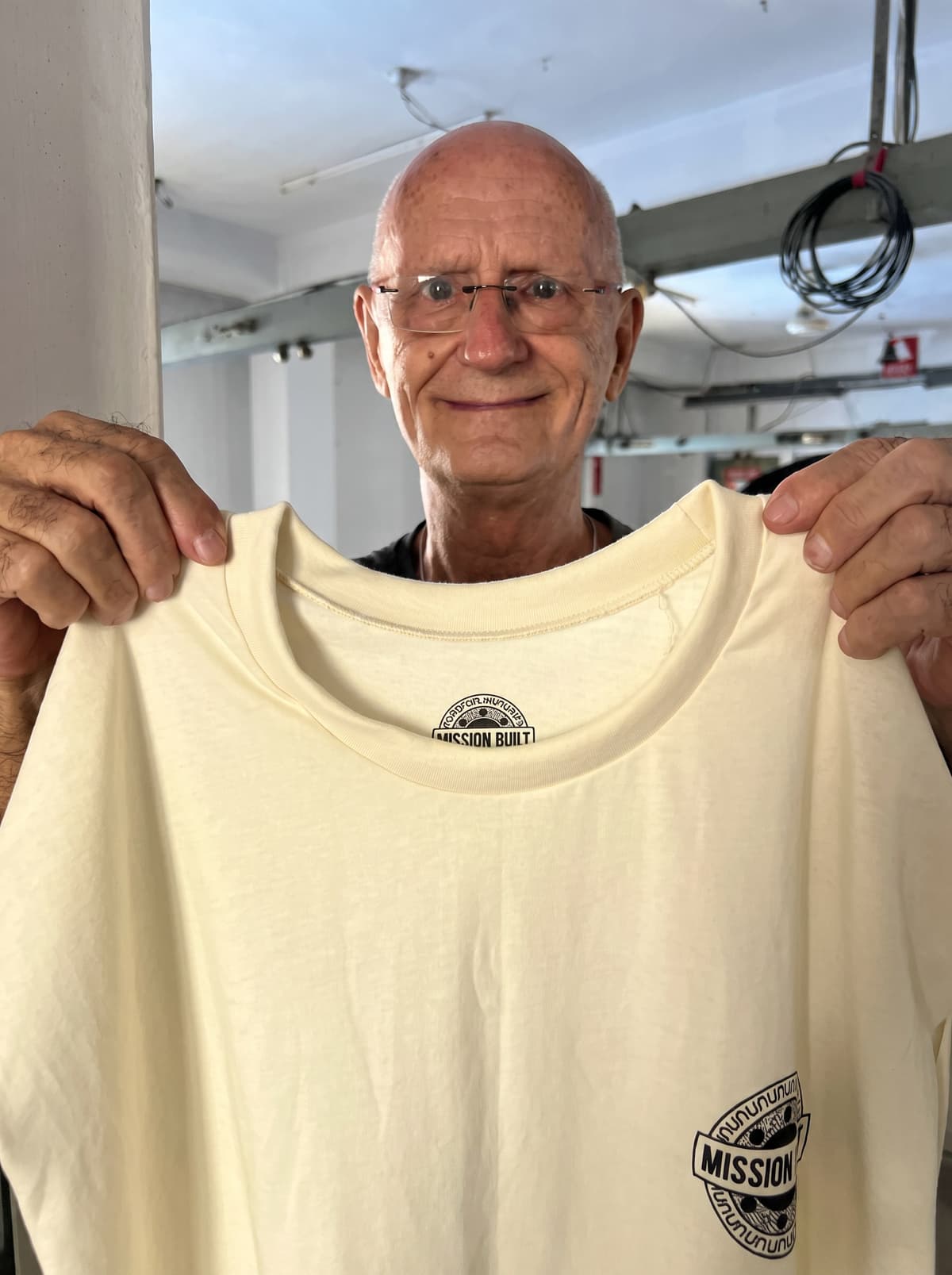
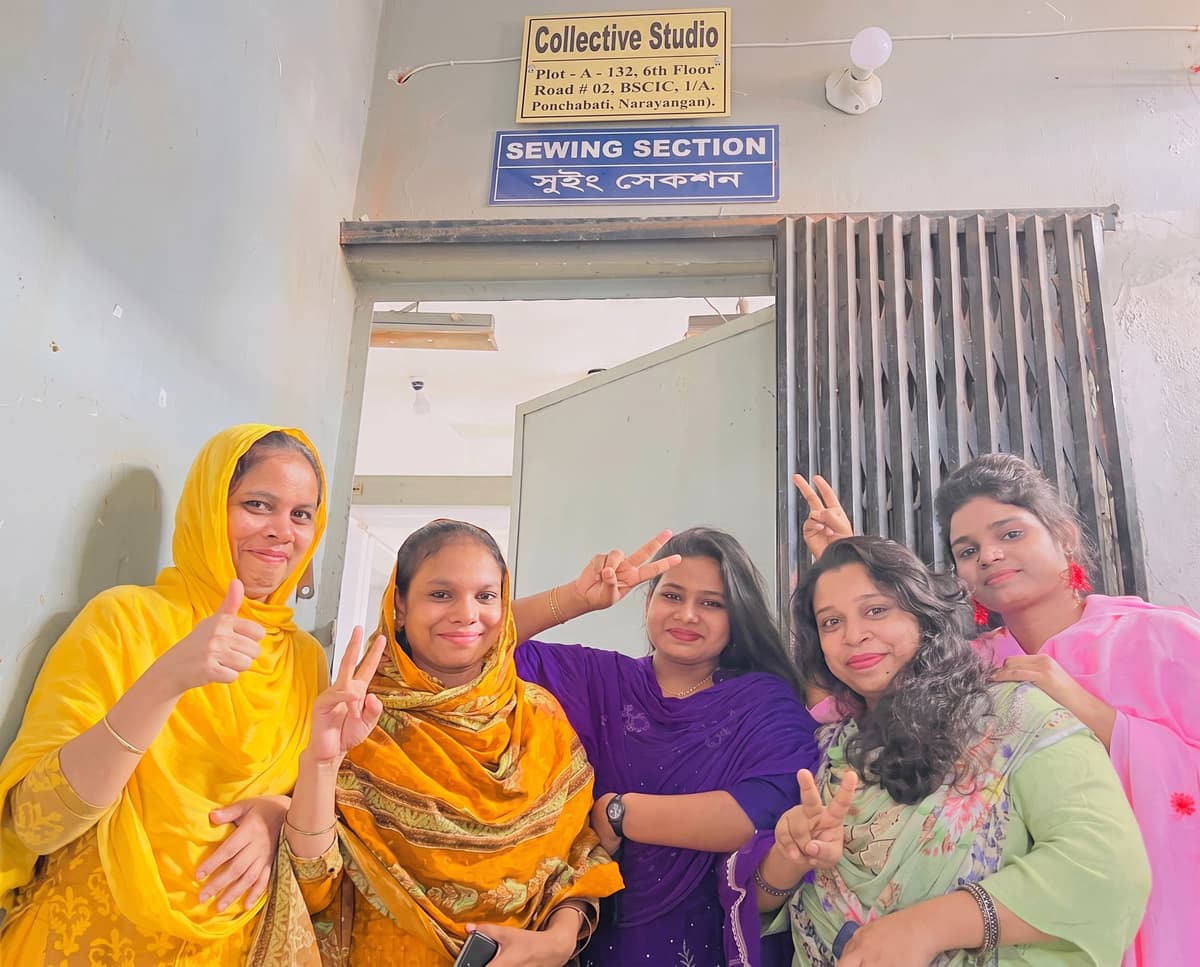
Roughly 40 to 50 days from approved sample to delivery. Hoodies carry more components than a tee — drawcords, tipping, eyelets, ribbing, often a zip — and it is the components, not the sewing, that usually set the date.
Midweight, heavyweight or lightweight, and fleece or French terry. This single decision drives cost, sampling and shipping weight, so settle it before anything else.
Construction, pocket style, hood lining, cuff and hem rib, plus decoration method, quoted per style and colourway.
Drawcords, metal eyelets, tipped cord ends, zips and custom rib are bought from separate suppliers. This is where hoodie orders slip while the sewing floor sits ready.
Where delay usually hidesOne physical hoodie in your fabric, with your trims, made on the production line.
Check the hood sits right on a head rather than on a hanger, and re-check the body length after washing — fleece moves.
Cut and sewn on our floor, with photos at each stage.
Inspected against your sealed sample, then delivered duty paid as one landed cost.
I have had a very good experience with this company. They are very friendly, professional, and provide fast service. They speak fluent English, which makes communication very easy. The quality of their manufacturing is excellent. I have no doubt in recommending this company to anyone looking for a reliable manufacturing partner in Bangladesh.
Wonderful people to work with — very professional and knowledgeable, also accommodating to the needs of their customers.
100 pieces per style, per colourway. The per-colourway part is what catches most new brands out: a hoodie in black and heather grey is two minimums, 200 pieces in total, because each colour is a separate fabric batch with its own dye lot and machine setup. Sizes work differently — you can split those 100 pieces across a size curve however suits your customers, since that doesn't change the setup, so a typical split might be 10 S, 25 M, 30 L, 25 XL, 10 XXL. Below roughly 100 units of genuine cut-and-sew production, the fixed costs of pattern making, the mill's own fabric minimums and a production line changeover stop spreading sensibly. That's the honest reason for the number rather than an arbitrary policy.
Because in most cases they're selling a different product, and it's worth knowing which before you compare prices. A very low hoodie minimum usually means the supplier is printing or embroidering your artwork onto ready-made blank hoodies they buy wholesale — which is a perfectly legitimate service, just not manufacturing. It means you don't choose the fabric weight, the fit, the shoulder line, the rib composition or the pocket style, because those were decided by whoever made the blank. The alternatives are a minimum counted per order rather than per colourway, or a unit price two to three times higher to absorb the setup. If you need 30 hoodies quickly, a blank-printing service is honestly the better call, and we'll say so rather than quote you anyway. If you want your own garment made to your own pattern, that's what the 100-piece floor buys.
It depends on your market and price point, and the trade-offs are real in both directions. Around 280 GSM is our lightest: soft drape, good for warm climates or a layering piece, though it won't read as premium and we don't go below it, because thinner fleece starts to feel cheap however well it's made. 320–360 GSM is the everyday streetwear standard and where most brands should probably start — substantial without being unwieldy. 400–500 GSM is genuine heavyweight, and it's what gives that boxy, structured, expensive feel popularised by brands like Essentials and Fear of God. The caveats on heavyweight: it costs more per unit because it simply uses more fabric, it costs more to ship because it's heavier, and it takes noticeably longer to dry — which real customers in hot climates do complain about. We make the full 280–500 GSM range and will tell you what you're trading away at either end.
Both start as the same loopback knit — the difference is what happens to the inside face. French terry leaves it as visible loops, unbrushed: lighter, more breathable, slightly textured against the skin, and it holds its shape well over time. Fleece brushes that inner face into a soft nap, which is warmer and gives the classic plush hoodie hand-feel most people picture. The trade-off is that brushing is also where pilling begins if the base yarn is low quality, so cheap fleece looks tired faster than cheap terry does. Neither is better in the abstract: fleece suits colder markets and a cosy positioning, terry suits year-round wear, warmer climates, and a cleaner more elevated look. We'll recommend based on your climate, price point and the feel you describe rather than defaulting to one.
Mostly a style decision, and both are standard options at no extra cost. A kangaroo pocket is a single pouch stitched across the front, and it reads classic, casual and streetwear-traditional — it's what most people picture when they think 'hoodie'. Split pockets are two separate side openings, which look cleaner and more considered, sit better under a zip placket, and are easier to use with hands in pockets since your hands aren't sharing one space. A practical note: on a heavyweight fabric a kangaroo pocket adds noticeable bulk across the front, so if you're going 450 GSM and want a sleeker silhouette, split pockets are usually the better call. On lighter weights it makes little difference either way.
Match the method to the artwork, not the other way round. Embroidery is stitched thread: it suits a small premium chest logo, has real texture, and lasts the life of the garment — but it can't reproduce gradients or fine detail, and a large dense design on soft fleece can pucker the fabric. Screen printing is the most durable and cost-effective choice for bold front or back graphics at volume, with one important cost mechanic: each colour needs its own screen and print pass, so a two-colour design is dramatically cheaper than a six-colour one at the same quantity. DTG sprays ink directly and handles detailed, photographic, many-colour artwork on smaller runs, at the cost of some durability. Send us the artwork and we'll tell you which method actually serves it best.
Yes — both, and they're pattern decisions rather than adjustments made later, so it's worth raising at the start. An oversized fit isn't just a bigger hoodie. The usual approach is a drop shoulder, where the shoulder seam deliberately extends past the natural shoulder point, combined with a wider body and often a shorter length to keep the proportion from reading simply too large. A cropped fit changes the hem position and usually needs the rib depth and body width rebalanced so it doesn't ride up in wear. Both are standard for us and neither carries a surcharge, but the pattern has to be drafted for the silhouette you want from the beginning. Send a reference garment or photos of a fit you like and we'll match the proportions on the sample.
Yes — GOTS-certified organic cotton is available across most hoodie styles, and our certificate number is RSC 9687, which you can verify yourself on the GOTS public certificate database rather than taking our word for it. GOTS covers organic fibre content, bans restricted chemistry including PFAS under version 7.0, and audits working conditions against core ILO standards across the whole supply chain. Two things useful to know: GOTS defines more than one label wording depending on fibre composition, and we confirm which one your fabric choice is entitled to before you print a hangtag. And synthetic content is limited rather than banned, with a higher allowance for stretch categories — so a cotton-rich piece can qualify while a fabric with no organic fibre at all cannot.
We won't invent a generic figure, because it moves a great deal — but here's the cost structure so you can sanity-check any quote you receive. Fabric is normally the largest single component, which is why a 450 GSM heavyweight costs meaningfully more than a 300 GSM midweight: it's simply more material per garment. Then cut-make-trim, the labour of cutting and assembling, which rises with every extra panel, pocket and closure — a zip-up costs more to make than a pullover. Then trims: drawcords, labels, zip, packaging. On top sit one-off pattern and sampling costs, spread across the order, which is why 100 pieces costs more per unit than 1,000. Prices typically step down around 500, 1,000 and 5,000 units. Our free pricing calculator gives an indicative band before you speak to anyone.
Six stages. First, you send whatever you have — a sketch, a reference hoodie whose fit you like, or a paragraph; you don't need a tech pack. Second, we spec it together and quote, roughly 3–7 days, so you know the numbers before spending on sampling. Third, sampling: we make one physical hoodie and ship it to you, about 10–15 days. Fourth, you wear it, wash it, and request changes — most first samples need at least one revision, which is normal; once approved it becomes the sealed sample every production piece is checked against. Fifth, bulk production, around 20–25 days, with photos at each stage. Sixth, final QC and DDP shipping. Roughly 40–50 days from approved sample, and the most common source of delay is waiting on decisions from your side rather than production on ours.
Yes — everything is private label, meaning the finished hoodie carries your brand and nothing of ours. That covers custom woven or printed neck labels, care and size labels, hem tags, custom drawcords and tipped cord ends, embroidery, prints, patches, and branded polybags or hangtags for retail-ready delivery. If you're selling at a premium price point, the details worth spending on first are a woven neck label rather than a printed care tag, and custom drawcords — both are inexpensive and both are noticed immediately when someone handles the garment. Send us your logo files and any packaging references and we'll spec the trims alongside the garment itself.
Roughly 40–50 days from approved sample to delivery at your door, made up of about 10–15 days sampling, 20–25 days bulk production, then final quality control and DDP shipping. Add a few days at the start for speccing and quoting. If you're planning to a launch date, work backwards from it and include every stage plus a buffer, because one sample revision round is normal rather than exceptional — brands that miss launch dates usually started the clock from bulk production rather than from the first conversation. If you have a fixed deadline, tell us at the outset and we'll say plainly whether it's achievable instead of agreeing and then missing it.
Trade and regulatory details on this page last verified 30 July 2026. Tariff and compliance terms change — ask us to confirm the current position for your order.
Whether it’s a large bulk or wholesale run or your first batch of 100, send a sketch, a reference, or a sentence. We’ll reply within one business day with fabric options and an indicative price.