What Is French Terry Fabric?
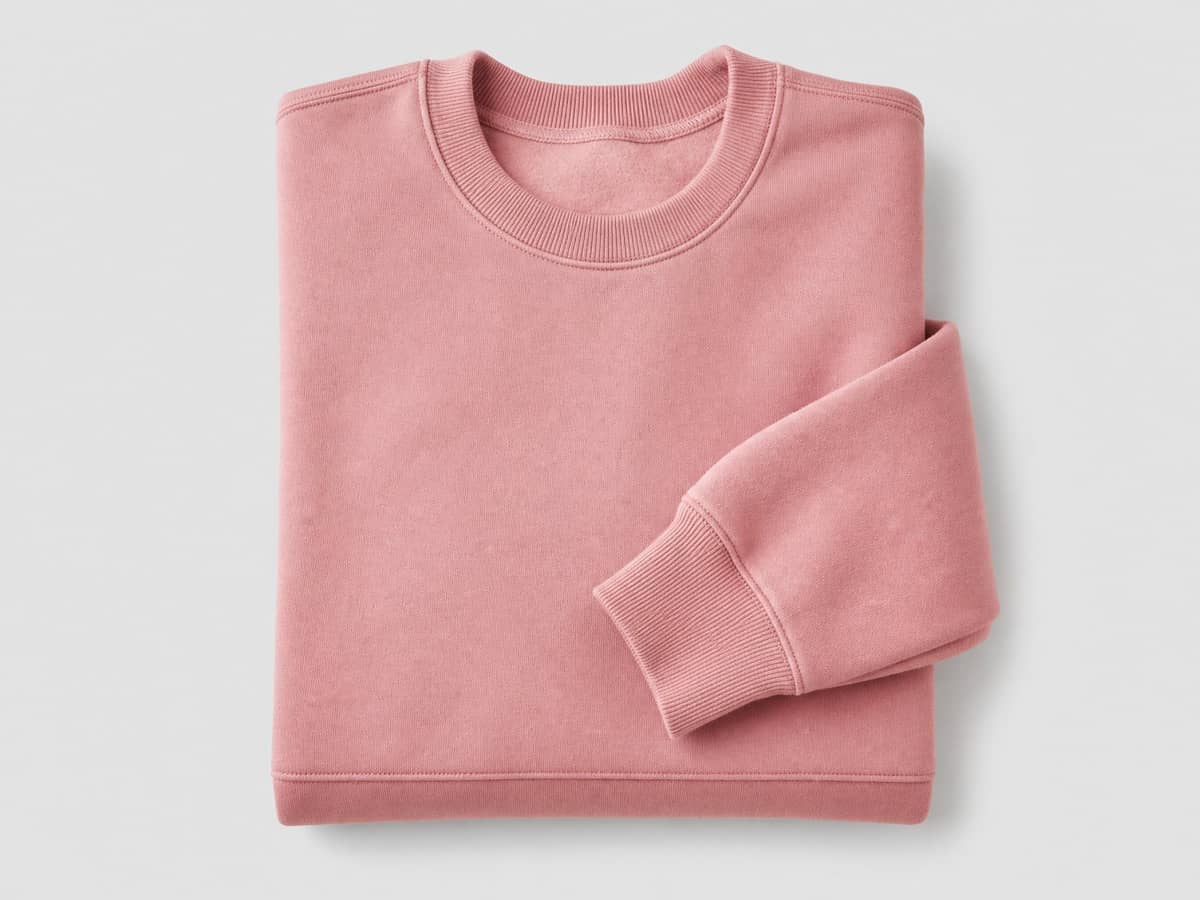
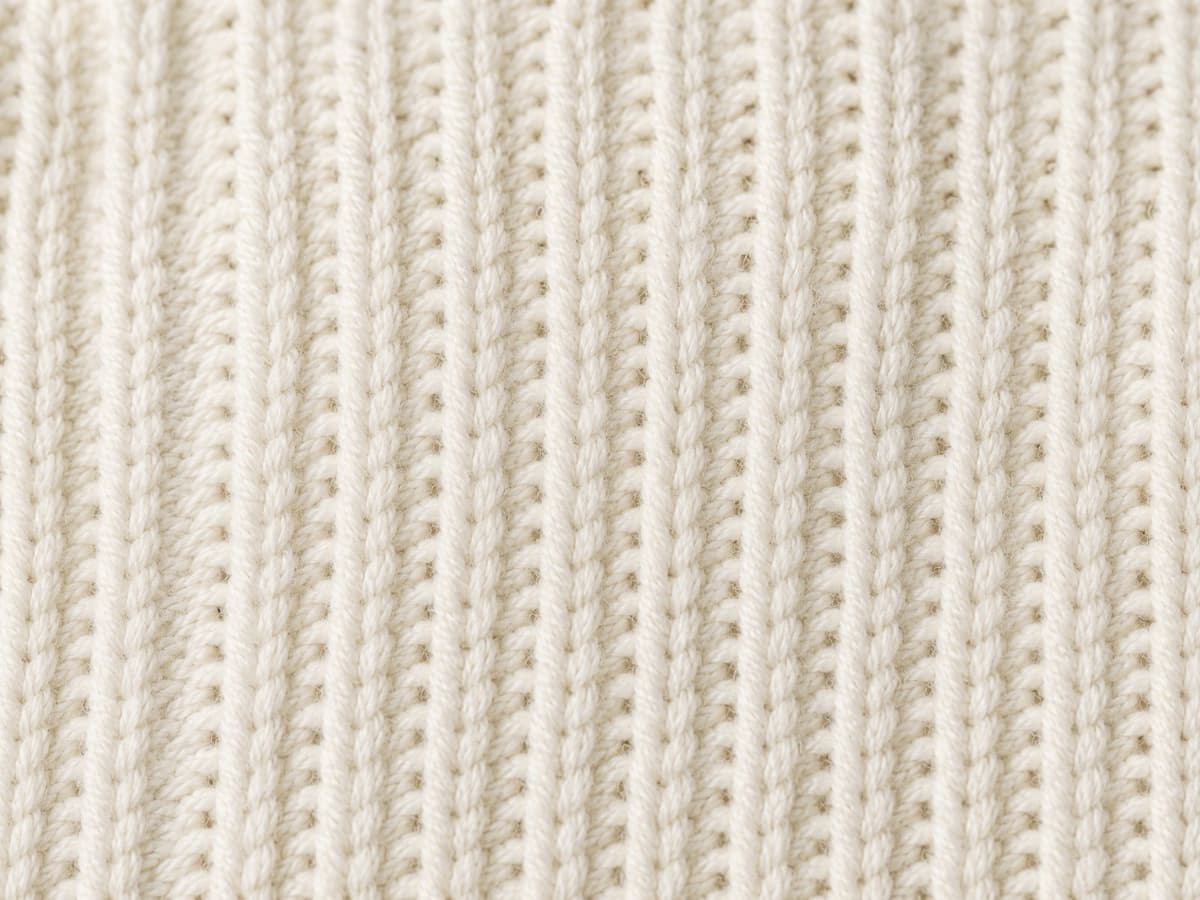
French terry is a medium-weight knit fabric, usually cotton, with a smooth, flat face on the outside and soft, uncut loops on the inside. Heavier than T-shirt jersey and lighter than brushed fleece, it is usually specified between 240 and 500 GSM, and it is the cloth most sweatshirts, hoodies and joggers are made from. The loops are the entire point: they hold air, absorb moisture, and give the fabric substance that a plain jersey of the same fibre cannot reach.
You will also see it written French terry cloth, French terry knit, or shortened to terry. The name comes from ordinary terry towelling, which carries loops on both faces. French terry has them on one face only — which is why a sweatshirt is smooth against the world and soft against you.
How French terry is made
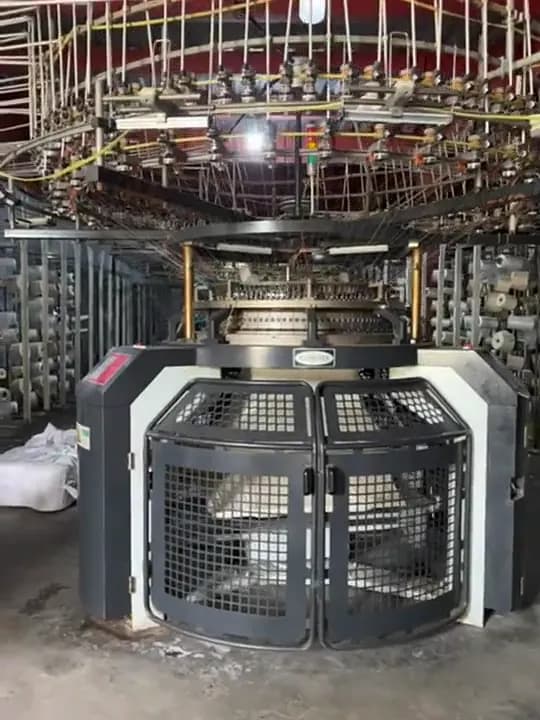
It is knitted rather than woven, on a circular knitting machine. Alongside the yarns forming the ground fabric, an extra yarn is fed in and drawn into loops that stand proud of the back face. Change how long those loops are, how fine the yarn is, and how tightly the ground is knitted, and you change the weight, the stretch and the handle of the finished cloth. That is why two fabrics both correctly labelled French terry can feel nothing alike, and why a swatch settles arguments that a specification cannot.
French terry vs fleece
This is the question we field most often, and the answer is simpler than most sources make it. Fleece is French terry that has been brushed. The loops are mechanically raised and cut into a soft nap, which traps more air and makes the cloth warmer, thicker and fluffier inside. Leave the loops as knitted and it stays French terry.
| French terry | Fleece (brushed back) | |
|---|---|---|
| Inside face | Loops, left as knitted | Loops brushed into a soft nap |
| Warmth | Moderate, and breathable | Warmer, holds more air |
| Handle | Drapes, holds its shape | Bulkier and softer |
| Season | Year round | Autumn and winter |
| Pilling | Less prone, the surface is stable | More prone, brushing loosens fibre ends |
| Suits | Sweatshirts, joggers, dresses, year-round hoodies | Winter hoodies, heavy loungewear |
For a brand the consequence is seasonal. A fleece-back hoodie sells hard from September and sits still in June. French terry moves all year, which is usually the better first choice when you are carrying the stock yourself.
French terry vs jersey vs fleece
French terry sits in the middle of the three cotton knits most brands start with: heavier and warmer than jersey, lighter and more breathable than fleece. That middle position is why it is usually described as a medium-weight knit.
| Jersey | French terry | Fleece | |
|---|---|---|---|
| Construction | Single knit, one yarn looped through itself | Ground knit plus an extra looping yarn | French terry with the loops brushed |
| Inside face | Small, tight loops | Open loops, left as knitted | Soft, raised nap |
| Typical weight | 110–220 GSM | 240–500 GSM | 280–500 GSM |
| Warmth | Light | Moderate, and breathable | Warmest |
| Season | Summer and layering | Year round | Autumn and winter |
| Suits | T-shirts, vests, summer dresses | Sweatshirts, joggers, year-round hoodies | Winter hoodies, heavy loungewear |
What weight to specify
French terry is bought and specified by weight in GSM, grams per square metre, and the number decides more than the feel — it sets the fabric cost of every unit and the freight weight of every carton.
- 240–280 GSM — summer-weight sweatshirts, drapey dresses, lighter joggers.
- 280–350 GSM — the standard hoodie and sweatshirt range. Most brands start here.
- 350–500 GSM — heavyweight streetwear, the boxy structured hoodie that stands up on its own.
Above roughly 400 GSM the garment stops draping and starts holding a shape, which is the effect heavyweight streetwear is buying. It also gets slower to dry and more expensive to ship, so the weight is a decision about the product rather than a measure of quality. Heavier is not better; heavier is different.
Cotton, and organic cotton
100% cotton French terry is the classic and still the most common. Adding 2–5% elastane gives stretch French terry, which recovers better at cuffs and waistbands and suits fitted joggers. Polyester blends cost less and resist shrinking, at the cost of the dry cotton handle most brands are actually asking for.
Organic cotton French terry is the same construction knitted from certified organic cotton yarn. If you intend to make an organic claim on the label, the certificate has to follow the fabric through every stage, which is what a GOTS certified factory exists to document. Ours is RSC 9687; ask us for the scope certificate and you get the document itself.
The variants worth knowing
- Reverse French terry — knitted so the loops sit on the outside. A deliberate texture choice, common in premium streetwear.
- Brushed French terry — the loops raised into a nap. Warmer, softer, and the same thing as fleece-back.
- Stretch French terry — elastane in the blend, for fitted shapes and better recovery.
- Heavyweight French terry — 350 GSM and up, structured rather than drapey.
What a factory needs from you
A fabric name on its own is not a specification. "French terry" narrows it to a family, and every question that decides the garment is still open. What we ask for, in order of how much trouble it saves later: the weight in GSM, the composition including any elastane, whether the back is to be brushed or left as loops, and a reference garment you already like the feel of. That last one settles more than the first three combined, because handle is the thing numbers describe worst.
If you are pricing a range, it is worth knowing that moving a hoodie from 280 to 400 GSM raises the fabric cost of every unit and the shipping weight of every carton at once; the fabric consumption calculator shows how many kilos of cloth that is per garment. On a full container that is a real number, not a rounding error.
French terry is knitted to our specification at partner mills and cut and sewn every week on our own floor in Narayanganj, from a 150-piece minimum per style and per colour. If you are working on hoodies, sweatshirts or joggers, send the reference garment with your enquiry and we will match the fabric rather than guess at it.
Frequently asked questions
What is the difference between French terry and fleece?
Sweatshirt fleece is French terry that has been brushed, so the difference comes down to one finishing step on the inside face. French terry keeps its loops exactly as knitted; fleece has those loops mechanically raised and cut into a soft nap that traps more air. Fleece is warmer, thicker and fluffier against the skin, but bulkier, and it is more prone to pilling because brushing loosens fibre ends, which shows fastest on a cheap base yarn. That is why a brushed garment deserves extra attention in wear tests. It also costs a little more per metre for the extra process at the mill. French terry stays breathable, drapes, holds its shape and keeps a more stable surface. For a brand the choice is mostly seasonal: a fleece-back hoodie sells hard from September and sits still in June, while French terry sells all year. If you are carrying your own stock, that is usually the stronger argument for terry.
Is French terry warm?
Moderately warm, and that middle position is its advantage. The loops on the inside face hold a layer of air, so French terry is warmer than a single jersey t-shirt fabric but cooler than a brushed fleece. Because the loops are left open rather than raised into a nap, it also stays breathable and absorbs moisture. In practice that makes it the year-round option: a French terry hoodie is comfortable in spring and autumn and gets through a mild winter, where a fleece-back hoodie is too warm for half the year and really belongs to autumn and winter. If a winter drop needs more warmth, you do not have to change fabric family. Specify brushed French terry, where the same loops are raised into a soft nap that holds more air, and accept that it will be bulkier and more prone to pilling. For a first range, the longer selling season of plain terry usually counts for more than peak warmth.
What GSM is French terry?
Most French terry sits between 240 and 500 GSM, and the band you choose decides what the garment does. At 240 to 280 GSM it suits summer-weight sweatshirts and drapey dresses. At 280 to 350 GSM you are in the standard hoodie and sweatshirt range where most brands start. From 350 to 500 GSM it becomes heavyweight streetwear, the boxy hoodie structured enough to stand up on its own. Above roughly 400 GSM the fabric stops draping and starts holding a shape, dries more slowly and costs more to ship. Because French terry is bought and specified by weight, moving a hoodie from 280 to 400 GSM raises the fabric cost of every unit and the freight weight of every carton at once. Give the factory the weight as a number, not a word like heavyweight. Treat it as a product decision rather than a quality score: heavier is not better, only different.
What is French terry made of?
Usually cotton. 100% cotton French terry is the classic construction and still the most common, and it gives the dry, natural handle most brands are asking for. Beyond that there are three variations worth knowing. Adding 2 to 5% elastane gives stretch French terry, which recovers better at cuffs and waistbands and suits fitted joggers. Polyester blends cost less and resist shrinking, but they give up that dry cotton feel. Organic cotton French terry is the same knit made from certified organic yarn. If you want to put an organic claim on the label, the certificate has to follow the fabric through every stage of production, which is what GOTS certification documents. Collective Studio is GOTS certified, RSC 9687, and the scope certificate is available on request. When you brief a factory, state the composition in full, including any elastane percentage, because the words French terry on their own name a fabric family rather than a specification.
Does French terry shrink?
Yes, cotton French terry shrinks, usually more in length than in width, and the finishing decides how much. The cloth is still under tension when it comes off the knitting machine, and it relaxes in the wash, so an untreated sweatshirt can come back shorter after its first cycle. Compacting, also called pre-shrinking, relaxes the cloth before cutting, not after your customer's first wash. Even then, a few percent of residual shrinkage is normal for a cotton knit, and nobody can honestly promise zero. Polyester blends resist shrinking better than 100% cotton, at the cost of the cotton handle. Ask for the mill's stated residual shrinkage, then check it yourself: wash-test your own sample, measure it before and after washing, and grade the size chart to the washed figures. A garment that misses its chart after one wash has a shrinkage problem, not a grading one.
Is French terry stretchy?
It has natural give, mostly across the width, since it is knitted, not woven. That is enough for a relaxed hoodie, a sweatshirt or a straight jogger, and plain cotton terry recovers reasonably well. It is not enough for a fitted shape that has to hold at the cuff, knee and waistband through repeated wear. For that, specify stretch French terry with 2 to 5% elastane in the blend, so the cuff and waistband spring back instead of slackening. Construction matters too: the length of the loops, the fineness of the yarn and how tightly the ground fabric is knitted all change the stretch, so two fabrics correctly sold as French terry can behave quite differently. That is why a swatch or a reference garment is more useful than a label. If your sample bags at the knee or the cuff goes slack, check the elastane content first, before you change the weight or the pattern.
What is French terry used for?
French terry is used mainly for sweatshirts, hoodies and joggers; it is the sweatshirt knit, with a smooth face outside and soft loops inside. The flat outer face looks clean, while the looped back gives substance and softness against the skin. Weight steers the job: lighter French terry for dresses and summer sweats, heavier for boxy streetwear. Beyond those, it is a common choice for sweat shorts and for year-round loungewear sets, where it is lighter and more breathable than fleece and drapes rather than holds a shape. Brands also choose it for year-round hoodies, the piece that can stay on sale in every season. For winter hoodies and heavy loungewear, the brushed version, fleece, is the usual pick. We make French terry hoodies, sweatshirts and joggers in Narayanganj, Bangladesh, from 150 pieces per style and colour.
What is reverse French terry?
Reverse French terry is French terry knitted so the loops sit on the outside of the garment, putting the smooth face against the skin and the looped texture on show. It is a deliberate aesthetic choice rather than a performance upgrade, and it is common in premium streetwear, where the visible texture is the point of the piece. Otherwise it behaves like standard French terry. The main trade-off is the surface. Exposed loops are more vulnerable to snagging in wear, so think carefully before putting it into a range that will be thrown in a gym bag or worn hard. Do not confuse it with brushed French terry, the same thing as fleece-back, where the loops stay on the inside and are raised into a nap for warmth. If you want the look, send a reference garment so the texture can be matched rather than guessed.
Is French terry a medium-weight knit?
Yes, for the most part. French terry is usually described as a medium-weight knit because it sits between T-shirt jersey and brushed fleece: heavier and more substantial than an everyday jersey tee, lighter and less insulating than a fleece-back sweatshirt. The phrase is a description, not a specification, and suppliers use it loosely. When a pattern, a buyer or a mill asks for medium-weight French terry, it usually means roughly 280 to 350 GSM, the range where most hoodies and sweatshirts start. Below that the cloth is often sold as lightweight or summer terry, and above about 350 GSM as heavyweight, the boxy streetwear weight that holds its own shape. Two fabrics described the same way can still sit 70 GSM apart, so never order on the description alone. Confirm the exact number in writing, together with the composition and whether the back is looped or brushed, and approve a swatch before bulk.
What is the difference between French terry and jersey?
Both are cotton knits, but French terry adds a looped back to the jersey idea, and that changes the weight, the warmth and the job. Jersey is a single knit with a smooth face and a back of small, tight loops, typically 110 to 220 GSM. It is the T-shirt cloth: light, drapey, stretchy across the width and inclined to curl at a cut edge. French terry is knitted with an extra yarn drawn into loops that stand proud of the back face, which makes it thicker, softer inside and warmer, usually 240 to 500 GSM. Those loops hold air and absorb moisture, so French terry suits sweatshirts, hoodies, joggers and sweat shorts, while jersey suits tees, vests and summer dresses. Heavy jersey above about 240 GSM tends to feel dense rather than substantial, so when a top needs more body than a premium tee, French terry is usually a better route than simply ordering a thicker jersey.
Can French terry be worn in summer?
Yes, lighter French terry is one of the few sweatshirt fabrics that works in warm weather, which is why it sells in more months than fleece. The loops on the inside are left open rather than brushed into a nap, so air moves through the cloth and the loops absorb moisture instead of trapping heat against the skin. Weight decides how far that goes. At 240 to 280 GSM it suits summer sweatshirts, sweat shorts, drapey dresses and lighter joggers. The standard 280 to 350 GSM hoodie range is comfortable on cool summer evenings and through spring and autumn. Heavyweight French terry from 350 GSM upwards, and anything brushed into fleece, are cold-weather fabrics. Fibre matters too: 100% cotton breathes better than a polyester blend. If a summer drop is the plan, specify a lighter cotton French terry, ask for a swatch before bulk, and consider shorts and short sleeves, where the same cloth stays comfortable for longer.
Where this applies
The manufacturing pages this guide relates to, if you are costing a real run.
Free tools & guides for this
Sources & further reading
Have an idea? Let’s make it.
We manufacture from 150 pieces per style and colour, with organic cotton options from our GOTS-certified facility and photos at every stage. Send a sketch or a sentence — we’ll reply within one business day.