We design to your market's rules
EN 14682 drawcord limits in Europe, CPSIA lead and tracking-label requirements in the US. Tell us where you're selling and we build to it from the pattern stage.
Custom kids and baby clothing, made to your design — soft, safe, and from 100 pieces a style. GOTS organic options and full branding.
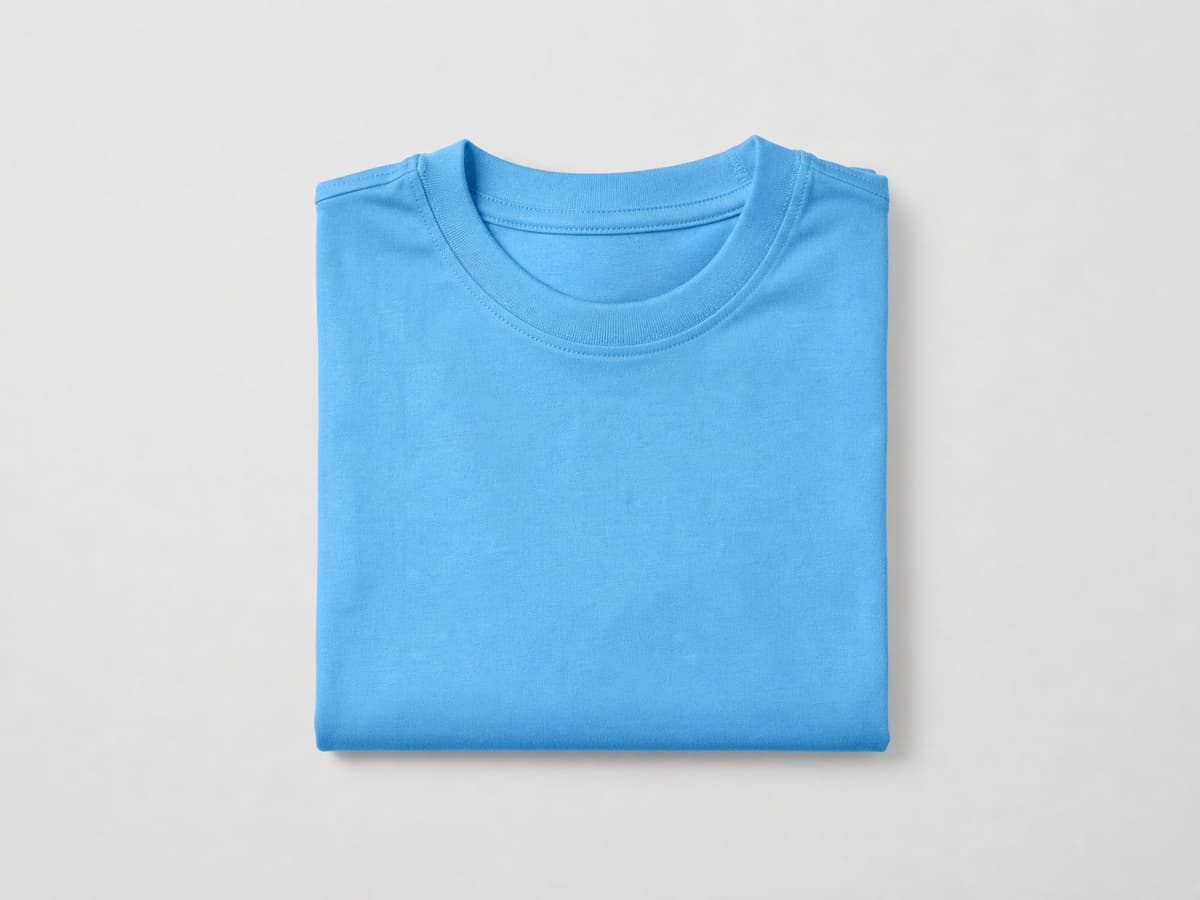
Childrenswear is the one apparel category with real safety regulation attached, and it catches new brands out more than any other. The rules aren't obscure, but nobody tells you about them until something goes wrong. In Europe, EN 14682 governs cords and drawstrings — hood and neck drawstrings are prohibited entirely on garments for younger children, because of strangulation risk. In the US, CPSIA sets limits on lead and phthalates in children's products and requires permanent tracking labels. Metal components in skin contact are separately restricted for nickel release.
The one that surprises people most is sleepwear. In the US, children's sleepwear in sizes 9 months to 14 must either be flame-resistant or snug-fitting to specified measurements (16 CFR 1615 and 1616). That's why so much children's pyjama wear is deliberately close-fitting — it's a regulatory route, not a style choice. If you design loose pyjamas without knowing this, you have a product you can't legally sell in that market. Tell us your target markets at the start and we'll design to their requirements rather than letting you discover the problem after production.
Practical construction for this category: snaps and buttons need to pass pull-testing, because anything that detaches is a choking hazard; flat or covered seams matter more than usual because children's skin is more sensitive; and bodysuits need envelope shoulders so they can be pulled down over the body rather than off over the head in an accident. On fabric, GOTS-certified organic cotton (certificate RSC 9687) is the right default here — not as a marketing angle but because GOTS bans the chemistry you least want against a baby's skin, and parents in this category actually check.
One note on terminology, since infant clothing manufacturers and babywear suppliers are searched as though they were different things. They are not, but the sizing and the safety requirements genuinely change below about 24 months: no drawcords, no small detachable parts, flat seams against the skin, and nickel-free snaps. If your range crosses that line, tell us at the enquiry stage rather than at sampling, because it changes the trims we specify and the tests we book, not just the pattern.
EN 14682 drawcord limits in Europe, CPSIA lead and tracking-label requirements in the US. Tell us where you're selling and we build to it from the pattern stage.
Launch or test a kidswear line with 100 pieces per style, per colourway.
Certificate RSC 9687. In childrenswear this isn't a marketing angle — GOTS bans the chemistry you least want next to a baby's skin, and parents in this category check.
Pull-tested snaps and buttons, flat seams for sensitive skin, and envelope shoulders on bodysuits.
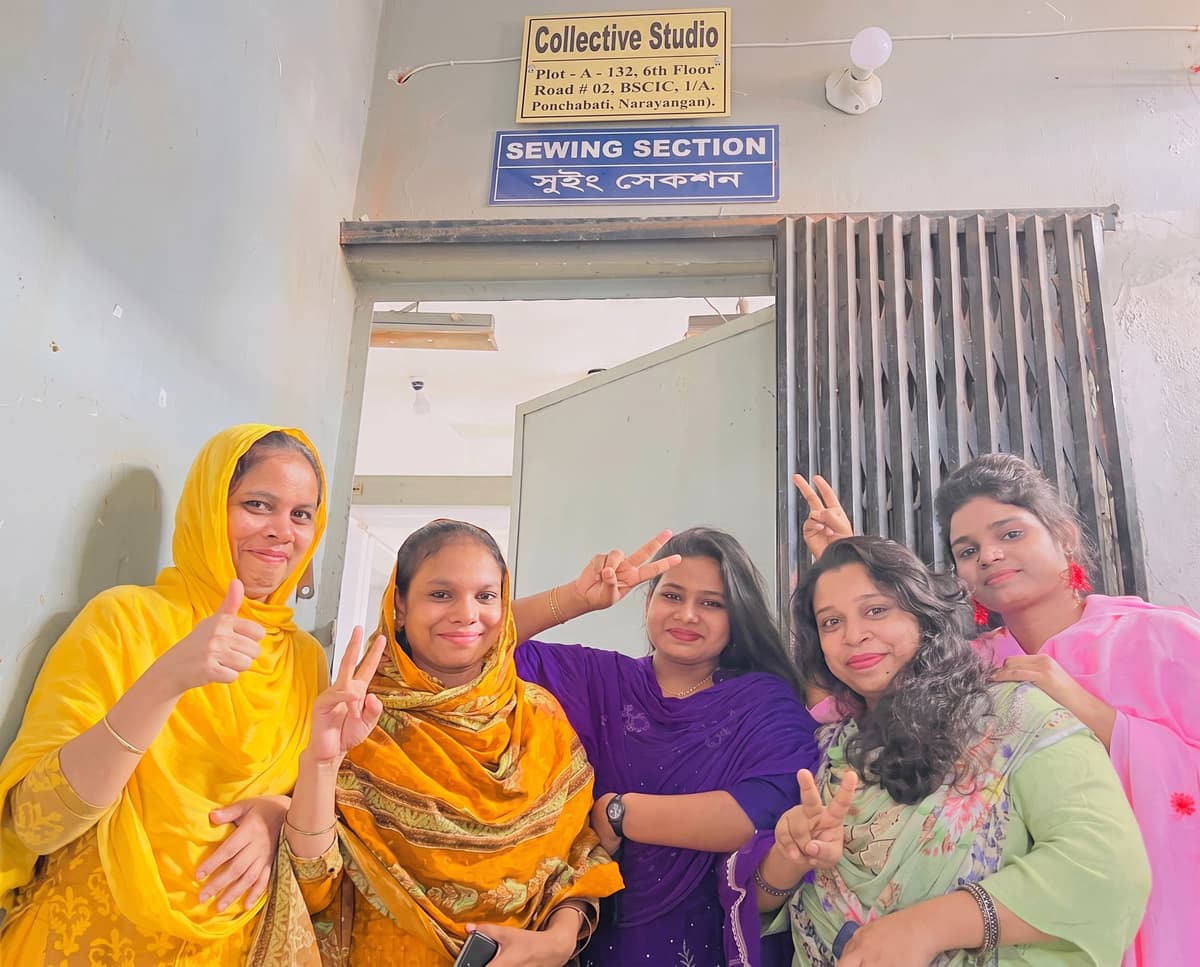
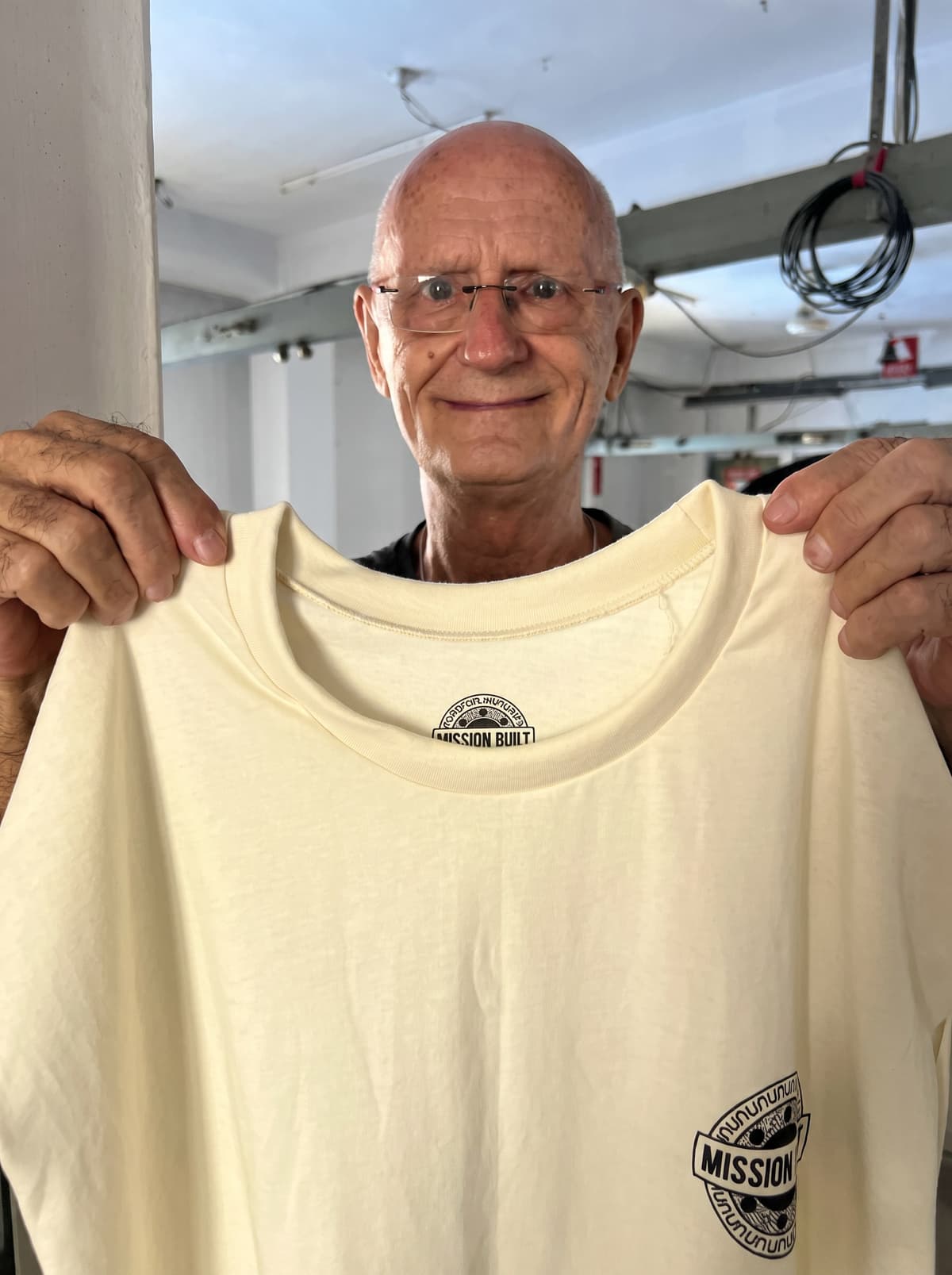
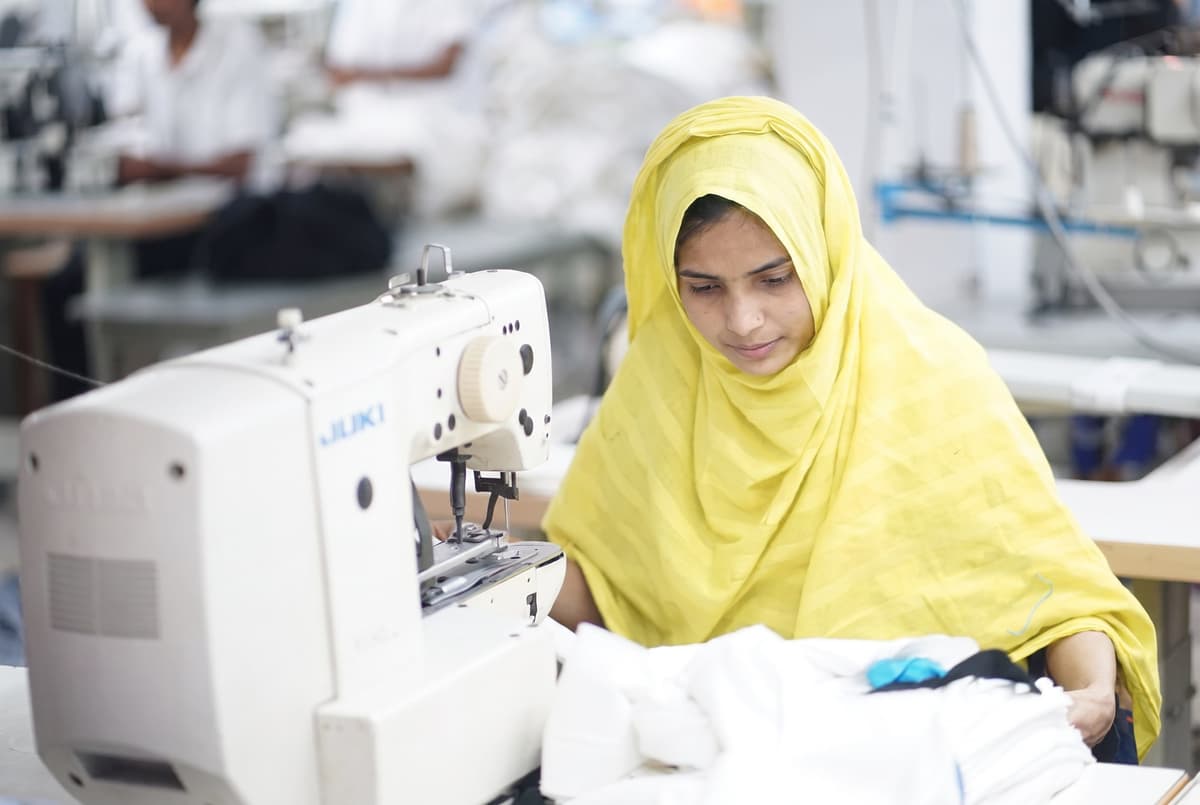
I have had a very good experience with this company. They are very friendly, professional, and provide fast service. They speak fluent English, which makes communication very easy. The quality of their manufacturing is excellent. I have no doubt in recommending this company to anyone looking for a reliable manufacturing partner in Bangladesh.
Talk to the factory directly: +880 1980 055021 · hello@collectivestudioltd.com
One hundred pieces per style, per colour — but on kidswear the size curve is what actually decides whether that works for you. An adult tee might run four sizes; a kids range spanning 2 to 12 years can run six or seven, so a hundred pieces split across seven sizes is roughly fourteen of each, which is thin for retail. The usual answer is to narrow the age range rather than the quantity: pick 3-6 or 7-12 for a first run instead of covering everything. We will help you set the curve based on where you expect to sell. Kidswear also carries safety requirements — no loose drawcords at the neck, secure fastenings, snap-strength testing — and those are built into the pattern from the start.
The consistent ones across markets are drawcords, small parts and flammability. Drawcords at the neck or hood are prohibited in children's garments in both the EU and US — that is a strangulation standard, not a style guideline, and we design them out regardless of where you sell. Small parts, meaning buttons, snaps and appliqué, must pass pull testing so they cannot detach and be swallowed. Flammability is where markets diverge most: US children's sleepwear must be flame-resistant or meet snug-fit measurements, which the EU does not require in the same way. Labelling requirements differ too. Tell us the destination market at the start rather than after sampling, because these rules change the pattern, the trims and the labelling, and none of them can be retrofitted to finished goods.
You can, and the safety rules differ by market in a way worth understanding before you design. In the US, children's sleepwear must either be flame-resistant or be snug-fitting to specified measurements — a loose-fitting cotton pyjama does not meet the snug-fit exemption and would need to be flame-resistant or sold under the tight-fitting rules. The EU and UK do not impose the same flammability regime on sleepwear but do regulate drawcords, small parts and fastening security. So the honest answer depends entirely on where you are selling. Tell us the market at the start, because it changes the fit specification, the fabric and the labelling, and none of those can be adjusted after production. We will also keep drawcords away from the neck and hood regardless of market.
GOTS-certified organic cotton, under certificate RSC 9687, which is listed in the Global Standard public database so you can check it without asking us. The certification matters more than the word organic on its own, because GOTS covers the whole chain — farming, ginning, spinning, dyeing, sewing and trading — against chemical restrictions, wastewater treatment and ILO-based labour criteria. Cotton can be genuinely organically farmed and still be dyed with restricted chemicals in a facility with poor conditions; that would be organic cotton and would not be GOTS. Two practical notes: certified fabric costs more per kilo and comes in its own lot minimums, so it lands harder on small runs, and we can issue a Transaction Certificate for your specific order when a retailer wants documented proof.
We make babywear and kidswear, and it carries requirements the rest of a range does not. No drawcords at the neck or hood — that is a safety standard, not a style preference, and it is enforced in both the EU and US. Fastenings have to pass pull tests, snaps and poppers included. Fabric is usually softer and lighter than the adult equivalent, and flat or covered seams matter more because skin contact is constant. The other practical issue is the size curve: a range spanning newborn to four years can run six or seven sizes, so a hundred pieces split across all of them is thin for retail. We normally suggest narrowing the age band on a first run rather than reducing the quantity.
Trims are specified and sourced before cutting, not improvised during production, and that is most of the answer. Our GOTS certification, RSC 9687, restricts which chemical inputs may be used across the chain and that extends to accessories and trims rather than covering fabric alone. For childrenswear we apply the additional requirements that market demands: no drawcords at the neck or hood, fastenings that pass pull testing, and no small parts that can detach. Where a buyer needs documented evidence rather than assurance, we can arrange OEKO-TEX or third-party lab testing on the specific components and provide the report with the shipment. Tell us at quote stage if your retailer has a trim testing protocol — building it into the run is straightforward, retrofitting it onto finished goods is not.
Trade and regulatory details on this page last verified 30 July 2026. Tariff and compliance terms change — ask us to confirm the current position for your order.
Whether it’s a large bulk or wholesale run or your first batch of 100, send a sketch, a reference, or a sentence. We’ll reply within one business day with fabric options and an indicative price.