How to Find a Clothing Manufacturer for Your Brand
Finding the right factory is the single decision that makes or breaks a new clothing brand. Get it right and you have a partner for years; get it wrong and you lose time, money, and sleep. Here's how to do it methodically.
1. Get clear on what you need first
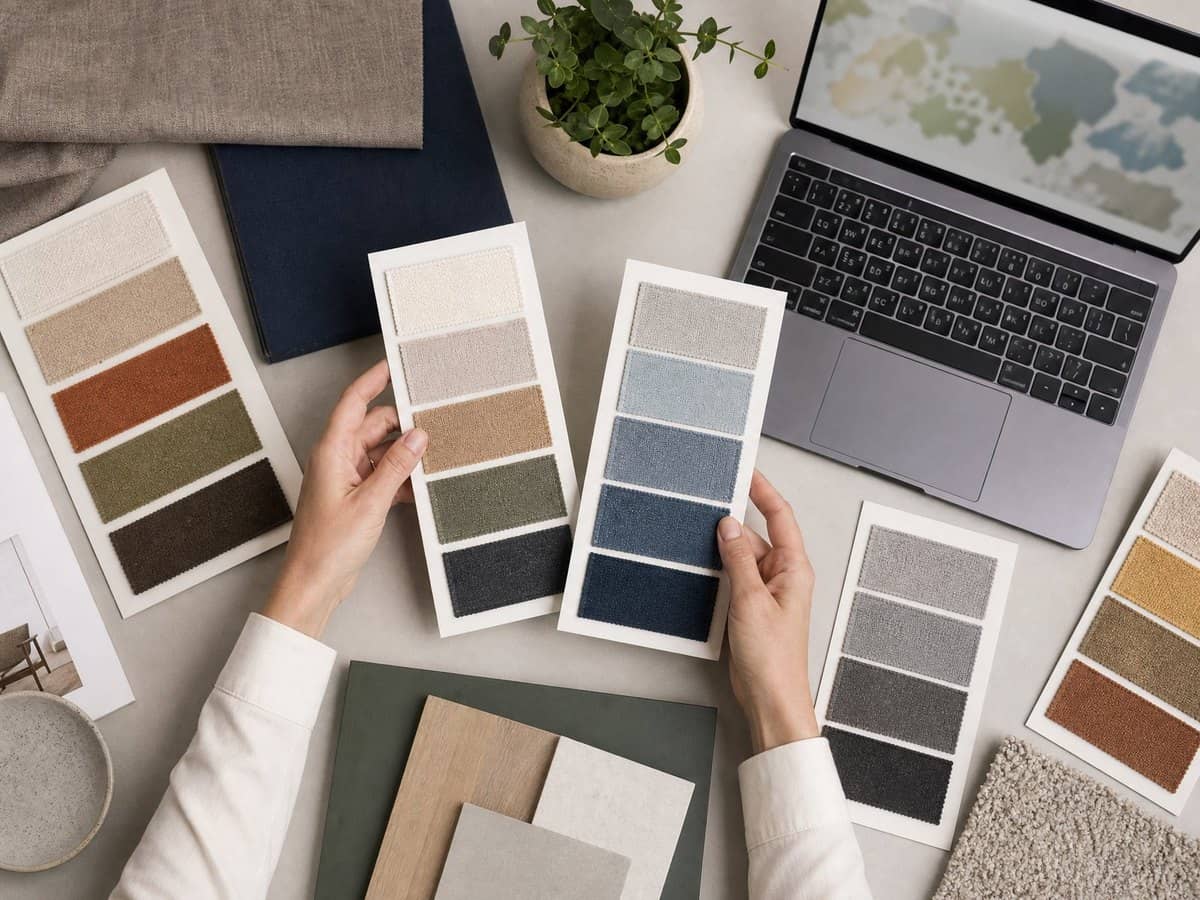
Before you contact anyone, write down: the product (e.g. heavyweight organic hoodie), the fabric and feel you want, your rough quantity, your budget, and your timeline. You don't need a tech pack yet — but the clearer your brief, the better and faster the replies you'll get.
2. Know where to look
- Industry directories — Sewport, Maker's Row, Kompass, and the GOTS supplier database for certified factories.
- Referrals — ask other founders; the best factories often come by word of mouth.
- Search — specific queries like "low MOQ knitwear manufacturer Bangladesh" beat generic ones.
- The factory's own site — a clear, honest website (like the one you're on) tells you a lot about how they work.
3. Vet them properly
Shortlist three to five and put them through the same checklist: real MOQ per style and colour, sampling process, who does quality control, certifications (and proof), shipping terms, and how quickly and clearly they reply. Communication speed is a feature — a factory that's slow to answer a sales enquiry will be slower once you've paid.
Treat your first email like an interview. The reply tells you more than any brochure.
Where to actually look
“Search online” is not a method. These are the channels that produce real factories, and what each is good and bad at.
- Association directories — BGMEA and BKMEA in Bangladesh, and their equivalents elsewhere. Membership is checkable and the listings are real manufacturers rather than resellers.
- Certification databases — searching the GOTS certified-suppliers database returns factories whose certification you can verify before you make contact. An unusually efficient filter.
- Trade shows — expensive but high signal. You can handle the product and meet the people in one afternoon.
- Referrals from non-competing brands — the highest-quality source available, and the most underused. Founders are generally willing to say who makes their product.
- Marketplaces — broad reach, lowest signal. Many listings are agents or trading companies rather than factories, so verify the entity before investing time.
How to write a first enquiry that gets a real reply
Factories triage enquiries, and most receive a great many that never become orders. A vague message asking for a price list gets a vague reply, if any. A specific one gets attention because it shows you are a real project.
Include five things: what you are making, roughly how many per style and colour, your target retail price, when you need it, and one reference garment whose fit you like. That last item does more work than a mood board — a factory can measure a garment. If you do not have a tech pack, say so plainly; a good supplier will build the spec with you rather than turn you away, and how they respond to that question tells you a great deal about what working with them will be like.
4. Never skip the sample
Always order and approve a physical sample before committing to bulk. It's the only way to judge fit, fabric, and finish — and it protects you from an expensive surprise. A trustworthy manufacturer insists on it too.
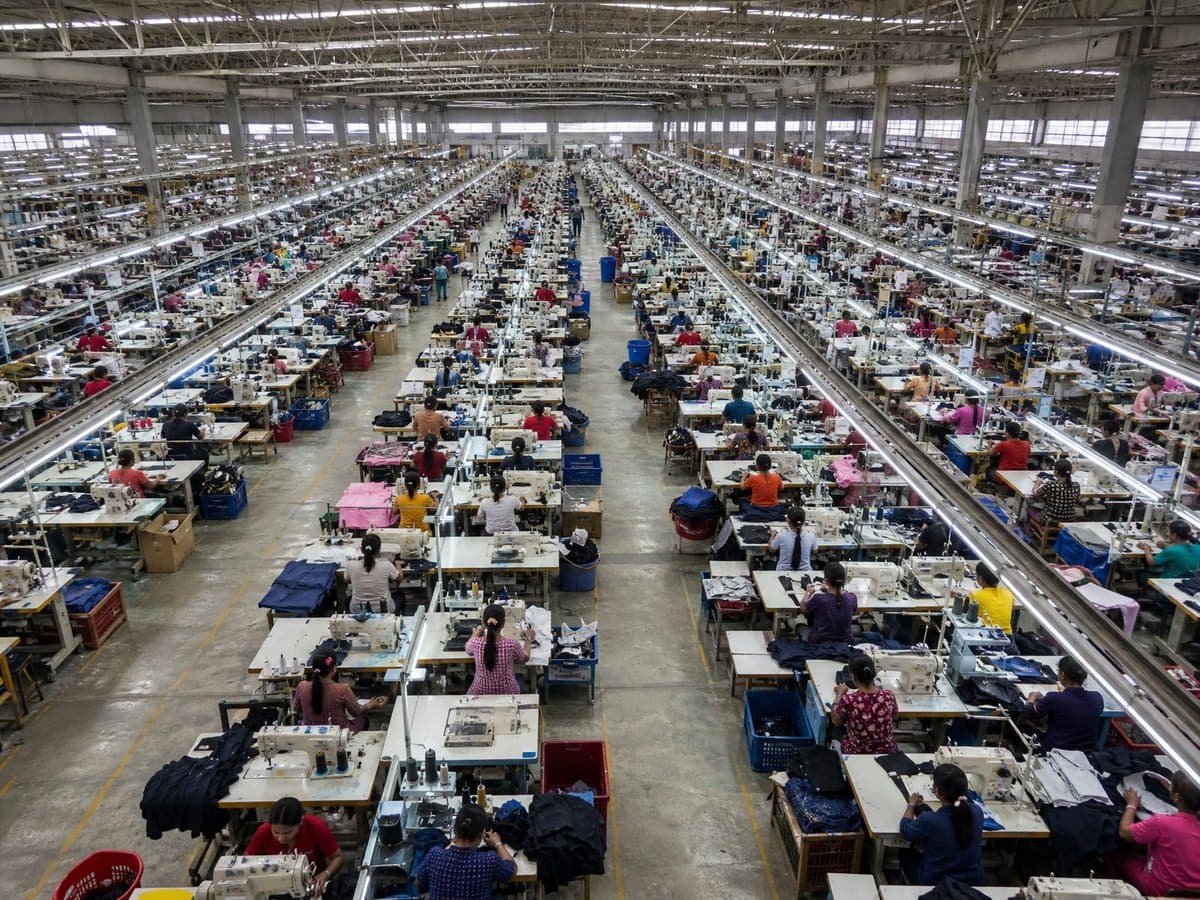
At Collective Studio — a clothing manufacturer in Bangladesh making cut-and-sew knitwear from our own floor — we make this easy: send a sketch or a sentence and we come back with fabric options, an indicative price, and a sampling plan — usually the same day. Start a conversation, or read our guides on choosing the best clothing factory in Bangladesh, MOQ and cost, and tech packs.
Frequently asked questions
How do I find a clothing manufacturer?
Start by pinning down what you are making and roughly how many, because that determines which factories are even relevant — a knitwear specialist and a woven outerwear factory are different businesses. Then find candidates through industry directories, trade shows, and referrals from other founders, which remain the highest-signal source. Where possible, contact factories directly rather than through agents: an agent adds a margin layer and a communication layer, and you lose visibility of who is actually making your product. Then qualify every candidate on the same questions — minimum order per style AND per colour, lead time, social-compliance audits, verifiable certifications, client references, and whether they will make a sample before bulk. Willingness to show you the factory, on video or in person, and to give you a certificate number you can check independently, separates real manufacturers from intermediaries quickly.
How do I find a manufacturer for a small clothing brand?
Look for factories that publish their minimum openly rather than making you ask, since transparency about MOQ tends to correlate with transparency about everything else. Many export factories require 500 to 1,000 pieces per style and colour, which is out of reach for a first run, but factories set up for emerging brands go considerably lower — around 100 pieces per style and colour is a realistic target for genuine cut-and-sew production. Be precise when comparing: confirm whether the minimum is per style and colour or per order, and whether the factory is manufacturing from your pattern or printing onto ready-made blanks, because those are very different products at very different quality levels. Also weigh whether they can scale with you, since outgrowing your first manufacturer and having to re-establish quality elsewhere is a painful stage to hit.
What should I ask a clothing manufacturer before ordering?
Ask a consistent set of questions and compare the answers side by side. The essentials: minimum order per style and per colour; realistic lead time from approved sample to delivery; which incoterm they quote, since FOB and DDP are not comparable numbers; social-compliance audits such as BSCI, Sedex/SMETA or WRAP; any product certifications, with a certificate number you can verify independently rather than a logo on a website; client references; payment terms; and confirmation that you will approve a physical sample before bulk. Then judge how they answer as much as what they answer. Specific, direct responses — including telling you plainly when something is outside their capability — are a better signal than universal agreement. Evasiveness about a factory visit, or reluctance to give a checkable certificate number, tells you a great deal.
Where this applies
The manufacturing pages this guide relates to, if you are costing a real run.
Free tools & guides for this
Sources & further reading
Have an idea? Let’s make it.
We manufacture from 100 pieces per style, with GOTS-certified organic options and photos at every stage. Send a sketch or a sentence — we’ll reply within a day.