Colour that matches on reorder
Your approved lab dip stays on file and every repeat batch is matched to it — so this year's leggings match last year's hoodie instead of being half a shade off.
Custom branded gym wear for studios and fitness brands — leggings, tops, hoodies and tees in performance fabrics, from a low minimum.
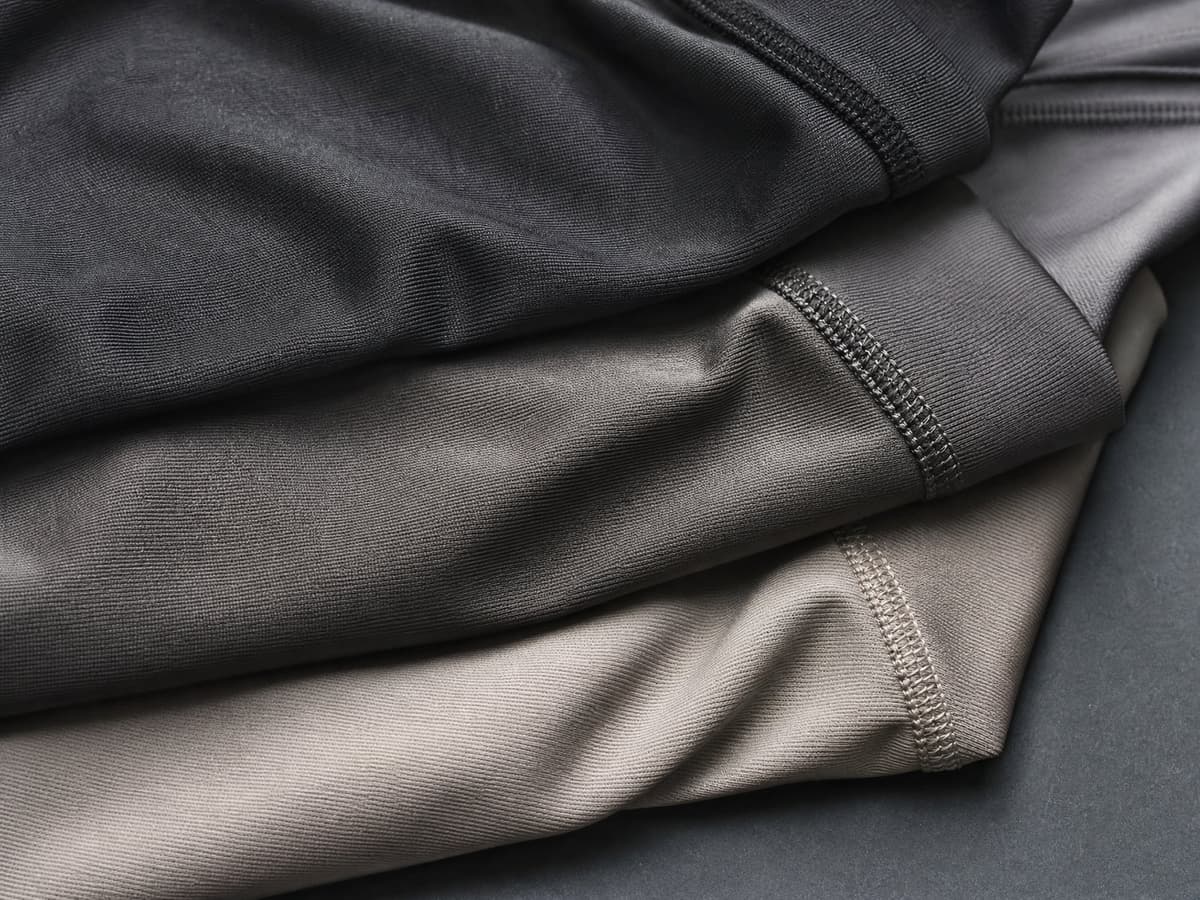
Gym kit has one requirement most apparel doesn't: your reorders have to match your first order. A member who bought your navy hoodie last year and buys the leggings this year will hold them up next to each other, and if the navy is half a shade off, it looks like a mistake. Dye lots naturally vary between production runs, so consistent brand colour across repeat orders isn't automatic — it comes from keeping your approved lab dip on file and matching every subsequent batch to it. We do that as standard, and it matters far more for a gym building a kit range over years than for a one-off drop.
The second thing that's specific to studios is size range. Your members are a wider spread of body types than a fashion brand's customer base, and a size curve pitched for a boutique will leave people out — which is a bad look for a gym in particular. we prefer to grade the range wider from the start than have you reorder because the extended sizes sold out immediately and the smalls didn't move.
On construction, the same things that make good activewear apply: leggings need 240–280 GSM to stay opaque under a squat (that's about knit density, not stretch), flatlock seams to avoid chafe, and a gusset to stop crotch seam failure. For decoration, embroidery on technical stretch fabric needs care — a dense logo stitched into four-way stretch restricts it and can pucker — so for leggings and bras we'd usually recommend heat transfer or sublimation over embroidery, and save embroidery for hoodies and caps where the fabric is stable.
If you are comparing gym clothing manufacturers, the question that saves the most trouble is about reorders rather than the first run. Gym kit sells slowly and steadily rather than in drops, so the supplier who matters is the one who can make the same garment again in six months and have it match — same fabric lot behaviour, same colour, same fit. Ask what happens on a repeat order: whether your pattern and fabric spec are kept on file, and what the minimum is the second time. A supplier who treats every order as a new job will drift on colour, and members notice when this year's hoodie does not match last year's.
Your approved lab dip stays on file and every repeat batch is matched to it — so this year's leggings match last year's hoodie instead of being half a shade off.
Gym membership spans a wider range of body types than a fashion customer base. we'd rather grade wider from the start than have you reorder the extended sizes immediately.
Opacity under stretch comes from knit density, not elastane content — plus flatlock seams and a gusset so the kit survives real training.
Dense embroidery restricts four-way stretch and puckers. We'd steer you to heat transfer or sublimation on leggings and bras, embroidery on hoodies and caps.
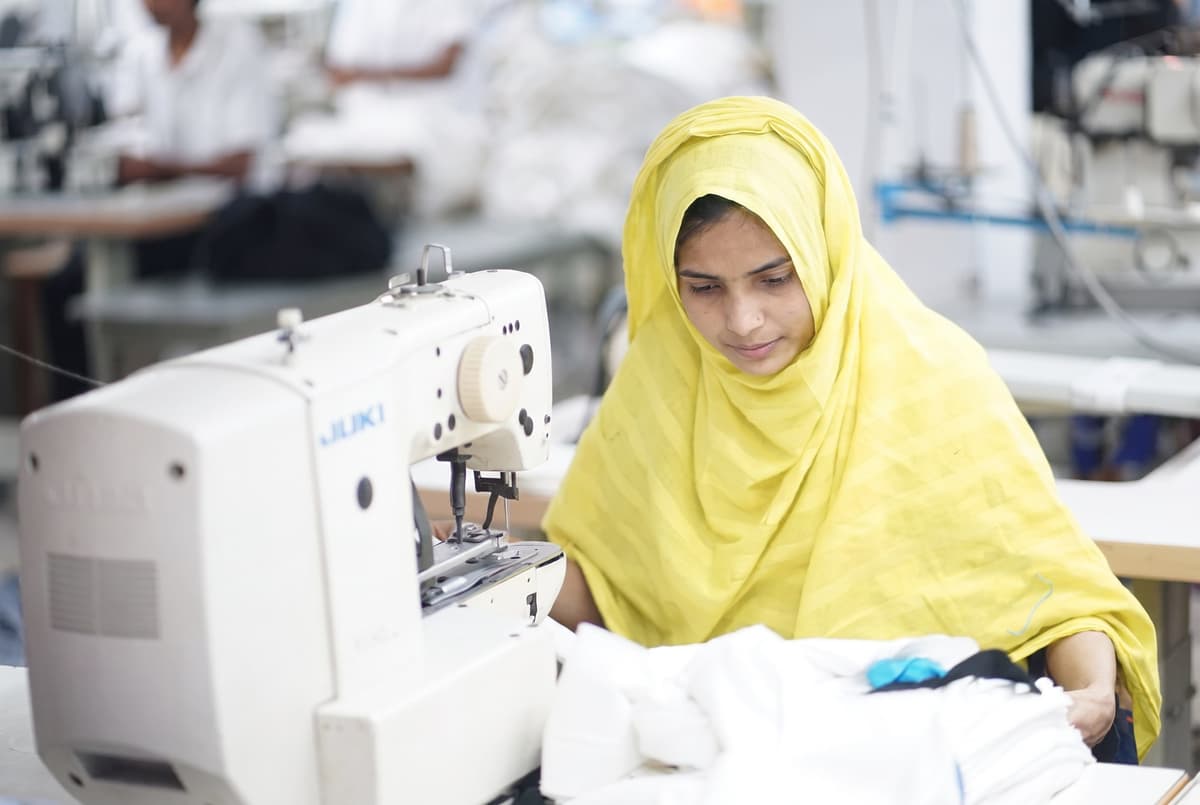
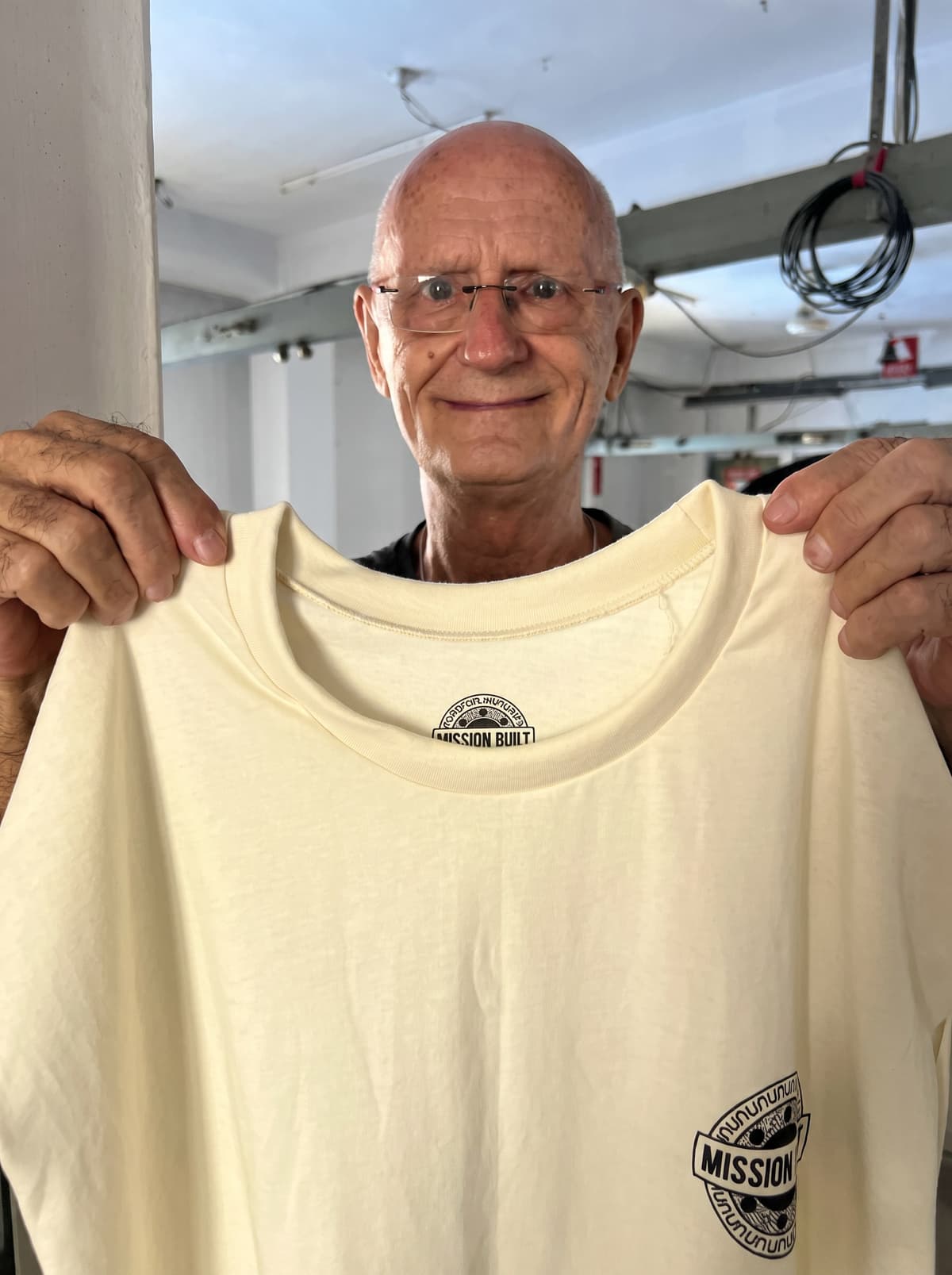
Nice supplier that is looking to develop new buyers and products.
Talk to the factory directly: +880 1980 055021 · hello@collectivestudioltd.com
Yes, and it is one of the more common first orders we take. One hundred pieces per style per colour means a single site can realistically start with a hundred tees and a hundred hoodies in one colourway, branded properly rather than heat-pressed onto blanks bought in. The difference matters more than gym owners expect: a printed blank is someone else's garment with your logo on it, and the fit, fabric weight and durability are outside your control. Making your own means you choose the weight, the fit and the fabric, and you can reorder the identical product a year later. For multi-site operators the same floor applies per colour, so a shared colourway across locations is the efficient route.
Very closely, and we will be straight about where the variation sits. Pattern, construction and trims carry over exactly, because they are recorded and approved once. The variable is dye: colour is chemistry, and a batch dyed months later can land marginally different from the first, which is a physical reality across the industry rather than a shortcoming. We manage it by keeping your approved lab dip on file and matching new lots against it, and by flagging any deviation before we cut rather than after you receive the goods. If exact matching across seasons is critical — for a uniform programme, say — the reliable answer is to dye the whole quantity in one lot up front and hold the stock. We will tell you honestly if a shade is likely to be difficult to repeat.
Fewer than you think for a first run, and chosen from where you actually sell. A five-size range from XS to XL is the usual starting point for adult unisex; womenswear often runs XS to XL as well but with a different block. The trap is spreading a hundred pieces across seven sizes, which leaves you fourteen of each — too thin for a retailer and too thin to learn anything. Better to run five sizes deep than seven shallow. The ratio matters as much as the range: a typical curve weights the middle sizes far more heavily than the ends, commonly something like 1:2:3:2:1 across five sizes, though your own sales data beats any standard curve. Send us your ratio and we will cut to it rather than splitting evenly.
Screen print, embroidery, sublimation, heat transfer or woven label — and we will tell you which suits your artwork rather than defaulting to whichever is easiest for us. The choice depends on three things: the fabric, the size of the mark, and how it should feel. A small chest logo on a premium piece usually wants embroidery. A large graphic on cotton wants screen print. An all-over design on polyester wants sublimation. What we need from you is vector artwork — AI, EPS or PDF — plus the finished width in centimetres and the placement. A low-resolution image has to be redrawn, and redrawing means someone interprets your logo rather than reproducing it. Send what you have and we will tell you honestly whether it will hold at the size you want.
That depends on fabric weight and knit density, and it is testable rather than a matter of opinion. Squat-proof means the fabric does not go sheer under stretch. We build leggings in the 260-320gsm range for that reason — below roughly 240gsm most knits thin out visibly when stretched over the seat, regardless of what the label claims. Density matters as much as weight: a tightly knitted 280gsm performs better than a loose 300gsm. Colour plays a part too, since pale shades show through more than dark. We test it the obvious way on the pre-production sample — stretch the panel over a hand and look. If you want certainty, ask us to squat-test the sample before approval, and we will do it and send you the photograph.
Trade and regulatory details on this page last verified 30 July 2026. Tariff and compliance terms change — ask us to confirm the current position for your order.
Whether it’s a large bulk or wholesale run or your first batch of 100, send a sketch, a reference, or a sentence. We’ll reply within one business day with fabric options and an indicative price.