Jet dyeing knitted fabric at a partner plant
Jet dyeing machines and bins of freshly dyed fabric at a partner dyeing plant in Bangladesh, where knitted fabric is dyed before it is cut.
- Length
- 0:25, no sound
- Filmed at
- A partner mill in Bangladesh (not our own floor)
What you are seeing
Knitted fabric is loaded into these sealed machines and circulated through hot dye liquor until it reaches the approved shade. The bins hold fabric just out of the machines.
Each batch through one machine is one dye lot. That is why minimums are set per colour, and why a reorder is matched to the approved lab dip rather than to the last delivery.
Along the top of the long machine is a row of round hatches where fabric is loaded. The blue bins beside the machines are piled with red, black, pale pink and beige fabric, and blue plastic drums stand on a wet floor next to a metal walkway.
The bins show several colours coming out of the same hall. Shade is only half of it: ask for wash and rubbing fastness results on the dyed fabric, and compare a bulk piece with your approved sample in daylight.
We cut and sew garments on our own floor in Narayanganj. Knitting and dyeing are done by partner mills in Bangladesh, and this footage was filmed at one of them.
How jet dyeing works
This footage was filmed at a partner dyeing plant. We cut and sew on our own floor; fabric is dyed at partner dye houses we book and inspect. In a jet dyeing machine, knitted fabric is sewn end to end into a loop, loaded through hatches like the ones along the top of this machine, and driven round the sealed vessel by a jet of hot dye liquor. Moving the fabric in rope form with liquid, rather than pulling it under tension, is gentle on knits, which would distort if they were stretched.
A dye cycle for cotton usually runs in stages: the fabric is prepared so it takes dye evenly, dyed, typically with reactive dyes that bond with the fibre, then rinsed and washed off to remove unfixed dye, and often softened. The landing page for custom dyeing compares reactive, pigment and garment dyeing.
Lab dips, lots and your colour count
Before bulk is dyed, the plant produces a lab dip, a small swatch of your fabric dyed to your colour reference, and you approve it. Bulk is then dyed to that recipe, one machine load at a time, and each load is a dye lot. Our minimum of 150 pieces per style and per colour follows from this: each colour is a separate lot, with its own dip and its own run, however few garments it becomes.
This is the reason adding colourways adds more to an order than adding pieces. The MOQ calculator shows how a split across colours plays out, and our guide to dye lots explains why a reorder is matched to the approved dip, not to the last delivery.
Shade and fastness checks
Bulk fabric is checked against the approved dip before cutting, and the finished garments again before packing. Ask for wash fastness results, for example to ISO 105-C06, and rubbing fastness results to ISO 105-X12 on the dyed fabric. Rubbing matters most for deep shades like the red and black in the bins here, which can mark lighter fabric or furniture when they are new.
If your garment combines a body fabric and a rib in the same colour, ask whether both are dyed in the same lot. A cuff a shade off the sleeve is a fault everyone sees and nobody can fix after cutting.
Where this clip appears
- Organic Cotton Clothing Manufacturer
- Activewear Manufacturer for Gyms
- Low MOQ Clothing Manufacturer
- Low MOQ Clothing Manufacturer in Bangladesh
- Sustainable Clothing Manufacturer
- Bekleidungshersteller für kleine Mengen
- Fabricant de vêtements en petite quantité
- Fabricante de ropa en pocas unidades
- Producent odzieży z niskim minimalnym zamówieniem
- 小ロット対応のアパレルOEMメーカー
- Sustainable Fabrics: 12 Compared, and the Proof to Ask For
- Bangladesh Garment & Textile Industry: 2026 Key Figures
- Low MOQ Clothing Manufacturers in Bangladesh: 12 Compared
- Dye Lots: Why Your Reorder Doesn't Match
- Garment Dyeing vs Piece Dyeing, and How Acid Wash Is Made
Jet dyeing knitted fabric at a partner plant: questions brands ask
Can the rib and the body fabric be dyed in the same lot?
Often yes, and on a strong or unusual shade it is worth asking for. Rib and body are different fabrics, usually knitted separately, but they can be loaded into the same dye batch so they share one recipe, one machine and one run. That gives the best chance of a cuff, a neckband and a body that match exactly. When they are dyed separately, each is dyed to the same approved lab dip and checked against it, and the result is usually close, but two lots of one recipe can still finish slightly apart, and the difference shows where rib meets body. Different structures also take dye a little differently, so even in one batch a rib can look marginally lighter or darker because of its texture. Check cuffs and neckband against the body on the sample in daylight. Garment dyeing, where the sewn garment is dyed, colours everything in one bath, with its own trade-offs in shrinkage and variation.
Why can an approved lab dip look different in my shop?
Usually because of the light, an effect called metamerism: two colours that match under one light can look different under another. Two dye recipes can reflect light in different ways and still look identical in one particular light. So a garment that matched your reference perfectly under the dye house's lights can look warmer, greener or duller under the lighting in a shop, or outside in daylight. Nothing went wrong in the dyeing. Dye houses and retailers deal with this by judging colour in a light box, a cabinet with standardised light sources, rather than by a window or under office lights. When you approve a lab dip, compare it with your reference under more than one light: daylight, the light in your own space and, if you know it, the light where the garment will be sold. Tell us if store lighting matters, so the dip can be checked under a similar source.
What is jet dyeing?
Jet dyeing is a way of dyeing knitted fabric in a sealed machine, where the fabric is sewn end to end into a loop and driven round the vessel by a jet of hot dye liquor. The fabric is loaded through hatches, like the row of round hatches along the top of the long machine in this clip, and circulates in rope form until it reaches the approved shade. A dye cycle for cotton usually runs in stages: the fabric is prepared so it takes dye evenly, dyed, typically with reactive dyes, rinsed and washed off to remove unfixed dye, and often softened. Each machine load is one dye lot. Jet dyeing is the usual method for T-shirt, sweatshirt and hoodie fabric. This clip was filmed at a partner dyeing plant in Bangladesh; Collective Studio cuts and sews on its own floor and books dyeing with partners.
Why is jet dyeing used for knitted fabric?
Jet dyeing suits knitted fabric because it moves the fabric with liquid rather than pulling it under tension, which would stretch and distort the loops. Knits are far more stretchy than woven fabrics, so methods that run fabric flat and taut through rollers can leave it pulled out of shape. In a jet machine the fabric travels in a loose rope, carried by the flow of hot dye liquor, so it stays relaxed while dye reaches every part of it evenly. The sealed vessel also holds the temperature and pressure steady through the cycle, which helps a lot dye to an even shade. Rope dyeing has its own risks, such as crease marks on some fabrics, which are part of what is checked on the dyed fabric. For a brand, the method matters less than the results: the shade against your lab dip, the fastness and the shrinkage.
What are reactive dyes, and why are they used on cotton?
Reactive dyes are dyes that form a chemical bond with cotton fibre, which is why they give bright, durable colours that hold up well in washing. They are the usual choice for dyeing cotton knit fabric for T-shirts, sweatshirts and hoodies. During the dye cycle the dye attaches to the fibre itself, rather than sitting on the surface, and the unfixed dye that has not bonded is rinsed and washed off at the end. That washing-off step is important, because dye left loose in the fabric is what bleeds onto other garments in a customer's first washes. Pigment dye works differently: it sits on the surface with a binder, which gives a softer, faded look but less fastness. Garment dyeing colours the sewn garment instead of the fabric. The custom dyeing page on our site compares reactive, pigment and garment dyeing in more detail.
Why is the minimum order set per colour instead of per order?
The minimum is set per colour because every colour is dyed as its own lot, with its own lab dip and its own run through the dye machine, however few garments it becomes. Collective Studio's minimum is 150 pieces per style and per colour. A style in three colours is three lots, three lab dips and three dye runs, and each run has a practical minimum amount of fabric, so a colour with very few pieces costs almost as much effort as one with many. That is why adding colourways adds more to an order than adding pieces in the same colour. If your budget is tight, fewer colours with more pieces each is usually the more efficient plan for a first order. The MOQ calculator on our resources page shows how a total quantity splits across colours before you ask for a quote.
What is the difference between wash fastness and rubbing fastness?
Wash fastness measures how well a dyed fabric keeps its colour and avoids staining other fabrics in washing, while rubbing fastness measures how much colour rubs off onto another surface. Wash fastness is commonly tested to ISO 105-C06, which grades the change in the fabric's own shade and the staining on adjacent fabrics after a controlled wash. Rubbing fastness, sometimes called crocking, is tested to ISO 105-X12, where a white cloth is rubbed against the fabric, dry and wet, and graded for the colour it picks up. Both are graded on scales where a higher grade is better. Rubbing matters most for deep shades such as the red and black in the bins in this clip, which can mark lighter clothing, bags or furniture when they are new. Ask for both results on the dyed fabric for your order, not only a shade approval.
Why is my reorder matched to the original lab dip rather than my last delivery?
A reorder is matched to the approved lab dip because that dip is the fixed colour standard, while every delivery is a separate dye lot that sits slightly within the tolerance around it. Each machine load is dyed to the same recipe, but water, fibre and machine conditions vary a little, so two lots of one colour can finish slightly apart. If each reorder were matched to the last delivery instead of the standard, those small differences could add up season after season and the colour would drift away from what you approved. Keeping the approved dip on file and dyeing every lot back to it keeps the colour anchored. It also means a reorder can differ a little from the stock already in your warehouse, so avoid mixing two lots in one display or one pack, and check a bulk piece from the new lot against the standard in daylight.
More from the floor and the mills
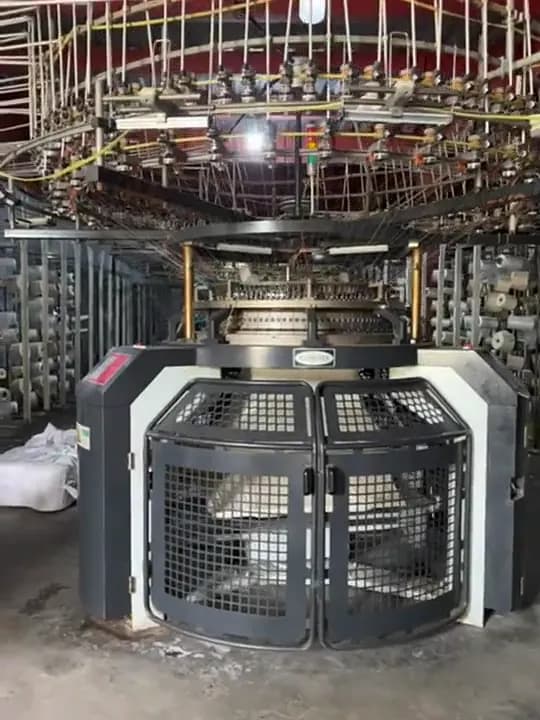 0:25Partner millCircular knitting machines at a partner mill
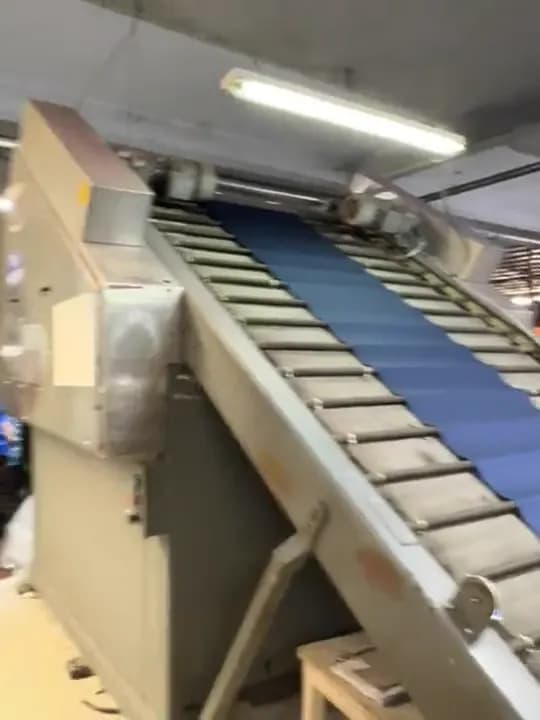 0:11Partner millInside a partner fabric dye house
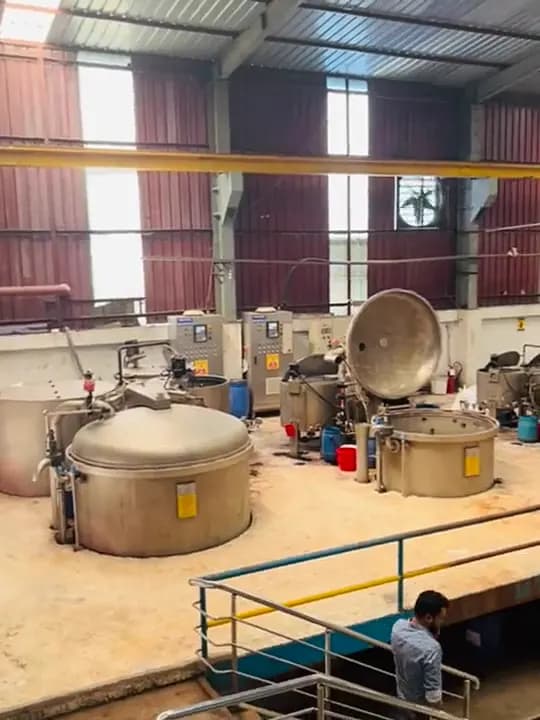 0:09Partner millA yarn dye house at a partner mill
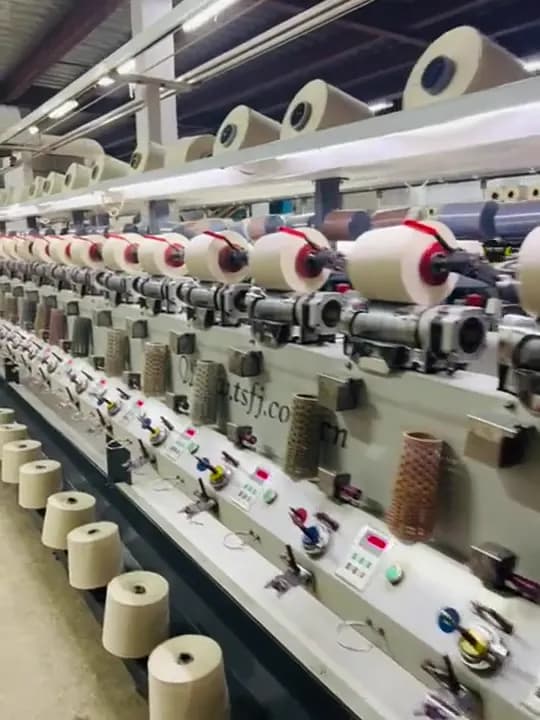 0:25Partner millA yarn-winding hall at a partner mill
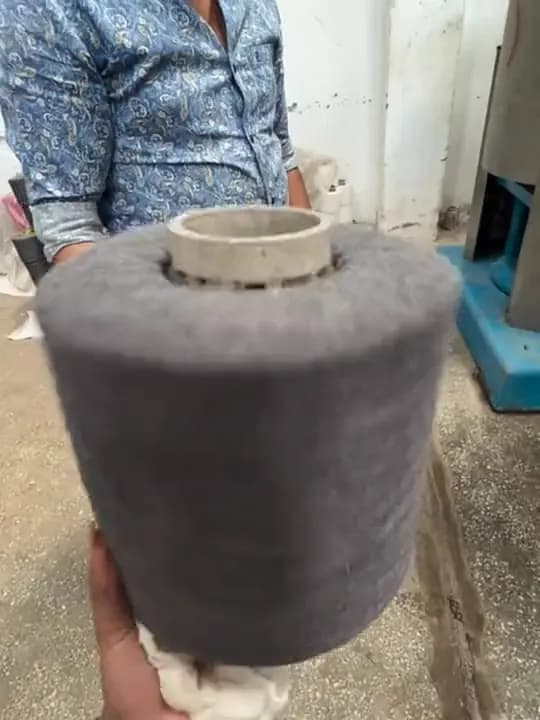 0:25Partner millChecking yarn at a partner mill
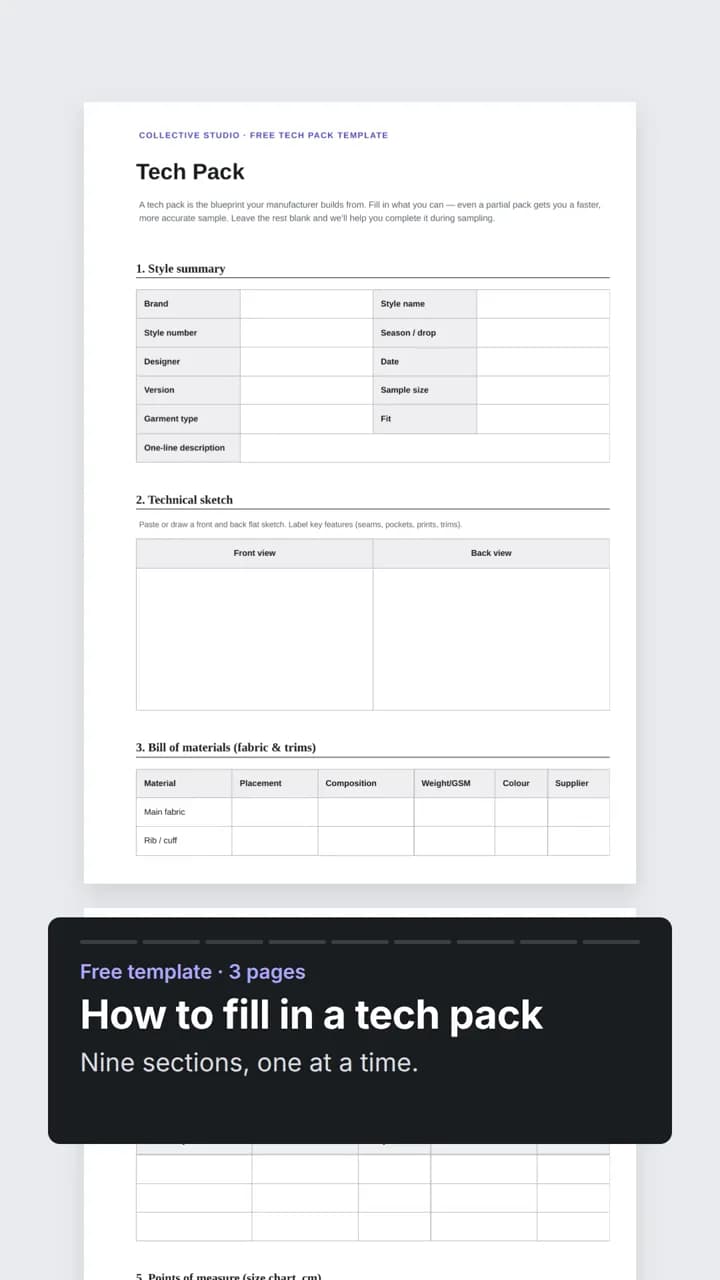 1:08WalkthroughHow to fill in a tech pack, section by section