Circular knitting machines at a partner mill
Circular knitting machines fed from overhead yarn creels at a partner knitting mill in Bangladesh, where fabric is knitted before it is cut and sewn.
- Length
- 0:25, no sound
- Filmed at
- A partner mill in Bangladesh (not our own floor)
What you are seeing
Yarn runs from the cones on the creel above into each machine, which knits it into a continuous tube of fabric. Jersey, rib, interlock and fleece are all knitted on machines like these, set up differently.
A fabric's weight (GSM) is set here, by the yarn and the stitch length, which is why the weight agreed in your tech pack has to reach the mill before knitting starts.
Woven sacks of yarn cones stand on the floor between the creels, and the lower part of each machine is enclosed in a mesh guard, where the knitted fabric collects. A control panel with a red digital display stands beside one machine, and amber signal lamps sit above the machines.
Fabric comes off these machines unfinished, and its weight and width change when it is dyed and finished. Ask for the finished GSM of the fabric for your order, not the knitted figure, and check it against the weight in your tech pack.
We cut and sew garments on our own floor in Narayanganj. Knitting and dyeing are done by partner mills in Bangladesh, and this footage was filmed at one of them.
What a circular knitting machine does
This clip was filmed at a partner knitting mill. We cut and sew on our own floor in Narayanganj, and fabric is knitted at mills we book and inspect. A circular knitting machine holds a ring of needles in a rotating cylinder. Yarn comes down from the creel through a series of feeders, each needle forms a loop as it passes, and the loops build up into a continuous tube of fabric that winds onto a roll under the machine.
Two settings define the fabric. The machine's diameter sets the width of the tube, and its gauge, the number of needles per inch, sets how fine the fabric can be. Single jersey is knitted on the cylinder alone. Rib and interlock need a second set of needles in a dial above the cylinder, which is why they are thicker and more stable. Fleece is knitted with an extra loop yarn on the back that is brushed later. Our guides to jersey and interlock explain the structures.
Where knitting sits in your order
Bulk fabric is knitted after your sample is approved, as part of the 40 to 50 days of production, and then goes on to be dyed and finished before it reaches our floor to be cut. Because knitting comes first, the fabric specification has to be fixed before production starts: a change of weight or yarn after knitting means new fabric. Ask whether your sample was made in the same fabric quality as bulk will be, so that what you approve is what gets knitted.
What to specify, and the faults to look for
For knitted fabric, give the structure, the composition, the yarn type and the finished weight in GSM, plus a shrinkage limit. If you only know the feel you want, send a reference garment. The fabric and GSM guide lists typical weights by garment, our GSM converter handles ounces, and our guide to combed, carded and ring-spun cotton covers the yarn choice.
Knitting faults usually run along the length of the fabric. A damaged needle leaves a vertical line, a dropped stitch leaves a ladder or a hole, a thick place in the yarn shows as a slub, and mixed yarn lots show as faint horizontal bands. Hold a sample or a bulk piece up to the light and look along its length as well as across it.
Where this clip appears
- Low MOQ Clothing Manufacturer
- Low MOQ Clothing Manufacturer in Bangladesh
- Knitwear Manufacturer
- Sustainable Clothing Manufacturer
- Bekleidungshersteller für kleine Mengen
- Fabricant de vêtements en petite quantité
- Fabricante de ropa en pocas unidades
- Producent odzieży z niskim minimalnym zamówieniem
- 小ロット対応のアパレルOEMメーカー
- Interlock Fabric: The Anti-Curl Double Knit, GSM, vs Jersey
- Pique Fabric (Piqué): What It Is, Polo Knit vs Jersey
- Jersey Fabric: What It Is, Flat Jersey, Cotton & GSM
- What Is French Terry Fabric? Loops, GSM, Uses and vs Fleece
- Bangladesh Garment & Textile Industry: 2026 Key Figures
- How Much Cotton Is in a T-Shirt? Fabric per Shirt by GSM
- Best GSM for Hoodies and T-Shirts: 140–500 GSM Chart
Circular knitting machines at a partner mill: questions brands ask
What does machine gauge mean for my fabric?
Gauge is the number of needles per inch on a knitting machine, and it decides how fine the fabric can be. A higher gauge packs more needles into each inch, so it knits finer yarn into smaller loops, giving a smoother, denser fabric of the kind used for lightweight tees and fine interlock. A lower gauge uses thicker yarn and larger loops, for heavier, more open fabrics. Gauge works together with the yarn and the stitch length: the same machine can knit a range of weights by changing the yarn and how much of it goes into each loop, but each gauge suits a band of yarn counts. You do not usually need to specify gauge yourself. Give the weight in GSM, the composition and a reference swatch or garment, and the mill chooses the machine. Gauge is worth knowing about when two fabrics of the same weight feel different, because it is often the reason.
What knitting faults should I look for in fabric or a finished garment?
Look for lines, holes and bands, and look in good light along the length of the fabric. A needle line is a fine vertical stripe running the whole length of a roll, caused by one damaged or misaligned needle; look for it on the other garments too. A dropped stitch leaves a small hole that can run into a ladder when the fabric is stretched. Slubs are thick spots in the yarn that show as small lumps on the surface. Barré is a pattern of faint horizontal bands, often from mixing yarn lots on one machine. Machine oil can also leave small grey spots. Most of these should be caught when the rolls are inspected before cutting, because a fault cut into a panel becomes a fault in every garment from that part of the roll. In a final inspection, holes and needle lines on the face are usually counted as major defects.
What is a circular knitting machine?
A circular knitting machine knits yarn into a continuous tube of fabric using a ring of needles in a rotating cylinder. Yarn comes down from cones on a creel above the machine, passes through a series of feeders, and each needle forms a loop as it passes. The loops build up into a tube that winds onto a roll under the machine. Two settings define what it can make: the diameter sets the width of the tube, and the gauge, the number of needles per inch, sets how fine the fabric can be. Almost all the knit fabric in T-shirts, sweatshirts, hoodies and joggers starts on machines like these. This clip was filmed at a partner knitting mill in Bangladesh. Collective Studio cuts and sews on its own floor in Narayanganj, and its fabric is knitted at mills it books and inspects for each order.
Which fabrics are made on circular knitting machines?
Single jersey, rib, interlock, piqué, French terry and fleece are all knitted on circular machines, each set up differently. Single jersey, the fabric of most T-shirts, is knitted on the cylinder needles alone. Rib and interlock need a second set of needles in a dial above the cylinder, which knits loops on both faces and makes the fabric thicker and more stable. Piqué uses a pattern of tucked stitches to give its textured surface. French terry and fleece are knitted with an extra loop yarn on the back; in fleece those loops are brushed afterwards to make the soft, raised inside. The same machine cannot switch freely between all of these, so a mill runs each fabric on machines built and set for it. For a brand, this is why choosing the fabric structure is one of the first decisions in a tech pack, before weight or colour.
How is fabric weight (GSM) set when fabric is knitted?
Fabric weight in GSM is set at knitting by the yarn count and the stitch length, the amount of yarn that goes into each loop. A thicker yarn or a longer stitch puts more yarn into each square metre and makes a heavier fabric; a finer yarn or a shorter stitch makes a lighter one. The machine gauge limits the range of yarn that suits it. That is why the weight agreed in your tech pack has to reach the mill before knitting starts, because once the yarn is knitted the weight cannot be changed. The fabric also changes after knitting. Dyeing and finishing shrink and compact it, so its weight and width when it reaches the cutting table differ from the figure coming off the machine. Always ask for the finished GSM of your fabric, and check it against the weight in your tech pack on the sample and on bulk.
What is the difference between greige GSM and finished GSM?
Greige GSM is the weight of the fabric straight off the knitting machine, before dyeing and finishing; finished GSM is its weight after them, which is what you actually buy and wear. Knitted fabric is wet processed, dried and set to width after it leaves the machine, and those steps change its dimensions. It usually shrinks in length and width and becomes heavier per square metre as the loops close up, although the exact change depends on the fabric, the finish and how it was set. A mill therefore knits to a greige weight that it expects to reach your finished weight. For a brand, the figure that matters is the finished GSM, because that is what your size chart and your customer depend on. Specify the finished weight in your tech pack, ask for it to be measured on your lot, and compare it on the sample.
When is the fabric for my order knitted?
Bulk fabric is knitted after your sample is approved, as part of the 40 to 50 days of production at Collective Studio. After knitting it goes to be dyed and finished, then reaches our floor in Narayanganj to be checked and cut. Because knitting comes first, the fabric specification has to be fixed before production starts: the structure, the composition, the yarn and the finished weight. A change after knitting means new fabric, which costs time. It is worth asking whether your sample was made in the same fabric quality as bulk will be, so that what you approve on the sample is what gets knitted. Sampling itself takes about 10 days, and with freight the whole order takes about 70 days from order to your door by air. If you have a fabric in mind, send a swatch or a reference garment before sampling.
What is fleece, and how is it knitted?
Fleece is a knitted fabric with a smooth face and a soft, brushed back, made by knitting an extra loop yarn into the back of the fabric and then brushing those loops. On a circular knitting machine the face is knitted like jersey, while a second yarn is laid in behind it in loops. Left unbrushed, those loops give French terry, the looped-back fabric of many sweatshirts. Brushed, they lift into a raised pile that traps warm air, which is what makes fleece warmer and softer inside. Fleece is the usual fabric for hoodies, sweatshirts and joggers that need warmth. Brushing loosens fibres, so fleece can pill or shed more than terry, and the backing yarn matters for how it wears. When you specify fleece, give the composition, the finished weight in GSM and whether the back is brushed, and send a reference swatch if you can.
More from the floor and the mills
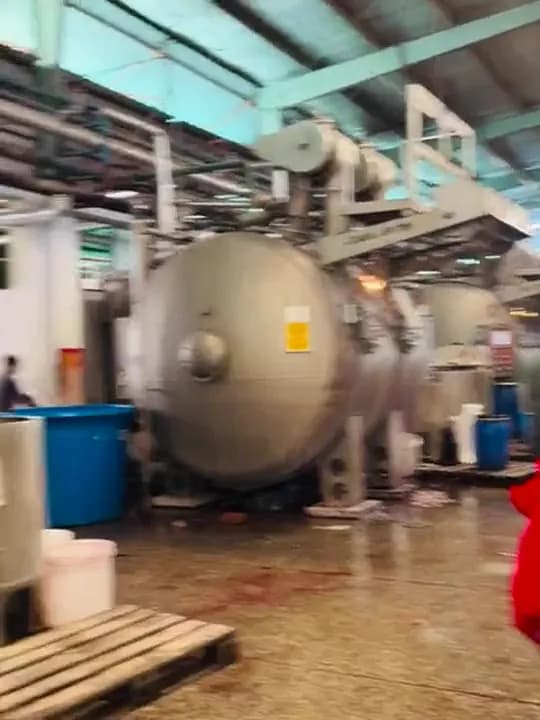 0:25Partner millJet dyeing knitted fabric at a partner plant
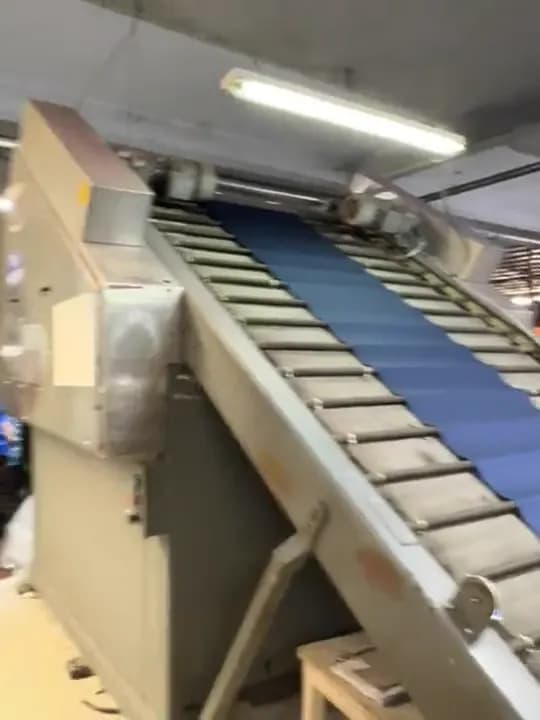 0:11Partner millInside a partner fabric dye house
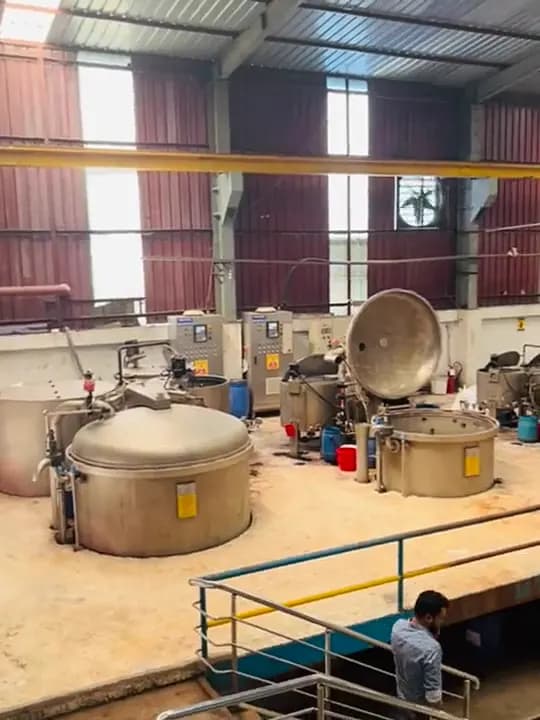 0:09Partner millA yarn dye house at a partner mill
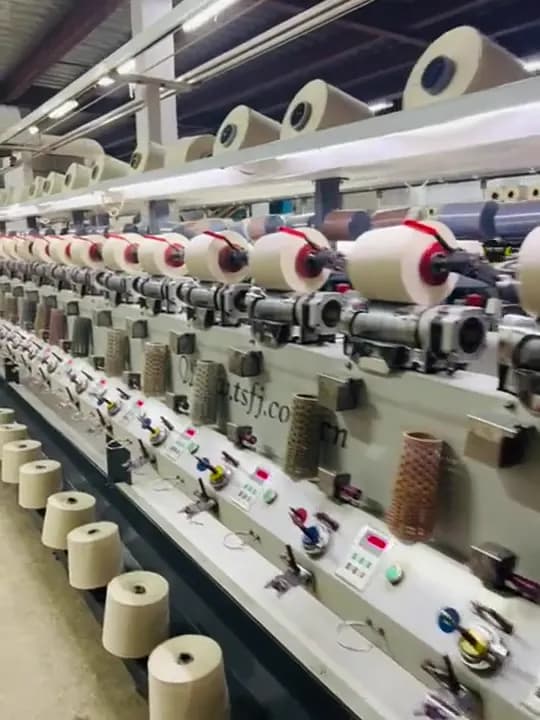 0:25Partner millA yarn-winding hall at a partner mill
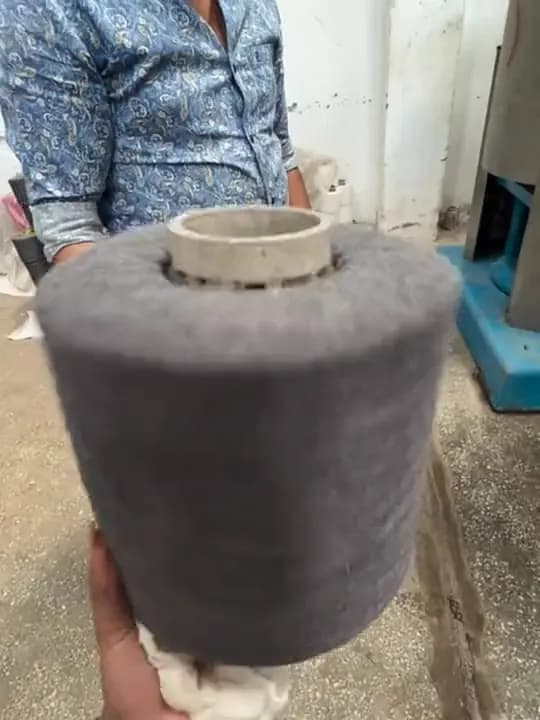 0:25Partner millChecking yarn at a partner mill
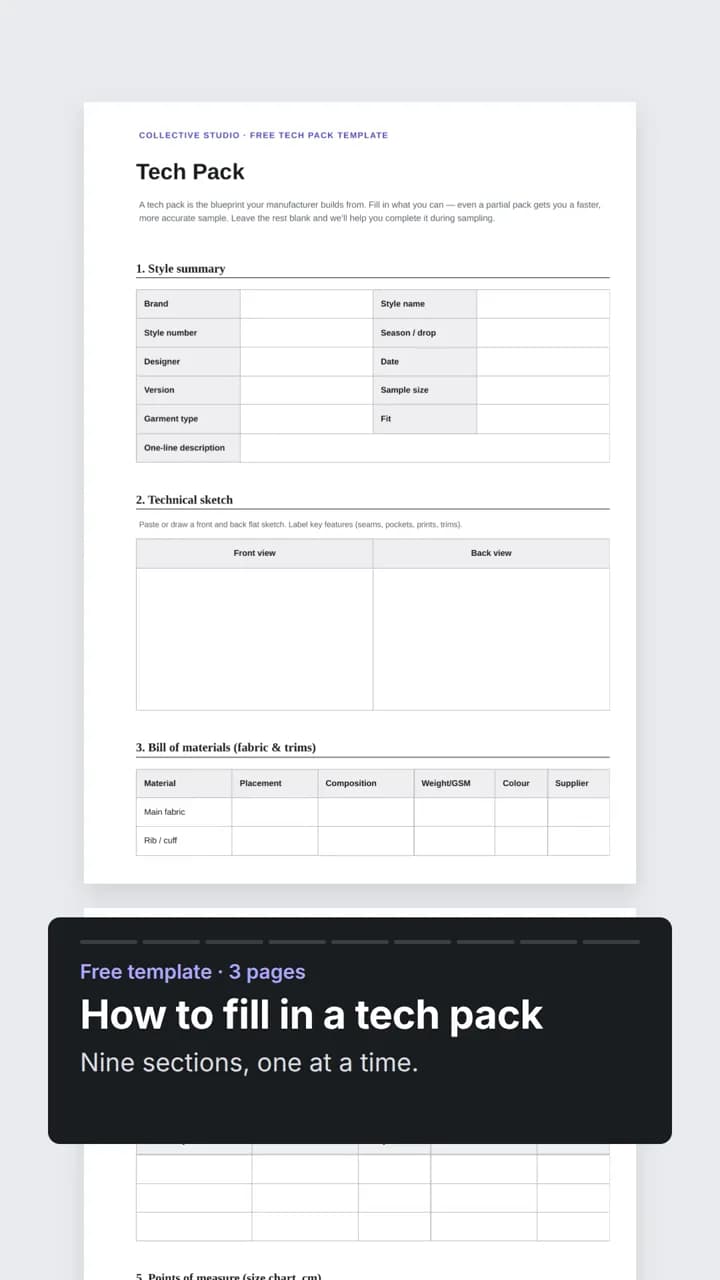 1:08WalkthroughHow to fill in a tech pack, section by section