Checking yarn at a partner mill
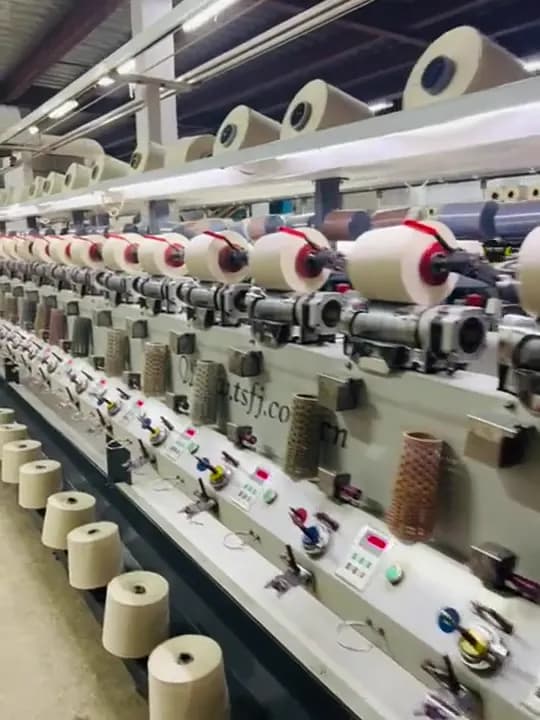
A cone of yarn is checked by hand, then the camera moves to machines loaded with yarn packages at a partner yarn mill in Bangladesh.
- Length
- 0:25, no sound
- Filmed at
- A partner mill in Bangladesh (not our own floor)
What you are seeing
The clip opens on a cone of yarn held up for checking, then moves to machines loaded with yarn packages on spindle carriers.
Yarn is checked before it moves on because a fault in the yarn runs through a whole roll of fabric; once it is knitted, it cannot be sorted out.
The cone being checked is grey yarn wound on a perforated core, the kind used in package dyeing, where the holes let the dye be pumped through the yarn. The machines behind hold white tubes on tiered carriers under round metal plates.
Yarn on a cone looks darker and denser than the same yarn knitted. If your garment uses a yarn-dyed colour, approve it on a knitted swatch, often called a knit-down, rather than from the cone.
We cut and sew garments on our own floor in Narayanganj. Knitting and dyeing are done by partner mills in Bangladesh, and this footage was filmed at one of them.
What a yarn check looks for
This clip was filmed at a partner yarn mill. Our own floor in Narayanganj is cut-and-sew; yarn is spun, dyed and knitted by partners we book and inspect. A yarn check asks whether the yarn is what was ordered and whether it is even enough to knit well. The count, or fineness, is measured against the order. Evenness matters because thick and thin places along the yarn show up as uneven fabric. Twist affects strength and how much the yarn wants to untwist, which is one cause of twisting in jersey. Hairiness affects pilling and how clean the surface looks.
For dyed yarn, colour is checked as well, against the approved standard and between packages, because one package dyed off-shade can put a band across a whole roll. Our knitwear page sets out how this stage connects to the fabric we cut.
Knit-downs and colour approval
Because a cone reads darker than the same yarn knitted, a yarn-dyed colour is approved on a knit-down, a small swatch knitted from the dyed yarn, rather than on the cone itself. For a stripe or a marl, the knit-down also shows how the colours sit together, which a row of cones cannot.
Judge a knit-down the way you would a lab dip: against your reference, in a light box or in daylight, and under more than one light if your retail lighting matters. Our guide to dye lots covers how the approved standard is kept on file for reorders.
What a brand can ask for
You do not need to inspect yarn yourself, but you can ask for evidence. Ask what yarn your fabric is knitted from, including its composition and type, such as combed ring-spun cotton. For an organic claim, ask for the transaction certificates that link the order to the certified chain. If pilling matters for your garment, a textile lab can run a pilling test such as ISO 12945-2 on the finished fabric. Ask for all of this at quote stage rather than after bulk, when the yarn has already been knitted and nothing can be changed.
These questions also help you check a supplier. Our guide to vetting a clothing factory covers which documents to ask for, and the sustainable fabrics guide compares the fibres you might choose.
Where this clip appears
Checking yarn at a partner mill: questions brands ask
What is a knit-down, and when should I ask for one?
A knit-down is a small swatch knitted from a dyed yarn so you can judge its colour as fabric rather than as yarn on a cone. Ask for one whenever the colour of your garment comes from dyed yarn rather than from dyeing the fabric: yarn-dyed stripes, marls, heathers and multi-colour knits. Yarn wound tightly on a cone looks darker and more saturated than the same yarn knitted, because a cone is a dense block of colour and a knitted fabric lets light through its loops. Approving from the cone often leads to a fabric that looks paler than expected. A knit-down also shows things a cone cannot: how two stripe colours sit beside each other, how a marl blends at a normal viewing distance and how the colour looks on the fabric's actual structure. Judge it against your reference in daylight or a light box, and keep the approved knit-down as the standard for bulk.
Can the fibre content of my fabric be tested?
Yes. A textile lab can analyse a fabric and report the share of each fibre in it, such as cotton and elastane, which is how you check that the content on your label is accurate. That matters because fibre content is a legal labelling requirement in most markets, and a label that says 95% cotton on a fabric that is really 90% is a misdescription, whoever made the mistake. A lab can also confirm the yarn count and spinning method if you are matching a fabric. What a lab cannot do is look at a cotton fibre and tell you whether it was grown organically, because organic and conventional cotton are the same fibre. That is why organic claims rest on certification and paperwork rather than testing: the certified chain and the transaction certificates for your order are the proof. Ask for both kinds of evidence if your label makes both kinds of claim.
What is checked when yarn is inspected at a mill?
A yarn check confirms that the yarn is what was ordered and even enough to knit well: its count, evenness, twist, hairiness and, for dyed yarn, its colour. The count is the fineness of the yarn and is measured against the order. Evenness matters because thick and thin places along the yarn show up as an uneven fabric surface. Twist affects strength and how much the yarn wants to untwist, which is one cause of twisting in jersey garments. Hairiness affects how clean the fabric looks and how much it pills. For dyed yarn, the colour is checked against the approved standard and between packages, because one off-shade package can put a band across a whole roll. Yarn is checked before knitting because a fault in the yarn runs through the fabric and cannot be sorted out afterwards. This clip was filmed at a partner yarn mill in Bangladesh.
Why does yarn for stripes and marls have to be approved before knitting?
Because its colour goes into the yarn before the fabric exists, so it cannot be corrected later. That yarn is usually package dyed: wound on perforated cores, like the grey cone being checked at the start of this clip, stacked on spindle carriers and dyed in a pressurised vessel until it reaches the approved shade. The colour is therefore decided earlier than with fabric dyeing, and it is usually approved on a knitted swatch rather than on the cone, because a swatch shows how the colours read together once knitted. Packages also need checking against each other, since an unevenly dyed package shows as a band or patch in the finished fabric. Allow for that approval step in your timeline, and keep the approved swatch as the standard every later yarn lot is checked against. For a plain-dyed tee or hoodie, the colour is approved on the dyed fabric instead.
How does yarn quality affect pilling and twisting in a T-shirt?
Yarn quality has a direct effect on both: hairy, short-fibred yarn pills more, and yarn with unbalanced twist makes jersey twist after washing. Pilling happens when loose fibre ends on the surface tangle into small balls with wear. Combed ring-spun yarn has fewer short fibres and a smoother surface than carded yarn, so it usually pills less. Twisting, where the side seams of a T-shirt swing towards the front after washing, comes partly from the twist in the yarn, which wants to unwind and pulls the knitted loops at an angle. Fabric structure, finishing and the way the garment is cut all play a part too. If pilling matters for your garment, ask for a pilling test such as ISO 12945-2 on the finished fabric, and ask what yarn your fabric is knitted from at quote stage, before the yarn is knitted and nothing can be changed.
What causes stripes or bands of uneven colour in yarn-dyed fabric?
Bands of uneven colour in yarn-dyed fabric usually come from yarn packages that were dyed slightly differently being knitted side by side. In yarn dyeing, colour is fixed in the yarn before knitting, and each package or batch can finish a little apart from the next. On a knitting machine fed from many cones at once, one off-shade package puts a faint line or band through the fabric that runs the length of the roll, and it cannot be corrected once the fabric is knitted. Mixing yarn lots on one machine can cause the same effect. That is why yarn is checked for colour between packages as well as against the approved standard, and why mills keep lot tickets on their yarn. When you check a sample or a bulk piece, hold it up to the light and look along and across it for bands, and ask whether it was knitted from one lot.
What evidence can I ask a manufacturer for about the yarn in my fabric?
You can ask for the yarn's composition and type, transaction certificates for any organic claim, and lab test results for performance such as pilling. Start with the basics: what fibre the yarn is, in what proportions, and how it is spun, for example combed ring-spun cotton. For organic cotton, ask for the transaction certificates that link your order to the certified chain, because organic cotton cannot be told apart from conventional cotton by testing the fibre. If pilling or shrinkage matters for your garment, a textile lab can test the finished fabric, for example to ISO 12945-2 for pilling. Ask for all of this at quote stage rather than after bulk, when the yarn has already been knitted and nothing can be changed. At Collective Studio, organic cotton is made in our GOTS-certified facility (RSC 9687), and the yarn for each order comes from partner mills we book.
What is the difference between yarn-dyed and piece-dyed fabric?
Yarn-dyed fabric is knitted from yarn that was coloured before knitting, while piece-dyed fabric is knitted first and then dyed as whole fabric. Yarn dyeing is what makes stripes, marls, heathers and other multi-colour knits possible, because each colour is in the yarn itself. Piece dyeing, usually in a jet dyeing machine, gives a single solid colour across the fabric and is the standard method for plain T-shirts, sweatshirts and hoodies. The choice changes your timeline and your approvals. With yarn-dyed fabric, every colour has to be decided and approved before knitting, usually on a knit-down rather than on the cone, and the stripe repeat goes into the tech pack. With piece-dyed fabric, the colour is approved on a lab dip of the knitted fabric. Yarn-dyed fabric also carries more colours to manage, so each one needs approving and checking for fastness.
More from the floor and the mills
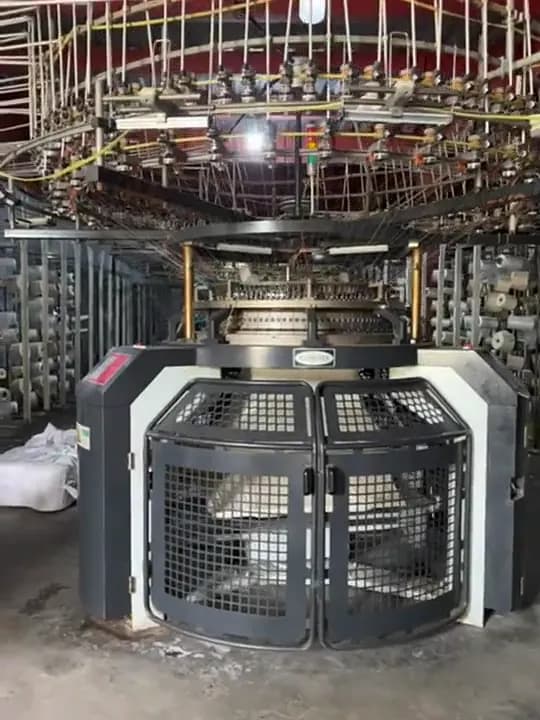 0:25Partner millCircular knitting machines at a partner mill
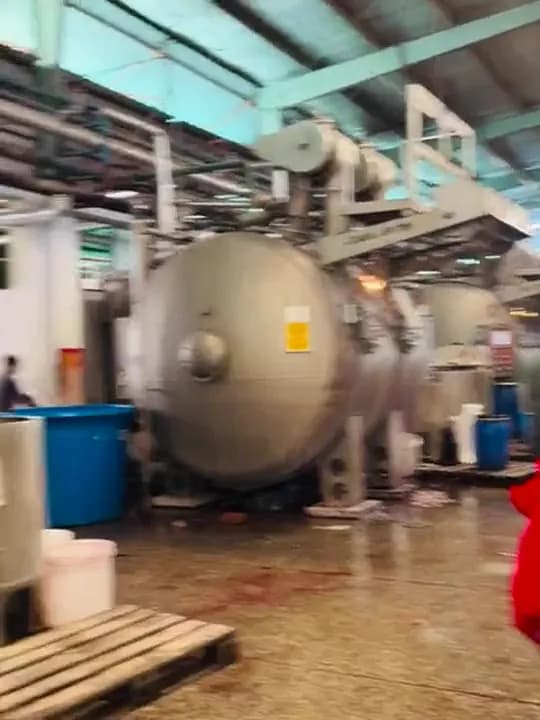 0:25Partner millJet dyeing knitted fabric at a partner plant
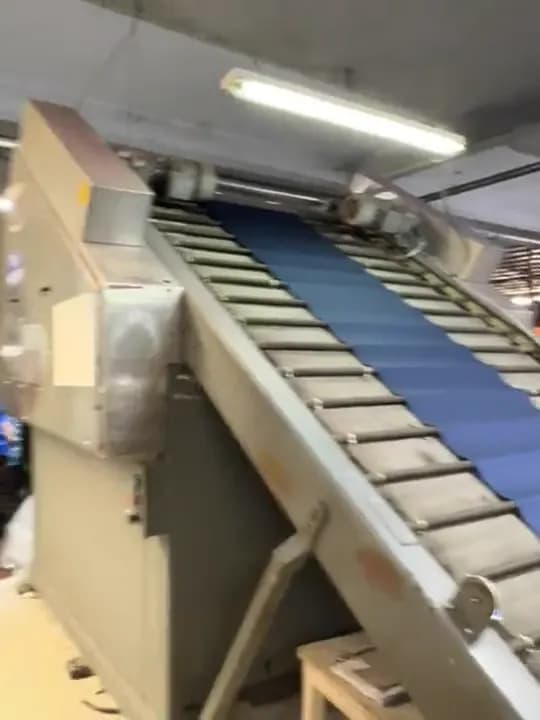 0:11Partner millInside a partner fabric dye house
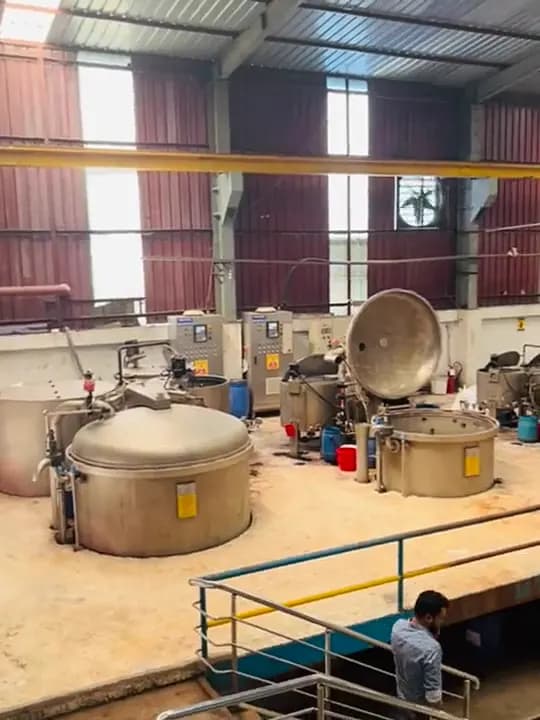 0:09Partner millA yarn dye house at a partner mill
 0:25Partner millA yarn-winding hall at a partner mill
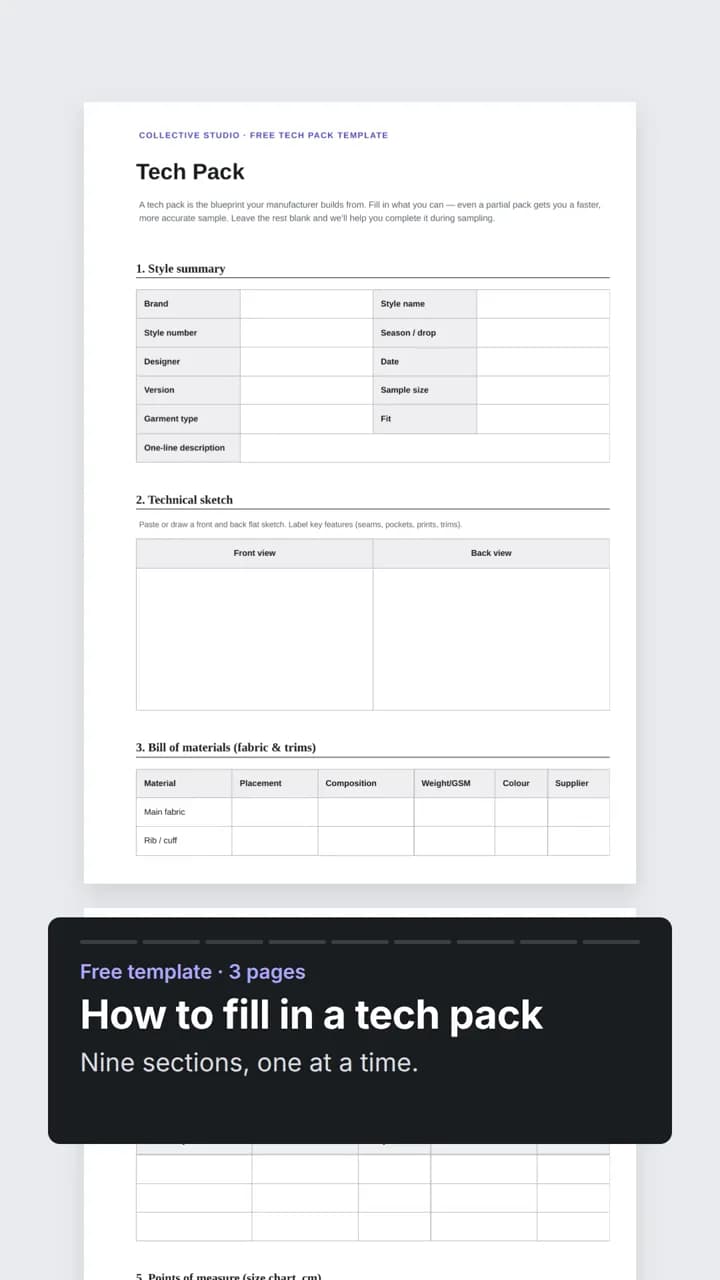 1:08WalkthroughHow to fill in a tech pack, section by section