Woven jacquard waistbands
Your brand woven into the elastic itself rather than printed on it — the detail that doesn't crack, roll, or wear off, and the clearest quality signal in the category.
Custom underwear and intimates, made to your design — briefs, boxers, bralettes and base layers in the softest fabrics, with full branding.
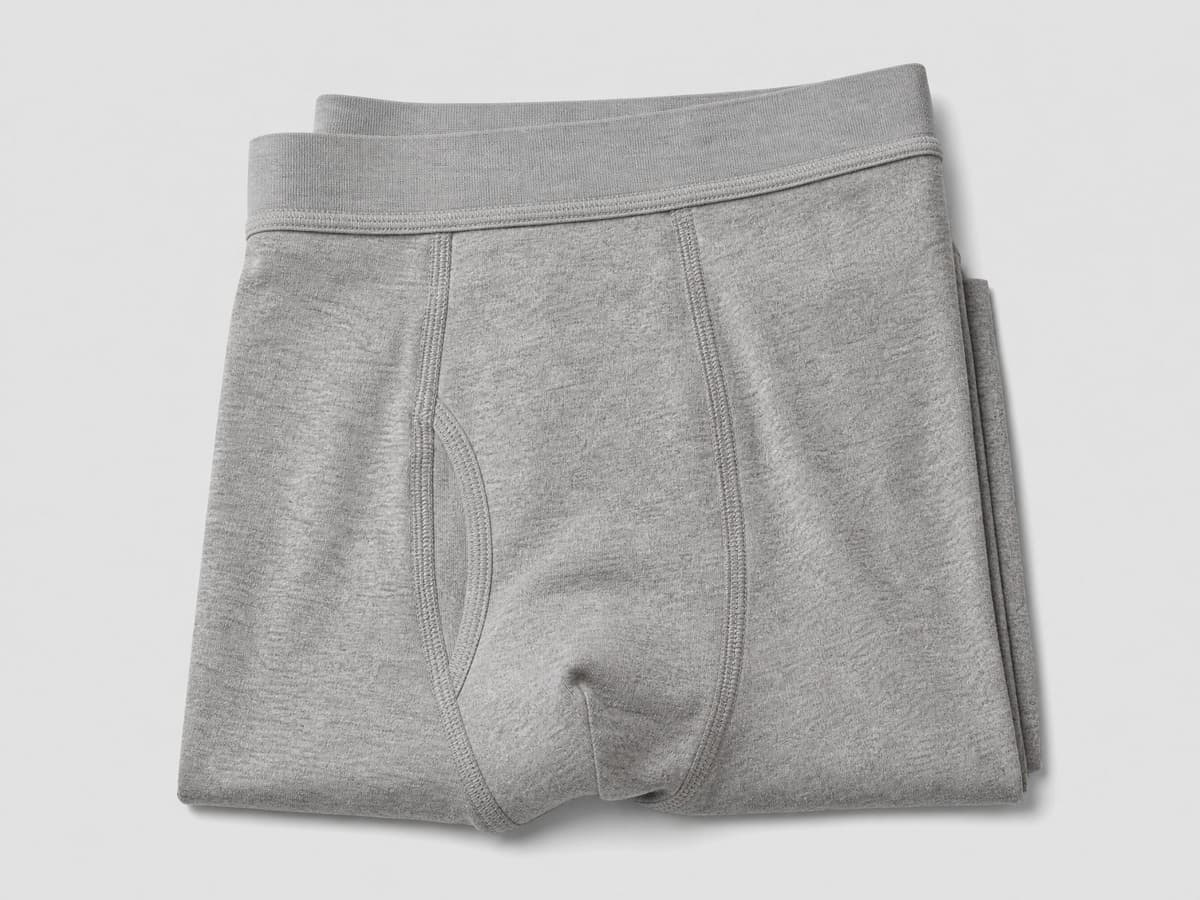
Underwear is the category where the waistband is the product. It's the part that fails first, the part the customer feels all day, and the part that carries your branding. A cheap waistband is elastic covered in fabric; it rolls, it twists, and it loses tension. A proper one is jacquard elastic — your brand name woven directly into the elastic itself, not printed on it, so it doesn't crack or wear off. It's the single most visible marker of quality in this category and it's worth spending money on before almost anything else.
On fabric, one piece of compliance most brands learn the hard way: in the US you generally cannot legally label a garment "bamboo" if it's bamboo viscose. The FTC treats it as viscose or rayon regardless of the input material, because the fibre is chemically regenerated rather than mechanically processed — and it has taken enforcement action against brands over exactly this. The correct label wording is "viscose from bamboo" or "rayon from bamboo." We'll flag it before your labels are printed rather than after.
Modal (regenerated from beech pulp) is softer than cotton, drapes better, and holds up to repeated washing without the pilling cotton develops. GOTS-certified organic cotton (our certificate is RSC 9687) is the choice where a natural, certified claim matters. Beyond fabric: briefs need a cotton gusset for breathability regardless of what the rest of the garment is made from, and if you want a no-visible-line finish, that means bonded or laser-cut edges rather than conventional stitched hems — a different construction that has to be planned from the start.
A note for anyone searching bamboo clothing manufacturers: what is almost always meant is bamboo viscose, where bamboo is dissolved and regenerated into fibre rather than spun from the plant directly. It is genuinely soft, drapes beautifully and breathes well, which is why it suits underwear and intimates. It is also a chemically processed fibre, so if the reason for choosing it is environmental rather than tactile, ask which process was used and whether it is certified, because “bamboo” on its own tells you about the raw material and nothing about how it was made.
Your brand woven into the elastic itself rather than printed on it — the detail that doesn't crack, roll, or wear off, and the clearest quality signal in the category.
Launch or test an intimates line without a huge first order.
Bamboo viscose can't legally be labelled just "bamboo" in the US — it's "viscose from bamboo." We flag compliance like this before your labels are printed.
Laser-cut and bonded edges for a no-visible-line finish, or conventional flatlock — decided at pattern stage, not retrofitted.
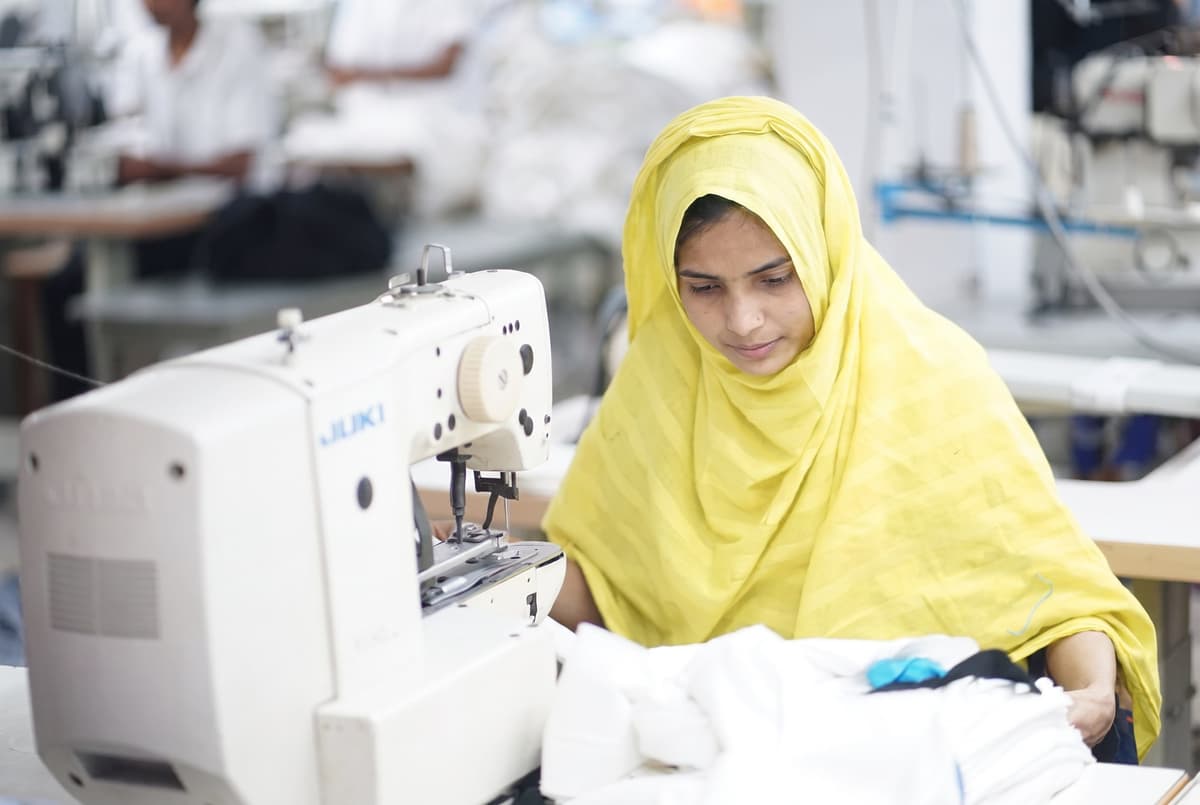
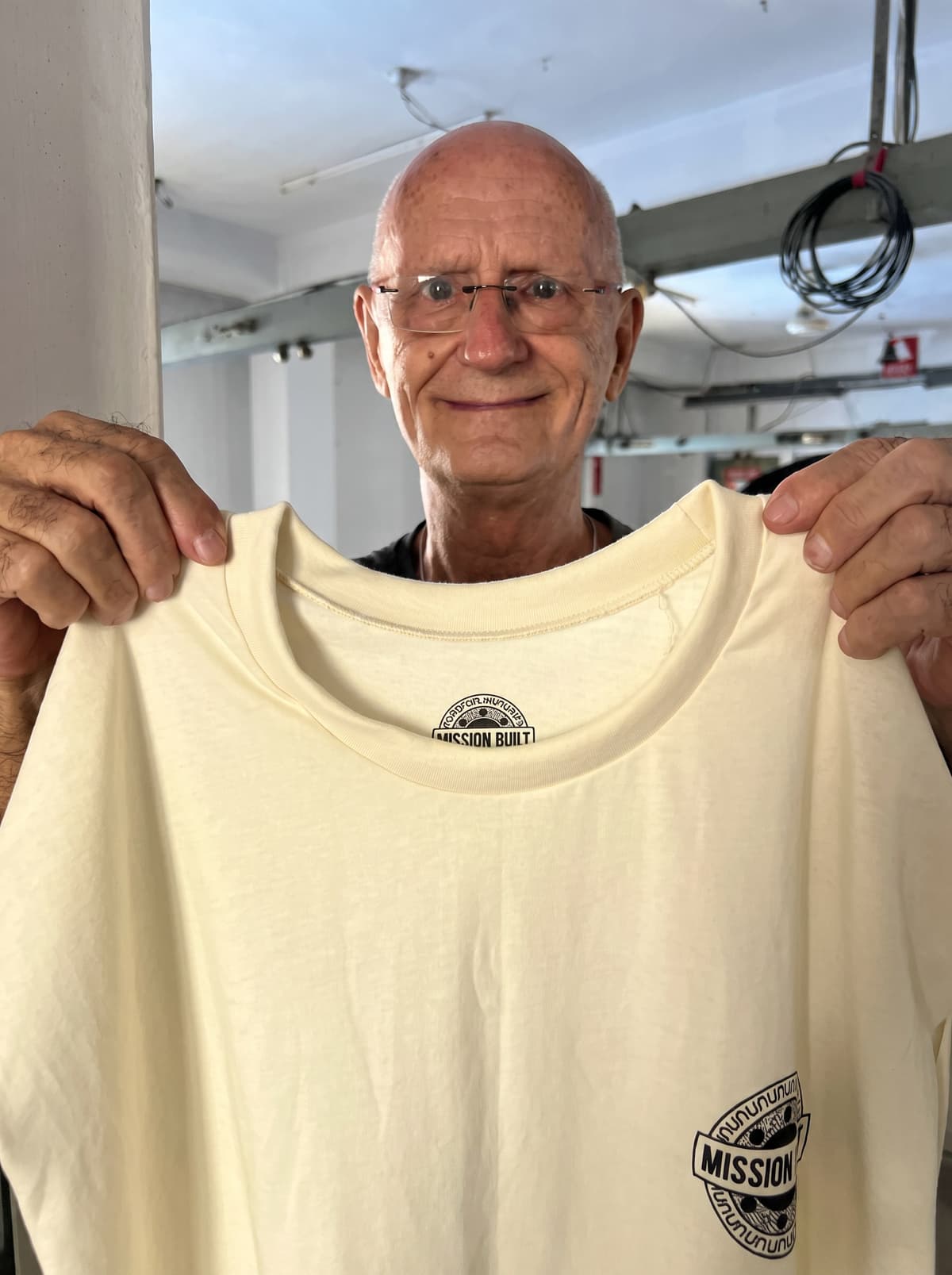
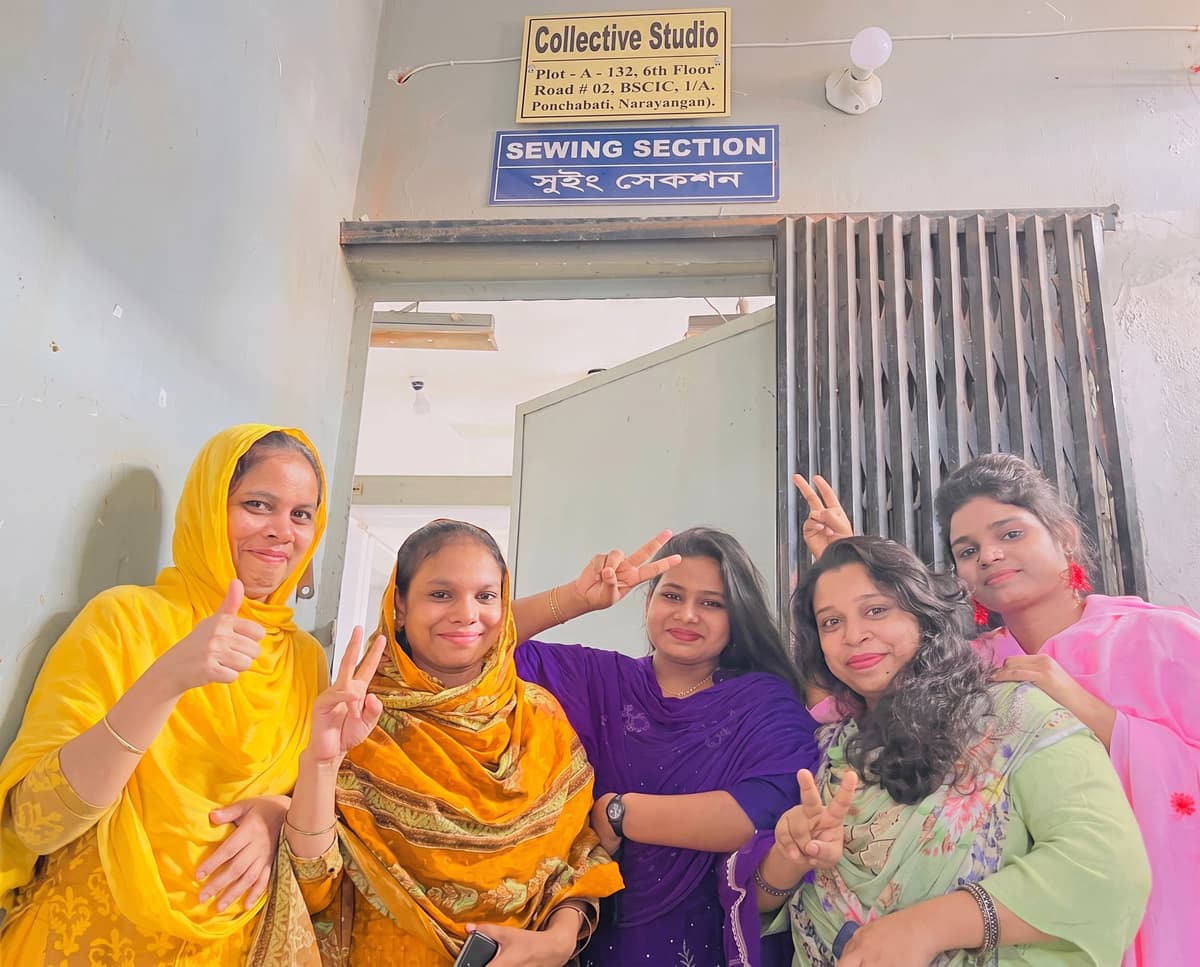
I have had a very good experience with this company. They are very friendly, professional, and provide fast service. They speak fluent English, which makes communication very easy. The quality of their manufacturing is excellent. I have no doubt in recommending this company to anyone looking for a reliable manufacturing partner in Bangladesh.
Talk to the factory directly: +880 1980 055021 · hello@collectivestudioltd.com
One hundred pieces per style, per colour, per size curve. Underwear is the most trim-dependent thing we make: elastic width and stretch percentage, waistband type, gusset fabric, label placement and thread all have to be specified and sourced before cutting, and elastic in particular is bought in its own minimum lengths. That is why the sampling stage takes longer here than on outerwear — getting the elastic tension right across the size range is most of the work, and it cannot be judged from a drawing. Once the pattern and trim package are approved they carry into every reorder unchanged, which is why second runs are both faster and cheaper than the first.
In the US, generally no — and this catches a lot of new brands out. The FTC requires bamboo-derived viscose to be labelled as "viscose from bamboo" or "rayon from bamboo," because the fibre is chemically regenerated rather than mechanically processed from the plant, and it has pursued enforcement against brands using the bare term "bamboo." The fabric is actually lovely and there's nothing wrong with using it — it just has to be described accurately. We'll raise this before your labels go to print, not after. Regulators in the US and EU have both taken action over "bamboo" claims on what is chemically regenerated viscose, so this is enforced rather than theoretical. The compliant description is viscose or lyocell derived from bamboo, and if the sustainability story matters to you, a closed-loop lyocell with a certificate number is both more defensible and a stronger claim than the word bamboo ever was.
The elastic, its width, and how it is attached — in that order. Cheap waistbands use narrow elastic with low recovery, which loses tension after a dozen washes and rolls or twists. Better ones use wider elastic with higher recovery, chosen to suit the garment weight rather than picked from whatever is in stock. Attachment matters as much: an elastic simply enclosed in a casing can twist and bunch; one that is tacked or stitched through at intervals stays flat. For underwear specifically, a covered or jacquard elastic sits more comfortably against skin than a raw edge, and a branded jacquard band is where a lot of the perceived quality lives. Getting the tension right across the size range is most of the sampling work, and it cannot be judged from a drawing.
Different fabrics for different jobs. Modal is a regenerated cellulose fibre made from beech pulp — it drapes beautifully, feels cool and silky against skin, and resists pilling better than cotton, which is why it dominates premium underwear and intimates. Organic cotton is more breathable, more absorbent, and holds structure better, which suits t-shirts, sweatshirts and anything where the garment should keep its shape. On sustainability neither wins outright: modal is made in a closed-loop process that recovers solvent, but depends on responsibly sourced pulp; organic cotton avoids synthetic pesticides but uses substantial water. Only cotton carries GOTS certification, so if the organic claim matters commercially, that decides it. Many of our underwear clients use a modal-cotton blend to get drape and breathability together.
Seam construction and edge finish, mostly. Bonded or laser-cut edges remove the hem entirely, so there is no folded edge to press a line through outerwear — that is the cleanest result and the most technical to produce. Where a sewn edge is needed, flatlock seams lie flat against the skin rather than forming a ridge, unlike a standard overlock. Fabric weight matters too: a lighter, higher-stretch knit conforms rather than bunching at the edge. And the pattern has to place the leg opening where it sits naturally rather than cutting across the fullest part, which is a fit decision made before anything is sewn. Tell us at sampling what the garment is worn under, because the right construction for leggings differs from the right one for a fitted dress.
Trade and regulatory details on this page last verified 30 July 2026. Tariff and compliance terms change — ask us to confirm the current position for your order.
Whether it’s a large bulk or wholesale run or your first batch of 100, send a sketch, a reference, or a sentence. We’ll reply within one business day with fabric options and an indicative price.