Your pattern, not a blank
Every piece is cut from rolls of fabric to your pattern and sewn to your spec. Fit, fabric, rib, label and pocket are yours to decide, and nobody else can buy the result.
Cut and sew, properly defined: your pattern, cut from rolls of fabric on our own floor and sewn to your spec — not a logo printed onto somebody else's blank. From 100 pieces per style and colour.
Collective Studio is a cut and sew clothing manufacturer in Narayanganj, Bangladesh: pattern pieces cut from rolls of knit fabric on our own floor and sewn to your specification, from 100 pieces per style and colour, in roughly 40–50 days, with GOTS organic cotton under RSC 9687 and DDP delivery. This page explains the term and how to brief it.
Knitwear made up US$21.16bn of Bangladesh's US$39.35bn ready-made garment exports in FY2024-25, ahead of woven garments. BGMEA, Export Performance ↗ verified 19 September 2026
Or message the factory directly: WhatsApp +880 1980 055026 · hello@collectivestudioltd.com · Homaira replies within one business day.
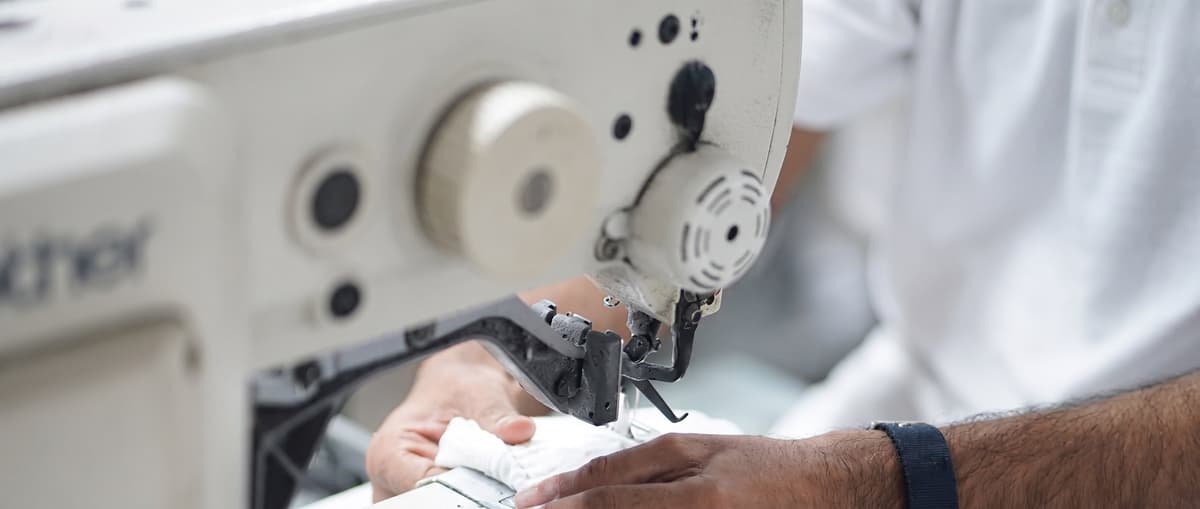
Cut and sew means what it says: fabric is cut into pattern pieces and the pieces are sewn into a garment made to your specification. It is the opposite of buying a finished blank and printing on it. Every dimension is yours, the fabric is yours to choose, the neckline rib and the label and the pocket are decisions rather than defaults, and the garment cannot be bought by anyone else. Collective Studio is a cut and sew clothing manufacturer in Narayanganj, Bangladesh, and this is the whole of what our floor does.
The confusion in the term is worth clearing up because it costs money. Many services that advertise low minimums are decoration houses: they buy blank tees and hoodies from a wholesaler and print or embroider on them. That is a fine way to make thirty event shirts and a poor way to build a brand, because the blank decides the fit, the fabric and the price, and your competitor can buy the same one. Cut and sew is how a brand gets a garment that is its own. It also explains why the minimum is 100 pieces rather than 25: fabric is knitted and dyed in lots, and a hundred pieces per style and colour is roughly where a lot stops being sampling and becomes production. Our low-MOQ page works through that arithmetic.
What arrives on our floor is a brief. A tech pack is ideal, but a sketch, a reference garment and a paragraph are enough to start; we build the pattern and the tech pack with you. From the pattern we make a fit sample, correct it, then a pre-production sample in the actual fabric and trims, which you sign off and we seal. Bulk is measured against that sealed sample, by Walter Meyer's QC team, before anything ships. The sampling guide covers each step and what it costs.
What we cut and sew: knitwear, meaning garments made from knitted fabric, which is most of what a casual or athletic brand sells. T-shirts, polos, hoodies, sweatshirts, joggers, shorts, leggings, activewear, loungewear, underwear, kidswear and caps, in jersey, French terry, fleece, piqué, rib and interlock, with GOTS organic cotton available under certificate RSC 9687. What we do not cut and sew: woven garments such as denim, jackets and shirting, which our partner buying house sources through specialist factories as a separate order. Our knitwear page goes into the fabrics.
Where the fabric comes from matters for two reasons, and we describe it honestly. We cut and sew in our own building; we specify, book and inspect the yarn, knitting and dyeing at partner mills inside the same industrial cluster rather than pretending to own a dye house. For origin purposes that is exactly the right shape: in the UK, the EU and Canada, cutting and sewing the garment in Bangladesh is what confers origin, so the goods qualify for duty-free entry on the work we do ourselves. Our clothing manufacturer in Bangladesh page covers how to verify all of that.
Pricing follows from the brief, not from a rate card. Fabric weight, the number of colours, the trims and the finishing decide most of the number, and the same design costs less per piece at 500 than at 100 because pattern, sampling and set-up are one-off costs spread across the run. We quote DDP, with freight, duty and import tax inside the landed price, so an FOB quote from a blank decorator is not the same number even when it looks lower. The landed-cost calculator and the quote guide make the comparison honest.
Every piece is cut from rolls of fabric to your pattern and sewn to your spec. Fit, fabric, rib, label and pocket are yours to decide, and nobody else can buy the result.
Fit sample, corrected pre-production sample in the real fabric, sealed on sign-off. Bulk is measured against it by Walter Meyer's QC team before it ships.
100 pieces per style, per colour, which is where a fabric lot stops being sampling and becomes production. Sizes split freely inside it.
We cut and sew in our own building and specify, book and inspect knitting and dyeing at partner mills. Cutting and sewing here is what confers origin for duty-free entry.
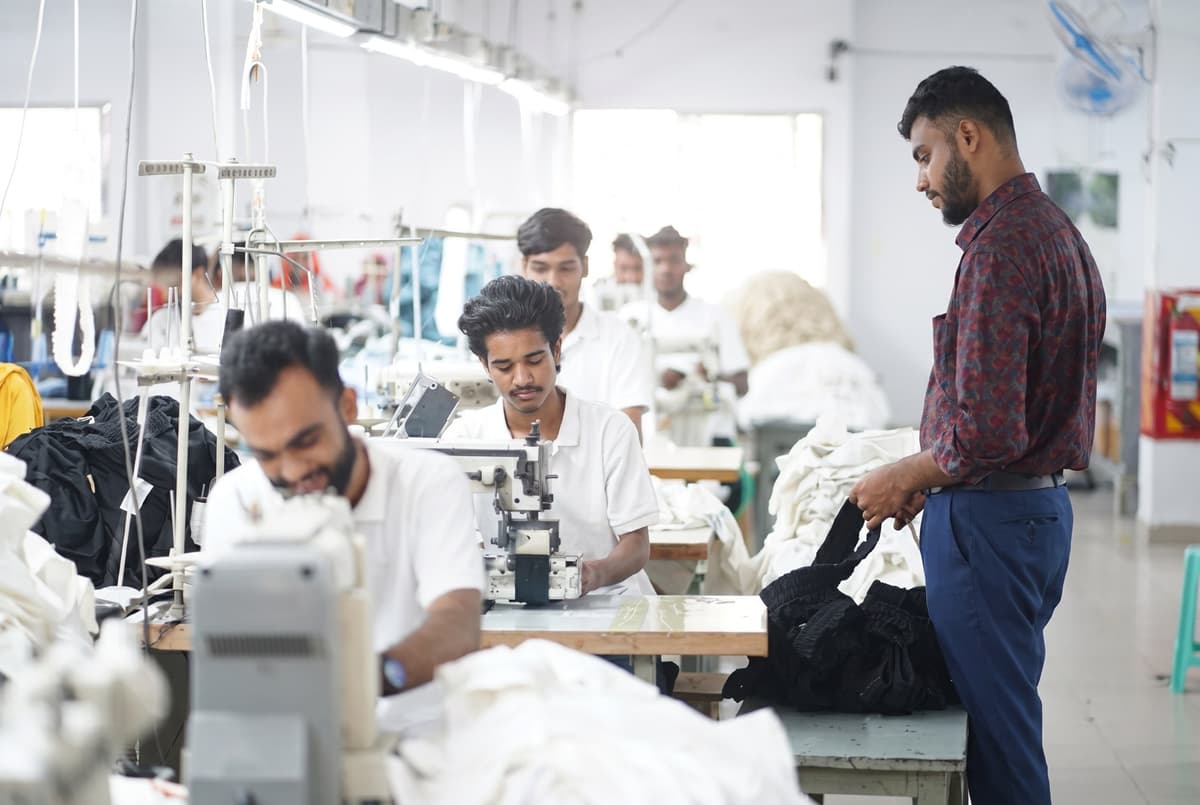
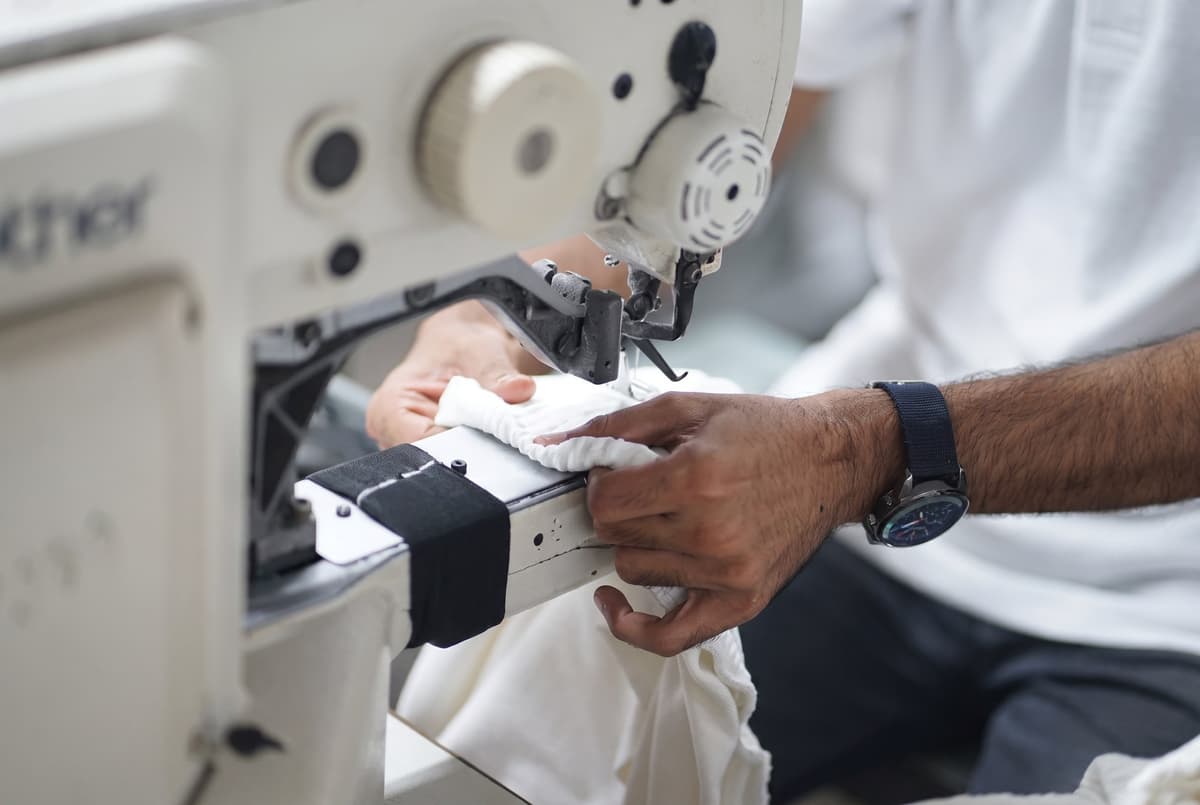
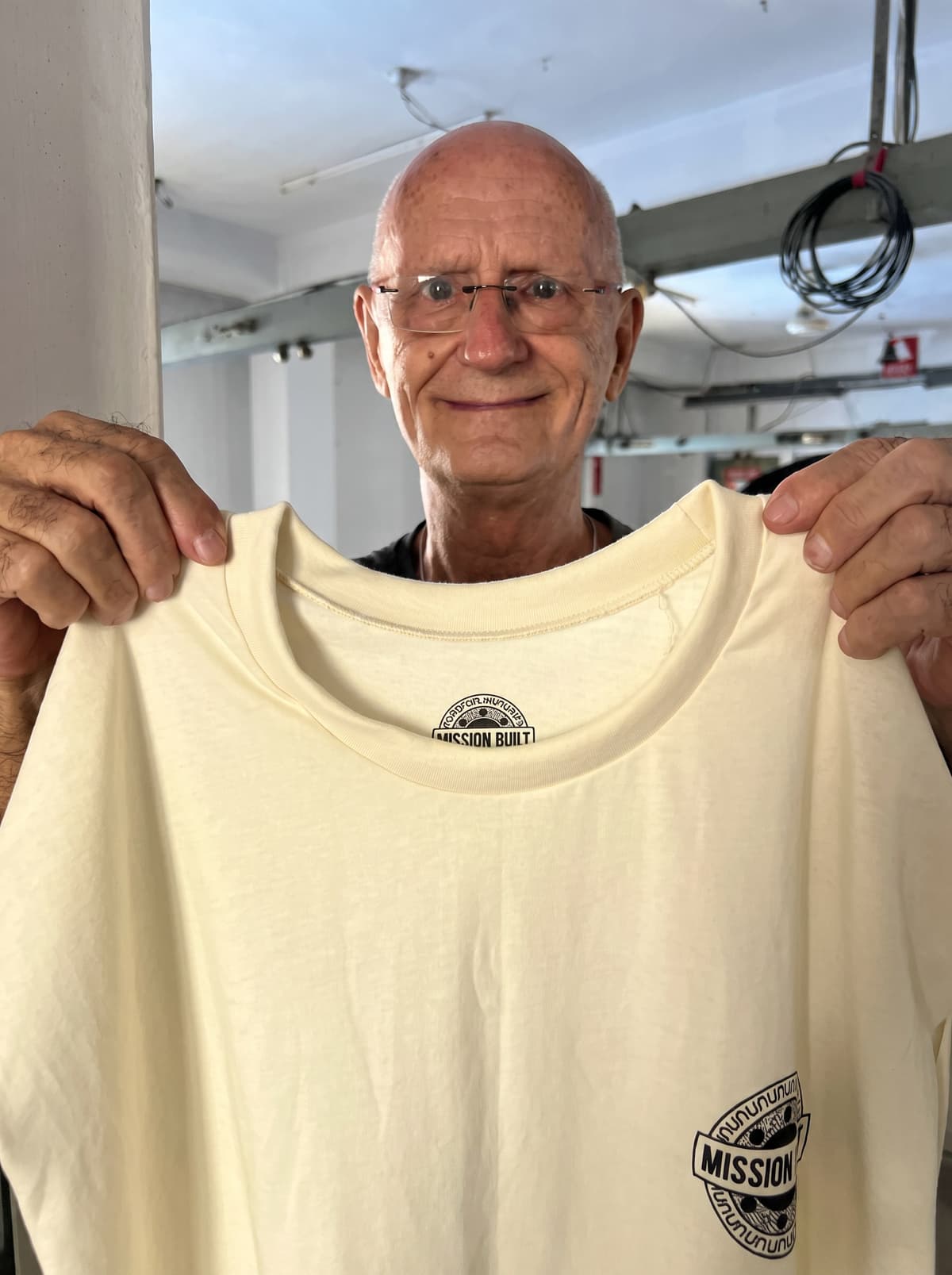
Collective Studio is up and coming. Very hard working people who want to please their customers and grow partnerships together. Homaira is very knowledgeable in the knit industry and always willing to learn more. We are looking to grow our business with them.
Talk to the factory directly: +880 1980 055021 · hello@collectivestudioltd.com
A cut-and-sew quote is fabric and quantity first, then the decisions in the pattern and the trims, with pattern and sampling spread across the run.
Fabric is bought by the kilo and most of a garment's cost is cloth. A 400 GSM fleece hoodie carries far more than a 160 GSM jersey tee, and brushed, combed or organic yarns each move the price per kilo before a stitch is sewn.
Every seam is a sewing operation with a time. A raglan sleeve, a kangaroo pouch, a side-seam pocket or a contrast binding each add minutes on the line, and at 100 pieces those minutes are a visible share of the unit price; at 5,000 they vanish into the run.
Zips, drawcords, eyelets, elastic, woven labels and hang tags are bought in from trim suppliers with minimums of their own. On a small run those minimums are spread thinly, which is why a zip-up hoodie costs more per piece than a pullover at the same quantity.
Each colour is its own dye lot and its own 100-piece minimum per style. One style in three colours is three lots, three cutting runs and three of every trim, and it prices as three runs rather than one.
Building the pattern, grading it across sizes and making a fit sample and a pre-production sample are one-off costs shared across the order. They are the same money at 100 pieces and at 1,000, which is the whole reason unit price falls with quantity.
Screen printing is priced per colour and per pass, embroidery by stitch count, garment dye and wash by the kilo. Each is a separate operation on top of cut and sew, and the cheapest version is the one designed into the garment rather than added afterwards.
That the garment is made from scratch: fabric is cut into pattern pieces and the pieces are sewn together to your specification, as opposed to buying a finished blank garment and decorating it. Cut and sew gives you control of the fit, the fabric, the weight, the rib, the label and every construction detail, and produces a garment nobody else can buy. It is how brands are built; blank decoration is how event shirts are made. The trade-off is a real minimum, because fabric is knitted and dyed in lots.
Cut and sew describes how the garment is made: from your pattern, out of rolls of fabric. Private label describes whose name is in it: yours. Most private-label programmes at small brands are actually blank garments relabelled, which is private label without cut and sew. What we do is both: the garment is cut and sewn to your specification and carries your label. Our private label t-shirt page covers the labelling and branding side.
Because of fabric, not sewing. Knit fabric is produced on circular machines in minimum runs and dyed in lots, and roughly a hundred pieces per style and colour is where a lot stops being a sample and becomes production. Services offering 25 or 30 pieces are almost always decorating blanks, where the fabric was made in someone else's lot. Sizes split freely inside our hundred; colours do not, because each colour is its own lot.
No. A tech pack is welcome and speeds things up, but a sketch, a reference garment you like and a paragraph about the customer are enough for us to build the pattern and the tech pack with you. The free tech pack template and checklist on our resources pages show what a complete brief contains, and our sampling guide explains what happens next: a fit sample, a corrected pre-production sample in the real fabric, and sign-off before bulk.
No. Our floor cuts and sews knitwear: jersey, French terry, fleece, piqué, rib and interlock garments. Woven pieces such as denim, jackets and shirting are sourced through our partner buying house, CMB Sourcing Ltd, in the same industrial area, as a separate order with its own contract. Send us the whole range and we route each part to the right floor; we do not pretend to make what we do not.
Ask for what any real factory can give and an agent cannot: the street address, Plot-A-132, Road No. 02, BSCIC Industrial Area, Panchabati, Narayanganj 1420; our BKMEA membership; the registration numbers on our certifications page; and a live video call from the sewing floor during a working shift. The factory profile page shows the floor, and visits can be arranged.
Whether it’s a large bulk or wholesale run or your first batch of 100, send a sketch, a reference, or a sentence. We’ll reply within one business day with fabric options and an indicative price.
Or message the factory directly: WhatsApp +880 1980 055026 · hello@collectivestudioltd.com · Homaira replies within one business day.