Embroidery + manufacturing
We make the garment and embroider it — one partner, consistent quality, and a stabiliser backing on knits so the fabric doesn't pucker.
Premium embroidery on garments made to your design — logos, artwork, and lettering stitched, not printed, on tees, hoodies, polos and caps, from 100 pieces.
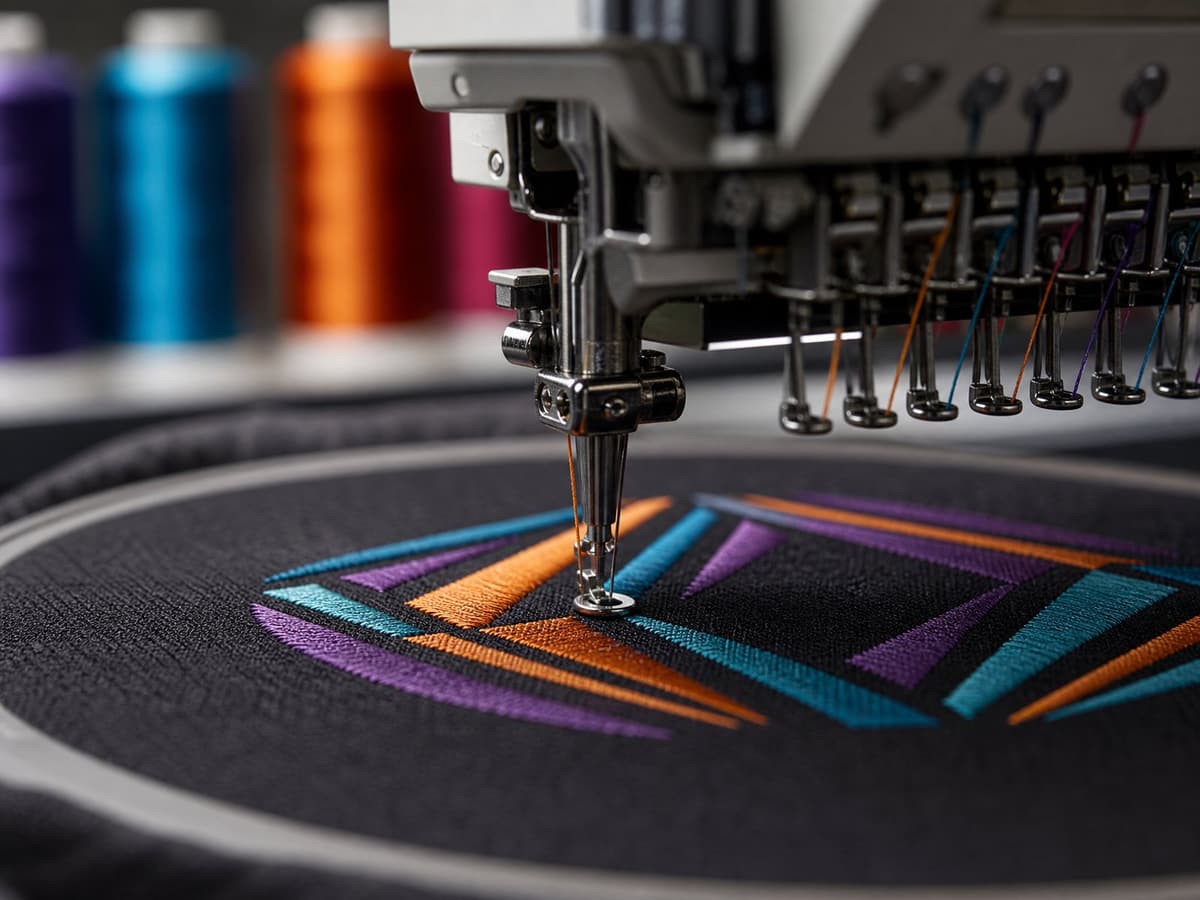
Embroidery is the right call when a design needs to feel expensive, not when it needs to be big or detailed — that's the trade-off useful to understand before you pick it. Thread is stitched, so it has genuine texture and durability screen print and DTG can't match, and it's the standard choice for polos, caps, and left-chest logos. But it can't reproduce gradients, photographic detail, or very fine linework the way a printed design can — past a certain stitch density, small text just turns into a blob of thread. we'll flag it frankly if your artwork is a bad fit before we digitise it, not after you've paid for it.
We offer custom embroidery as part of full garment manufacturing, so your logo is stitched into pieces we make to your spec, not applied to blanks bought in from somewhere else. Flat, 3D puff, appliqué, and tonal embroidery, plus woven patches, on hoodies, polos, caps, jackets and more.
One detail most manufacturers don't bother explaining: embroidering on stretchy knit fabric (a jersey tee, for instance) needs a stabiliser backing — cutaway or tearaway, depending on the fabric — behind the stitching, or the fabric puckers around the design once it's off the hoop. We handle that as standard; it's the difference between embroidery that lies flat and embroidery that looks cheap after one wash.
We make the garment and embroider it — one partner, consistent quality, and a stabiliser backing on knits so the fabric doesn't pucker.
Custom embroidered pieces from 100 per style, per colourway.
Flat, 3D puff, appliqué, and tonal embroidery, plus woven patches.
Fine detail, gradients, and photographic art don't embroider well — we'll say so upfront and suggest screen print or DTG instead if that's the better call.
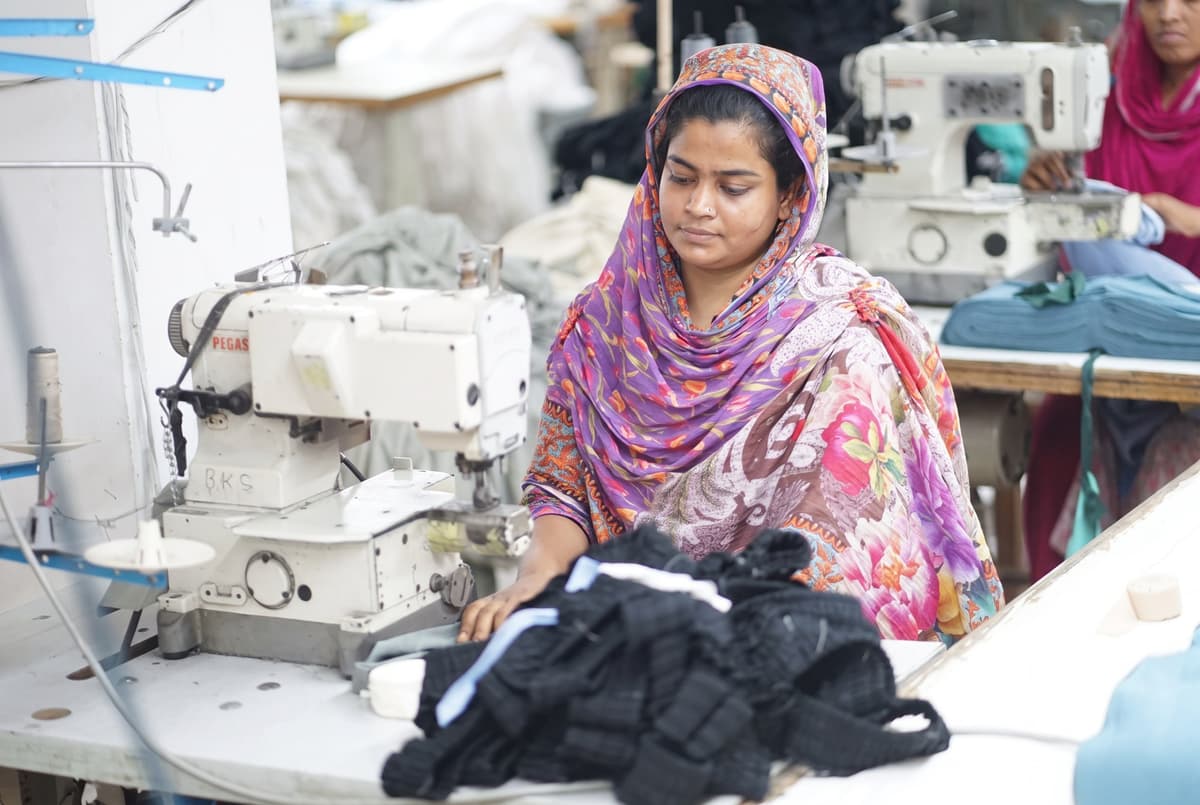
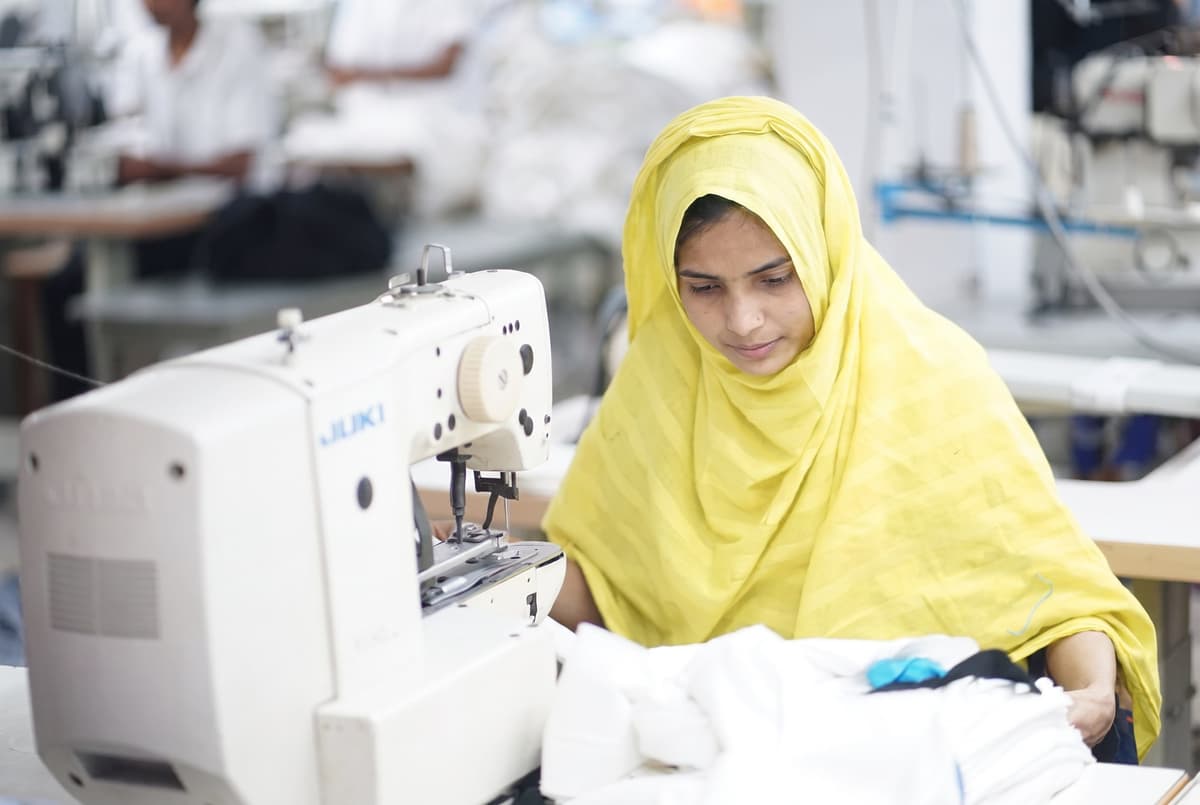
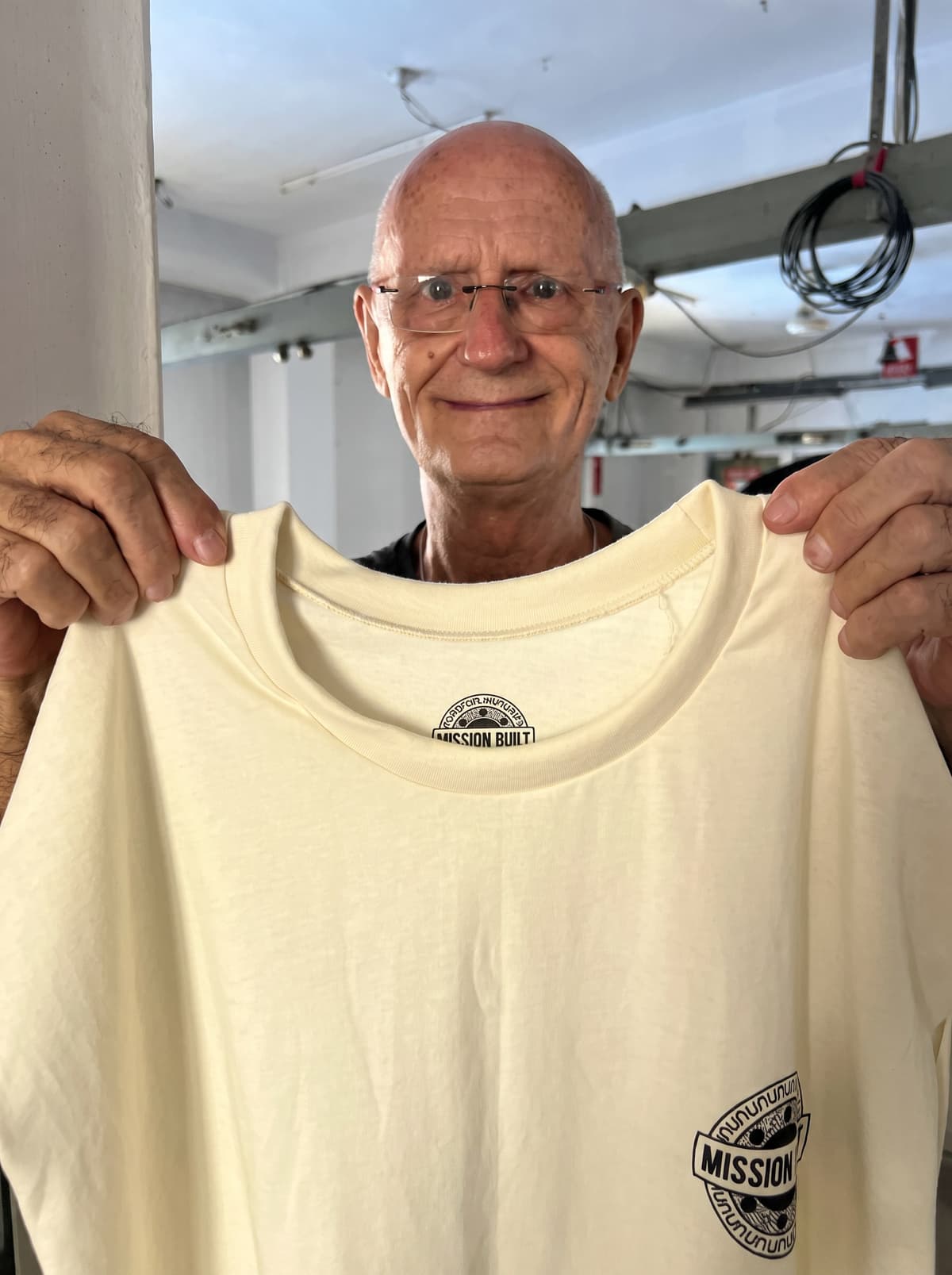
Wonderful people to work with — very professional and knowledgeable, also accommodating to the needs of their customers.
Talk to the factory directly: +880 1980 055021 · hello@collectivestudioltd.com
Both, under one roof, and that changes what is possible. When embroidery is subcontracted, the embroiderer receives finished garments and has no say in how they were built — so if a seam runs exactly where the design needs flat fabric, or the knit is too loose to hold dense stitching, nobody finds out until it is too late to change. Because we specify the fabric and then cut, sew and embroider it in the same building, the placement is planned alongside the garment: we keep seams clear of the embroidery area, choose a fabric that supports the stitch density you want, and can embroider flat panels before assembly when a design sits across a seam. It also means one supplier is accountable rather than two pointing at each other.
Flat embroidery is the default and suits logos, wordmarks and left-chest marks. Puff (3D foam) raises the stitch off the surface and reads well on caps and bold block letters, but it needs simple, chunky shapes — fine detail collapses. Appliqué stitches a fabric panel down at the edges, which covers large areas without the weight and stiffness of solid fill, and it is usually cheaper on big designs than stitching every millimetre. Chenille gives the fuzzy varsity-patch look on heavier knits. Tonal embroidery, thread matched to the garment colour, is the quiet option a lot of premium labels choose. We will tell you plainly which of these your artwork actually suits — guessing and hoping isn't how we want your order to go.
Send it and we will tell you honestly before you commit. Embroidery has hard limits that surprise people used to print. Fine detail below roughly five millimetres closes up in thread regardless of file quality — small text is the most common casualty, and anything under about four millimetres tall becomes unreadable. Very thin lines disappear. Large solid areas become heavy and stiff, and are usually better handled with appliqué, which stitches a fabric panel at the edges instead of filling every millimetre. Gradients cannot be embroidered at all, only approximated with blended thread colours. What works beautifully: bold shapes, clean type at reasonable size, tonal marks, and anything designed with a limited colour count. We will digitise a test if you are unsure rather than guess.
One hundred pieces per style, per colour. Embroidery carries one setup cost you pay once rather than per garment: digitising, where your artwork is converted into a stitch file that tells the machine every needle movement, sequence and underlay. That file is yours, it is reusable, and reorders skip the cost entirely. The reason the minimum is not lower is hooping — each garment is physically clamped into position by hand before stitching, so the labour per piece barely falls with volume. Below about a hundred, the setup and handling dominate the unit price to the point where we would be charging you a sample rate for a production run, which helps nobody.
Vector artwork is ideal — AI, EPS or PDF — because clean outlines convert to stitch paths without guesswork. A high-resolution PNG can work if the edges are crisp, but anything blurry, low-resolution or screenshot-quality has to be redrawn, and redrawing means someone interprets your logo rather than reproducing it. Send exact thread colours if you have them, ideally as Pantone references, and tell us the finished width you want in centimetres rather than leaving it to scale. Also say where it sits: left chest, centre back, sleeve, cap front. Those placements have different maximum sizes and different backing requirements, and knowing the destination changes how the file is digitised.
Trade and regulatory details on this page last verified 30 July 2026. Tariff and compliance terms change — ask us to confirm the current position for your order.
Whether it’s a large bulk or wholesale run or your first batch of 100, send a sketch, a reference, or a sentence. We’ll reply within one business day with fabric options and an indicative price.