GPSR documentation you can actually file
As the EU importer, you carry the technical file and must retain it 10 years. We supply the fibre, chemistry and traceability evidence that file needs — starting with GOTS certificate RSC 9687.
Premium knitwear manufacturing for European brands — low MOQ, sustainable fabrics, an Amsterdam office, and DDP delivery across the EU.
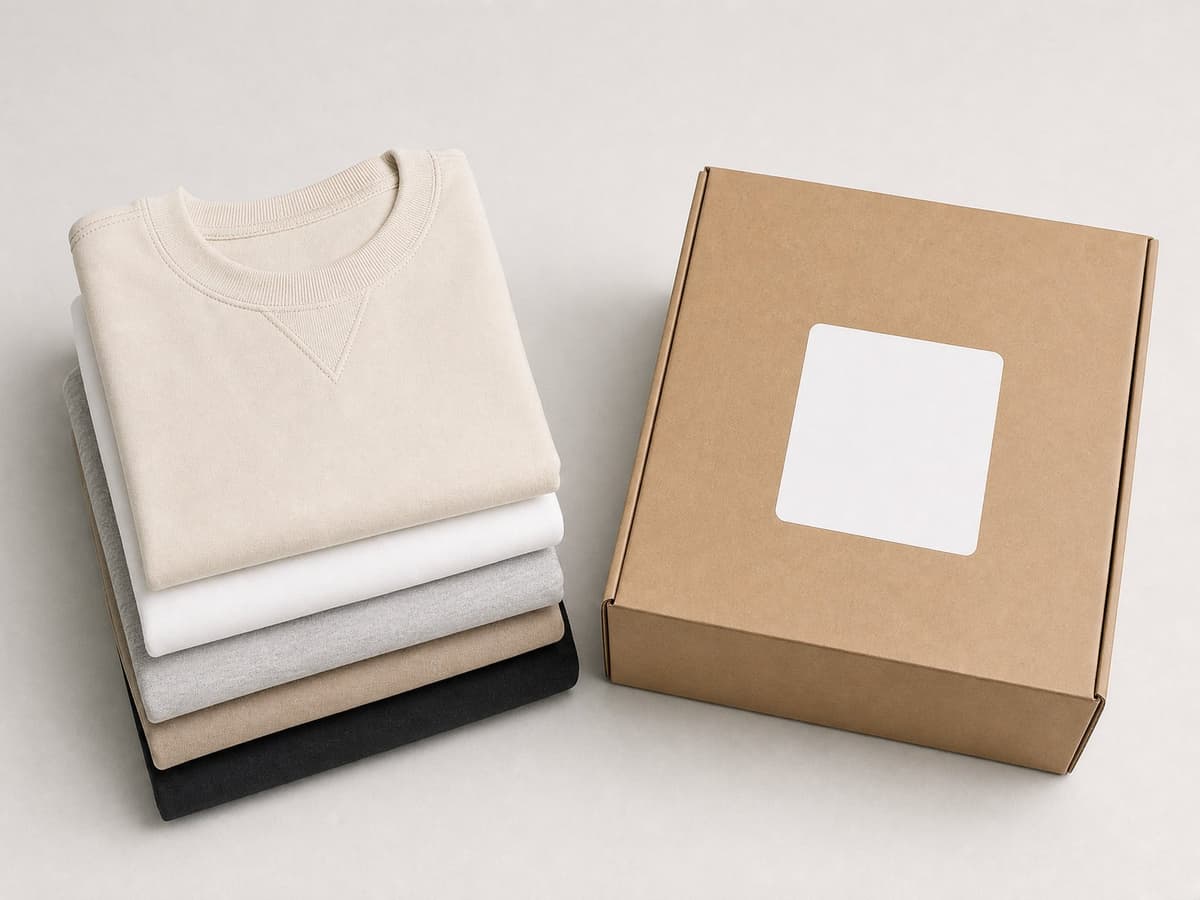
There's a compliance shift European brands need to understand before choosing any overseas manufacturer, and most sourcing pages won't mention it. Under the EU's General Product Safety Regulation (GPSR 2023/988), in force since December 2024 with enforcement tightening through 2026, textiles are explicitly in scope — and when you import from outside the EU, you become the economic operator carrying the obligations. That means documented risk assessment and technical documentation you must be able to produce, retained for ten years after the product goes on the market.
In practice, that documentation has to come from your manufacturer. If your factory can't supply fibre composition data, dye and chemical compliance records, and traceable production information, you can't build the file — and it's your name on the obligation, not theirs. This is precisely why we hold and share GOTS certification (certificate RSC 9687): it independently documents fibre content, restricted chemistry, and social criteria across the chain, which is exactly the evidence base a GPSR technical file needs. Separately, note that from September 2026 sustainability and durability claims face tighter scrutiny under EU rules — another reason a certificate you can actually point to beats the word "eco" on a hangtag.
On duty: Bangladesh-made apparel enters the EU under preferential access for least-developed countries. Bangladesh's graduation from LDC status is currently scheduled for 24 November 2026, and the EU applies a transition period for graduating countries rather than ending preferences overnight. But its arrangements are less settled than the UK, Canadian and Australian positions. So we prefer to flag it as a live question and confirm the current rate for your specific order, rather than quote you something that ages badly.
The date itself is now also a live question: the UN Committee for Development Policy has recommended deferring Bangladesh's graduation to 24 November 2029. In July 2026 the UN's Economic and Social Council unanimously forwarded that recommendation to the General Assembly, for a final vote expected before the original date. It isn't finalised as we publish this — we're stating it plainly as pending rather than picking whichever date makes a tidier sentence, and we'll update this page once the General Assembly actually votes.
Practically, you get production in Narayanganj and a brand office in Amsterdam — a European base in your time zone for design conversations, samples and paperwork — from 100 pieces per style and colour, shipped DDP across the EU as one landed cost.
A practical note for brands searching clothing manufacturers Europe and finding mostly agents: the distinction that matters is not where the office is but where the sewing happens, and whether anyone will tell you. European agents frequently place the same work in the same South Asian factories a brand could contract directly, with a margin in between and one more party between you and the floor. We are that floor, and the address is published.
The duty question, answered properly, because it is usually the first one and this page did not previously address it. Bangladeshi apparel currently enters the EU duty-free under Everything But Arms, and EBA carries a relaxed origin rule for garments called single transformation — cut-and-make qualifies, so the fabric does not have to be woven or knitted in-country for the goods to count as Bangladeshi. That is why a European brand can use a Bangladeshi factory without a duty line on the invoice today.
What changes, and when, is worth planning for rather than discovering. Bangladesh graduates from least-developed country status, and the EU grants a three-year transition afterwards, so duty-free access continues for three years past whichever date is confirmed. After that the landing spot is genuinely unresolved: GSP+ would keep duty at zero but requires double transformation, a harder origin test, and Bangladesh's qualification is not assured; standard GSP reduces duty rather than removing it. The EU common tariff on apparel runs to roughly 12% depending on the HS code, and because EU VAT is charged on customs value plus duty, you would pay VAT on the duty as well. We set the whole picture out, with sources, in what LDC graduation means for brands. In the meantime we quote DDP into the EU with duty and VAT already inside the number, and our lead time is 50 days from confirmation to delivery — about 10 days sampling, 33 production, 5 shipping.
As the EU importer, you carry the technical file and must retain it 10 years. We supply the fibre, chemistry and traceability evidence that file needs — starting with GOTS certificate RSC 9687.
A European base in your time zone for brand and design conversations, samples and paperwork — not a factory contact twelve hours out of sync.
Launch or test in the European market with 100 pieces per style, per colourway.
EU preferences post-graduation are less settled than the UK, Canada or Australia. We'll confirm the current position for your order rather than quote a rate that ages badly.
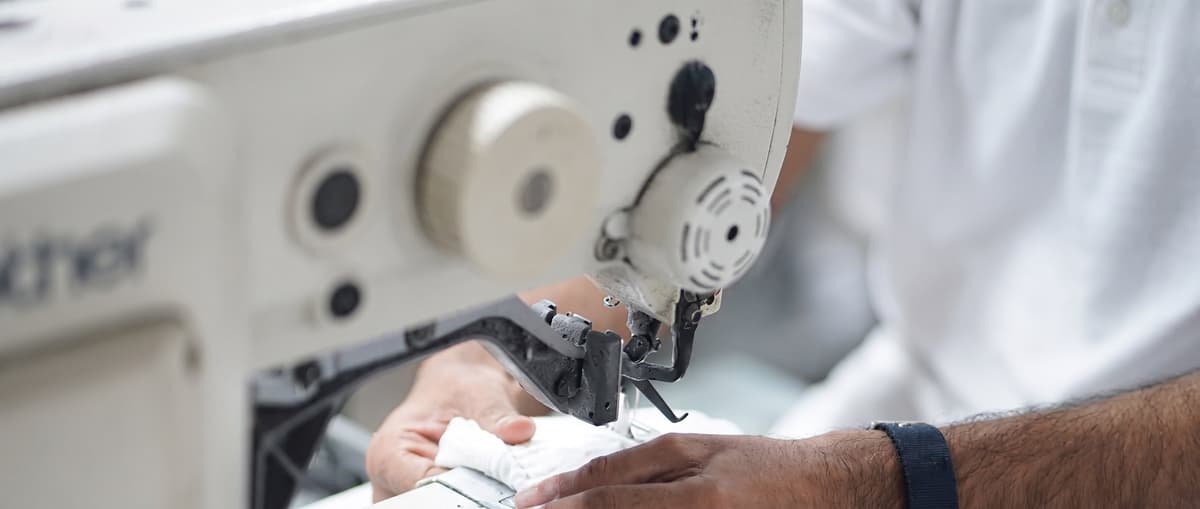
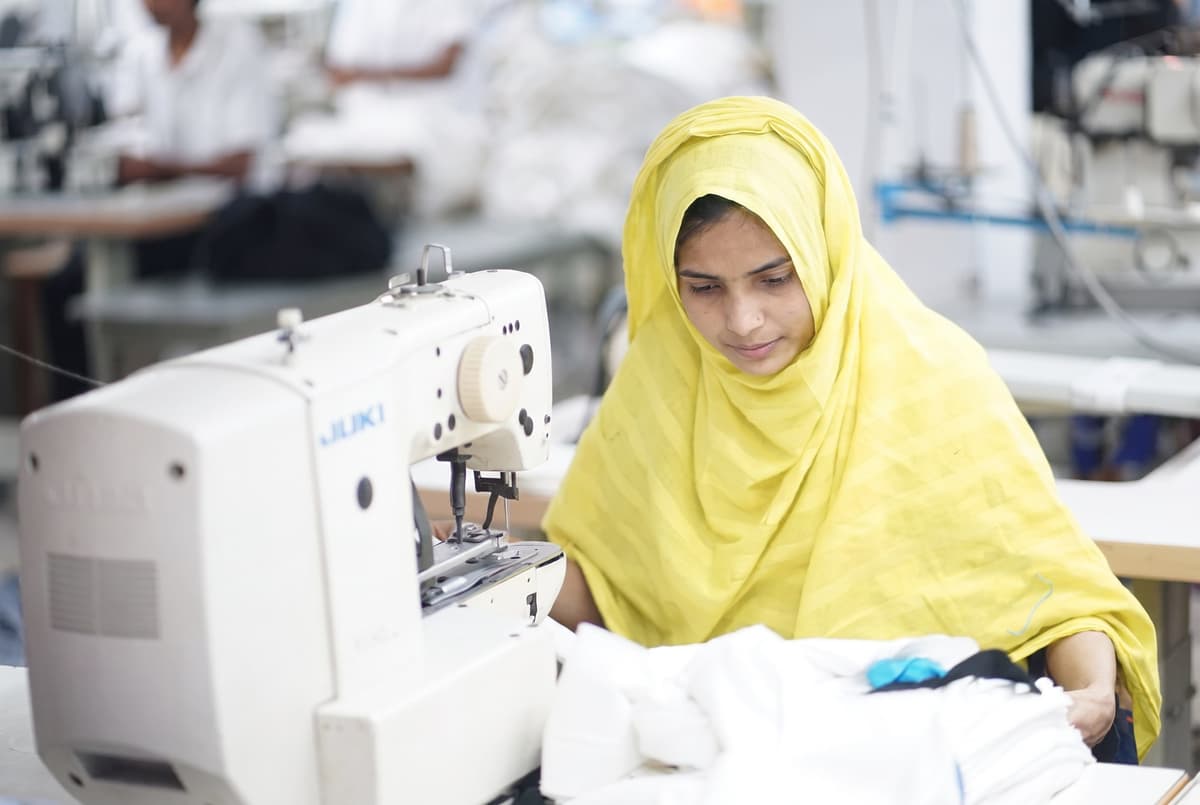
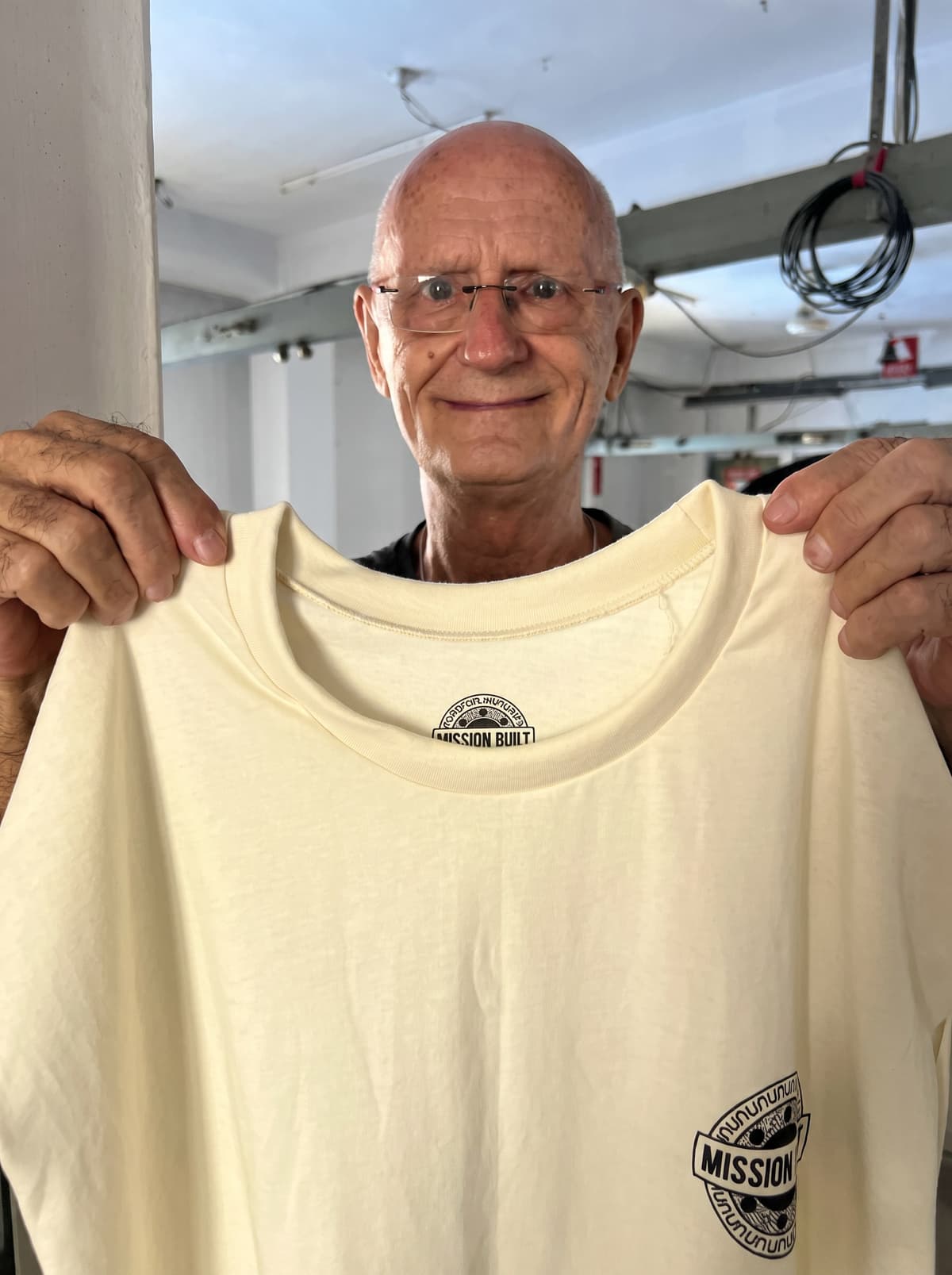
I have had a very good experience with this company. They are very friendly, professional, and provide fast service. They speak fluent English, which makes communication very easy. The quality of their manufacturing is excellent. I have no doubt in recommending this company to anyone looking for a reliable manufacturing partner in Bangladesh.
Talk to the factory directly: +880 1980 055021 · hello@collectivestudioltd.com
The General Product Safety Regulation (2023/988) has applied since December 2024, with enforcement intensifying through 2026, and textiles are explicitly covered. If you import garments from outside the EU, you are the economic operator responsible — you need a documented risk assessment and technical documentation for each product, kept for ten years after it goes on the market. The practical catch is that you can only build that file if your manufacturer supplies the underlying data: fibre composition, chemical and dye compliance, and traceable production records. Ask any prospective factory whether they can provide it, because if they can't, the exposure sits with you, not them.
It does not satisfy GPSR on its own — the two are related but distinct, and conflating them is a common mistake worth avoiding. Regulation (EU) 2023/988 requires a responsible person established in the EU and a technical file covering materials, testing and traceability held for ten years — that is a legal obligation, and no certification substitutes for it. Where GOTS helps is that most of the technical file's substance already exists as a by-product of certification: documented fibre origin, chemical inputs restricted and recorded, chain-of-custody paperwork through every processing stage, and audited supplier records. Assembling a technical file from a certified chain is straightforward; assembling one from an uncertified supply chain often is not. We build the file during production and hand it over with the shipment, and our Amsterdam office can sit as the EU-established point where that suits your structure.
Bangladesh has entered the EU duty-free under the Everything But Arms arrangement, which grants least-developed countries tariff-free, quota-free access. That status is due to change when Bangladesh graduates from LDC classification, currently scheduled for 24 November 2026, and the EU's transition arrangements are less settled than the UK's or Canada's — which is why we would rather you checked the live position than relied on a figure written here. The graduation date itself is also pending revision: the UN Committee for Development Policy has recommended deferring it to 24 November 2029, and the UN's Economic and Social Council unanimously forwarded that recommendation to the General Assembly in July 2026, with a final vote expected before the original date. VAT is separate and remains payable by you as importer regardless of duty. We ship DDP, so we clear customs and cover any duty owed and quote a landed price rather than a factory price. If the duty position materially affects your pricing, ask us to confirm it for your specific commodity code at quote stage and we will.
Our branch office is in Amsterdam — Soetendaal 61, 1081 BN — alongside the factory in Narayanganj. For European brands that matters for two practical reasons beyond the convenience of a nearer time zone. First, GPSR: Regulation (EU) 2023/988 requires a responsible person established in the EU, and a technical file covering materials, testing and traceability kept for ten years. That file has to be built during production rather than reconstructed afterwards, and having an EU entity simplifies who holds it. Second, meetings and samples move faster within Europe than across continents. The manufacturing itself happens in Bangladesh — we are not pretending otherwise — but the commercial and compliance relationship can sit in the EU where your obligations do.
One hundred pieces per style, per colour. For an EU brand there is a second consideration beyond quantity: GPSR. Regulation (EU) 2023/988 requires a responsible person established in the EU and a technical file kept for ten years covering materials, testing and traceability. That file has to be built during production, not reconstructed afterwards, so we assemble it as we go and hand it over with the shipment. Practically, that means a first order of three to five hundred pieces across two or three styles is the sensible shape — enough to justify the compliance work once and reuse it on reorders. Splitting a hundred pieces across several colours triggers separate fabric and dye lots and prices accordingly, so one colour deep beats three shallow. You can model that colour split against your GPSR-compliance budget in our free MOQ calculator.
Trade and regulatory details on this page last verified 22 August 2026. Tariff and compliance terms change — ask us to confirm the current position for your order.
Whether it’s a large bulk or wholesale run or your first batch of 100, send a sketch, a reference, or a sentence. We’ll reply within one business day with fabric options and an indicative price.