Specced for sun, salt and chlorine
Lightfastness is a testable property and deep shades fade fastest — we spec it deliberately rather than discovering it after a season on the beach.
Custom beachwear and beach towels, made to your design — cover-ups, towelling sets, and shorts in soft, lightweight fabrics, with worldwide delivery.
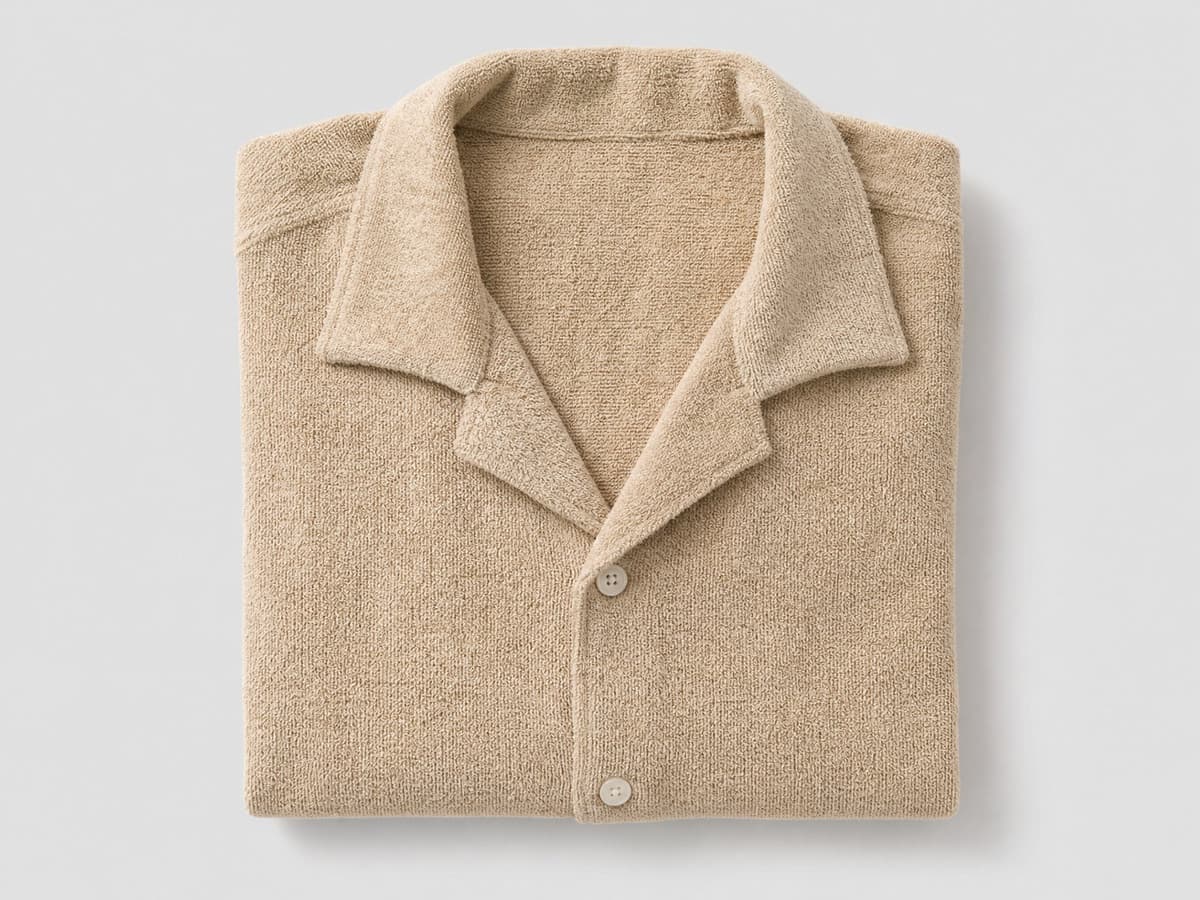
Beachwear gets treated as an easy category and it isn't — it's the one where colourfastness to light actually matters, because the product is worn in direct sun for hours at a time, often wet with salt or chlorine. A print that holds up fine on a t-shirt can visibly fade on a kaftan over one season in the Mediterranean. Lightfastness is a testable property (the standard test is ISO 105-B02), and it's worth specifying deliberately rather than assuming, particularly on deep or vivid shades, which fade most.
On fabric: cotton terry towelling is the obvious after-swim choice — actually absorbent, soft, and it reads as expensive, though heavier weights get bulky in luggage, which real customers notice. Viscose and rayon drape beautifully and are everywhere in resort wear, but they're substantially weaker when wet and wrinkle readily, so they suit a flowing kaftan far better than anything that needs to hold shape. Linen and linen-cotton breathe best in genuine heat and soften with wear, at the cost of wrinkling as a permanent feature rather than a flaw.
The practical advantage of making beach and swim with one partner is colour matching across different fabrics. Getting a swim fabric and a cotton cover-up to read as the same colour is difficult — different fibres take dye differently, so the same Pantone reference lands differently on nylon than on cotton. Doing both under one roof, with lab dips compared side by side, is how a coordinated set actually looks coordinated instead of nearly-matching.
Lightfastness is a testable property and deep shades fade fastest — we spec it deliberately rather than discovering it after a season on the beach.
Launch or extend a beach range without a big commitment.
Terry for absorbent after-swim, viscose for drape, linen for real heat — each with an honest trade-off we'll walk you through.
Different fibres take dye differently. Making beach and swim together with lab dips compared side by side is how a set actually matches.
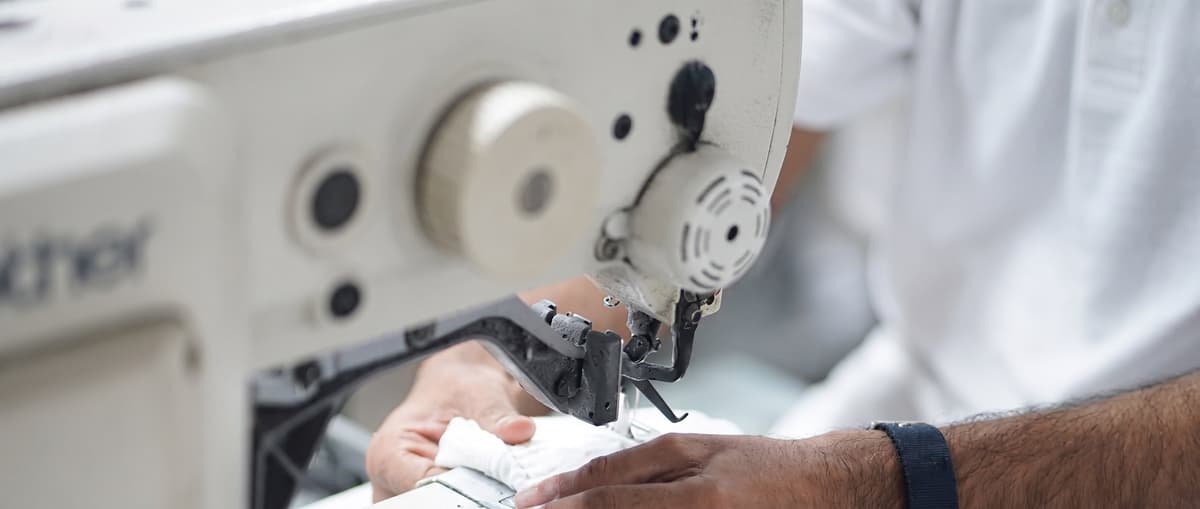
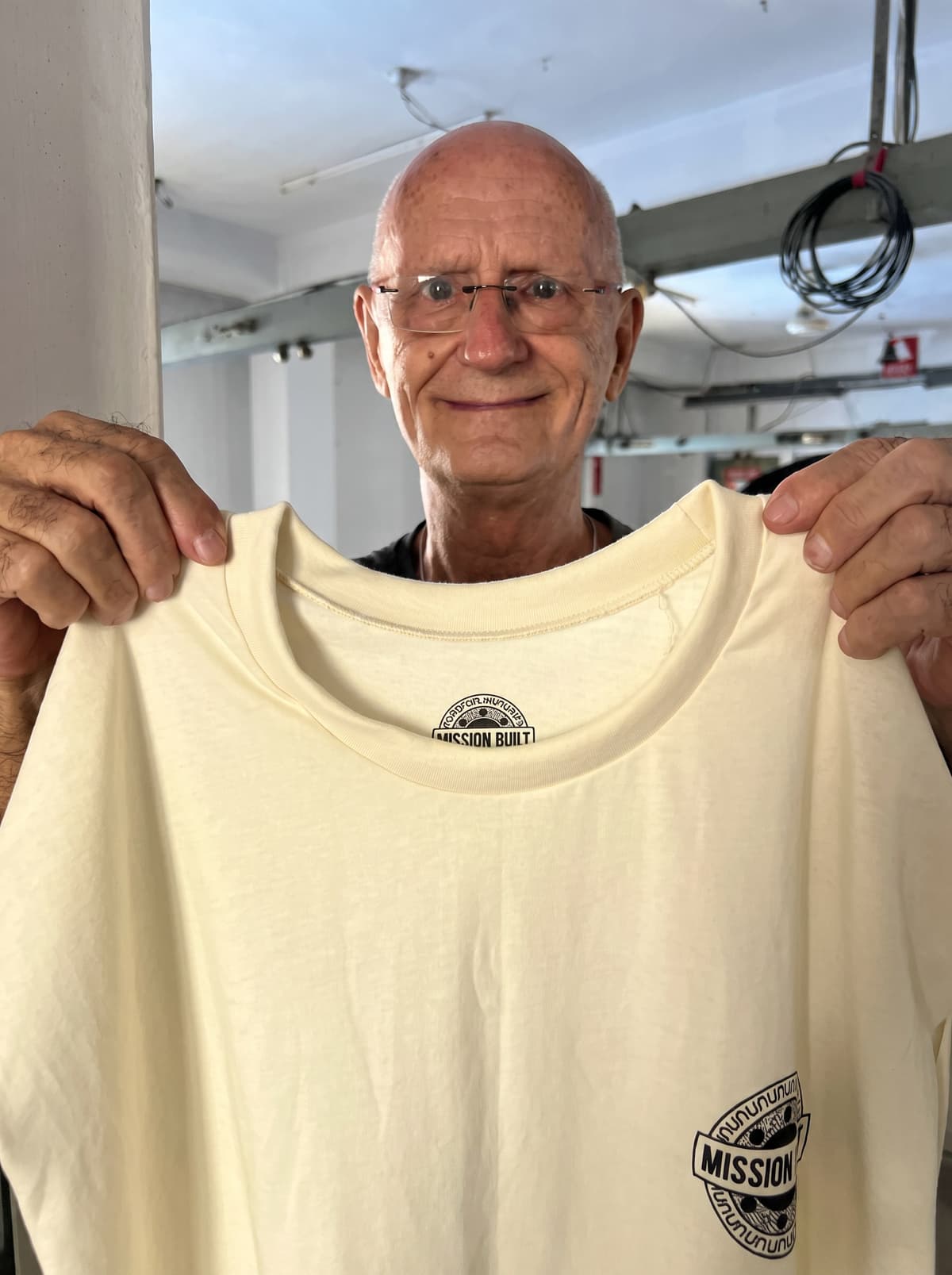
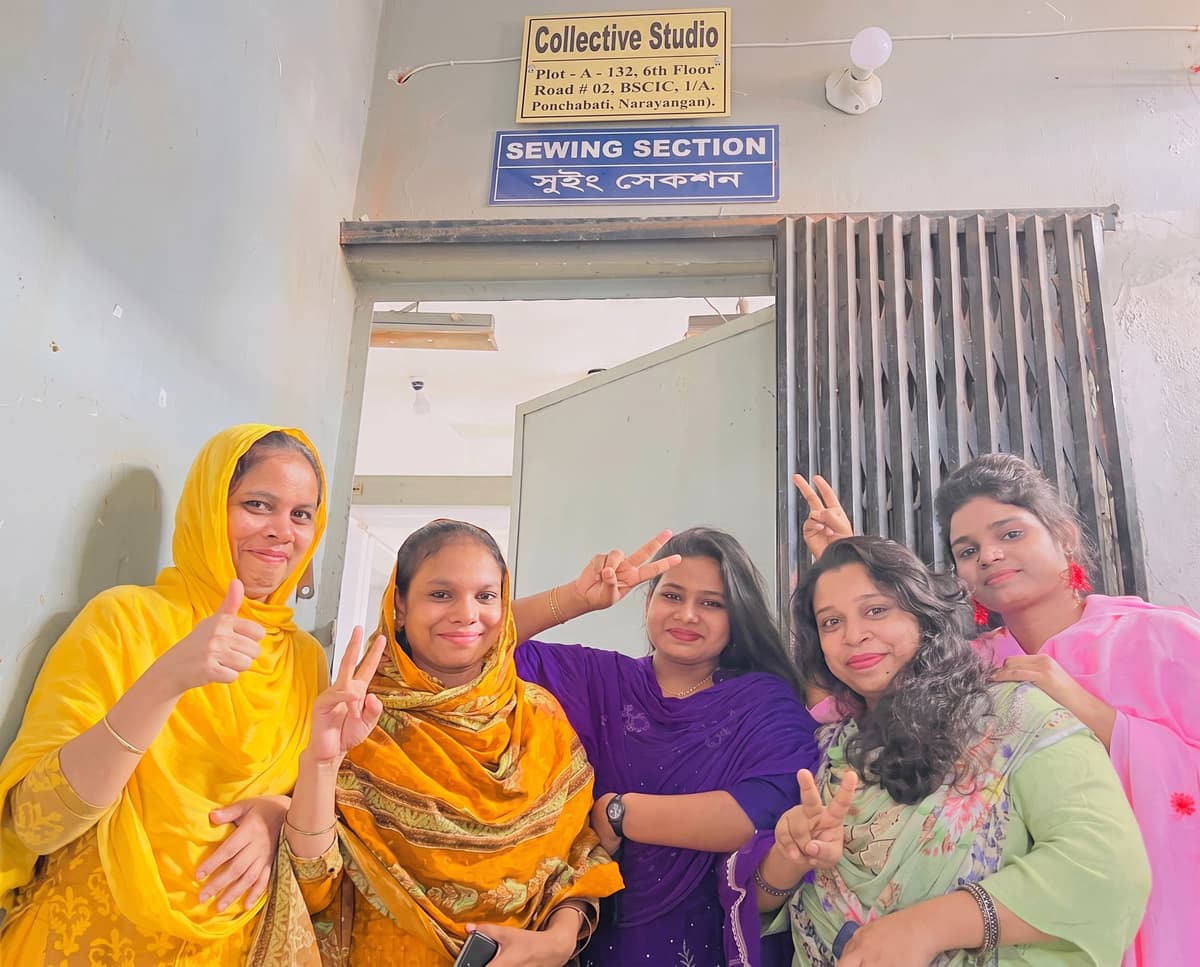
I have had a very good experience with this company. They are very friendly, professional, and provide fast service. They speak fluent English, which makes communication very easy. The quality of their manufacturing is excellent. I have no doubt in recommending this company to anyone looking for a reliable manufacturing partner in Bangladesh.
Talk to the factory directly: +880 1980 055021 · hello@collectivestudioltd.com
Cover-ups, kaftans, beach shirts and camp collars, shorts, lightweight trousers, towelling sets, bucket hats and tote bags — plus swim itself, which is a different construction discipline and priced separately. The fabrics that matter here are linen and linen blends, viscose, lightweight cotton gauze, seersucker and towelling, all of which drape and breathe rather than hold structure. What we would steer you away from is treating beachwear as summer versions of your main range: the fit is looser, the seams are usually flat or French rather than overlocked, and garments are expected to be worn wet, sandy and washed often. Those are construction decisions taken at pattern stage, not finishing touches added later.
Some fading is inevitable on any dyed textile with sustained UV exposure; what varies is how fast. Fibre matters most — polyester holds colour against UV far better than cotton, which is why performance and swim ranges use it. Dye class matters next: reactive dyes on cotton bond chemically and hold better than pigment dyes, which sit on the surface and are the usual culprit behind a garment fading noticeably in one season. Colour itself plays a part, with intense reds and bright blues being more fugitive than navy, black or natural. For beachwear and anything sold into high-UV markets like Australia we recommend polyester or a polyester blend with reactive-dyed cotton where cotton is essential, and we can arrange lightfastness testing if a retailer requires a rating.
Three quite different propositions. Towelling is looped cotton — absorbent, soft, and increasingly used for cover-ups and co-ord sets rather than only for towels; it is heavier and reads as a considered resort piece, but it is bulky and slow to dry. Viscose drapes better than almost anything at this price point and feels cool and fluid, which suits kaftans and beach shirts, though it wrinkles readily and loses strength when wet, so it wants care. Linen breathes best, gets better with age, and carries the strongest sustainability story of the three, but it creases dramatically and that has to be part of the design intent rather than a surprise. For a first beachwear range most brands do well with viscose for drape and linen for the hero pieces.
In the same order, yes, though they are different disciplines and priced separately. Beachwear — cover-ups, kaftans, shirts, shorts, towelling — uses woven or lightweight knit fabrics and relatively simple construction. Swim uses recovery fabric, usually a nylon or polyester elastane blend, with linings, gripper elastic, adjustable hardware and flatlocked or bonded seams, and the pattern has to be cut for a fabric that stretches and returns. That means swim carries a longer sampling stage and a higher unit cost. Running them together makes sense commercially because the customer buys both and you can share a print or colour story across the range. Tell us at quote stage if you want a matching print, because getting the same colour to read identically on two different fabrics is a decision made at dyeing.
Trade and regulatory details on this page last verified 30 July 2026. Tariff and compliance terms change — ask us to confirm the current position for your order.
Whether it’s a large bulk or wholesale run or your first batch of 100, send a sketch, a reference, or a sentence. We’ll reply within one business day with fabric options and an indicative price.