Shipping Bulk Clothing Orders: Sea Freight, FCL vs LCL & Incoterms
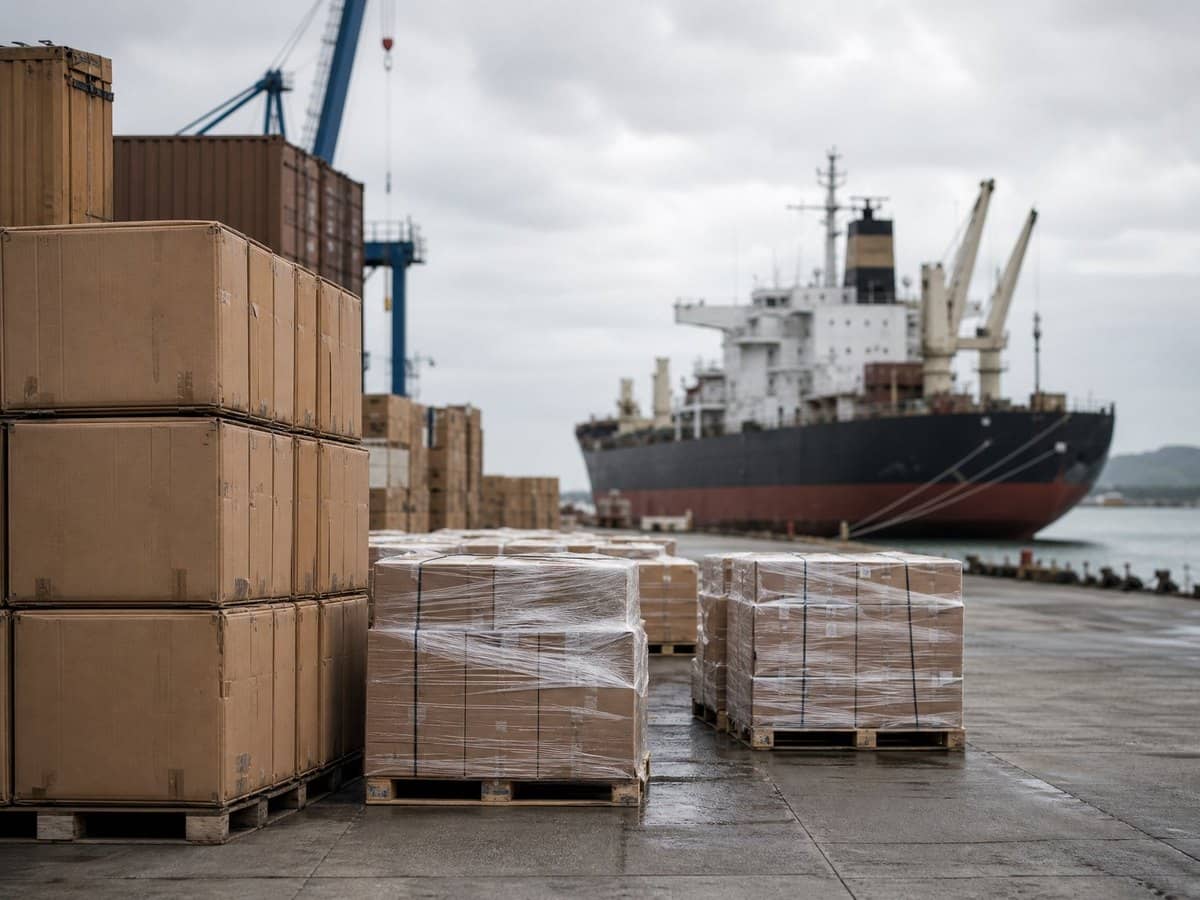
At volume, freight stops being a rounding error and becomes a line item that can make or break your margin. A little knowledge here saves real money and prevents nasty surprises at the border.
Sea vs air
Sea freight is far cheaper per unit and the default for bulk — the trade-off is time (typically a few weeks in transit, plus port handling). Air freight is fast but expensive; reserve it for urgent top-ups or high-value, low-volume pieces. Most brands ship the bulk by sea and air a small "launch" quantity if timing is tight.
FCL vs LCL
- FCL (Full Container Load) — you book a whole container (20ft or 40ft). Cheapest per unit once you have the volume to fill it, and your goods travel sealed and alone.
- LCL (Less than Container Load) — your cartons share a container with other shippers. Right for mid-size orders that don't fill a container, though per-unit cost and handling are higher.
Incoterms — who pays for what
Incoterms are the standard rules defining where the factory's responsibility ends and yours begins:
- EXW (Ex Works) — you collect from the factory door and arrange everything. Most control, most work.
- FOB (Free On Board) — the factory gets goods onto the ship; you handle freight, insurance, customs and duty from there.
- CIF (Cost, Insurance, Freight) — the factory covers freight and insurance to your port; you clear customs and duty.
- DDP (Delivered Duty Paid) — the factory delivers to your door with duties and freight handled, so you get one clear landed cost.
| Incoterm | Export clearance | Main freight | Insurance | Import duty & customs | Risk passes to you |
|---|---|---|---|---|---|
| EXW — Ex Works | You | You | You | You | At the factory door |
| FOB — Free On Board | Factory | You | You | You | Once loaded on the ship |
| CIF — Cost, Insurance, Freight | Factory | Factory | Factory | You | Once loaded on the ship |
| DDP — Delivered Duty Paid | Factory | Factory | Factory | Factory | At your door |
FOB looks cheaper on paper; DDP is usually simpler in practice. The right choice depends on whether you have a freight forwarder and the volume to negotiate your own rates.
The incoterms that actually come up
There are eleven incoterms and you will realistically be quoted three. The difference between them is not service quality — it is where responsibility, cost and risk transfer from the factory to you.
| Term | Factory covers | You cover | Best when |
|---|---|---|---|
| EXW | Nothing beyond having goods ready | Everything, from the factory door | You have your own freight forwarder and know the route |
| FOB | Goods to the origin port, loaded | Sea freight, insurance, duty, clearance, inland delivery | You have a forwarder and want to control the shipping leg |
| DDP | Everything, to your door | Nothing further | You want one landed cost and no customs admin |
Why an FOB quote looks cheaper and often is not
This is the most expensive misunderstanding in first-time importing. An FOB number covers the goods only as far as the port of origin. Sea freight, insurance, import duty, customs brokerage, port handling and inland delivery all arrive afterwards, as separate invoices, over the following weeks — and by then the goods are already yours.
Brands comparing an FOB quote from one supplier against a DDP quote from another routinely conclude the FOB supplier is cheaper, then discover the gap after landing. If you are comparing, either get both quoted on the same term or add a realistic estimate for freight and duty to the FOB figure before you decide. We quote DDP for exactly this reason: one number, no arithmetic homework, no invoice arriving six weeks later.
Plan the timeline
Build sea transit and customs clearance into your launch calendar — see our lead-time and capacity guide. We ship worldwide and can quote DDP door-to-door so duties never ambush your margin.
Tell us your destination and volume and we'll recommend the most cost-effective way to ship.
Frequently asked questions
What is the cheapest way to ship clothing in bulk?
Sea freight, and specifically a full container load once your volume justifies one. The cost gap between sea and air is large enough that it usually dominates the decision — air can cost several times more per kilogram, which on garments is significant because clothing is bulky relative to its value. A practical hybrid many brands use: ship the bulk by sea and air a small quantity to cover launch, photography and early orders, so the on-sale date is not hostage to a vessel schedule. Whatever route you choose, count transit time honestly in your planning. Sea freight timelines vary by lane and are the stage most likely to slip, particularly around peak shipping periods.
What is the difference between FOB and DDP?
FOB means the supplier's responsibility ends once goods are loaded at the origin port: you then arrange and pay for freight, insurance, customs clearance, duty and inland delivery. DDP means the supplier delivers to your door with all of that included and quoted as a single figure. The practical consequence is that an FOB quote and a DDP quote are not comparable numbers, and an FOB price will always look cheaper on paper because it is describing less. Brands new to importing frequently compare the two directly and are surprised by the invoices that follow. Before comparing any two supplier quotes, confirm which incoterm each is using — it is the single most common source of a misleading price comparison.
What is FCL vs LCL shipping?
FCL means you book an entire container for your goods alone, which gives the lowest cost per unit once you have volume to fill it and the simplest handling, since the container is sealed at origin and opened at destination. LCL means your cartons share space with other shippers' goods, consolidated at origin and deconsolidated at destination. LCL suits mid-size orders that cannot fill a container, but it costs more per unit and adds handling steps — consolidation and deconsolidation both take time and both introduce opportunities for damage or delay. As a rough guide, once an order approaches container capacity, FCL usually wins on both cost and reliability even if the container is not completely full.
Free tools & guides for this
Sources & further reading
Have an idea? Let’s make it.
We manufacture from 100 pieces per style, with GOTS-certified organic options and photos at every stage. Send a sketch or a sentence — we’ll reply within a day.