240–400 GSM, specified not guessed
Send a garment you want matched and we measure it. Weight is the most common reason a first streetwear sample disappoints, and it is entirely avoidable.
Streetwear built at the weight it should be — 240 to 400 GSM hoodies, boxy tees and heavy fleece, from 100 pieces per drop.
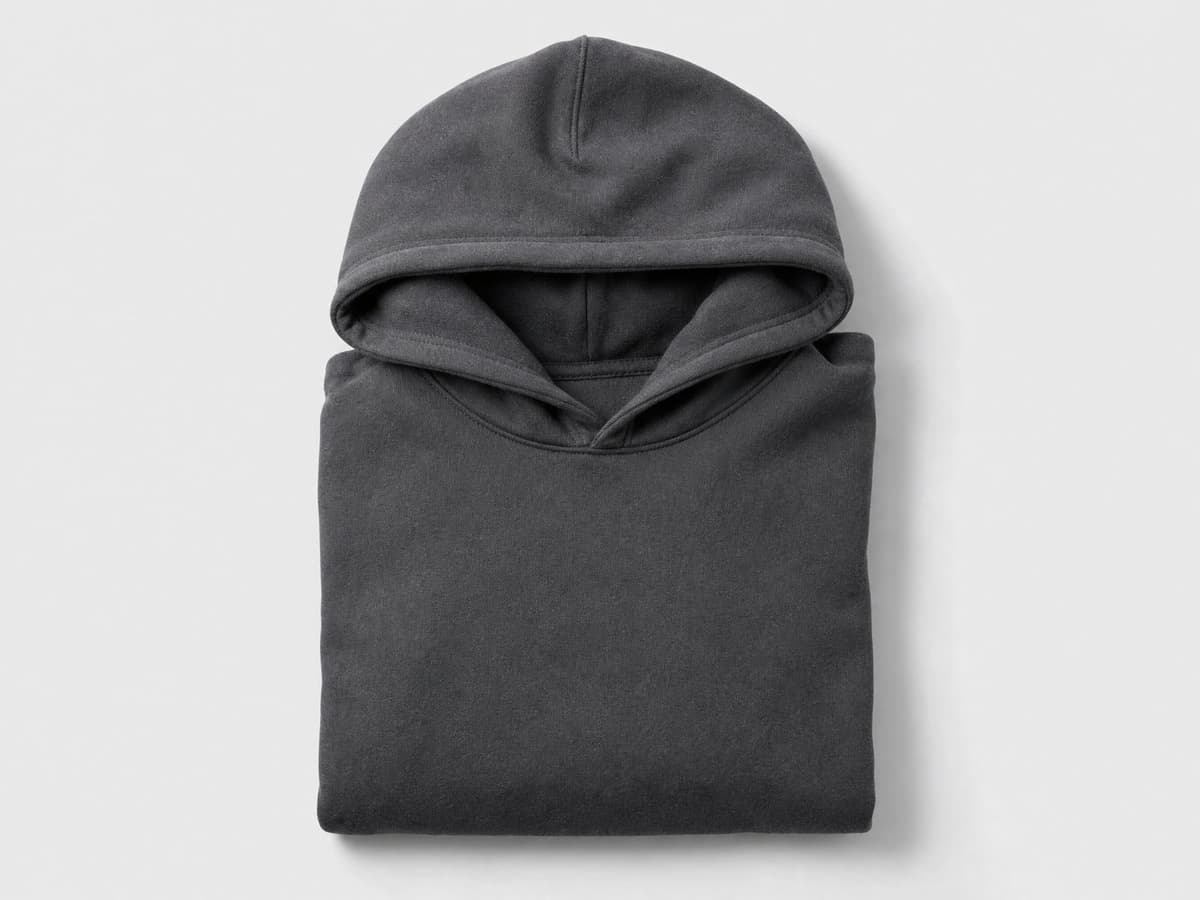
Collective Studio is a family-run streetwear clothing manufacturer in Narayanganj, Bangladesh. We make the core streetwear range in cut-and-sew knit: heavyweight hoodies and crewnecks, boxy and oversized tees, heavy fleece sets and knit cargos. Minimum is 100 pieces per style and colour, and screen printing, embroidery and sublimation all happen in our own building rather than at a separate print shop.
Weight is the whole conversation in streetwear, and it is where most first orders go wrong. A standard retail tee is around 150–180 GSM. Streetwear buyers expect noticeably more: 200–240 GSM for a substantial tee, and 300–400 GSM for a hoodie that feels like the ones your customers are comparing you to. The difference between a 280 GSM hoodie and a 400 GSM hoodie is immediately obvious in the hand, and it is the single most common reason a brand’s first sample disappoints them. Tell us the weight you want in GSM, or send a garment you want matched and we will measure it rather than guess.
Boxy is a pattern, not a size. Brands frequently ask for an oversized fit and receive a garment that is simply one size too big — longer in the sleeve and lower in the hem, which is not the same thing at all. A true boxy block is drafted wide and short, with a dropped shoulder that deliberately sits down the arm and a body length that stays cropped as the width increases. Getting this right is a pattern decision made before anything is cut. We draft it as its own block, and if you send a reference garment we will pattern from that rather than approximating.
Print method changes what your artwork can be. Screen printing gives the thickest, most durable deposit and the best price at volume, but it charges per colour, so a six-colour design costs six screens. For heavy opaque prints on dark fabric it remains the right choice. Sublimation only works on light polyester, so it is wrong for most streetwear. For detailed or full-colour artwork at low quantities, direct-to-film is usually the sensible answer. We will tell you which method suits your specific artwork instead of pushing you towards whichever is easiest for us.
Drops reward planning ahead. The part of a reorder that takes time is not sewing, it is fabric — specifically dyeing, which has to be booked into a lot. If you tell us your drop calendar in advance we can reserve fabric against it, which is what makes a fast turnaround possible when a piece sells out. Brands that reorder without warning wait for a dye lot like everyone else. This is the single most useful planning conversation we can have with a streetwear brand, and it costs nothing.
Send a garment you want matched and we measure it. Weight is the most common reason a first streetwear sample disappoints, and it is entirely avoidable.
A true oversized fit is wide and short with a dropped shoulder — not a standard pattern one size up, which just gives you longer sleeves.
Screen print for heavy opaque work at volume, DTF for detailed multi-colour at low quantity. We tell you which your design actually needs.
Reorder speed is a dyeing problem, not a sewing one. Tell us your calendar and we reserve the lot, which is what makes a fast restock possible.
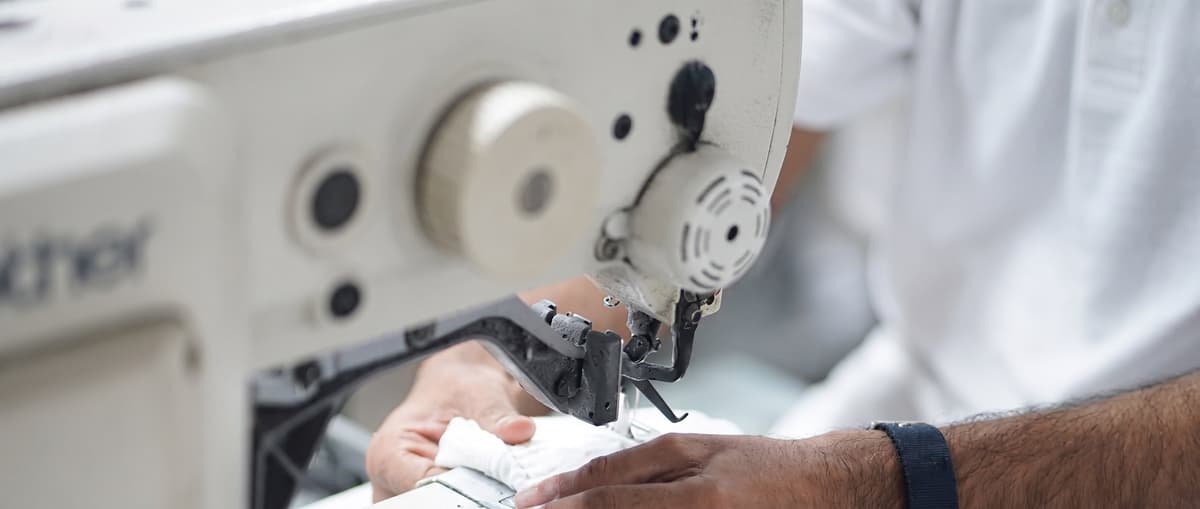
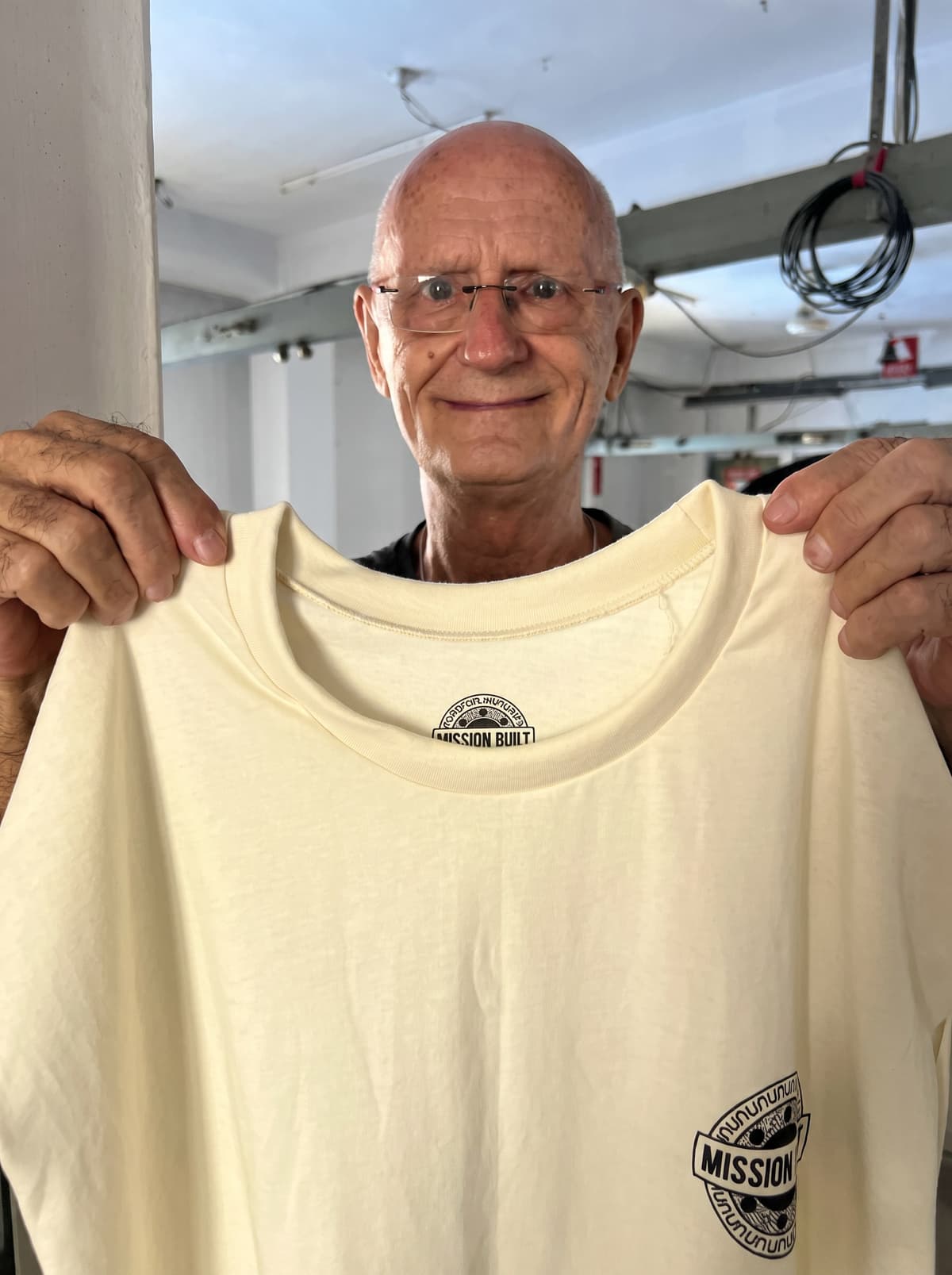
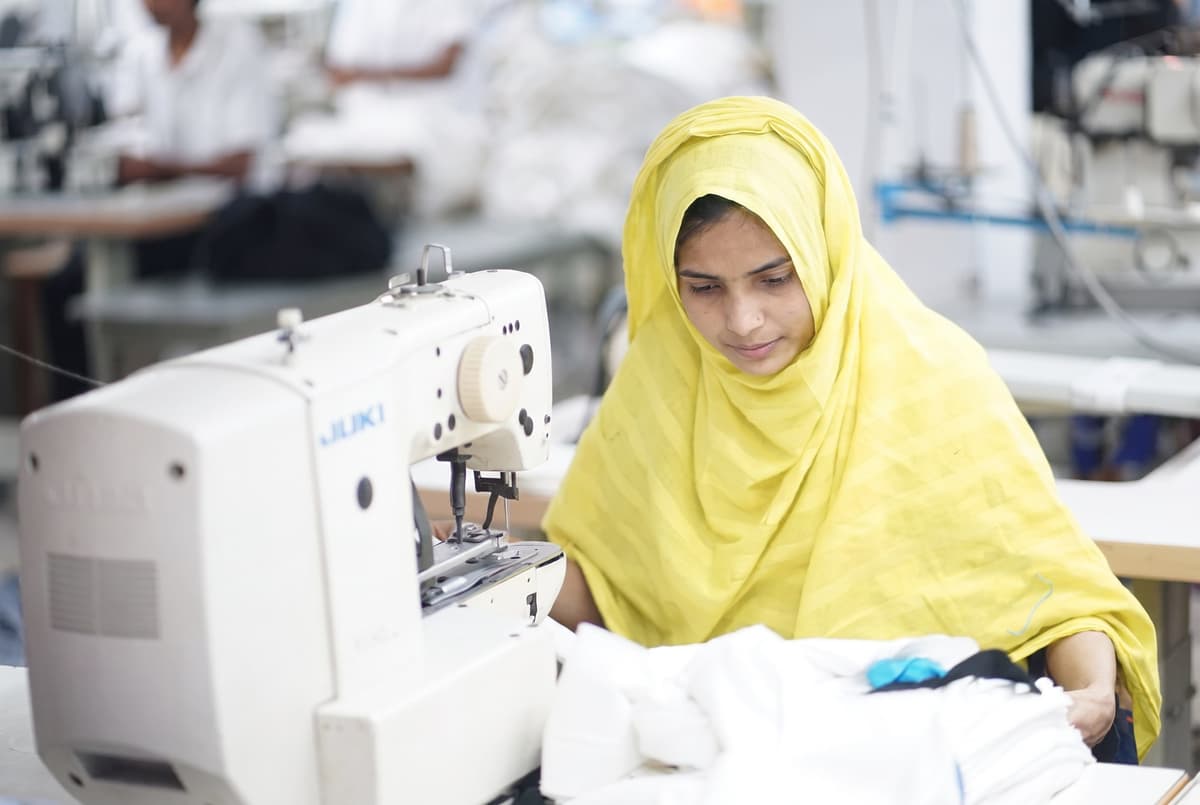
Collective Studio is up and coming. Very hard working people who want to please their customers and grow partnerships together. Homaira is very knowledgeable in the knit industry and always willing to learn more. We are looking to grow our business with them.
Talk to the factory directly: +880 1980 055021 · hello@collectivestudioltd.com
For streetwear, 300 to 400 GSM. Below roughly 280 GSM a hoodie starts to feel like a mid-layer rather than the substantial piece your customers are comparing against, and above 450 GSM it becomes stiff and slow to dry without feeling meaningfully better. Within that band, 320 to 350 GSM brushed-back fleece is the most common answer and suits most brands. The most reliable way to get what you want is not to pick a number from a chart but to send us a hoodie whose weight you like. We will measure it, match the fabric weight and note the construction, then confirm it back to you before sampling. Weight is the number one reason a first streetwear sample disappoints a brand, and it is entirely preventable with one garment in the post.
By having it drafted as its own block rather than sizing up a standard pattern. This distinction catches out a lot of new brands. If a factory takes a regular hoodie pattern and produces it a size or two larger, you get longer sleeves and a longer body — the garment is bigger everywhere, which is not the look. A true boxy block is drafted wide relative to its length, with the shoulder seam deliberately dropped down the arm and the body kept short even as the chest measurement increases. Those are pattern decisions made before any fabric is cut. We draft boxy and oversized fits as separate blocks, and the most reliable route is to send us a garment with the silhouette you want so we can pattern from the real thing rather than from a description.
It depends on the artwork, not on which is newer. Screen printing pushes a thick layer of ink through a mesh, one screen per colour. That gives the most durable and opaque result, handles heavy solid coverage on dark fabric better than anything else, and gets cheaper per unit as quantity rises. Its limitation is colour count: a six-colour design needs six screens, and photographic artwork with gradients is not practical. Direct-to-film prints your artwork onto a film and heat-presses it across, so colour count costs nothing and fine detail survives. It is the better answer for detailed, multi-coloured or photographic work at low quantities, which describes a lot of first streetwear drops. Send us the artwork and we will tell you which one your design actually needs.
Faster if you warned us it might. The slow part of a reorder is almost never the sewing, which we can schedule quickly. It is the fabric, and specifically the dyeing, because your colour has to be booked into a dye lot at a partner plant and lots are scheduled in advance. A reorder placed cold waits for that lot like any other order. A reorder we knew was coming can have fabric already reserved against it, which removes the longest step. So the single most useful thing a streetwear brand can do is share a drop calendar with us, even a rough one. It costs nothing, commits you to nothing, and is the difference between restocking a sold-out piece in weeks rather than months.
Yes, and it is the method we recommend over a written description. Send us the physical garment. We measure it flat at every relevant point, weigh the fabric to establish GSM, identify the knit structure and the rib composition, note the seam types and the construction of the cuffs, hem and hood, and pattern from that. A written spec, or a photograph, always leaves room for interpretation — two people can read heavyweight boxy hoodie and picture different garments. A physical reference removes the ambiguity entirely. We will also tell you honestly where we would build it differently, for instance if the original uses a construction that will not survive many washes, so the decision stays yours.
Trade and regulatory details on this page last verified 22 August 2026. Tariff and compliance terms change — ask us to confirm the current position for your order.
Whether it’s a large bulk or wholesale run or your first batch of 100, send a sketch, a reference, or a sentence. We’ll reply within one business day with fabric options and an indicative price.