Scaling Production: Managing Reorders & Forecasting at Volume

Growing from one good order into a reliable supply chain is its own skill. The brands that scale smoothly treat production as a rhythm — forecast, reorder, repeat — rather than a series of panics. Here's how to build that rhythm.
Reorder your winners
The cheapest stock is the stock that sells. Rather than over-producing on day one, scale the styles and colours that prove themselves and quietly retire the ones that don't. Your sell-through data is the best forecasting tool you have.
Forecast with lead time in mind
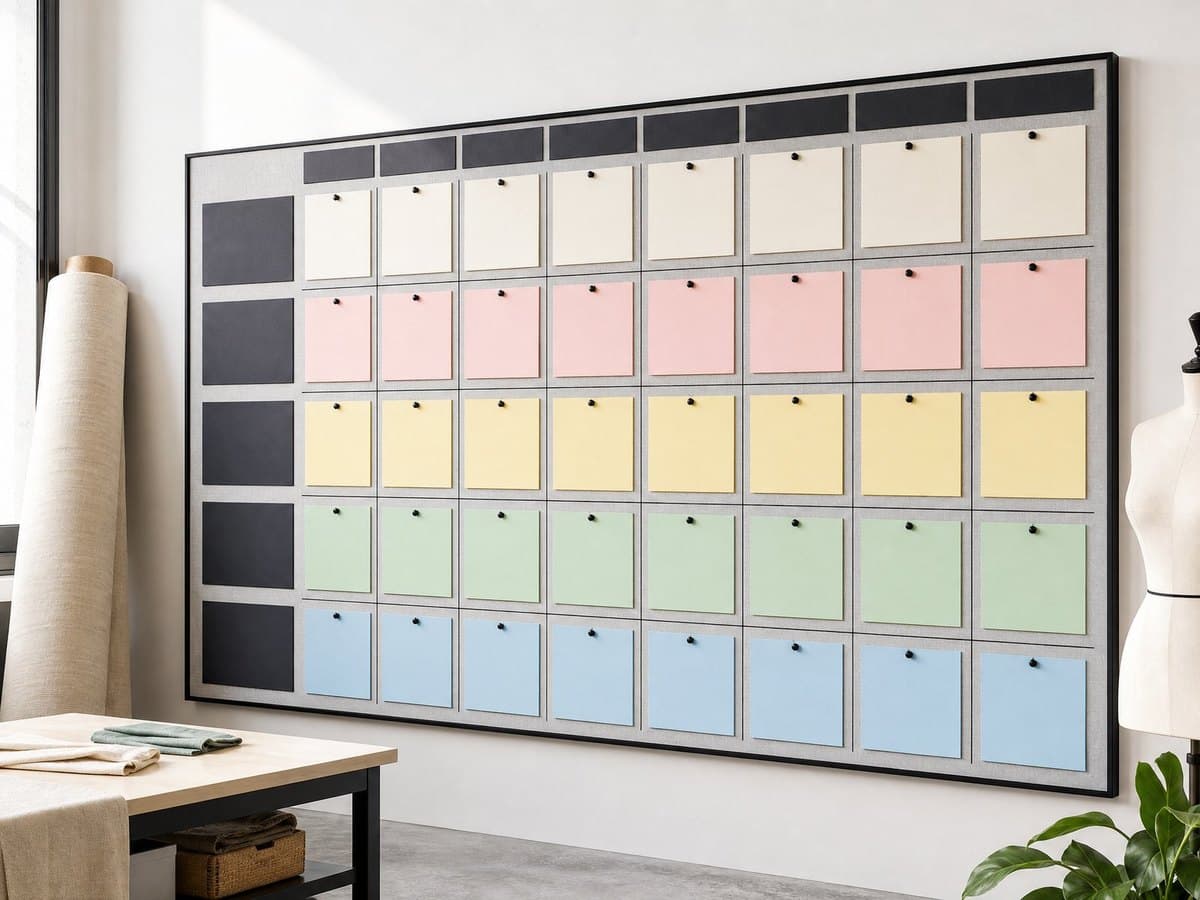
A forecast is only useful if it accounts for how long production takes. Work backward from when you'll need stock, add your full lead time, and place the order before you run dry. Seasonality matters — plan peaks early.
Hold the right safety stock
Carrying a sensible buffer on core, always-on styles prevents stockouts on the products that drive your revenue. Carry less on trend pieces that date quickly. The goal is availability on your winners without cash tied up in guesses.
Scaling isn't about producing more — it's about producing the right things, at the right time, again and again.
The reorder trap almost every brand falls into
Selling out feels like success and is frequently the most dangerous moment in a young brand’s first year. The garment takes 40 to 50 days to remake, so a sell-out three weeks after launch means roughly two months with nothing to sell and no revenue coming in — usually at exactly the point the marketing is finally working.
The fix is unglamorous: hold back cash for the reorder before you place the first order, not after the first one sells. A useful rule of thumb is to treat your first production run as costing about 1.6 times its invoice — the run itself, plus a reserve for the repeat you will want before that run is finished. Almost nobody budgets for the reorder; almost everybody needs it.
How to forecast when you have no sales history
Forecasting sounds like something you need years of data for. You do not — you need a small number of honest assumptions, written down, so that reality can correct them.
- Start from sell-through rate, not gut feel. If you sold 60 of 100 units in six weeks, that is your baseline. Two data points beat an opinion.
- Forecast per size, not per style. Running out of M while sitting on XS is the most common form of “sold out”, and it is a size-curve problem rather than a demand problem.
- Weight the curve toward what actually sold on the next run rather than repeating the split you guessed the first time.
- Separate seasonal from year-round. A year-round style can be forecast on a rolling average; a seasonal one cannot, and treating them the same is how brands end up holding winter stock in June.
Placing a standing order
Once a style is proven, the most efficient move is to stop treating every run as a fresh negotiation. Agreeing a repeating schedule — say 500 pieces every eight weeks — lets a factory plan fabric and line time around you rather than fitting you in, which usually improves both your lead time and your price. It also holds your fabric lot and colour consistent, because the mill is buying to a known plan instead of a series of surprises.
Keep quality consistent across runs
- Keep a sealed sample as the reference every future run is matched to.
- Stay with one factory where you can — institutional memory is quality you don't pay for twice.
- Control fabric lots and trims so run #5 feels like run #1.
We build long-term production calendars with the brands we grow alongside — bulk runs, reorders and all. Let's plan your next 12 months.
Frequently asked questions
When should I reorder stock?
Count backwards from when you would run out, not forwards from when stock looks low. Realistically that means roughly ninety days ahead on a first-time repeat and sixty on a settled one, because bulk production is forty to fifty days after sample sign-off and freight adds one to six weeks depending on whether you fly or ship. The practical trigger most brands land on is reordering when about eight to ten weeks of cover remains at current sell-through. What catches people out is seasonality: if the reorder lands in the fortnight after your peak, you have tied up cash in stock that now sits until next year. Two other timing traps worth knowing — Chinese New Year and Eid both shut large parts of the supply chain for weeks, and both move each year.
How do I keep quality consistent across production runs?
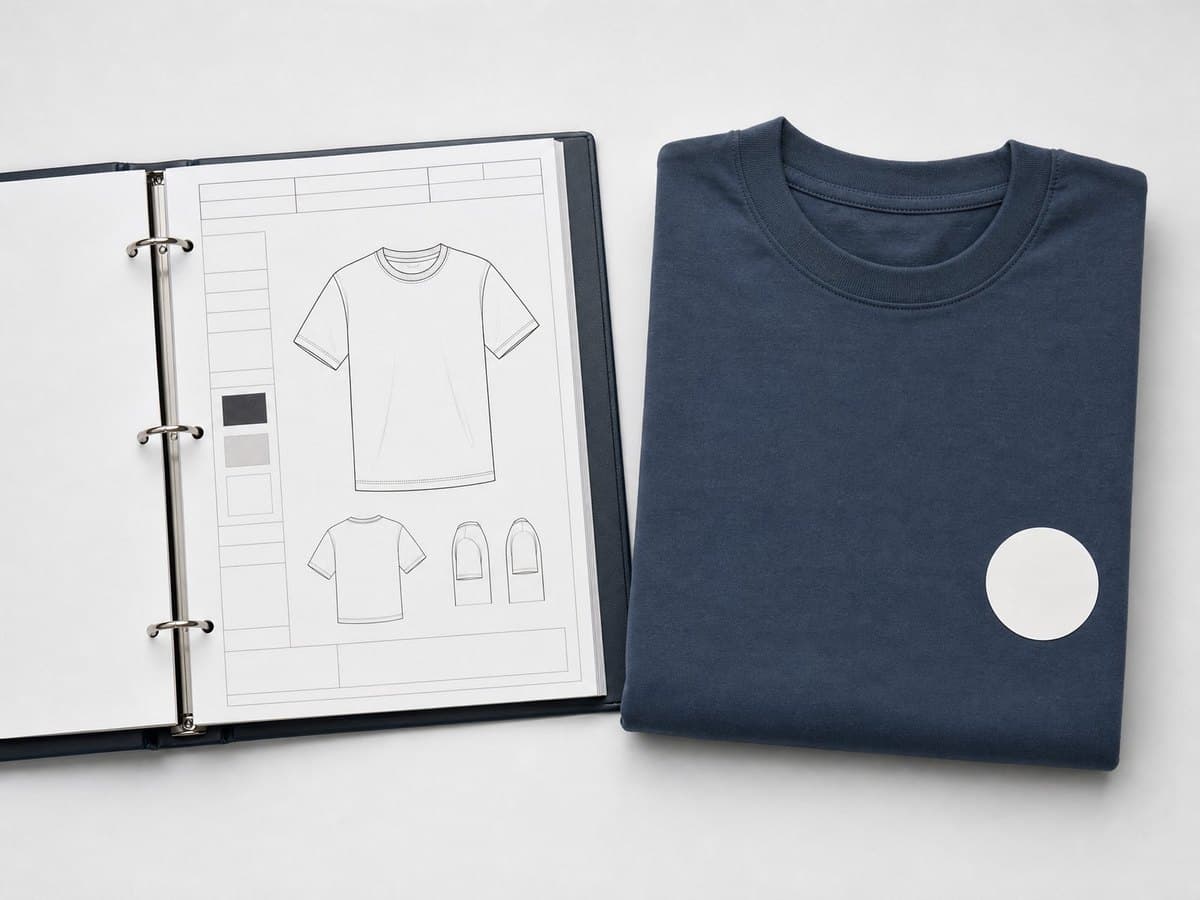
Write it down, then inspect against what you wrote. A signed pre-production sample is the reference — every later run is judged against that physical garment, not against a memory or a photograph. Your tech pack needs measurement tolerances at each point, not just target measurements, because no factory produces identical garments and "about right" is not a standard anyone can inspect to. Agree an AQL level in writing before production, so a passed or failed inspection is arithmetic rather than opinion. Keep a sealed sample of each approved run so you have something to compare against a year later. And use the same factory where you can: switching suppliers resets all of this, and the second factory's interpretation of your tech pack will differ from the first's in ways you only discover after the goods arrive.
How much safety stock should a clothing brand hold?
Enough to cover the gap between noticing you need more and being able to get it, which for garment manufacturing is longer than most new brands plan for. With a two-to-three month replenishment cycle, four to eight weeks of cover on your proven sellers is a reasonable starting point. Concentrate it: hold depth on the two or three styles that actually move rather than spreading thin cover across a whole range, because a stockout on your best seller costs far more than a stockout on your slowest. The counterweight is that stock is cash sitting in a box, and clothing has a nasty habit of becoming last season's. If you are unsure, err lower on anything fashion-led and higher on core basics, which forgive you for holding them longer.
Free tools & guides for this
Sources & further reading
Have an idea? Let’s make it.
We manufacture from 100 pieces per style, with GOTS-certified organic options and photos at every stage. Send a sketch or a sentence — we’ll reply within a day.