01 / Transparency
Know exactly where your order stands.
From sampling to production to delivery — complete visibility at every stage. No surprises. No guessing.

One family-run knitwear floor at every scale— serious bulk and wholesale production, plus low-MOQ runs from 100 pieces for independent creators.
A family-run, full-scale knitwear manufacturer — large bulk and wholesale production at our core, and low-MOQ runs from 100 pieces for the creators just starting out. Established in 2019; a father-daughter partnership with decades of garment-industry experience.
One factory. Eight categories. Every fabric blend you’ve sketched on a napkin — and a few we’ll suggest you try.
Most of it is production. The step that decides whether you land on fifty or sixty is your sign-off — so it is drawn here at its real size, not as one box of four.
Fifty days is typical, not a promise — larger runs take longer, and we will say so at quotation rather than agree and miss. Tell us what you are making and we will give you a date we can actually hold.
We run large-volume and wholesale production every day — and built Collective Studio so emerging brands could get that same factory to say yes to small runs, too.
From sampling to production to delivery — complete visibility at every stage. No surprises. No guessing.
Our QC is led by Walter Meyer (38 years in fashion). Your first order and your fiftieth come off the line identical.
From 100 pieces per style/color for a first run, all the way up to full bulk and wholesale orders. 50 daysfrom confirmation to delivery — we respect your timelines.
Go inside the floor with co-founder Homaira Jashim. We’re open to brand visits, virtual walkthroughs, and live video from the production line — the same transparency we give every order.
Verbatim reviews from our Google Business Profile — every one links out so you can verify it yourself.
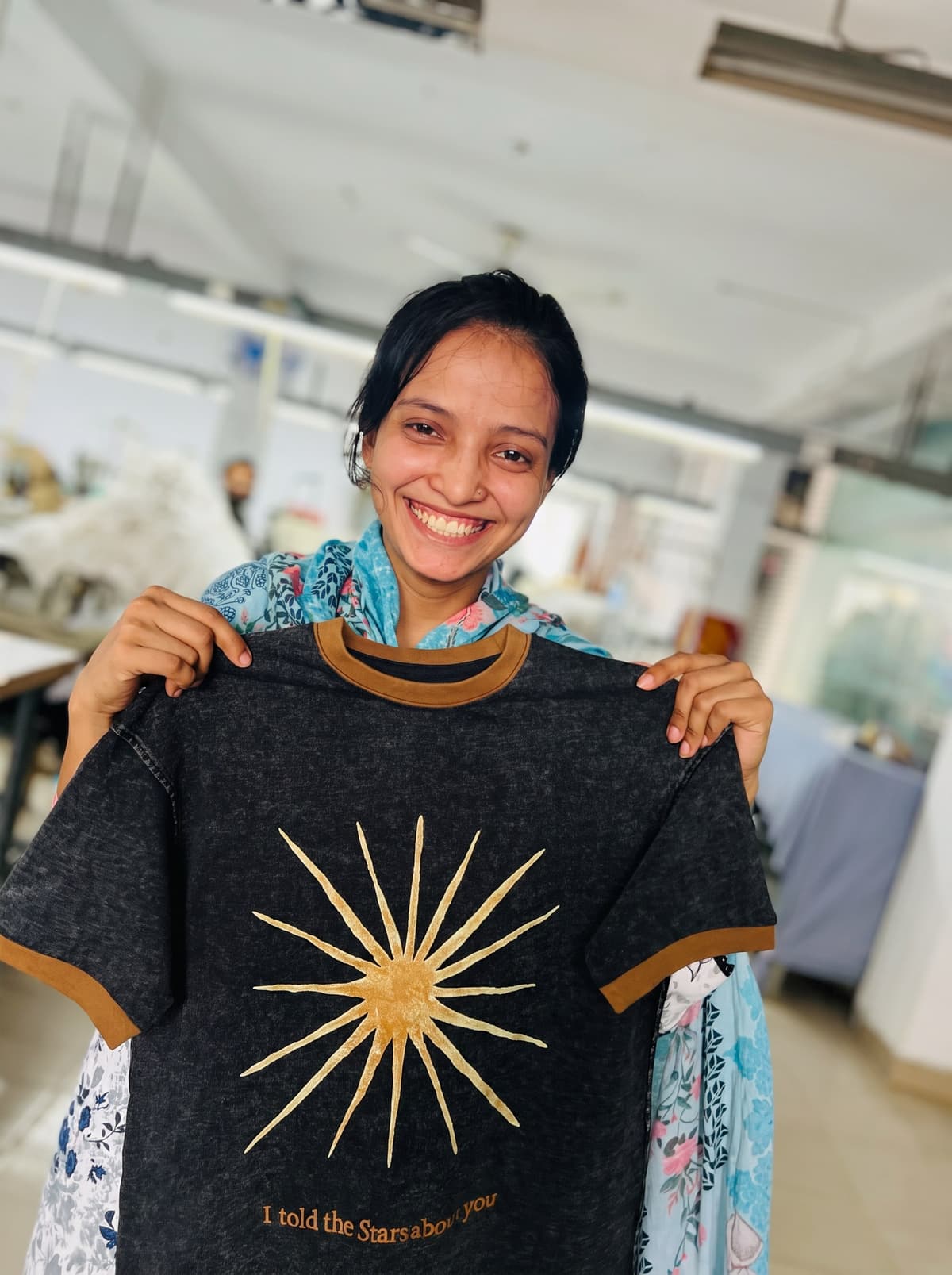
There is no single best factory — only the right one for your product and quantity. The checks that narrow it down, and the signals that rule a supplier out.
Read the guide →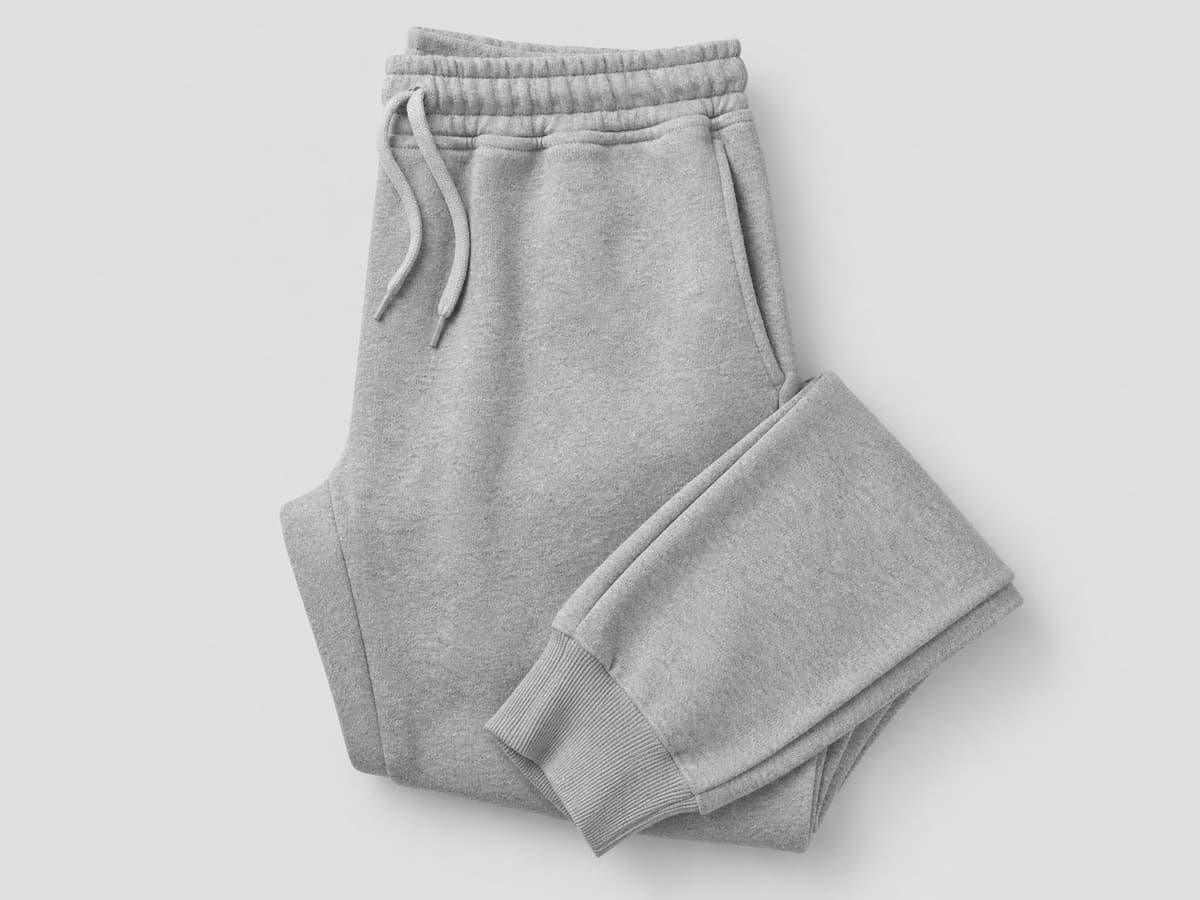
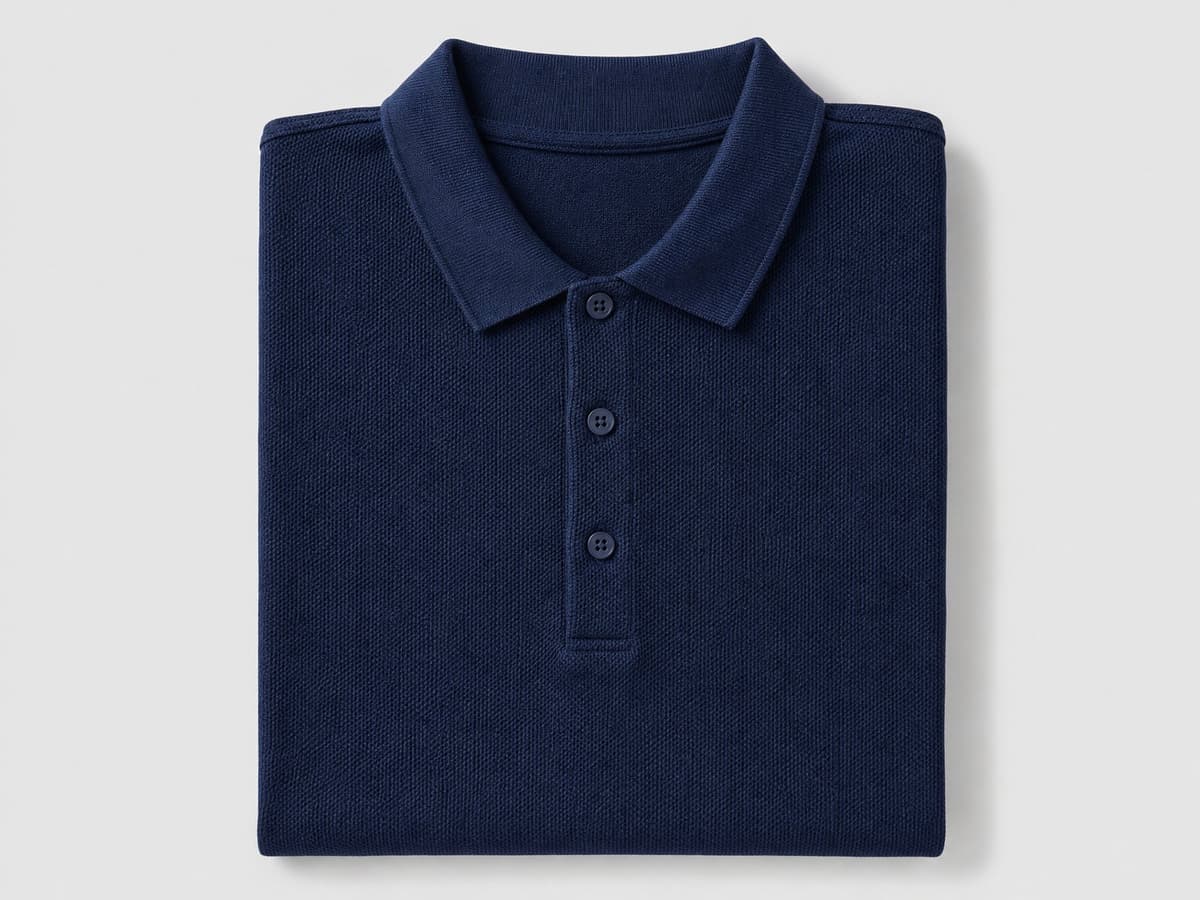
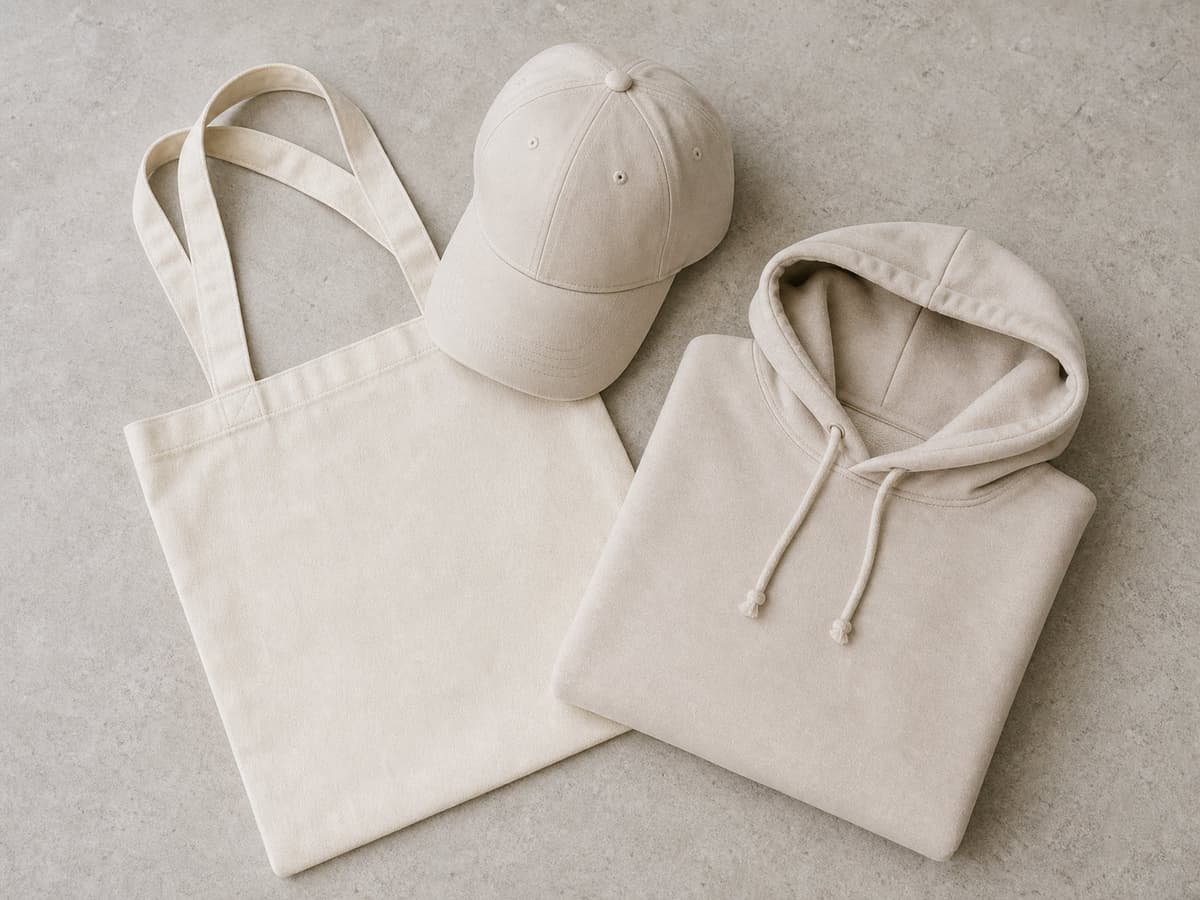
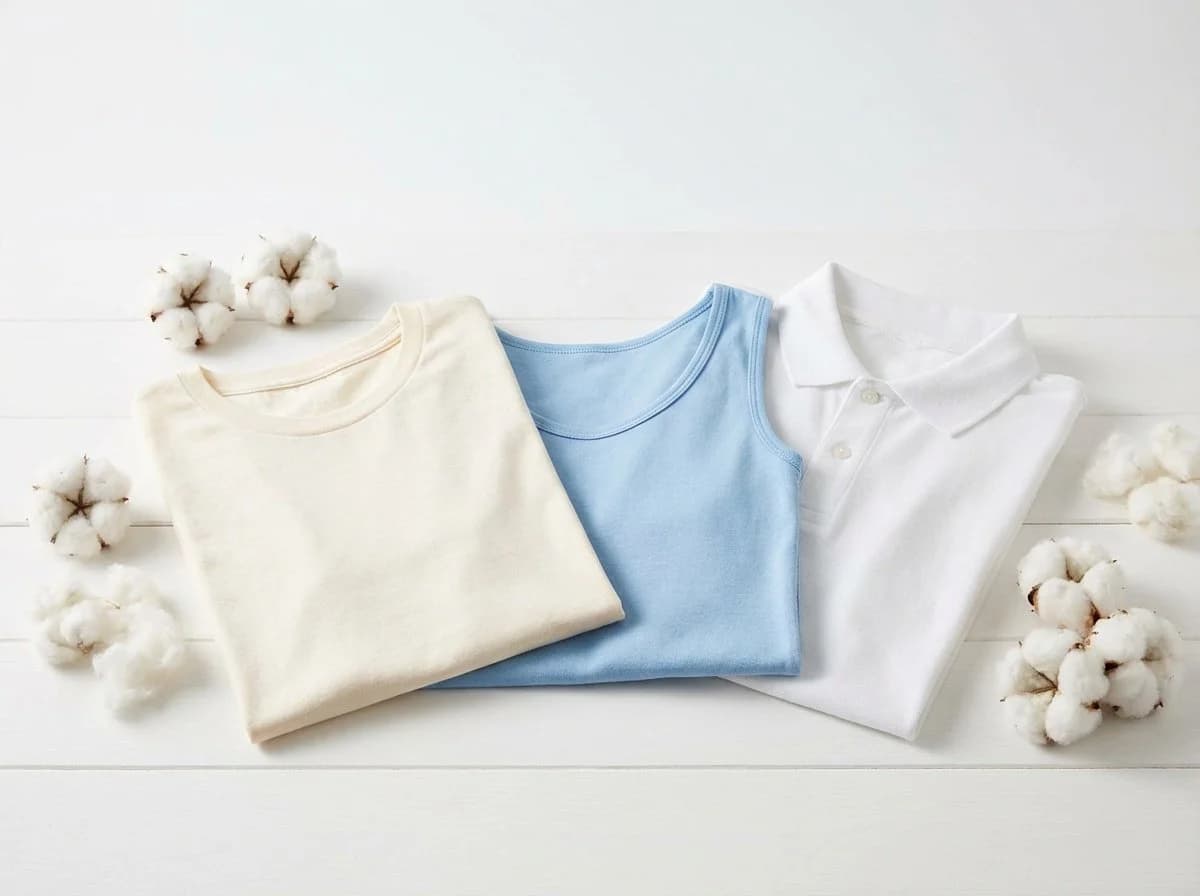
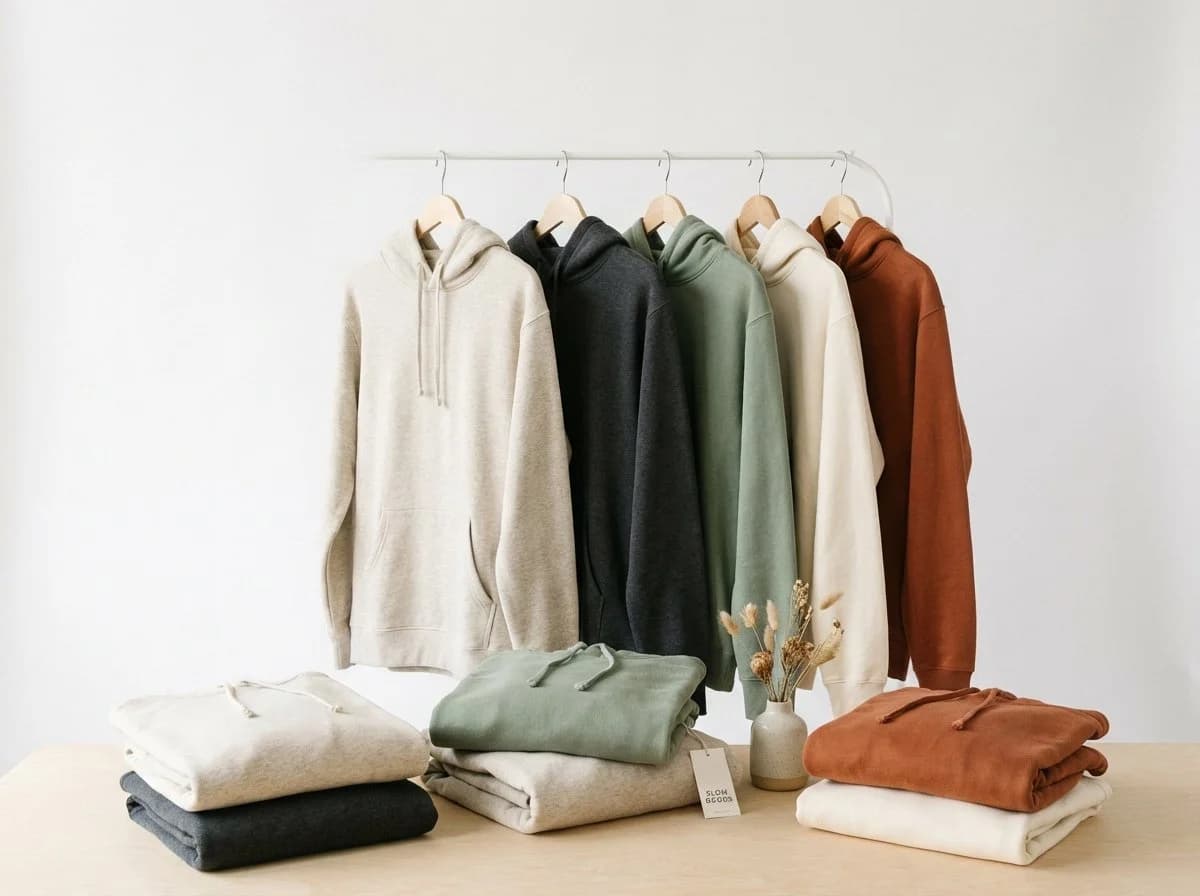
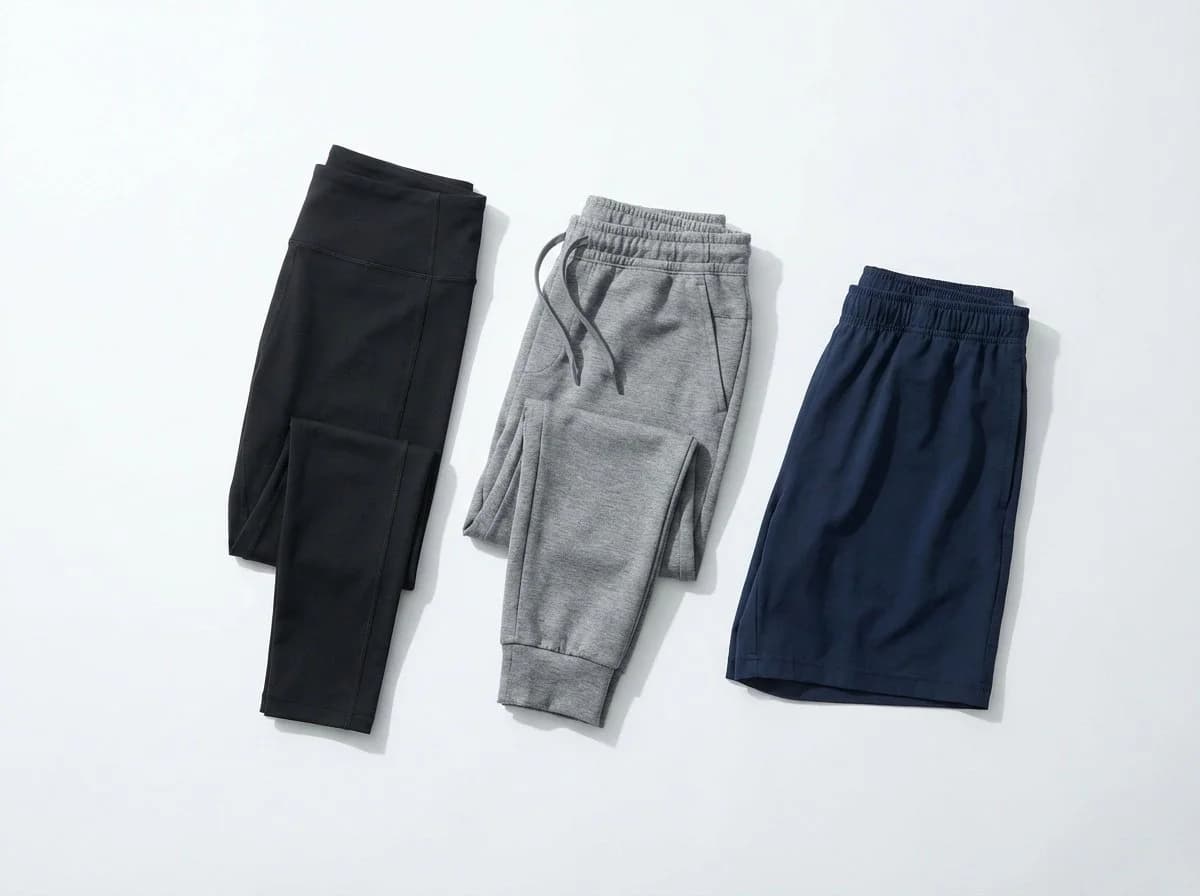
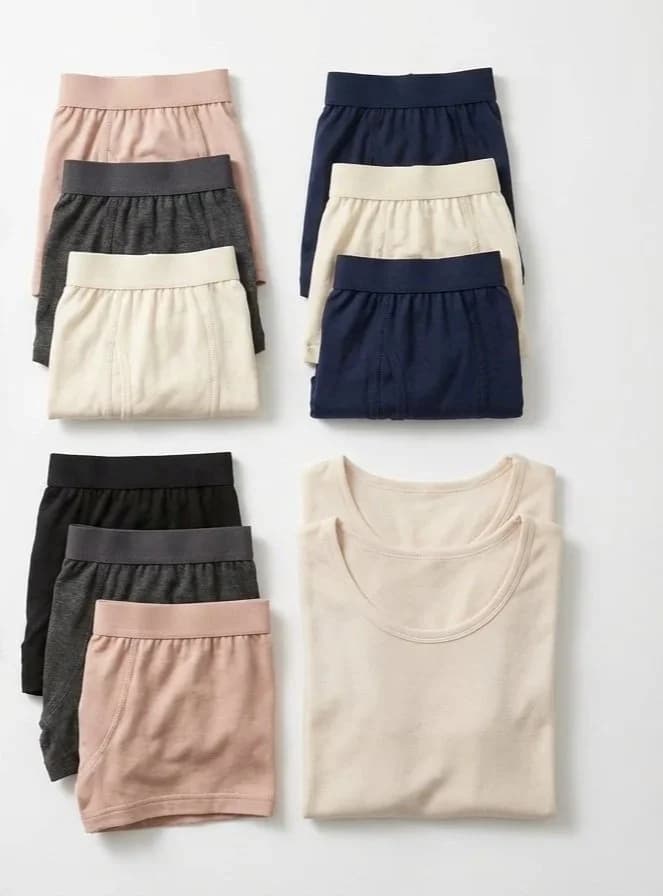
We’re a family-run cut-and-sew knitwear factoryin Narayanganj, Bangladesh, with a brand and design office in Amsterdam. Cut-and-sew means we make garments from knitted fabric to your own pattern — t-shirts, polos, hoodies, sweatshirts, joggers, leggings, activewear, loungewear, underwear, kidswear and accessories — rather than printing your logo onto ready-made blanks bought in from elsewhere. Decoration is handled in-house too: embroidery, screen printing and sublimation, so one partner covers the whole garment instead of a factory plus a separate print shop. The fabric itself — yarn, knitting, dyeing and finishing — sits upstream of our floor: we write the spec, place the order and inspect the plant in person, which is how we can quote a fabric we do not knit ourselves. One honest limit worth stating: flat-knit sweaters and cardigans, which are knitted from yarn rather than cut from fabric, are handled on a limited basis through vetted partner units and not on our own floor. Ask us first if that’s what you need.
We own one thing outright and are straightforward about the rest. The cut-and-sew floor in Narayanganj is ours— our building, our machinists, our quality control, and the site named on GOTS certificate RSC 9687. Everything upstream of it happens at partner mills: spinning, yarn dyeing, knitting, fabric dyeing and finishing. We do not own those plants. We write the specification, place and schedule the order, and go and inspect the work in person — the footage across this site was filmed on those visits. In practice that means you can brief us on a fabric, a fibre or a finish we do not produce ourselves, and still deal with one company that is accountable for it. It also means anyone claiming to own every stage from cotton field to carton is worth a second question.
100 pieces per style, per colourway. That second part is what catches most new brands out: a t-shirt in black and white is two minimums, 200 pieces in total, because each colour is a separate fabric batch with its own dye lot and setup. Sizes work differently — you can split those 100 pieces across a size curve however suits your customers, because that doesn’t change the setup. Below roughly 100 units of genuine cut-and-sew, the fixed costs of pattern making, the mill’s own fabric minimums, and a production line changeover stop spreading sensibly, which is the real reason for the number rather than an arbitrary policy. If you see 25 or 50 advertised elsewhere, ask whether they’re printing on blanks, quoting per order rather than per colour, or charging two to three times the unit price. See our MOQ calculator to plan a run.
It depends on the garment, fabric and quantity, but the structure is always the same and worth understanding before you compare quotes. Fabricis usually the largest single component, which is why weight and composition move your price far more than negotiation ever will — a 400 GSM heavyweight hoodie simply uses more material than a 180 GSM tee. Then cut-make-trim, the labour of cutting and sewing, which scales with how many panels, seams and closures the garment has. Then trims, labels and packaging. On top sit one-off costs like pattern making and sampling, spread across the order, which is why small runs cost more per piece. Prices typically step down around 500, 1,000, 5,000 and 10,000 units before flattening near the underlying fabric-and-labour floor. Our pricing calculator gives you an indicative band.
Roughly 40–50 days from approved sample to deliveryfor a standard run: about 10–15 days for sampling, 20–25 days for bulk production, then final quality control and DDP shipping. Add a few days at the start for speccing and quoting. Planning from the production window alone is how brands miss launch dates, so work backwards from your on-sale date and include every stage plus a buffer — one sample revision round is normal, not a sign anything has gone wrong. The honest caveat: the most common cause of delay isn’t the factory, it’s waiting on decisions from the brand side, usually sample feedback, fabric colour approval or final label artwork. If you have a fixed deadline, tell us at the start and we’ll say plainly whether it’s achievable rather than agreeing and missing it.
Both, and the 100-piece minimum exists specifically so new brands can work with us. A large share of what we do is first production runs for founders who have never manufactured before, don’t have a tech pack, and don’t have industry contacts — none of which you need to get started. A sketch, a reference photo of a garment whose fit you like, or a paragraph describing the idea is enough; we build the technical spec with you. What helps most is knowing roughly what you want to make, who it’s for, and what you want to sell it at. If you’re earlier than that and still testing whether anyone wants the product at all, we’ll say so — print-on-demand is often the smarter first step, and we’d rather point you there than take an order you’re not ready for. Start hereif you’re at the beginning.
Yes, and you should verify it rather than trust it. We hold GOTS certification under certificate RSC 9687, and that number is searchable on the Global Organic Textile Standard’s own public certificate database — if a manufacturer won’t give you a certificate number you can check independently, that tells you something. GOTS covers organic fibre content, bans restricted chemistry including PFAS under version 7.0, and audits working conditions against core ILO standards across the whole supply chain, not just our factory floor. We’re also members of BKMEA and the Narayanganj Chamber of Commerce. One caveat worth knowing: GOTS limits how much synthetic content a certified product may contain, with a more generous allowance for stretch categories like leggings and sportswear so performance pieces can still wick — so a cotton-rich legging can carry a claim, while a polyester-based knit with no organic fibre cannot. We’ll tell you which pieces in your range qualify. See our certifications.
Almost certainly — we ship DDP (delivered duty paid) worldwide, with dedicated guidance for brands in the United States, United Kingdom, Europe, Australia, Canada, Switzerland, Germany, New Zealand, Norway, Japan, South Korea, Singapore, Hong Kong and Malaysia. DDP means import duty, customs clearance and freight are included in the price we quote and handled by us, so you receive one landed cost rather than separate invoices arriving weeks later. This matters when comparing manufacturers: many quote FOB, which covers the goods only to the port of origin and leaves duty and brokerage to land on you afterwards. An FOB quote almost always looks cheaper than a DDP one and frequently isn’t once everything is added, so always ask which incoterm a supplier is quoting before you compare numbers.
No — and it’s a reasonable thing to ask rather than something to feel awkward about, because it’s the most common fear about overseas manufacturing. Practically: your designs, patterns and tech packs remain yours, we’ll sign an NDA before you send anything sensitive, and we don’t produce your styles for anyone else. The structural reason it would be a poor trade for us is that we’re a family-run factory building repeat relationships with growing brands, not a volume operation processing one-off orders. That said, don’t rely on any factory’s assurance alone — the strongest protection is yours to hold, which means registering your trademark in your own market. Our guide on whether a manufacturer will steal your design walks through what actually protects you.
Send us a sketch, a tech pack, or just a vibe. We’ll come back within 24 hours with fabric options and a sampling plan.