Will My Manufacturer Steal My Design? The Honest Answer
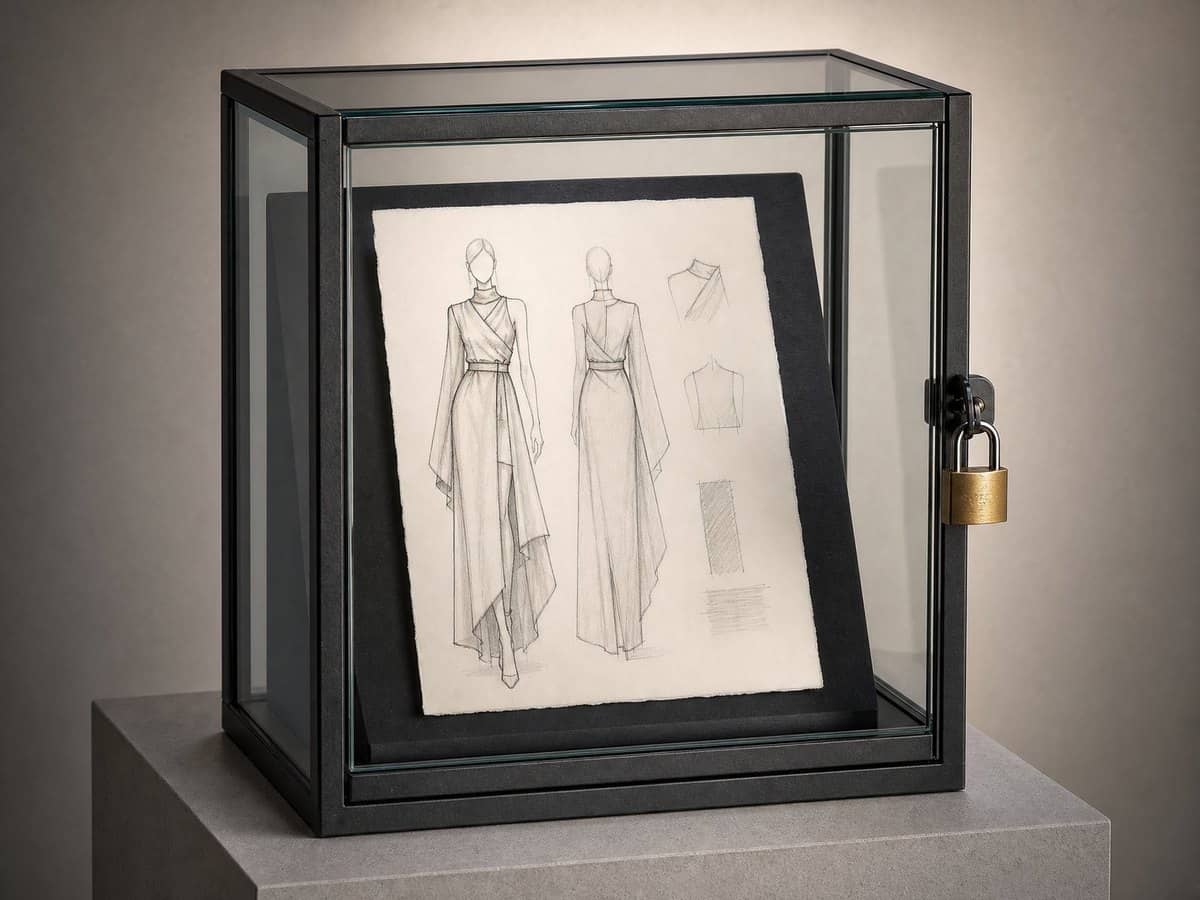
It's the fear behind a thousand forum posts: "if I send my design to a factory, what stops them copying it and selling it themselves?" It's a fair question — and the honest answer has two parts: the risk is usually lower than the internet makes it feel, and there are concrete steps that lower it further. Here's how design protection actually works, from a factory's side of the table. (This is general education, not legal advice — for your situation, talk to an IP lawyer.)
Do clothing manufacturers actually steal designs?
Reputable, established factories rarely do, and it's useful to understand why. A garment factory's business is making clothes for brands — not building and marketing a competing label, which is a completely different and harder business. Their reputation and client relationships are the asset; getting caught copying a client would destroy both. The real risk sits at the anonymous end of the market: unvetted marketplace 'suppliers' you never actually identify, agents who hide the real factory, or quotes too cheap to be real. Deal with a named, verifiable factory and most of the fear evaporates.
What an NDA does — and doesn't do
An NDA (non-disclosure agreement) is a contract in which the factory agrees not to share or misuse your confidential information. It does two useful things: it sets a clear legal expectation, and it filters out anyone unwilling to sign. Be realistic about its limits, though — enforcing a contract across borders is slow and costly, so an NDA is best understood as a deterrent and a seriousness test, not an impenetrable shield. A factory that signs one readily is telling you something good; one that refuses is telling you something too.
Who actually owns your design?
This is the part most founders miss. Your protection comes less from secrecy and more from owning the right intellectual property:
- Trademark — your brand name and logo. This is the big one in fashion: register it in your main markets. A copied blank tee is just a tee; a copied brand is infringement.
- Copyright — original artwork, prints and graphics are typically protected automatically the moment they're created. Keep dated records of your files.
- Design rights / design patents — in some regions you can register a product's unique visual design, though a plain garment shape usually isn't protectable.
The uncomfortable truth: a generic garment silhouette can't be owned by anyone. What you build and protect is your brand, your specific artwork, and your reputation — which is exactly where trademark and copyright matter.
How to protect yourself in practice
- Work with a named, verifiable factory — not an anonymous listing or a broker who hides the maker.
- Ask them to sign an NDA before you share detailed files.
- Register your trademark (brand name + logo) in the markets you sell in — your strongest, most enforceable protection.
- Keep dated records of designs, tech packs and artwork.
- Share sensitive detail progressively — enough to quote and sample, more as trust builds.
- Use clear purchase orders and terms so ownership of samples, patterns and artwork is written down.
Secrecy protects an idea for a week. A registered trademark and a reputable, named partner protect a brand for years.
Where we stand
We're a family-run factory in Narayanganj that works with brands directly — you always know exactly who's making your order — and we sign NDAs as a matter of course. Your designs, tech packs and artwork are yours. If you want to talk through how we handle confidentiality, start a conversation, or read the questions to ask a manufacturer before you order.
Frequently asked questions
Will my clothing manufacturer steal my design?
It is a reasonable fear and a rare outcome with named, verifiable factories — largely because the incentives point the other way. A manufacturer's business is capacity and repeat orders, not building a competing consumer brand, which requires entirely different skills and capital. A factory that copied a client would trade a recurring customer for a one-off gain and a reputation problem in a small industry. The genuine risk concentrates elsewhere: anonymous marketplace listings, intermediaries who will not say which factory produces your goods, and suppliers who resist being identified at all. The practical protections are unglamorous — work with a factory you can name and visit, sign an NDA before sending anything sensitive, and register your trademark.
Does an NDA protect my clothing design?
An NDA is worth signing and worth not over-trusting. Its real value is twofold: it establishes a documented expectation of confidentiality, and it functions as a filter, because a supplier who refuses to sign one has told you something useful before you have risked anything. What it does not reliably provide is enforcement — pursuing a breach across jurisdictions is slow and expensive enough that it is rarely proportionate for a small brand. So treat it as a deterrent and a seriousness test rather than a shield. The protections that actually hold up are registered rights in your own market, which is why trademark registration matters more than any confidentiality agreement you will sign.
How do I protect my clothing brand legally?
Trademark registration in the markets where you actually sell is the strongest and most enforceable protection available, and it covers the thing that distinguishes you — your brand name and logo. Register early rather than after a problem, since in many jurisdictions rights follow registration rather than use. Alongside that, keep dated records of original artwork, which copyright protects automatically but which you must be able to evidence. Then the operational habits: work with factories you can name, sign NDAs before sharing sensitive files, share what a supplier needs to quote rather than your entire range at first contact, and put terms in a written purchase order. None of these is dramatic; together they remove most of the realistic exposure.
Can a factory copy a plain t-shirt design?
No, and this is worth grasping clearly because it redirects effort somewhere more useful. Basic garment shapes — a crew-neck tee, a pullover hoodie, a five-panel cap — are not protectable by anyone. They are the vocabulary of clothing rather than anyone's invention, and no factory needs your file to make one. What can be protected is everything that makes it yours: your brand name and logo through trademark, your original prints and graphics through copyright, and in some jurisdictions a novel design detail through registered design rights. The practical implication is that anxiety about the silhouette is usually misplaced, while under-investment in registering the brand name is common and costly.
Free tools & guides for this
Sources & further reading
Have an idea? Let’s make it.
We manufacture from 100 pieces per style, with GOTS-certified organic options and photos at every stage. Send a sketch or a sentence — we’ll reply within a day.