What GOTS-Certified Organic Cotton Means for Your Brand
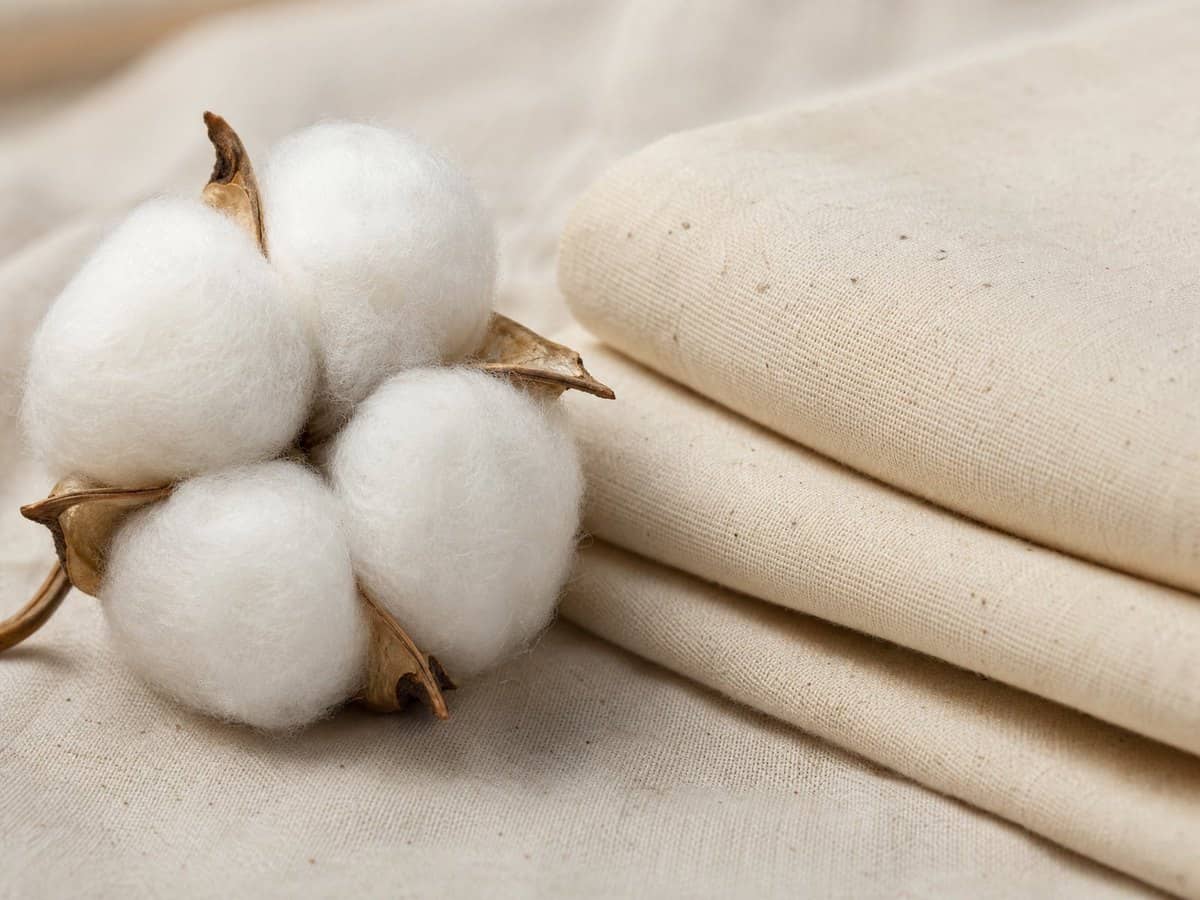
"Organic" and "sustainable" get printed on a lot of labels that can't back them up. GOTS — the Global Organic Textile Standard — is the one that can. If sustainability is part of your brand's promise, understanding GOTS is how you make that promise real instead of just marketing. Here's the honest, detailed version — from a factory that actually holds the certificate.
The short version: a real GOTS certificate means the organic fibre, the chemistry, the environmental controls and the working conditions were all independently verified across the whole supply chain — cotton field to finished garment — and you can check the certificate yourself on a public database. Everything below is how that works, and how to use the claim without overstating it.
What GOTS actually certifies
GOTS isn't only about the cotton in the field. It tracks a textile across its entire supply chain — from organic-farmed fibre through spinning, knitting or weaving, dyeing and finishing, all the way to the labelled, finished garment. Every processor, manufacturer and trader in that chain has to be certified for the final product to carry the label. It's managed by the non-profit Global Standard and is widely regarded as the leading standard for organic textiles worldwide. The current version is GOTS 7.0, in force since 2024.
- Organic fibre — cotton (or other natural fibre) grown to a recognised organic farming standard, without synthetic pesticides or GM seed.
- Clean chemistry — a ban on toxic inputs in processing, with every dye and auxiliary screened for toxicity and biodegradability.
- Environmental management — wastewater treatment and environmental controls required at every facility.
- Social criteria — fair, safe, humane working conditions audited along the whole chain.
The two GOTS labels: know the difference
This is the detail most brands miss — and getting it wrong is how honest brands accidentally overclaim. GOTS has two label grades, set by how much certified-organic fibre a product contains:
- "Organic" — at least 95% certified organic fibres (the small remainder is tightly restricted).
- "Made with organic materials" — at least 70% certified organic fibres.
Below 70% organic content, a product can't carry the GOTS label at all. So match your wording to the grade: for a 70% blend, "made with GOTS-certified organic cotton" is honest; "100% organic" is not.
What GOTS bans — and what changed in 7.0
The environmental rules are strict and specific. GOTS prohibits the hazardous inputs common in conventional textiles — toxic heavy metals, formaldehyde, aromatic solvents, functional nano-particles, and genetically modified organisms — and seed cotton is tested for GMO contamination. The latest version, GOTS 7.0, tightened this further, adding a ban on PFAS ("forever chemicals") and strengthening restrictions on conventional cotton and virgin polyester. Every dye and auxiliary must meet toxicity and biodegradability criteria, and every facility must treat its wastewater.
The part people forget: the people
GOTS is not only an environmental standard — it's a social one, which is what separates it from a bare "organic fibre" claim. Its social criteria are built on the core conventions of the International Labour Organization (ILO): no child labour, no forced labour, freedom of association and collective bargaining, no discrimination, safe and hygienic conditions, living wages, and limits on working hours. GOTS 7.0 goes further, requiring certified companies to run human-rights due diligence across their own operations and supply chain, modelled on the UN Guiding Principles on Business and Human Rights and the OECD guidelines. A GOTS garment makes a claim about the workers, not just the cotton.
How to verify a GOTS certificate (don't take it on trust)
Anyone can type "GOTS" on a website. Here's how to check a real one — the exact process serious buyers use:
- Ask for the Scope Certificate. It certifies a company and names the certified entity, the accredited certification body, the product categories in scope, and a licence/certificate number.
- Check that number on the public database. GOTS maintains a public certificate database — search the company or certificate and confirm it's valid and current.
- Check the scope covers your product. A certificate can cover some processes or products and not others — make sure yours falls inside it.
- For a specific order, ask for a Transaction Certificate. The Scope Certificate says a company can make GOTS goods; a Transaction Certificate proves a particular shipment actually was.
A genuine manufacturer shares all of this without hesitation. Ours is certificate RSC 9687.
GOTS vs OEKO-TEX vs "natural"
These get muddled constantly, so here's the plain distinction:
- GOTS — certifies organic fibre content plus environmental and social criteria across the whole supply chain. The most comprehensive.
- OEKO-TEX STANDARD 100 — tests the finished product for harmful substances. Valuable, but it does not require organic fibre or cover farming and labour. A garment can hold both.
- "Natural," "eco-friendly," "green" — unregulated marketing words with no agreed meaning. On their own, they prove nothing.
Why your customers care
Shoppers — especially the ones who pay a premium for considered brands — have learned to be sceptical of vague green claims. A recognised certification cuts through that. It lets you say "GOTS-certified organic" instead of "eco-friendly," and back it with a certificate rather than a vibe. That's trust you can prove, which is exactly what a young brand needs.
A vague green claim invites doubt. A certificate ends the argument.
How to use it honestly
- Only call a product GOTS-certified if that specific product qualifies — don't apply it brand-wide unless every item does.
- Keep your certification documentation handy; serious buyers and retailers will ask.
- Pair the claim with the human story — who made it, and under what conditions.
- Be precise: "made with GOTS-certified organic cotton" is honest; "100% sustainable" usually isn't.
Does it cost more?
Certified organic fabric generally costs more than conventional, because the farming and processing are more demanding. But for many brands it pays back: a clearer story, a reason to charge a fair price, and access to retailers who now require it. It's less an expense than a positioning choice.
Collective Studio is a GOTS-certified organic cotton clothing manufacturer (certificate RSC 9687), offering certified organic options across most of our knitwear lines alongside recycled blends, bamboo viscose, and modal. If you want your brand built on materials you can stand behind, start a conversation with us — we'll walk you through what's certified and share the documentation. You can also explore fabrics by product on our catalogue.
Frequently asked questions
What does GOTS-certified organic cotton mean?
It means the organic claim has been checked at every stage, not just at the farm. GOTS certifies the whole chain — growing, ginning, spinning, knitting, dyeing, sewing and trading — against restrictions on chemical inputs, wastewater treatment and ILO-based labour criteria. Two grades exist: "organic" needs at least 95 per cent certified organic fibre, and "made with organic" needs at least 70 per cent. A small proportion of synthetic is permitted, capped at 10 per cent, rising to 25 per cent for categories including socks, leggings and sportswear, which is why an activewear piece with elastane can still be certified. The part that matters commercially is verifiability: every certified operator holds a numbered Scope Certificate listed in a public database. Ours is RSC 9687. Anyone can check it without asking us.
Is GOTS-certified cotton worth it?
It depends entirely on whether you can use the claim. If you sell to customers or retailers who ask about sourcing, GOTS is the certification they recognise, and the certificate number gives them something to verify rather than trust — which is worth more commercially than any adjective you could write. If nobody in your chain asks, you are paying five to fifteen per cent more on the finished garment for a claim you are not making, and that money would do more work elsewhere. The middle case, which is common: brands who want the option later. Our advice there is to run GOTS from the start, because retrofitting certification onto an existing product means re-sourcing fabric and re-doing the paperwork, and it is considerably more expensive than building it in at the beginning.
What is the difference between organic cotton and GOTS-certified cotton?
Organic cotton describes how the fibre was farmed: without synthetic pesticides or fertilisers, and without genetically modified seed. It says nothing about what happened afterwards. GOTS-certified cotton starts from organic fibre and then certifies everything that follows — the ginning, the spinning, the dyeing, the sewing and the trading — against restrictions on chemical inputs, wastewater treatment and ILO-based labour criteria. The practical consequence is that a garment can be made from genuinely organic cotton and still have been dyed with restricted chemicals in a facility with poor labour conditions. It would be accurate to call that organic cotton, and it would not qualify as GOTS. The other difference is verifiability. Anyone can write "organic cotton" on a label; GOTS requires a certificate number that appears in a public database, so a buyer, a retailer or a customer can check the claim rather than trusting it. Ours is RSC 9687.
What percentage of organic cotton does GOTS require?
Two thresholds, depending on which label grade you are claiming. The "organic" grade requires a minimum of 95 per cent certified organic fibre. The "made with organic" grade requires at least 70 per cent. The remaining percentage is not unrestricted — it has to come from an approved list, and synthetic content is capped at 10 per cent of the total, rising to 25 per cent for socks, leggings and sportswear where stretch is functionally necessary. That last exemption is the one brands most often do not know about, and it is why a legging with elastane can carry certification while people assume it cannot. Which grade you can claim depends on your exact blend, so confirm the permitted wording before it goes on a label — the two grades are not interchangeable and using the wrong one is a compliance problem.
How do I verify a GOTS certificate?
Go to the GOTS public certificate database and search the certificate number or the company name. That is the whole check, it takes under a minute, and it works without involving the supplier. What you are looking for: that the certificate exists, that it is current rather than expired, and that the scope covers the products you are ordering — a certificate covering knitted tops does not automatically cover accessories. Ours is RSC 9687. Two things worth knowing. A Scope Certificate proves the facility is certified; a Transaction Certificate covers a specific shipment, and that is the one to request if a retailer wants proof for your particular order. And a certificate presented as an image rather than a number is not verification — ask for the number.
What is the difference between GOTS and OEKO-TEX?
Which one you need is decided by what you are claiming, not by which sounds stronger. If your product story involves organic cotton, GOTS is the only one of the two that certifies organic content at all — OEKO-TEX says nothing about how the fibre was farmed. If a retailer is asking about chemical safety in the finished item, they almost certainly mean OEKO-TEX Standard 100, which tests the textile against limit values for harmful substances. GOTS also covers labour conditions through ILO-based criteria; OEKO-TEX does not. A conventional polyester garment can hold OEKO-TEX. Only an organic-fibre product from a certified chain can hold GOTS. Many brands carry both, because they answer different questions from different people, and neither substitutes for the other.
What changed in GOTS 7.0?
The headline change is a ban on PFAS — the "forever chemicals" used for water and stain repellency — which removes a whole category of finishes previously tolerated under earlier versions. Beyond that, version 7.0 tightened restrictions on other chemical inputs, strengthened the social criteria based on ILO conventions, and clarified the rules on synthetic content: the general cap stays at 10 per cent, with 25 per cent permitted for socks, leggings and sportswear where stretch is functionally required. Due diligence obligations on certified operators were also expanded, meaning more of the chain has to be actively verified rather than assumed. For a brand the practical effect is mostly reassurance rather than disruption, unless you were specifically relying on a durable water-repellent finish, in which case the options narrowed.
Where this applies
The manufacturing pages this guide relates to, if you are costing a real run.
Free tools & guides for this
Sources & further reading
Have an idea? Let’s make it.
We manufacture from 100 pieces per style, with GOTS-certified organic options and photos at every stage. Send a sketch or a sentence — we’ll reply within a day.