24h
First replyHomaira reads every brief personally. You'll hear back within one business day.
Send a tech pack, a sketch, or just describe the kind of garment you want. We’ll come back with fabric options and a sampling plan — usually the same day.
We manufacture for export, shipping DDP worldwide from 100 pieces per style. Brands come to us from the UK, US, Canada, Australia, Germany and the Gulf. If you’re building a brand that sells outside Bangladesh, you’re in the right place — tell us what you want to make.
Four answers and a quantity is enough for a real reply — fabric options, an indicative price and a sampling timeline. Nothing here is binding.
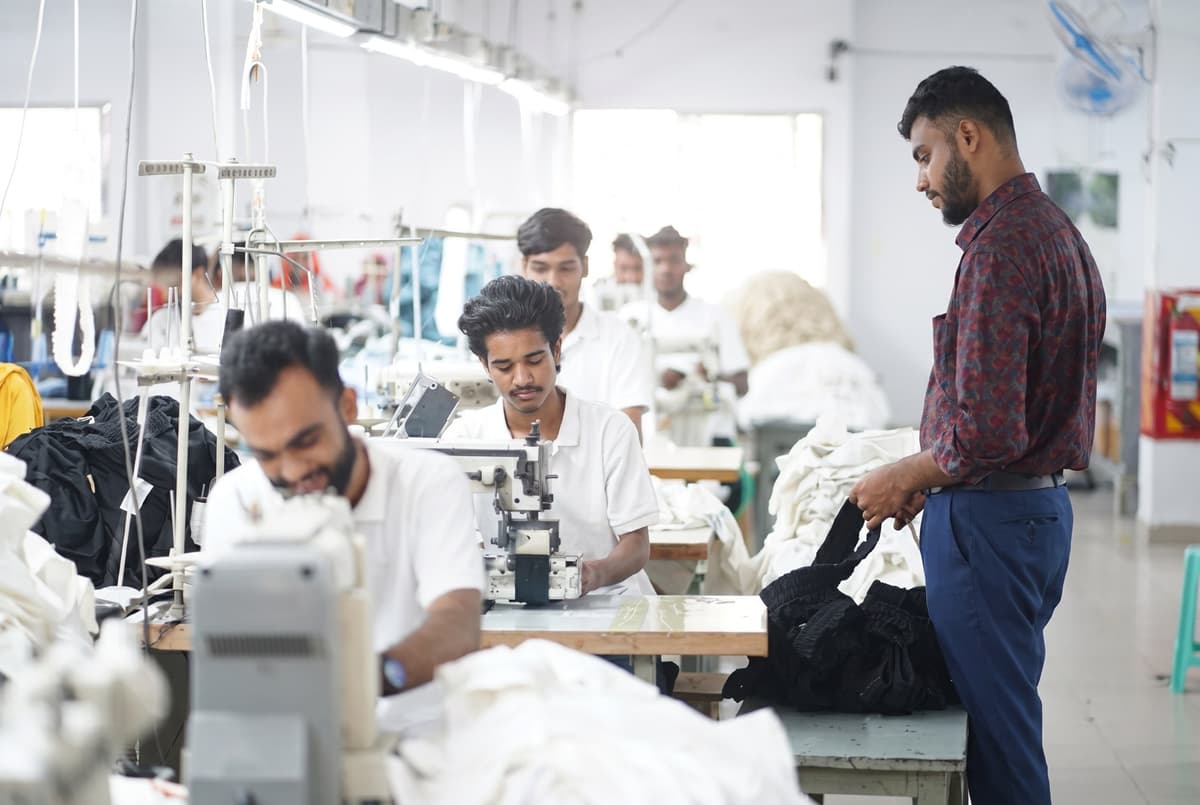
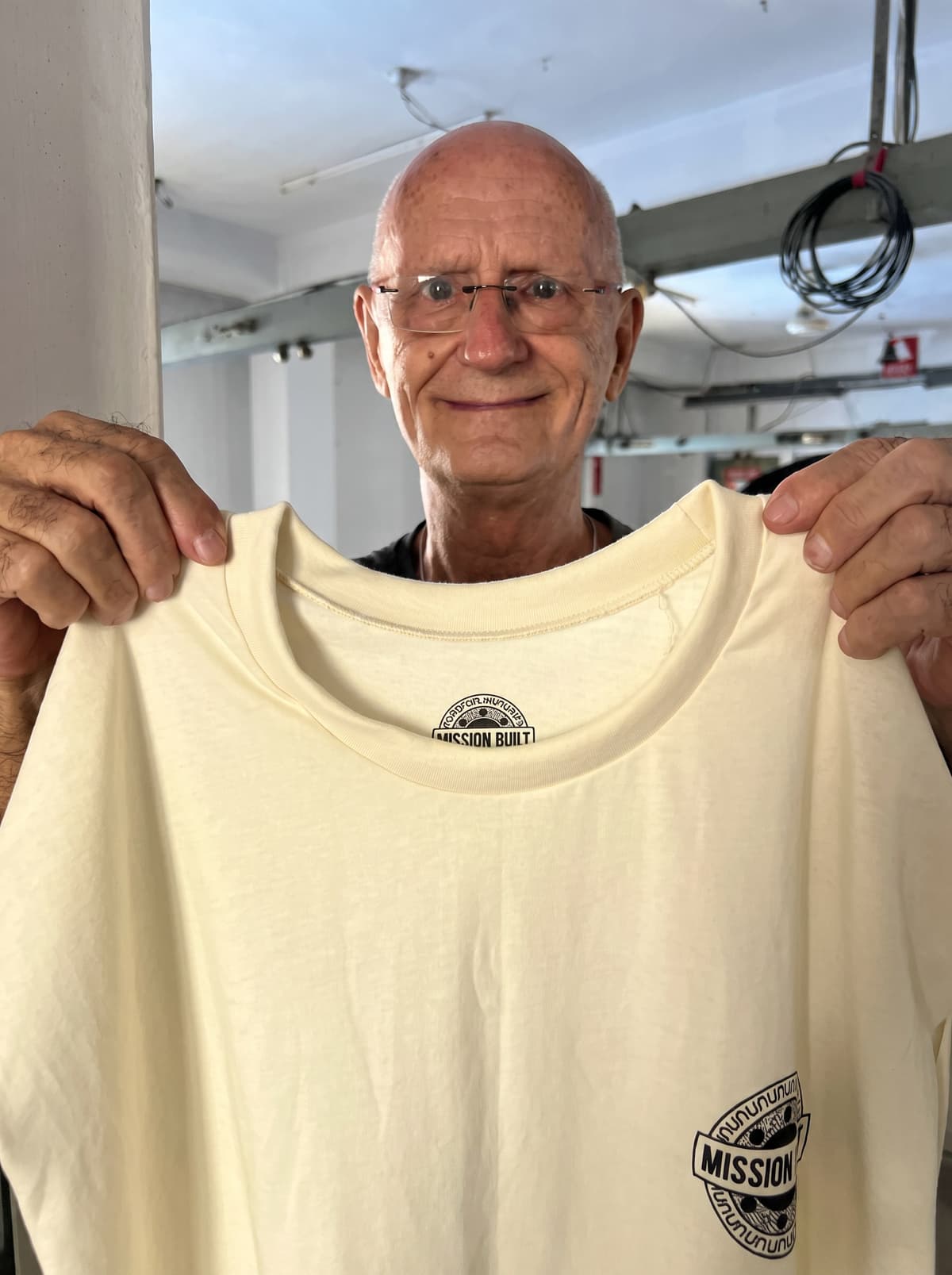
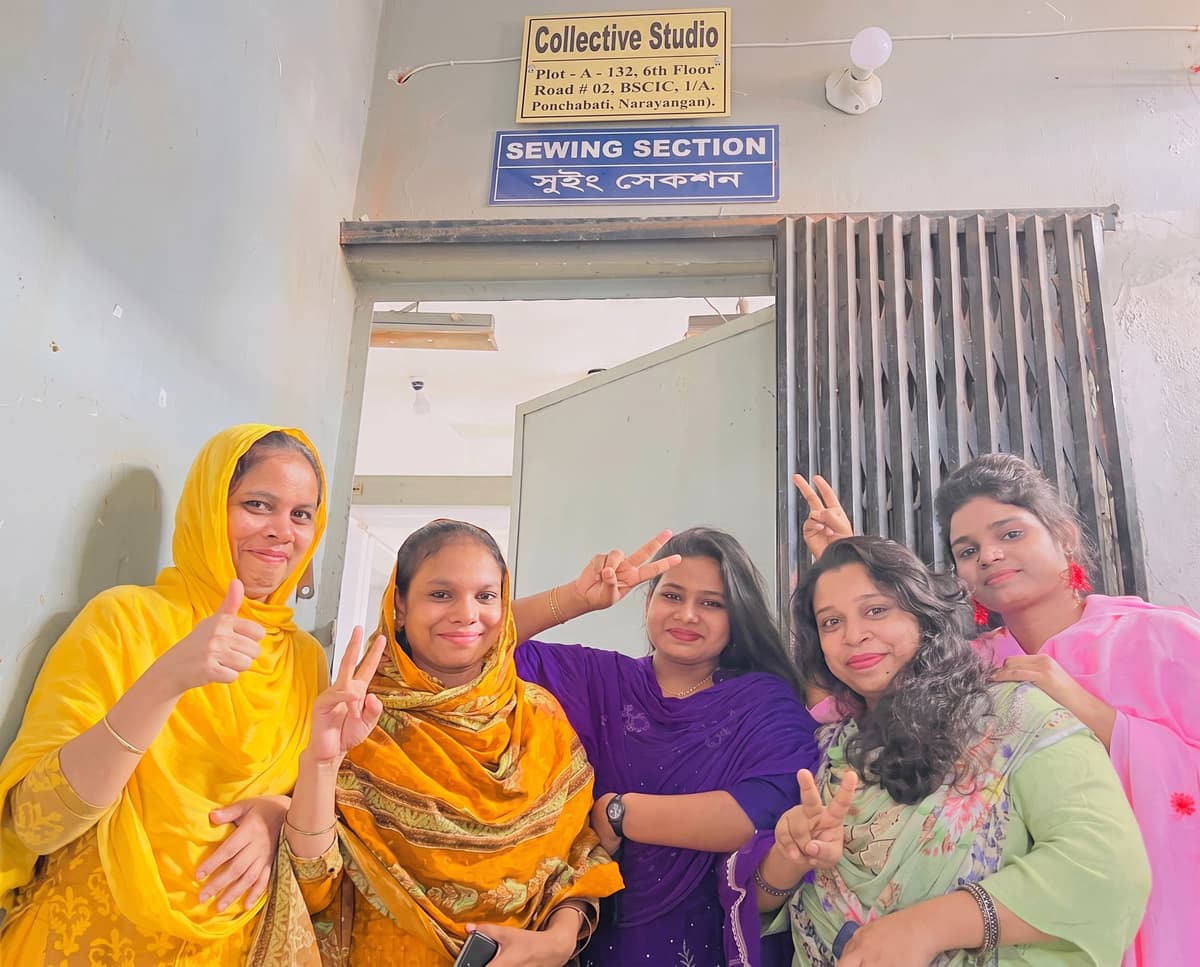
Wonderful people to work with — very professional and knowledgeable, also accommodating to the needs of their customers.
We're an export manufacturer — the whole operation is built around shipping DDP to brands abroad, and effectively all of our work goes overseas. The distinction that matters is where the goods end up, not where you happen to be sitting. If you're a Bangladeshi-owned brand selling into Europe, North America, Australia or the Gulf, that is squarely what we do and you should get in touch; plenty of our clients are founders with roots here and a customer base somewhere else. If what you need is stock for the domestic retail market in Dhaka, Chattogram or Narayanganj, we're honestly not the right factory for you — our minimums, our documentation and our pricing are all built around export orders, and a local supplier will serve you faster and cheaper. We'd rather say that plainly now than after you've spent a week on a tech pack.
100 pieces per style, per colourway — cut and sewn from your pattern, not printed onto ready-made blanks. The "per colourway" part is what catches most new brands out: a t-shirt in black and white is two minimums, 200 pieces total, because each colour is a separate fabric batch and dye lot with its own setup. You can split those 100 pieces across sizes however you like. Below roughly 100 units of cut-and-sew, the fixed costs — pattern making, the mill's own fabric minimums, a production line changeover — stop spreading sensibly, which is the honest reason for the number rather than an arbitrary policy. If you see minimums of 25 or 50 advertised elsewhere, ask whether they're printing on blanks, quoting per order rather than per colour, or charging two to three times the unit price.
No, and most founders who contact us don't have one. A sketch on paper, a photo of a garment whose fit you like, or a paragraph describing what you want is enough for us to come back with fabric options, an indicative price band, and a sampling timeline. A tech pack is the technical spec sheet a factory works from — measurements, fabric, trims, construction notes, stitch details — and building one is part of what we do with you during the quoting stage, before you spend anything on sampling. If you'd rather arrive with one ready, our free tech pack template is a good starting point, but treat it as optional, not a barrier to getting in touch.
Roughly 40–50 days from approved sample to delivery at your door. That breaks down as about 10–15 days for sampling (we make one physical piece and ship it to you), then 20–25 days for bulk production once you've approved it, then final QC and DDP shipping. Add a few days at the start for speccing and quoting. The honest caveat: the single biggest cause of delay is decisions on your side rather than production on ours — waiting on sample feedback, fabric colour approval, or label artwork. Brands that turn decisions around quickly land at the fast end of that range. If you have a fixed launch date, tell us at the start and we'll tell you straight whether it's realistic rather than agreeing and missing it.
No, and it's a fair thing to ask — it's one of the most common fears about overseas manufacturing, and you shouldn't take any factory's word for it on trust alone. Practically: your designs, patterns and tech packs are yours, we're happy to sign an NDA before you send anything sensitive, and we don't produce your styles for anyone else. The structural reason it would be a bad trade for us is that we're a family-run factory building long-term repeat relationships with growing brands, not a volume operation churning through one-off orders. The best protection is still yours to hold, though: register your trademark in your own market. Our guide on whether a manufacturer will steal your design walks through what actually protects you.
We'll set out the exact terms in your quote before you commit to anything — they vary with order size, product and whether it's a first order or a repeat. What's standard across the industry, so you know what to expect: apparel manufacturing normally runs on a deposit before production begins with the balance due before shipping, and sampling is usually charged separately from bulk. Be cautious with any supplier asking for full payment upfront on a first order, or one that will only accept payment methods with no recourse. We're happy to talk through terms on a call before you send anything, and if the structure doesn't work for your cash flow, say so early — there's often more flexibility than founders assume.
The safeguard is the sealed sample. Before bulk production starts you approve one physical garment, and that piece becomes the physical reference every production unit is checked against — not a photo, not a description, an actual garment in your hands. During production we send photos at each stage so problems surface while they're still fixable rather than after 500 pieces are finished. If something does come through wrong against the approved sample, tell us and we'll put it right; that's the point of the sealed-sample process. What we won't do is promise that nothing ever goes wrong in manufacturing, because that isn't true of any factory — what matters is having a defined reference to measure against and being straightforward when there's a gap.
Yes — that's most of who we work with, and it's the reason our minimum is 100 pieces rather than 500 or 1,000. You don't need industry contacts, a tech pack, or prior manufacturing experience. What helps is knowing roughly what you want to make, who it's for, and what price you want to sell it at, because those three things shape fabric, construction and cost. If you're earlier than that and still testing whether there's demand at all, we'll say so — print-on-demand is often the smarter first step before committing to a production run, and we would sooner point you there than take an order you're not ready for.
Whatever you have — genuinely, a single paragraph is fine. If you want the fastest useful reply, the most helpful things are: what garment you want to make, roughly how many pieces and how many colours, any reference photo of a fit or fabric you like, your target market, and any deadline you're working to. Rough numbers are fine; nobody expects precision at this stage. If you have a sketch, a tech pack, or a sample garment you want matched, attach or mention it. If you'd rather talk it through than write it out, a 20-minute intro call with Homaira usually gets further than a long email, and you'll know quickly whether we're the right fit for what you're building.
Yes — DDP (delivered duty paid) to most countries, which means duty, customs clearance and freight are all included in the price you're quoted and handled by us. You get one landed cost with no separate bills arriving later. This matters when comparing quotes: many overseas suppliers quote FOB, which prices the goods only to the port of origin and leaves duty, brokerage and inland freight to arrive as separate invoices weeks afterwards. An FOB quote almost always looks cheaper than a DDP one and frequently isn't once everything lands. Always ask which term a supplier is quoting before comparing numbers side by side.
Yes, and we'd encourage it — visiting is the single best way to verify any manufacturer is what they claim to be. Pre-arranged visits to our factory in Narayanganj are welcome; tick the "Schedule a visit" box on the form and we'll coordinate dates. If you can't travel to Bangladesh, our brand and design office in Amsterdam is an option for European brands, and we can do a live video walkthrough of the production floor instead. A factory that becomes evasive when you ask to visit or to see the floor on video is telling you something worth listening to.
We hold GOTS certification under certificate RSC 9687, and you can verify it yourself on the GOTS public certificate database rather than taking our word for it. GOTS covers organic fibre content, bans restricted chemistry including PFAS under version 7.0, and audits working conditions against core ILO standards across the supply chain. We're also members of BKMEA (Bangladesh Knitwear Manufacturers and Exporters Association) and the Narayanganj Chamber of Commerce. Beyond certified organic cotton we work with recycled performance blends, hemp, bamboo viscose and modal. One honest note: most technical stretch fabric can't be GOTS-certified because elastane is synthetic and GOTS caps synthetic content, so we'll flag it which pieces in your range can carry a certified organic claim and which can't.