Made, not a printed blank
You choose the fabric weight, fit and neckline — the difference between merch your audience wears and merch they accept politely and never touch again.
Merch for creators with a real audience, not just an idea — hoodies and tees people actually wear, made properly, shipped DDP to wherever your fans are.
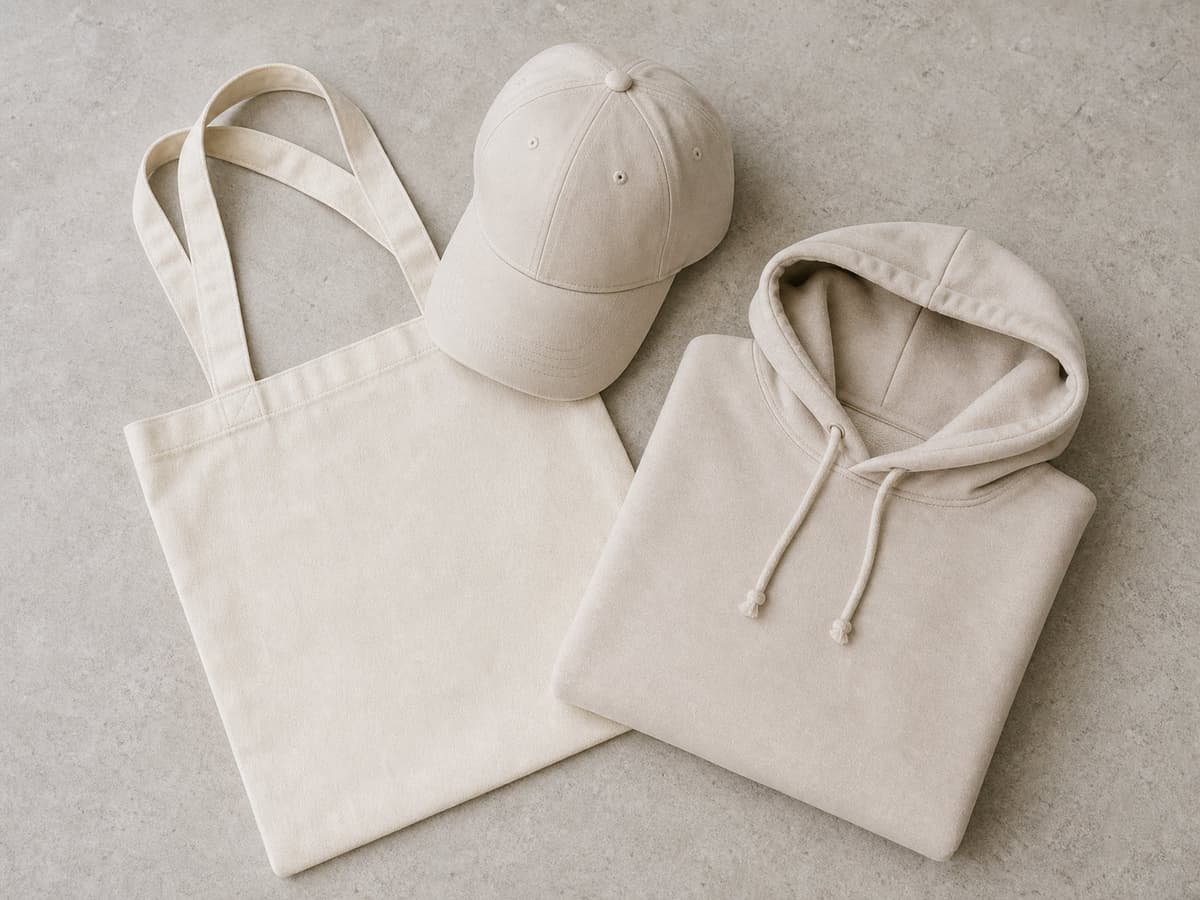
Search "merch manufacturer for YouTubers" and most of what comes up is a print-on-demand platform, not an actual manufacturer — because most creators' first merch is a logo on a bought-in blank, shipped one at a time, with a large cut going to the platform. That's a fine way to test an idea. It's a bad way to build the thing your audience actually wants: a hoodie that feels like the ones from the brands they already buy, not a startup logo on a $4 tee.
The thing that makes content creators a different buyer than a normal clothing brand is where your customers actually are. A boutique has one city. A creator's audience is wherever the algorithm sent them — a fan in Manila, one in São Paulo, one in your own city, all wanting the same hoodie on the same drop day. That only works if shipping worldwide is the default, not a special request: we ship DDP to essentially anywhere, so a fan in another country pays the price on the page, not a customs bill that turns up after.
We'll say the thing that costs us the early sale: if you haven't sold anything yet — no waitlist, no presale, no real signal your audience will actually buy — a print-on-demand storefront linked in your video description is the right first move, not us. It has zero minimum and zero risk, and it tells you in a week whether people want a hoodie with your logo on it. Come back once you have real numbers: a waitlist of a few hundred, a presale that cleared, or a milestone — 100K subs, a channel anniversary, a merch-demand comment thread you can point to — that gives you a real reason to believe in an order.
Once that's true, the economics flip: at a hundred pieces, made-to-spec costs less per unit than POD, earns real margin, and produces something your audience actually wears on camera — which is the only kind of merch that markets you back. Most creators have never built a tech pack or spoken to a factory before, and that's fine: send us your logo, even just a PNG, and we'll turn it into a proper spec, tell you honestly which fabric and decoration method suits it, and walk you through a sample before you commit to anything. One thing worth doing before you order: register your channel name or logo as a trademark in your home market if you haven't — a manufacturer can't protect your brand for you, and it's far cheaper to do before a drop than after someone else files it first.
You choose the fabric weight, fit and neckline — the difference between merch your audience wears and merch they accept politely and never touch again.
Your fans aren't in one city. We ship worldwide so a viewer in another country pays the price on the page, not a customs bill afterward.
No waitlist, no presale, no real signal yet? A print-on-demand storefront is the right first move, not us. Come back once you have real numbers.
Send a logo, even just a PNG. We turn it into a proper spec, recommend the fabric and decoration, and walk you through a sample before you commit.
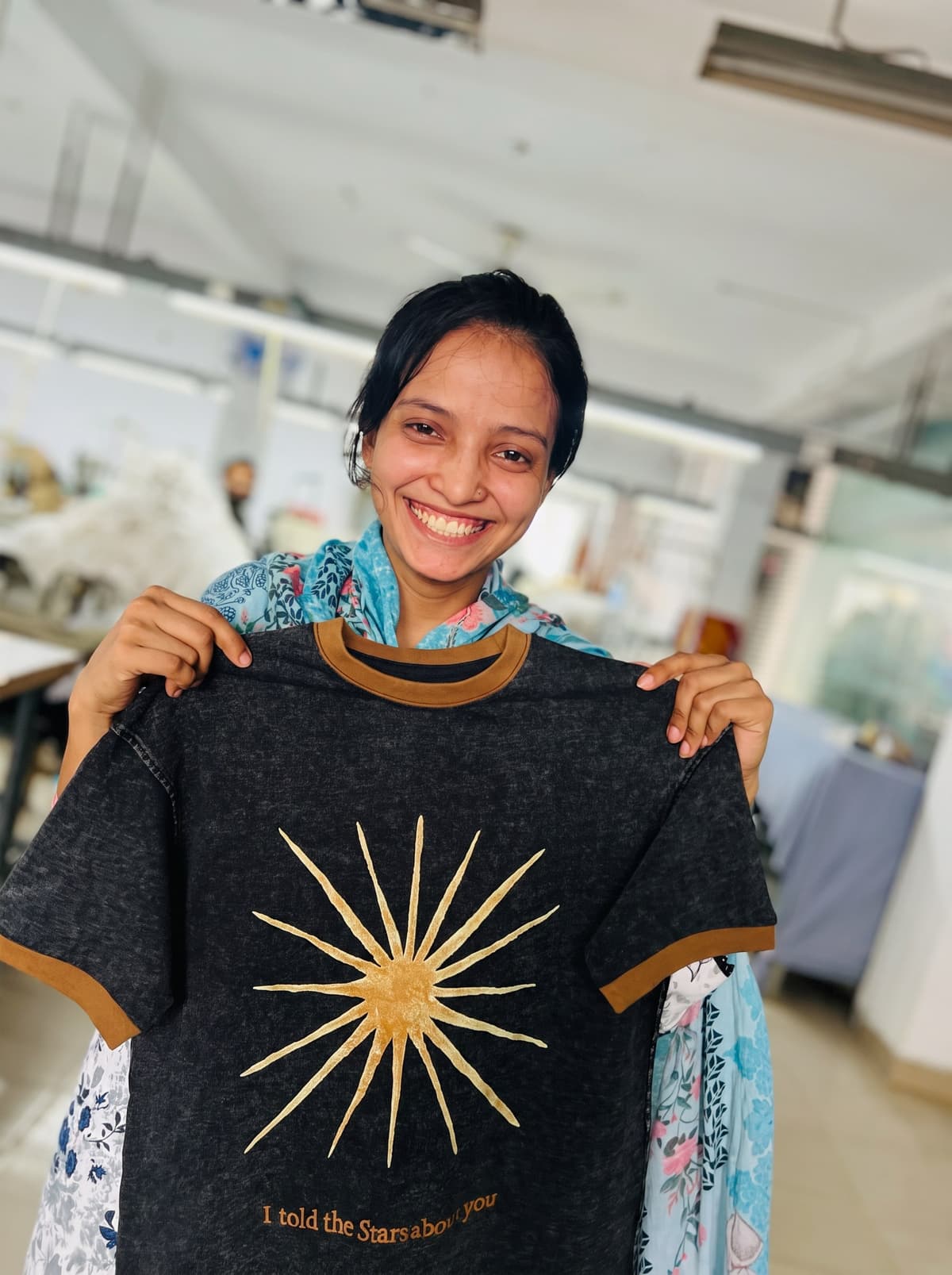
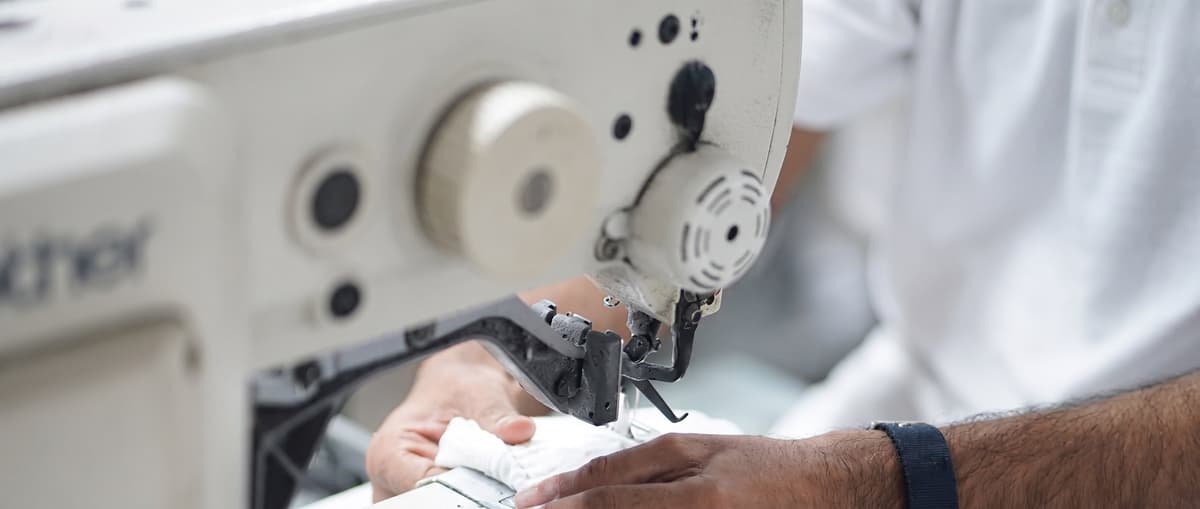
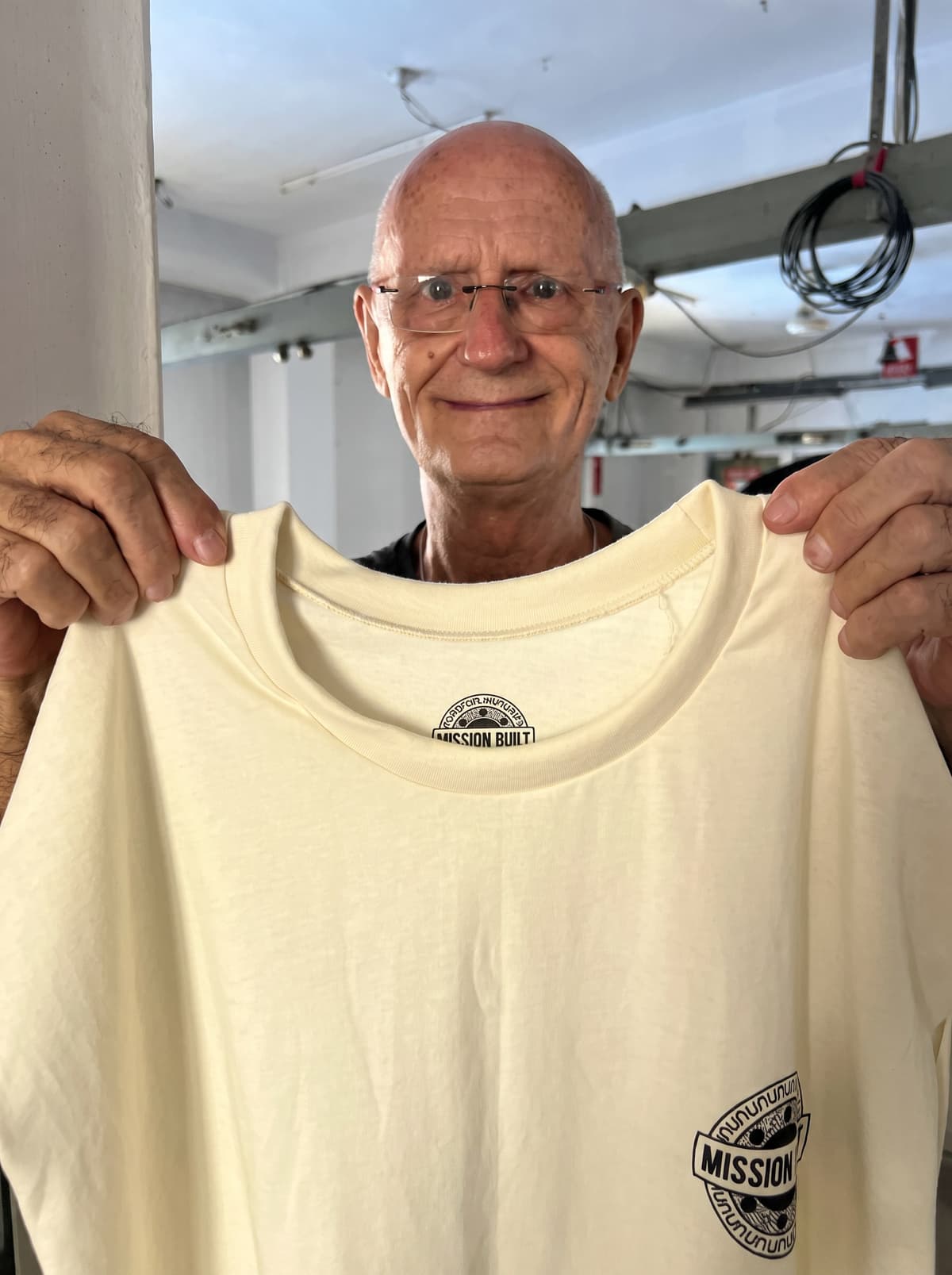
I have had a very good experience with this company. They are very friendly, professional, and provide fast service. They speak fluent English, which makes communication very easy. The quality of their manufacturing is excellent. I have no doubt in recommending this company to anyone looking for a reliable manufacturing partner in Bangladesh.
Talk to the factory directly: +880 1980 055021 · hello@collectivestudioltd.com
No. Most creators come to us with a channel logo and nothing else — no tech pack, no fabric spec, no idea what GSM means, and that's completely normal. Send what you have, even just a PNG exported from your channel branding, and we'll turn it into a proper garment spec: recommend the fabric weight for the look you want, tell you honestly which decoration method (print, embroidery, DTF) suits your artwork, and build a tech pack with you rather than asking you to arrive with one. You'll see and approve a physical sample before anything goes to bulk production, so nothing is decided on a screen alone.
If you haven't sold anything yet, use print-on-demand first — that's honest advice, not a sales pitch, and it costs us the early order. POD has no minimum and no risk, and it answers the only question that matters before you commit real money: does anyone actually want this? The signals worth waiting for are concrete: a waitlist or 'would you buy this' poll with real numbers, a presale that cleared a meaningful threshold, or a milestone that gives you genuine confidence — a subscriber count, an anniversary, a spike in comments asking for merch. Once you have that signal, the economics flip in your favour: at 100 pieces, made-to-spec costs less per unit than POD and earns real margin, on top of being a better product.
DDP — delivered duty paid — to essentially anywhere. We handle export, freight, customs clearance and any duty owed, and quote a landed price rather than a factory price that turns into a customs surprise for a fan in another country. For creators with a heavily concentrated audience in one market — UK, EU, Australia, Canada, the Gulf, and several others — we've written dedicated pages covering that country's specific duty and VAT situation in detail; worth a look if most of your following sits in one place. For a genuinely global audience, DDP is what keeps the price on the page the price your fan actually pays, wherever they are.
Work backwards from the realistic production timeline, not forwards from the video date. Sampling takes about ten days, bulk production forty to fifty days once the sample is approved, then freight — so if you want merch live the day a video drops, that video needs to be planned roughly two months out, not two weeks. The mistake we see most often is a creator announcing merch in a video before production has even started, then going quiet for a month while fans wonder what happened. The better pattern: tease the drop and open a waitlist or presale while production is already underway, so the announcement video coincides with launch day rather than triggering the timeline. Tell us your target date early and we'll tell you honestly whether it's realistic.
One hundred pieces per style, per colour. Whether that's realistic depends far more on your engagement than your subscriber count — a creator with 20,000 highly engaged subscribers can sell through 100 hoodies faster than one with 200,000 passive ones. If you're unsure, a presale or waitlist before you commit is the honest way to find out rather than guessing. Most first orders land on one strong design in one or two colourways rather than a wide range, because splitting 100 pieces across several colours triggers separate fabric and dye lots and costs more per piece — one design done well outperforms three done thin, and the reorder tells you far more than a scattered first run.
It's worth doing, and it's a lot cheaper before a drop than after. A manufacturer makes what you send us — we can't tell you whether your channel name or logo is legally protected, and we're not the right source for legal advice. What we'd say plainly: if merch is going to be an ongoing part of your business rather than a one-off, registering your name or logo as a trademark in your home market (and via a system like WIPO's Madrid framework if you're selling internationally) protects you from someone else filing it first, or from a bigger channel with a similar name causing confusion later. It's a conversation for a trademark attorney or your local IP office, not for us — but it's worth having before your first drop, not after.
Trade and regulatory details on this page last verified 22 August 2026. Tariff and compliance terms change — ask us to confirm the current position for your order.
Whether it’s a large bulk or wholesale run or your first batch of 100, send a sketch, a reference, or a sentence. We’ll reply within one business day with fabric options and an indicative price.