Better margin than reselling
You pay manufacturing cost instead of another brand's wholesale price — usually meaningfully more room on the same retail ticket, and no other stockist has the identical product.
Create your own label for your boutique — small-batch private-label clothing from 100 pieces, made to your taste, with your branding.
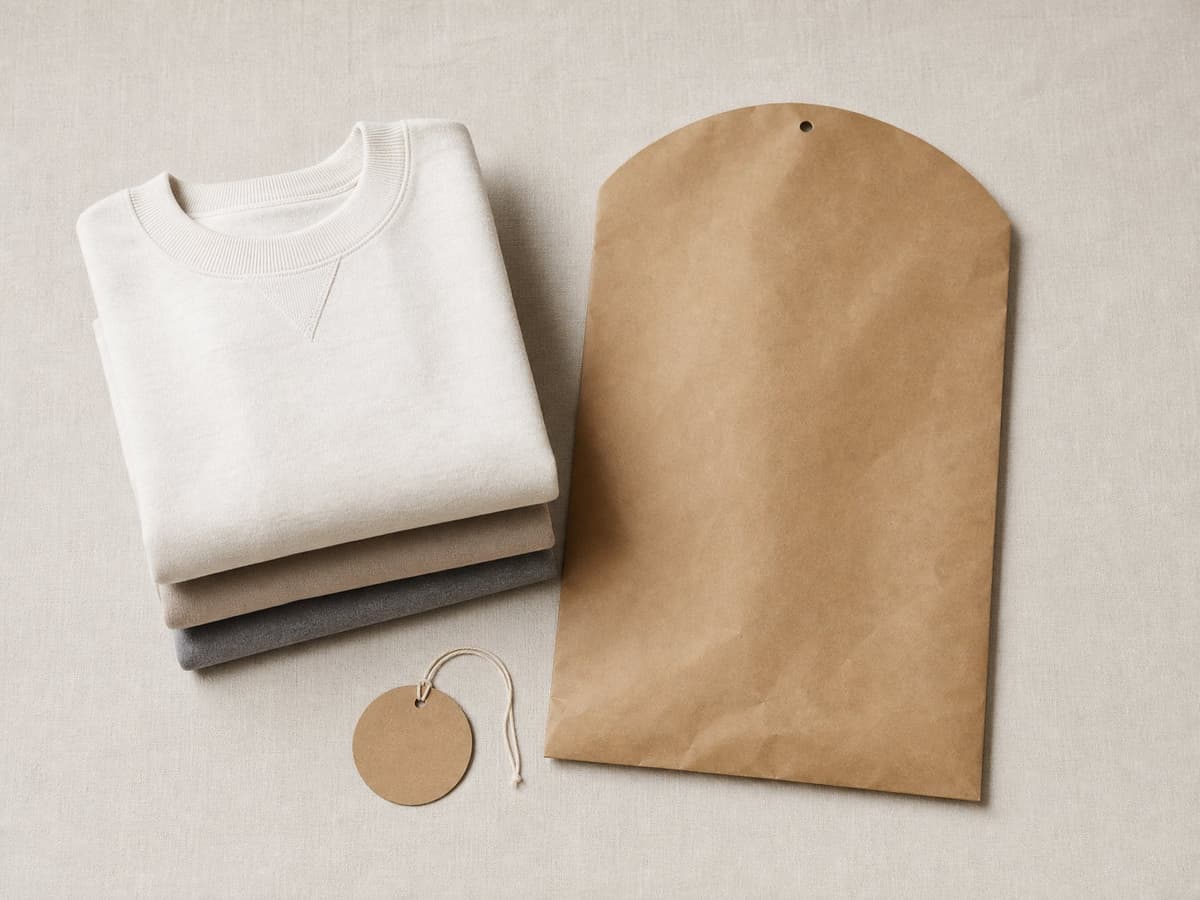
The commercial case for a boutique making its own label is margin, and it's worth stating plainly. When you buy a wholesale brand to resell, you're typically working on a keystone markup — roughly doubling the wholesale price. On your own private label, you're paying manufacturing cost rather than another brand's wholesale price, which usually leaves substantially more room on the same retail ticket. You also stop competing on price with every other stockist carrying the identical product, because nobody else has it.
The practical constraint is buying rhythm. Boutiques think in drops and seasons, and cash sits in stock until it sells through. A 100-piece run spread across a size curve is roughly 15–20 units per size — enough to read whether something works on your floor without committing a season's budget to it. Our advice for a first private-label attempt is to start with one or two carry-over styles that sell year-round rather than something highly seasonal, because a slow-moving trend piece ties up cash exactly when you need it for the next drop.
We make from 100 pieces per style and colour: tees, knits, loungewear, hoodies and accessories, in premium and GOTS-certified organic fabrics (certificate RSC 9687), under your own woven labels, tags and packaging. Reorder what sells, drop what doesn't, and grow the range at whatever pace your floor supports.
You pay manufacturing cost instead of another brand's wholesale price — usually meaningfully more room on the same retail ticket, and no other stockist has the identical product.
Roughly 15–20 units per size across a standard curve — enough to read demand on your floor without committing a season's budget.
Your woven labels, tags, and packaging — a true house brand, not a rebadged blank.
For a first private-label run we'd suggest a style that sells year-round. A seasonal trend piece that moves slowly ties up cash exactly when the next drop needs it.
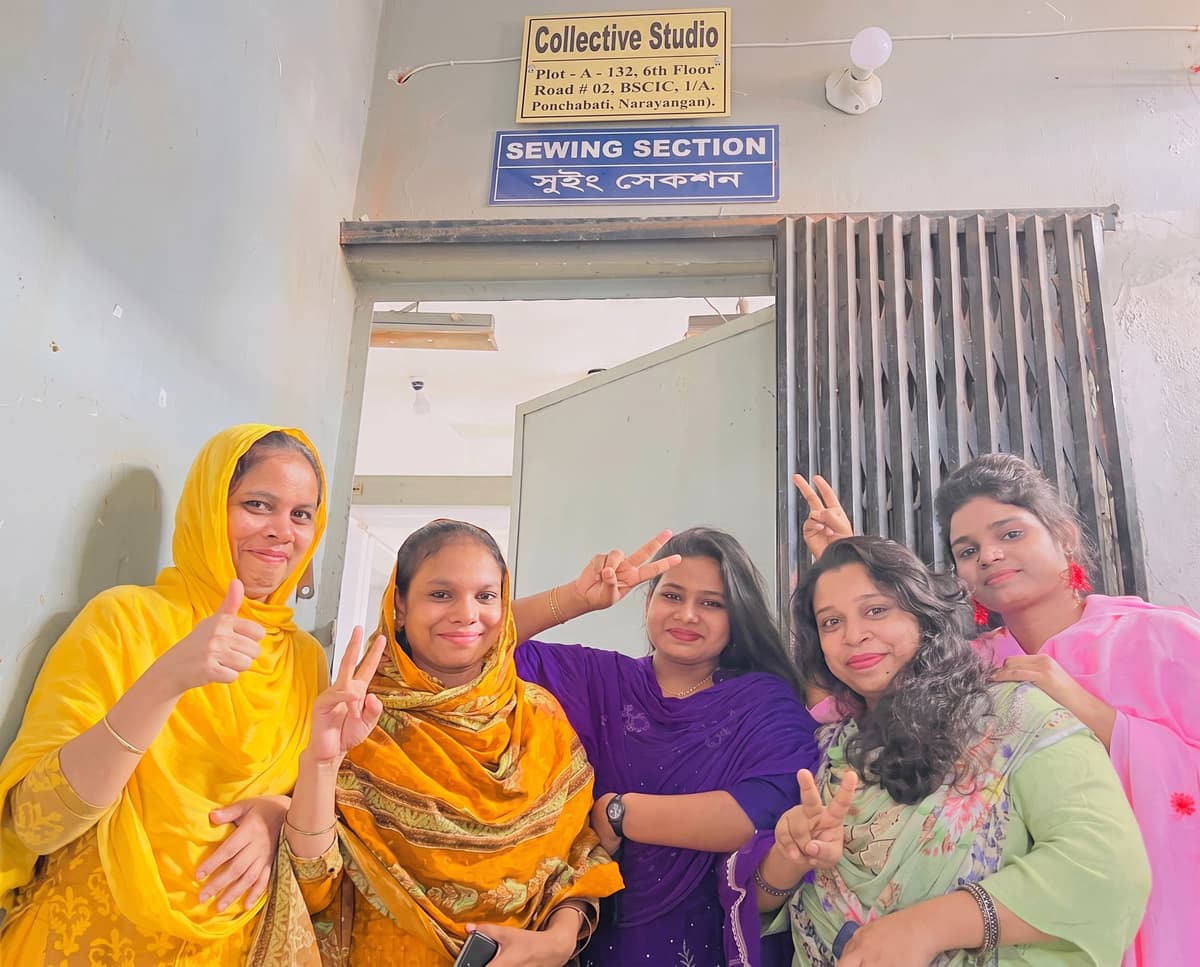
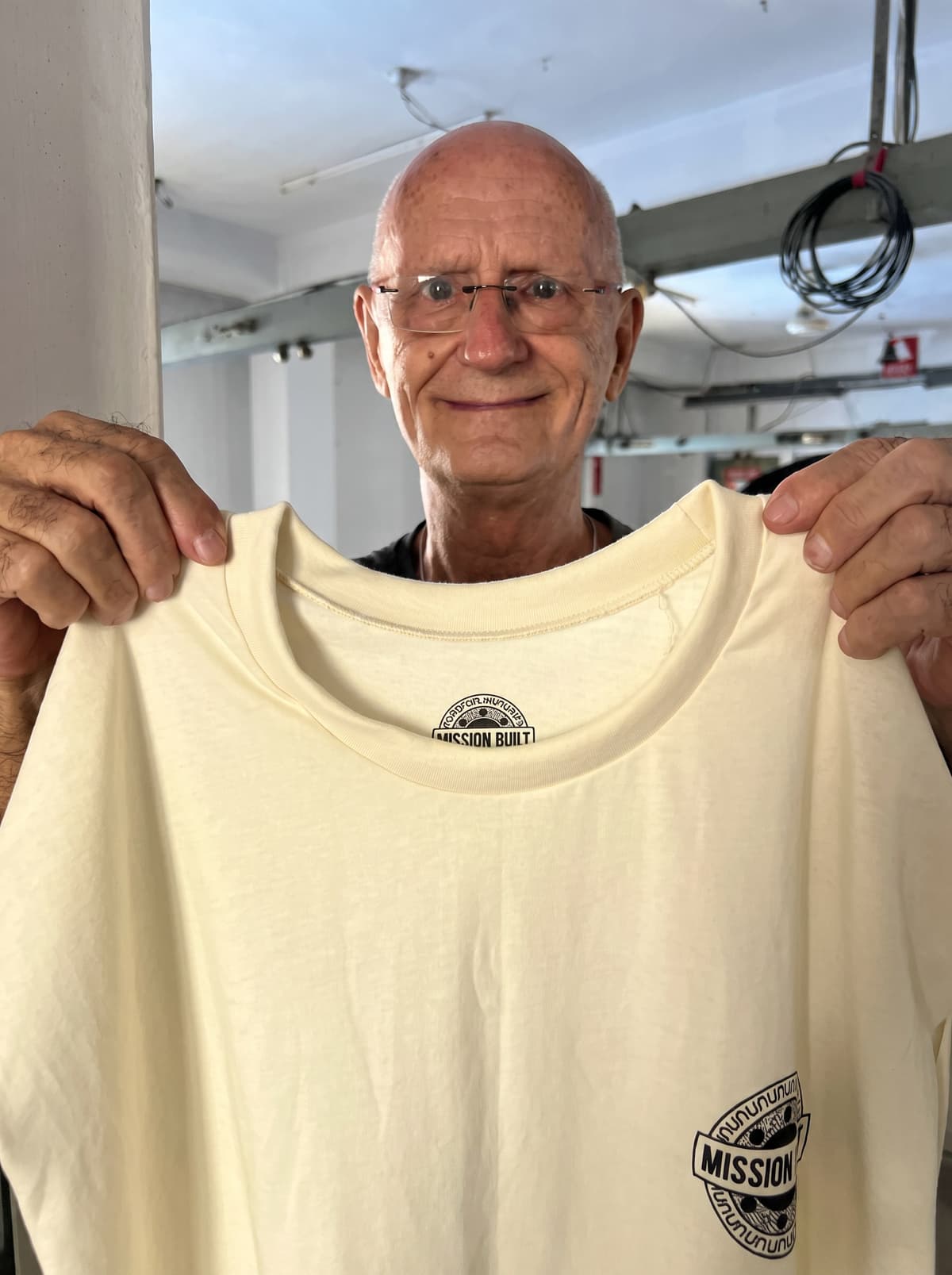
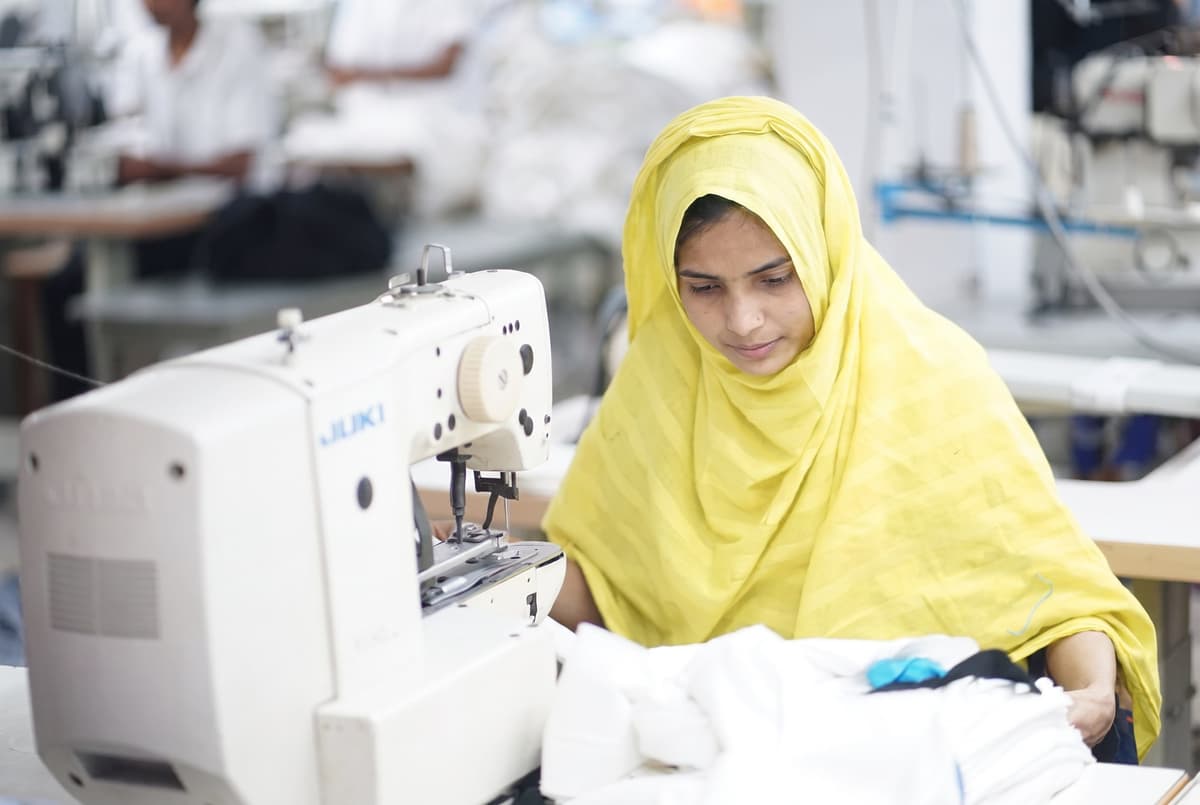
Collective Studio is up and coming. Very hard working people who want to please their customers and grow partnerships together. Homaira is very knowledgeable in the knit industry and always willing to learn more. We are looking to grow our business with them.
Talk to the factory directly: +880 1980 055021 · hello@collectivestudioltd.com
One hundred pieces per style, per colour, which for a boutique usually means a two or three hundred piece first order across a couple of styles. That is deliberately low — most factories start at five hundred or a thousand, which is what stops independent retailers producing their own line at all. What we would steer you away from is spreading that quantity thin. A hundred each of three styles costs meaningfully more per piece than three hundred of one, and it leaves you with three weak signals about what your customers actually buy. Pick the piece you already sell most of as wholesale stock, make that first, and let the reorder rate tell you what comes next. Reorders are cheaper because the pattern and sample are already paid for.
Usually, and the gap is bigger than most retailers expect once they run the numbers. Reselling a brand typically gives you a keystone margin — buy at roughly half of retail, sell at retail — and that margin is capped by the brand's wholesale price, which you do not control. Private label at a hundred pieces commonly lands your cost at a quarter to a third of your retail price, so the margin is meaningfully wider and it is yours to set. What you take on in exchange is real: cash committed up front, roughly two to three months of lead time, stock risk if it does not sell, and the work of specifying a product rather than picking one from a catalogue. The sensible entry is one proven style, not a range.
Whatever you already sell most of as wholesale stock. That sounds obvious and it is the advice boutiques most often ignore in favour of making the thing they personally want to design. You already have sales data most new brands would pay for — you know which shape, which weight, which colour moves in your shop. Make that. Practically it usually means a tee or a sweatshirt, because they are the lowest-risk constructions, the cheapest to sample, and the easiest to reorder. Start with one style in one colour at three hundred pieces rather than three styles at a hundred each: it costs less per piece, and the sell-through tells you something clear. Add the second style once the first has proven itself and the setup is already paid for.
Entirely. Everything we make is private label — your brand name, your woven neck label or printed tagless transfer, your care label with your legally required content, your hangtags, your polybag and your packaging. Nothing carries our name, and nothing identifies the factory to your customer. We can also match an existing range so new pieces sit alongside what you already stock without an obvious break in labelling or fit. If you are a boutique moving from buying wholesale to producing your own line, this is usually the step that feels largest and is actually the most straightforward — we handle label sourcing and placement, and you approve it on the pre-production sample before bulk begins.
No, and most of the brands we start with do not have it. What we actually need from you is clearer than a technical drawing: a reference garment whose fit you like, a sketch or even an annotated photograph, a note on the fabric weight and feel you are after, and your artwork. Measurements taken from a physical garment you already own are the single most useful thing you can send, because they remove interpretation. We build the technical detail with you through sampling — that is where a manufacturer's input is worth most anyway, since we know what is straightforward to sew and what quietly adds cost. If you would like a tech pack afterwards for your own records or future suppliers, we produce one from the approved sample.
Trade and regulatory details on this page last verified 30 July 2026. Tariff and compliance terms change — ask us to confirm the current position for your order.
Whether it’s a large bulk or wholesale run or your first batch of 100, send a sketch, a reference, or a sentence. We’ll reply within one business day with fabric options and an indicative price.