Duty-free to 2034, in legislation
Canada's Budget Implementation Act 2023 renewed the GPT and LDCT programmes through 31 December 2034 — a statutory end date, not a press release, and it outlasts either possible LDC graduation date.
Premium knitwear manufacturing for Canadian brands — duty-free sourcing from Bangladesh, low MOQ, and DDP delivery. We confirm the current duty position before you commit.
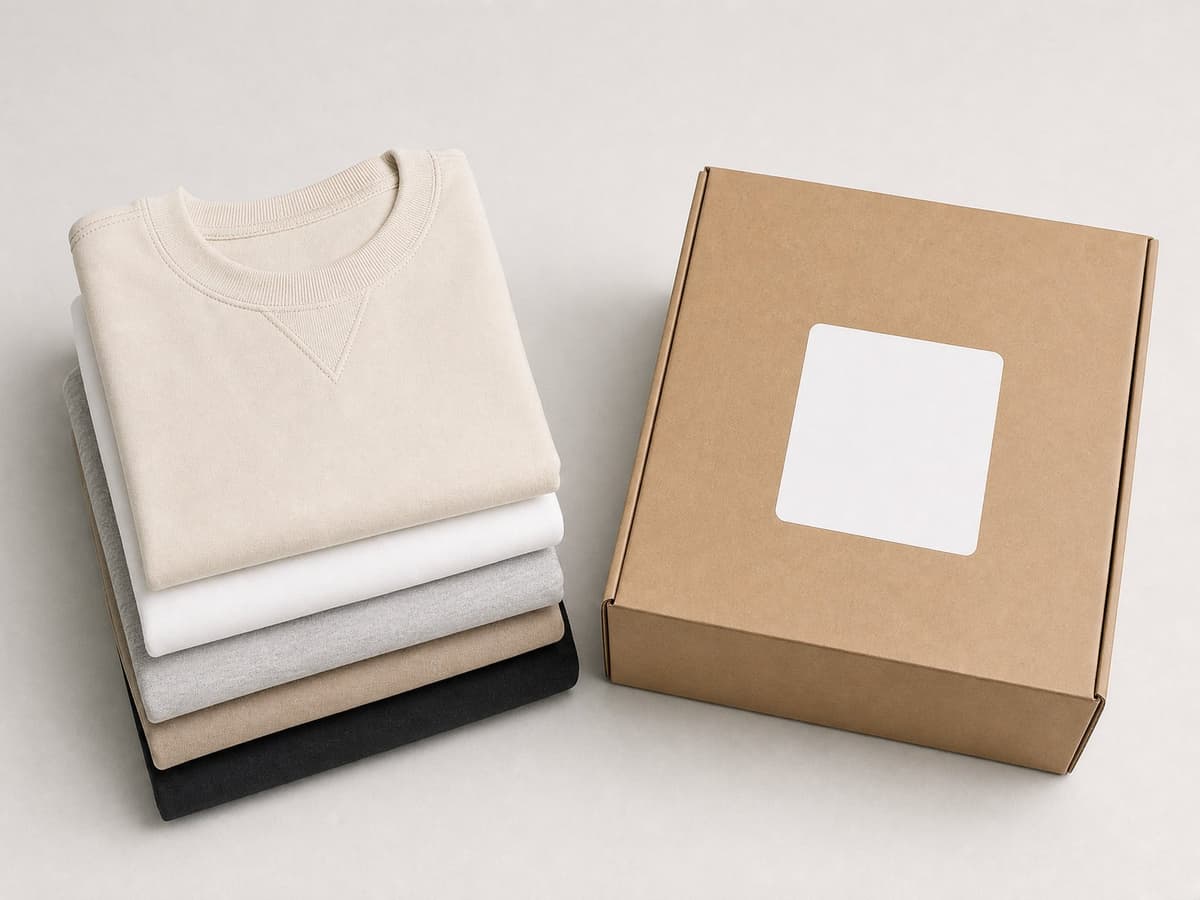
We're a clothing manufacturer for Canadian brands, and there are two Canadian rule changes worth knowing before you cost a Bangladesh order. The first is the one everyone talks about: duty. Bangladesh has had duty-free, quota-free access to Canada since 2003 under the Least-Developed Country Tariff (LDCT), and Bangladesh's graduation from LDC status — currently scheduled for 24 November 2026 — would have ended it, pushing apparel to an average 17% duty. Canada's Budget Implementation Act 2023 renewed the GPT and LDCT programmes through 31 December 2034, so a Canadian brand sourcing here today is not buying into a regime that expires next year.
The second change gets almost no coverage and is arguably more useful to you. Until the end of 2024, Canada's apparel rules of origin required a minimum percentage of value to be added in the exporting country — a genuine compliance headache, and the reason some Canadian importers quietly avoided factories that bought in their fabric rather than knitting it. Effective 1 January 2025, CBSA Customs Notice 24-41 harmonised those rules across all of Canada's preference programmes so that the cutting and sewing of fabric confers origin on the finished garment, regardless of the origin of the yarn and fabric. The value-added test is gone for apparel. If a supplier is still quoting you value-add percentages to prove Canadian origin, they are working from the pre-2025 rules.
That matters for how you read any factory's honesty about its own supply chain, ours included. We cut and sew in our own building in Narayanganj; we specify, book and inspect the spinning, knitting and dyeing at partner mills rather than pretending to own a dye house. Under the old rules that shape invited a value-added calculation. Under the current rules the cut-and-sew is the origin-conferring step, so we can describe the chain accurately instead of overstating it — and you still get the certificate of origin CBSA asks for.
One live caveat, stated plainly: the graduation date itself is unsettled. The UN Committee for Development Policy has recommended deferring Bangladesh's graduation to 24 November 2029, and in July 2026 the UN's Economic and Social Council unanimously forwarded that recommendation to the General Assembly for a vote expected before the original date. Reporting also indicates Canada applies a transition period for graduating countries rather than an overnight cut-off. Because the GPT renewal runs to 2034 either way, none of this changes your landed cost — but we would rather flag an unsettled date than let you assume one. We ship DDP (delivered duty paid), so whatever the position is on your shipping date, it is inside the number we quote.
On timing: our lead time is 50 days from confirmation to delivery — roughly 10 days sampling, 33 production, 5 shipping. Worth asking competing suppliers for the same three-part split rather than one number, since a single figure usually covers production only and leaves the sampling weeks off the page.
Two practical notes for a Canadian range. If you are searching for a low MOQ clothing manufacturer that will actually ship to Canada, ours is 100 pieces per style and colour — and it stays 100 after you enquire. And specify heavier than a catalogue default: much imported knitwear is cut for markets without a Canadian winter, so a 240 GSM hoodie that works in Sydney is a mid-season piece in Winnipeg. For a genuine winter range we would steer you to 380–450 GSM brushed fleece and a thermal or waffle layer. We ship DDP to Toronto, Montreal, Vancouver, Calgary and everywhere else in Canada, and our guide to importing clothing into Canada walks through the duty, the GST and the one CBSA form apparel needs.
Canada's Budget Implementation Act 2023 renewed the GPT and LDCT programmes through 31 December 2034 — a statutory end date, not a press release, and it outlasts either possible LDC graduation date.
Since 1 Jan 2025, cutting and sewing confers origin on apparel regardless of where the yarn and fabric came from. The old percentage threshold that tripped up Canadian importers is gone.
Launch or test in the Canadian market with 100 pieces per style, per colour.
We clear CBSA, cover duty, and send the commercial invoice, packing list and certificate of origin before the goods move — not after your broker asks.

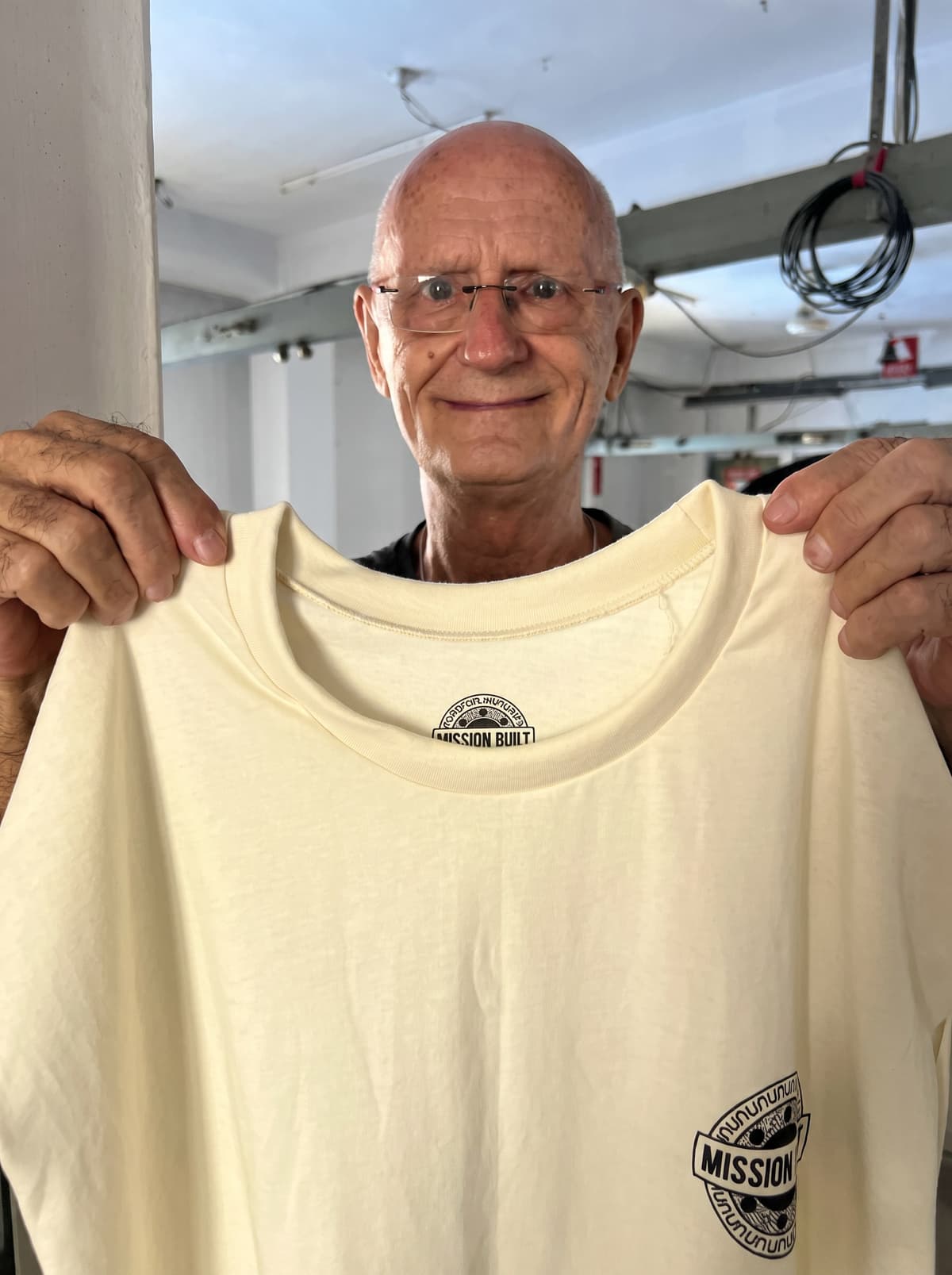
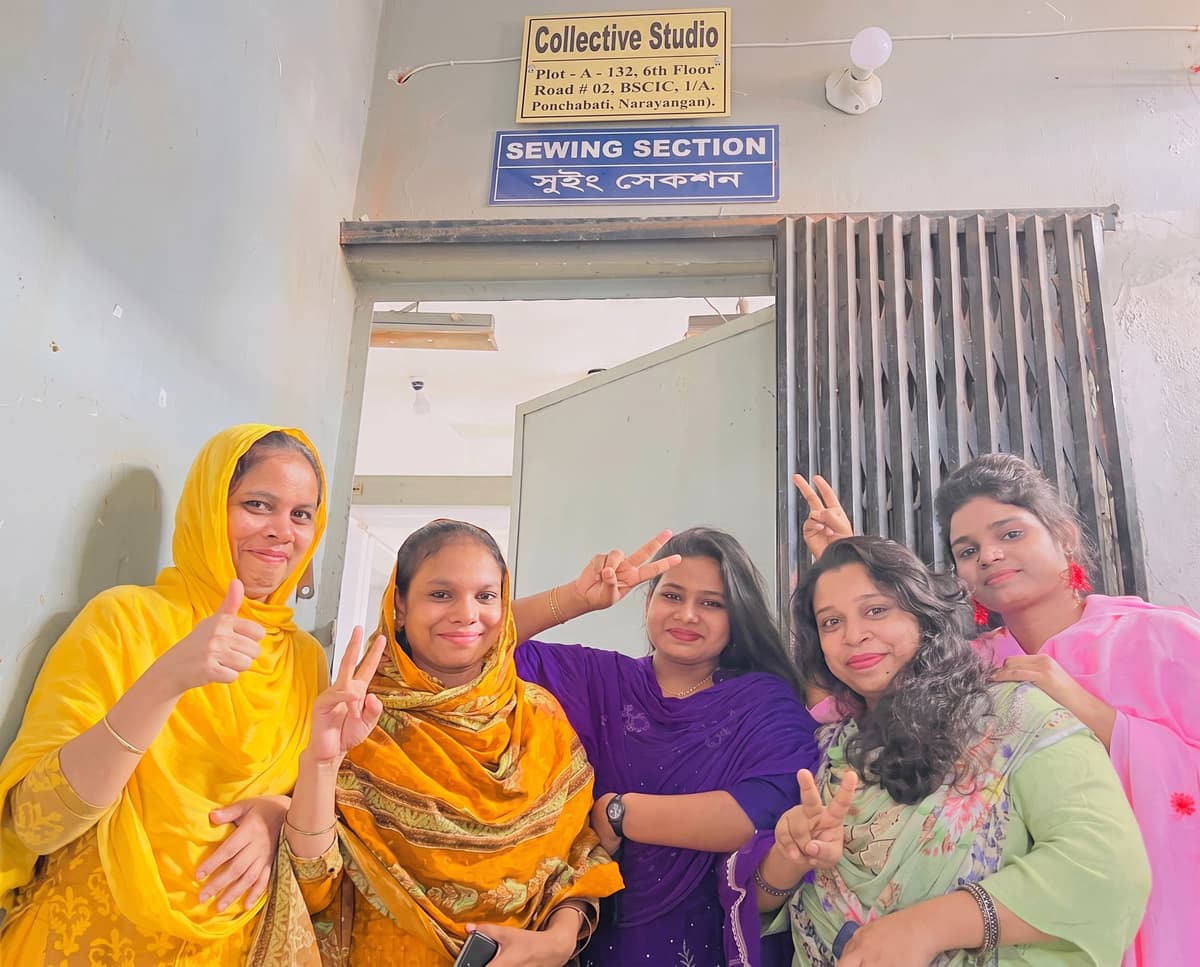
Canada's old apparel rules of origin required a minimum share of value to be added in the exporting country, which made a factory's exact supply-chain shape a compliance question. Since 1 January 2025 that test is gone for apparel. Here is what we actually do, and why it now clears origin cleanly either way.
Under the rules that applied until the end of 2024, a factory that bought in its fabric rather than knitting it had to satisfy a value-added threshold to qualify. Under the harmonised rules in force since 1 January 2025, the cutting and sewing is what confers origin — regardless of where the yarn and fabric came from. That is precisely the work we do ourselves, which is why we can be straightforward about the rest of the chain instead of overstating what we own.
Collective Studio is up and coming. Very hard working people who want to please their customers and grow partnerships together. Homaira is very knowledgeable in the knit industry and always willing to learn more. We are looking to grow our business with them.
Talk to the factory directly: +880 1980 055021 · hello@collectivestudioltd.com
Yes, DDP — delivered duty paid. We handle export from Bangladesh, freight, Canadian customs entry through CBSA, and any duty owed, and the price we quote is the landed price. No broker invoice arrives afterwards. Air freight to Toronto, Vancouver or Montreal adds roughly six to eight days door to door and suits launch dates; sea freight adds about thirty-five to forty days, routing through Vancouver for the west or Montreal for the east, at a fraction of the cost. GST remains payable by you as importer — that is a tax rather than a duty, and it is recoverable if you are registered. We send the commercial invoice, packing list and certificate of origin before the goods move, so your accountant has the paperwork in advance rather than chasing it. If you need the goods delivered to a third-party fulfilment centre rather than your own address, tell us at quote stage and we will arrange it.
No, and the end date is in legislation rather than in a press release. Bangladesh has had duty-free access under Canada's LDCT since 2003, and the Budget Implementation Act 2023 renewed both the GPT and LDCT programmes through 31 December 2034. Bangladesh's LDC graduation — currently scheduled for 24 November 2026, though the UN Committee for Development Policy has recommended deferring it to 2029 and a General Assembly vote is pending — would have moved apparel to roughly 17% average duty without that renewal. Because the renewal runs to 2034 and reporting indicates Canada applies a transition period for graduating countries rather than an overnight cut-off, neither date changes your landed cost today. Tariff classifications still turn on your specific commodity code, so check the CBSA tariff schedule or ask us to confirm it for your shipment. We ship DDP, so whatever duty applies on your shipping date is inside the price we quote.
Yes, and it is the most useful Canadian change most sourcing pages have not caught up with. Until 31 December 2024, Canada's apparel rules of origin required a minimum percentage of value to be added in the exporting country for a garment to qualify for preferential treatment — a real compliance burden, and the reason some Canadian importers were wary of factories that bought in fabric rather than knitting it themselves. Effective 1 January 2025, CBSA Customs Notice 24-41 harmonised the rules across all of Canada's unilateral preference programmes so that the cutting and sewing of fabrics confers origin on the final apparel product, regardless of the origin of the yarn and fabric. In practice: the value-added test no longer applies to apparel, and the cut-and-sew step is what qualifies the garment. If a supplier is still asking you to evidence value-add percentages for Canadian origin, they are quoting rules that expired at the end of 2024.
One hundred pieces per style, per colour. That floor exists because of fabric, not sewing: knit fabric is produced in minimum runs on circular machines, and dyeing happens in lots, so a hundred pieces is roughly where the material stops being sampling and starts being production. For a Canadian brand testing a first range, a realistic opening order is three to five hundred pieces across two or three styles. We would generally steer you toward fewer styles ordered deeper rather than a wide shallow range — a hundred each of five styles costs meaningfully more per piece than five hundred of two, and the sell-through data from a deeper run is far more useful when you decide what to reorder. Our free MOQ calculator compares those two shapes side by side.
About ten days for sampling, forty to fifty days for bulk once the pre-production sample is approved, then freight. Air freight to Toronto, Vancouver or Montreal adds roughly six to eight days door to door. Sea freight adds about thirty-five to forty days, routing through Vancouver for western Canada or Montreal for the east, and costs a fraction of air. We ship DDP, so we clear CBSA and cover duty, and you receive the goods without a customs invoice following behind. GST is still payable by you as importer — that is a tax, not a duty, and it is recoverable if you are registered. We will tell you the realistic date at quote stage, including the freight leg, rather than quoting the factory date alone.
Yes, GOTS-certified under certificate RSC 9687, which is listed in the Global Standard public database so you can verify it yourself rather than trusting a logo on a website. GOTS certifies the chain rather than just the fibre: permitted chemical inputs, wastewater treatment and audited labour conditions. That matters in Canada beyond the marketing: alongside the GPT, Canada has announced a General Preferential Tariff Plus (GPTP) programme intended to give expanded preferences to countries meeting international standards on human rights, labour rights and sustainable development. CBSA's own notice says GPTP will come into effect at a later date and its details are still being developed, so we are not going to claim a benefit from it today — but documented, audited compliance is the direction Canadian preference policy is moving, and a checkable certificate is how you evidence it. We can issue a Transaction Certificate covering your specific order when a retailer or marketplace asks for one.
Trade and regulatory details on this page last verified 23 August 2026. Tariff and compliance terms change — ask us to confirm the current position for your order.
Whether it’s a large bulk or wholesale run or your first batch of 100, send a sketch, a reference, or a sentence. We’ll reply within one business day with fabric options and an indicative price.