What Is a Tech Pack? A Beginner's Guide for Clothing Brands
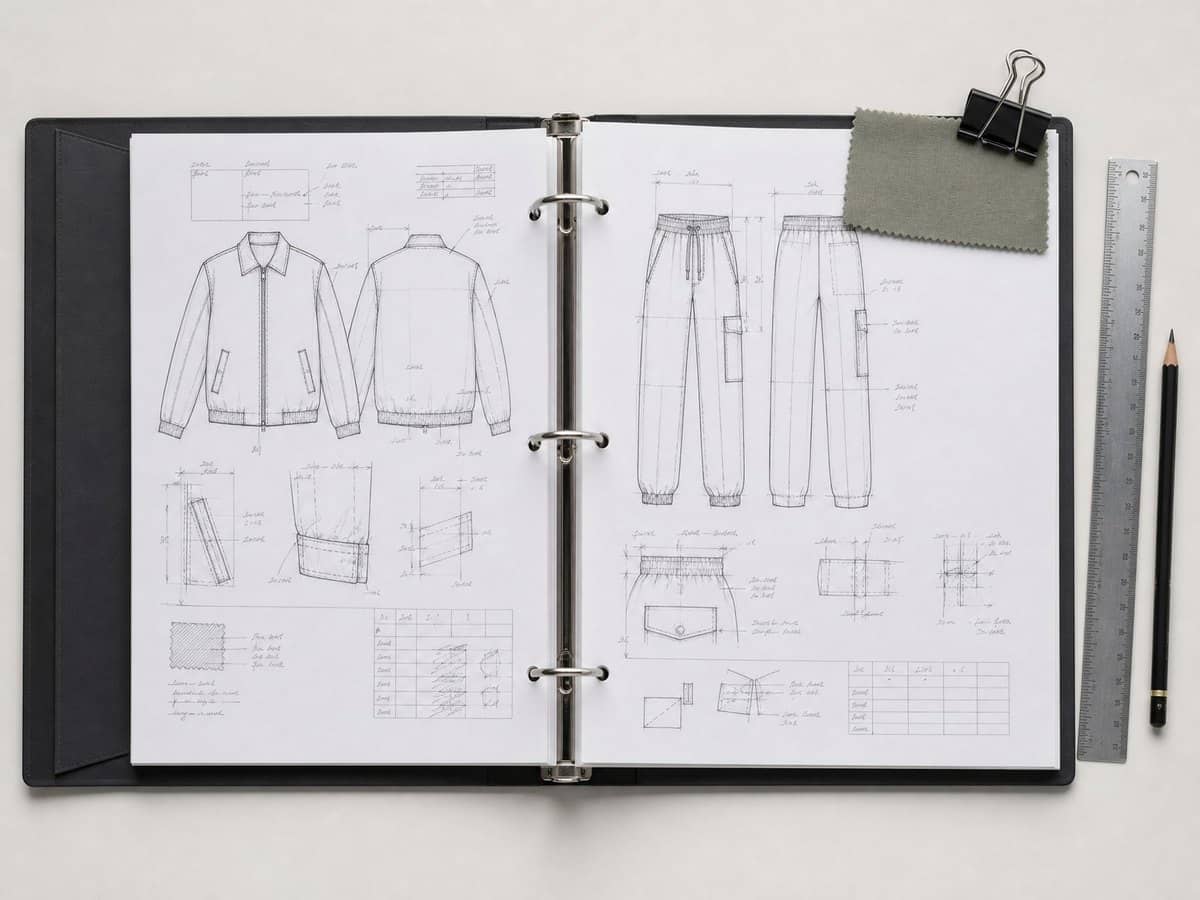
A tech pack is the blueprint for your garment: one document that tells a manufacturer precisely how to make it. That is the whole meaning of the term, and there is nothing more technical hiding behind it. It removes guesswork, so the sample comes back closer to what is in your head, and bulk matches the sample.
You will see the same document called several things, and they all mean this. Tech pack is short for technical package; British brands and UK factories more often say technical pack, and you will see techpack written as one word and spec sheet used interchangeably. If a supplier asks for your technical packages for a range, they mean one of these per style. None of it signals a different or more formal document — only a different habit.
What goes into a tech pack
- Technical sketches, usually called flat sketches or CADs — front and back, with callouts.
- Measurements — a size chart with key points of measure and grading across sizes.
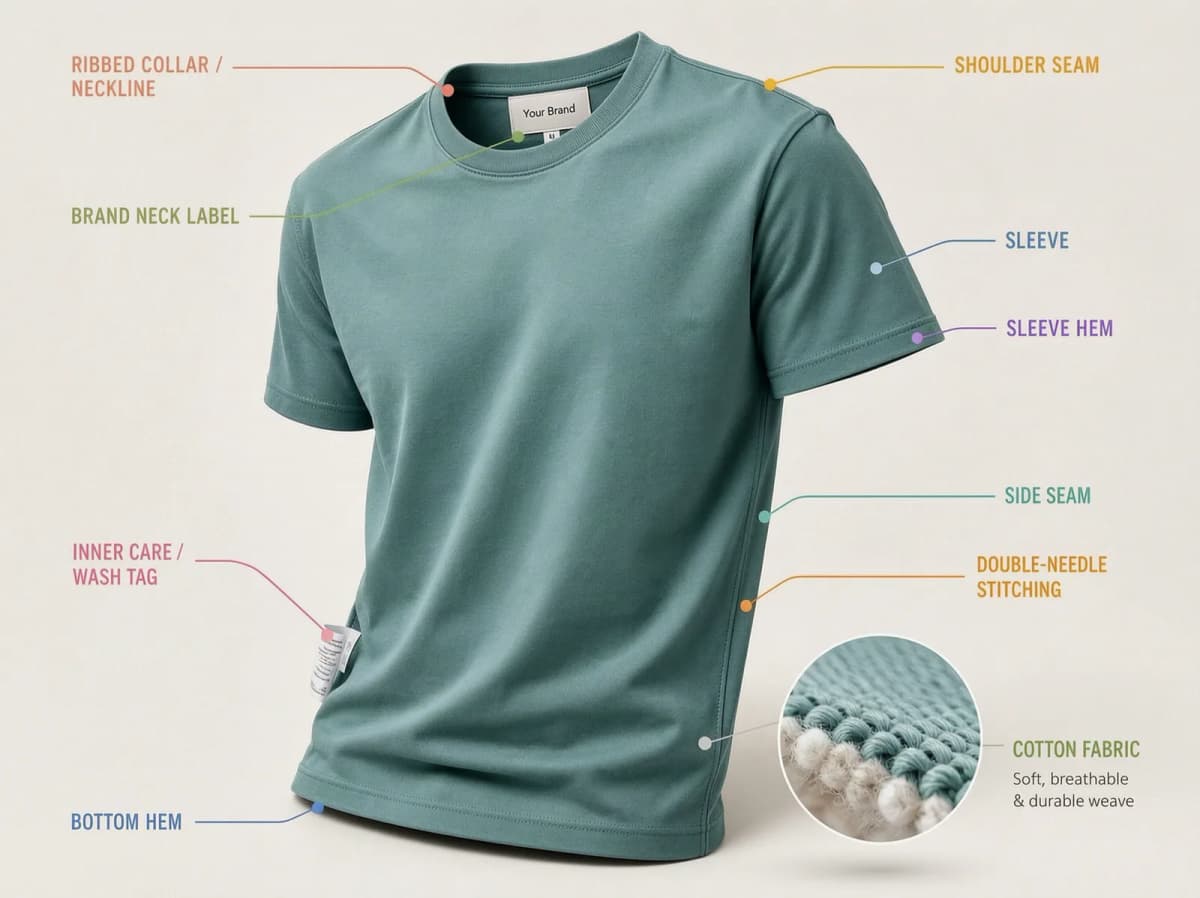
- Materials — fabric type, weight (GSM), and composition.
- Trims and components — labels, drawcords, zips, threads.
- Colours — with reference codes (e.g. Pantone) where possible.
- Construction details — stitch types, seam finishes, print or embroidery placement.
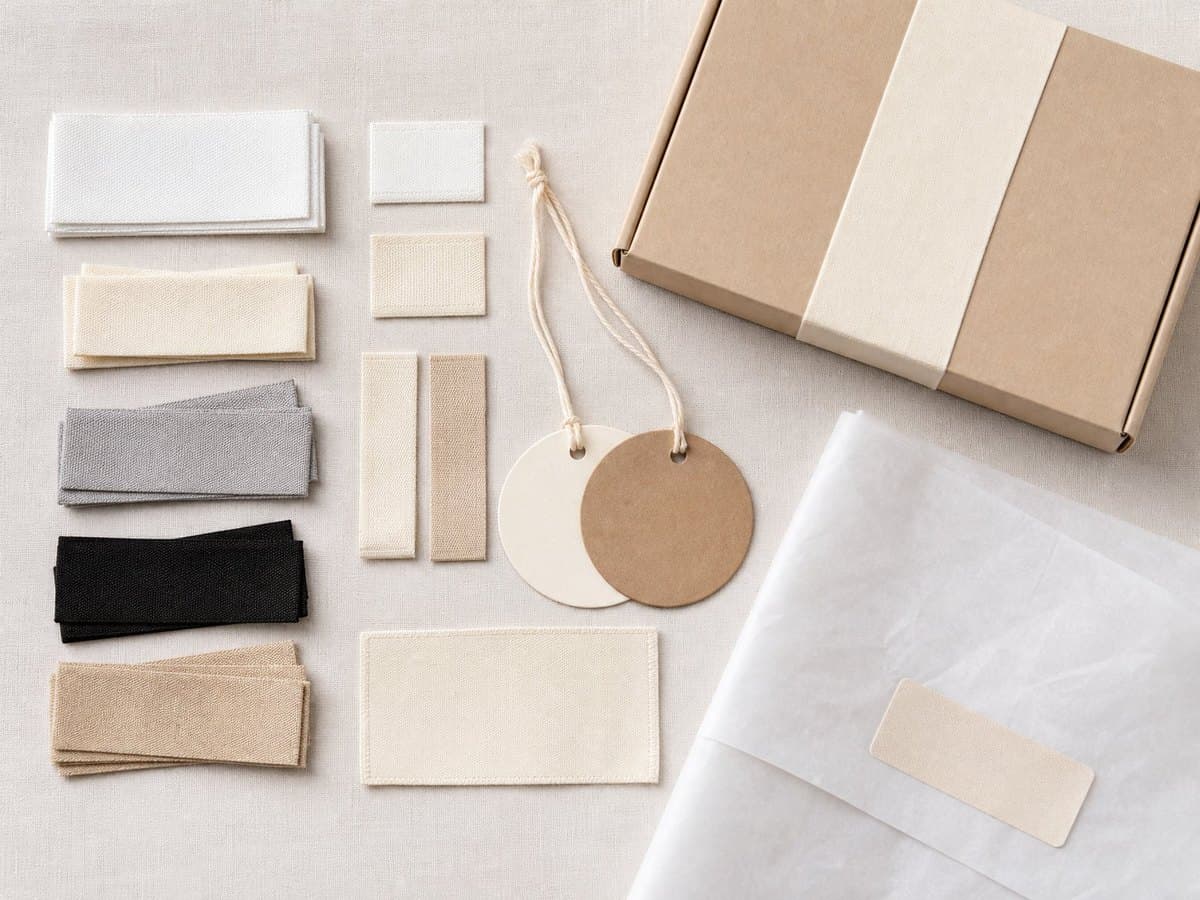
- Branding — where labels, tags, and packaging go.
Do you need one to get a quote?
No. This trips up a lot of first-time founders. A sketch, a reference photo, or a clear paragraph is enough for a good manufacturer to come back with fabric options and an indicative price. The tech pack gets built and refined during sampling — and a strong partner will help you create one.
For what it's worth, from our side of the table: when a tech pack (or even a rough sketch) lands with us, the first things we check are the ones that most affect fit and cost — the fabric weight in GSM, the points of measure, and the trims. Get those three clear and we can usually turn a first sample around in about ten days. If they're not nailed down yet, that's completely normal — we fill the gaps together during sampling, and because we make from 100 pieces per style, you can start small while you learn.
That is the optimistic version, and it is genuinely how most first orders go. But it is worth knowing where the cost of a thin tech pack actually lands, because it is not drama — it is rounds. Every field left open is a decision somebody has to make without you, and if it gets made differently from what you pictured, the correction happens in the next sample rather than this one. One or two extra rounds is a few more weeks and a few more couriers, which is undramatic enough to be easy to underestimate. That is the whole reason the three fields above are worth an afternoon of your time now rather than a revision later.
You don't need a finished tech pack to start. You need a clear idea and a manufacturer willing to help you shape it.
What a factory does with each page
A tech pack can feel like paperwork for its own sake until you see how it is used. Different people on the floor read different pages, which is why completeness matters more than polish.
- The sketch and construction notes go to the pattern maker, who turns them into the pieces the garment is cut from.
- The measurement chart goes to the sample room and later to QC, who check finished garments against it.
- The bill of materials goes to sourcing, who buy your fabric, thread, labels and trims — usually weeks before sewing begins.
- The artwork and placement page goes to the print or embroidery unit.
- The label and packing page goes to finishing, and it is the page most often missing, which is why orders sit completed but unshipped.
The fields most first tech packs leave out
You do not need a professional document to start — but these omissions cause real delays, and all of them are quick to fix.
Fabric weight in GSM, not just fibre. Thread colour, which is assumed to be obvious and frequently is not. Which measurements are critical versus which can vary within tolerance. Care-label wording, based on your own wash test rather than the mill’s generic advice. And the packing specification: folded or hanging, polybagged individually or in cartons, how many per carton. That last one holds up more finished orders than any construction detail.
If you have none of this, send a reference garment instead. A factory can measure a physical t-shirt and build the spec from it, which is usually faster than a founder guessing at numbers.
Tech pack, spec sheet, BOM: which is which
These four words get used interchangeably and they do not mean the same thing. Knowing which one a factory is asking for saves a round of confused emails.
| Document | What it actually is | Who reads it |
|---|---|---|
| Tech pack | Everything needed to make one style, gathered in one file | The whole factory |
| Spec sheet | Loosely, a synonym for tech pack. Strictly, just the measurement page inside it | The pattern maker |
| Bill of materials | The list of every component: fabric, thread, labels, trims, packaging | Sourcing, weeks before sewing |
| Line sheet | Your finished styles with wholesale prices. Nothing to do with production | Buyers and stockists |
Do you need a separate one for every style?
One tech pack per style, yes. Colourways — colorways, if you or your supplier spell it the American way — do not each need their own — a single pack can carry a colour page listing every variant, with the Pantone reference and the matching thread and label for each. Sizes work the same way: one graded measurement chart covering the full run, not a document per size.
Where new brands over-produce documents is by writing a fresh pack for a style that is really a small edit of an existing one. A long-sleeve version of a tee you already make is a note on the existing pack, not a new project. Factories would far rather receive one pack marked up with changes than two nearly identical files, because near-identical files are how the wrong version reaches the cutting table.
How to make a simple tech pack
- Start from a reference garment you like and note what to change.
- Sketch front and back (even by hand) and label the key features.
- List fabric, weight, colours, and trims as specifically as you can.
- Add your measurements, or ask your manufacturer for a base size chart to adjust.
- Keep it in one shareable file (a PDF or a Google Doc link works).
If you would rather not start from a blank page, our tech pack checklist walks through each section and says what goes wrong when it is left empty, and the free tech pack template gives you the document itself — no sign-up, no email wall. We are a clothing manufacturer in Bangladesh making cut-and-sew knitwear from a 100-piece minimum, so a first tech pack does not have to carry a large order behind it. Or send us your sketch or a reference garment and we will help turn it into a proper spec: start here, or read how to start a brand with 100 pieces.
Frequently asked questions
What are tech packs used for after the order is placed?
They keep being read long after you send them. Sourcing works from the bill of materials to buy fabric and trims weeks before sewing starts; the pattern maker works from the measurement page; the print or embroidery unit works from the artwork page; and quality control measures finished garments against the same chart the sample was approved on. A tech pack is not paperwork you file once — it is the reference every department checks against, which is why one wrong number in it can survive all the way to the carton.
Is a tech pack the same thing as a spec sheet?
In everyday use yes, and nobody will correct you. Strictly, the spec sheet is one page inside the tech pack: the one carrying the points of measure and the grading across sizes. If a factory asks for your spec sheet, send the whole tech pack. No manufacturer has ever complained about receiving more detail than they asked for, and plenty of orders have gone wrong because someone sent less.
What is a tech pack?
A tech pack is the technical specification a factory manufactures from: measurements at every size, fabric and weight, trims, construction and stitch details, colourways, label placement, and tolerances, collected in one document. Think of it less as paperwork and more as the place where decisions get made deliberately instead of by default. Every detail absent from a tech pack still gets decided — by whoever is on the production line that day, in a direction nobody chose. That is survivable on a sample and expensive across a full run. The tolerances section does quiet but important work: stating how much a chest measurement may vary converts a later argument from a matter of opinion into a measurable pass or fail.
What should a tech pack include?
Eight components, in rough order of how much trouble each prevents. A flat technical sketch, front and back, drawn to proportion rather than styled. A points-of-measure chart showing every measurement at every size, with the grading rules between them. Fabric specification including composition, weight in GSM and finish. Trims: thread, elastic, drawcords, zips, labels, each named rather than described. Colourways with Pantone references, since colour described in words is not a specification. Construction and stitch notes covering seam types and finishes. Label and packaging placement. And tolerances, stating acceptable variance per measurement. If you can only produce half of these before approaching a factory, prioritise the sketch, the measurements and the fabric — those three carry most of the meaning.
Do I need a tech pack to manufacture clothing?
To place a bulk order, yes. To start a conversation with a factory, no — and that distinction matters because the belief that you need one first stops a lot of founders from making the first enquiry. A sketch, a reference garment whose fit you like, or a clear paragraph is enough for a competent manufacturer to quote and begin. The tech pack then gets built during the specification stage, before you spend anything on sampling. What you should not do is start bulk production without one, because at that point every unspecified detail is being decided at scale by someone who has never met you. Sending an existing garment to be measured is often the fastest route to a usable spec.
Where this applies
The manufacturing pages this guide relates to, if you are costing a real run.
Free tools & guides for this
Sources & further reading
Have an idea? Let’s make it.
We manufacture from 100 pieces per style, with GOTS-certified organic options and photos at every stage. Send a sketch or a sentence — we’ll reply within a day.