0% duty — not a preference, a policy
Singapore charges no import duty on clothing, whatever the country of origin. There's no LDC graduation cliff to plan around, because there was never a preference to lose.
Premium knitwear manufacturing for Singaporean brands — 0% import duty on clothing, full stop, and Singapore's real 9% GST worked out with a number, shipped DDP so nothing surprises you at the border.
Or message the factory directly: WhatsApp +880 1980 055026 · hello@collectivestudioltd.com · Homaira replies within one business day.
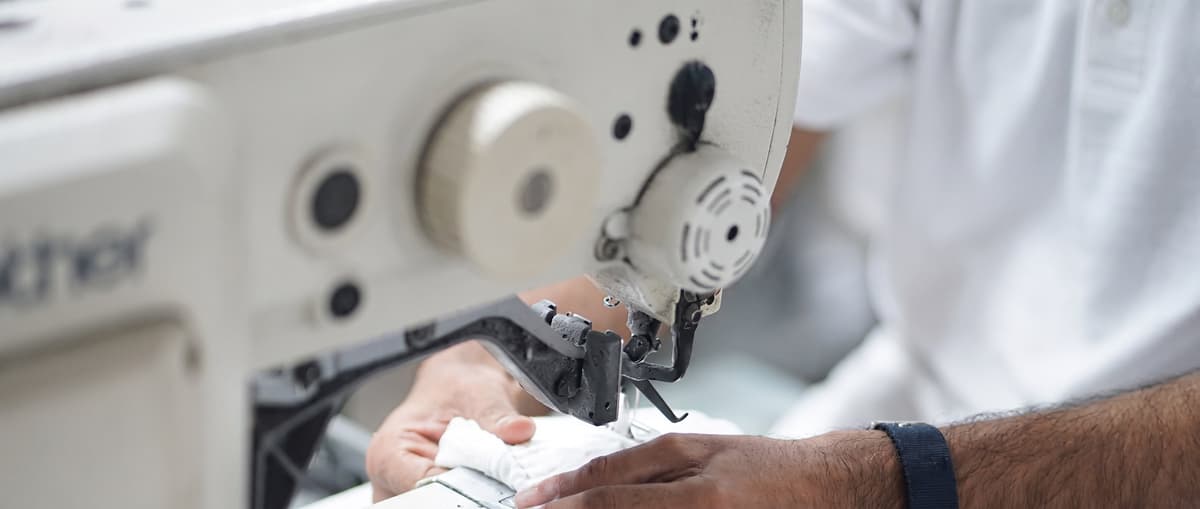
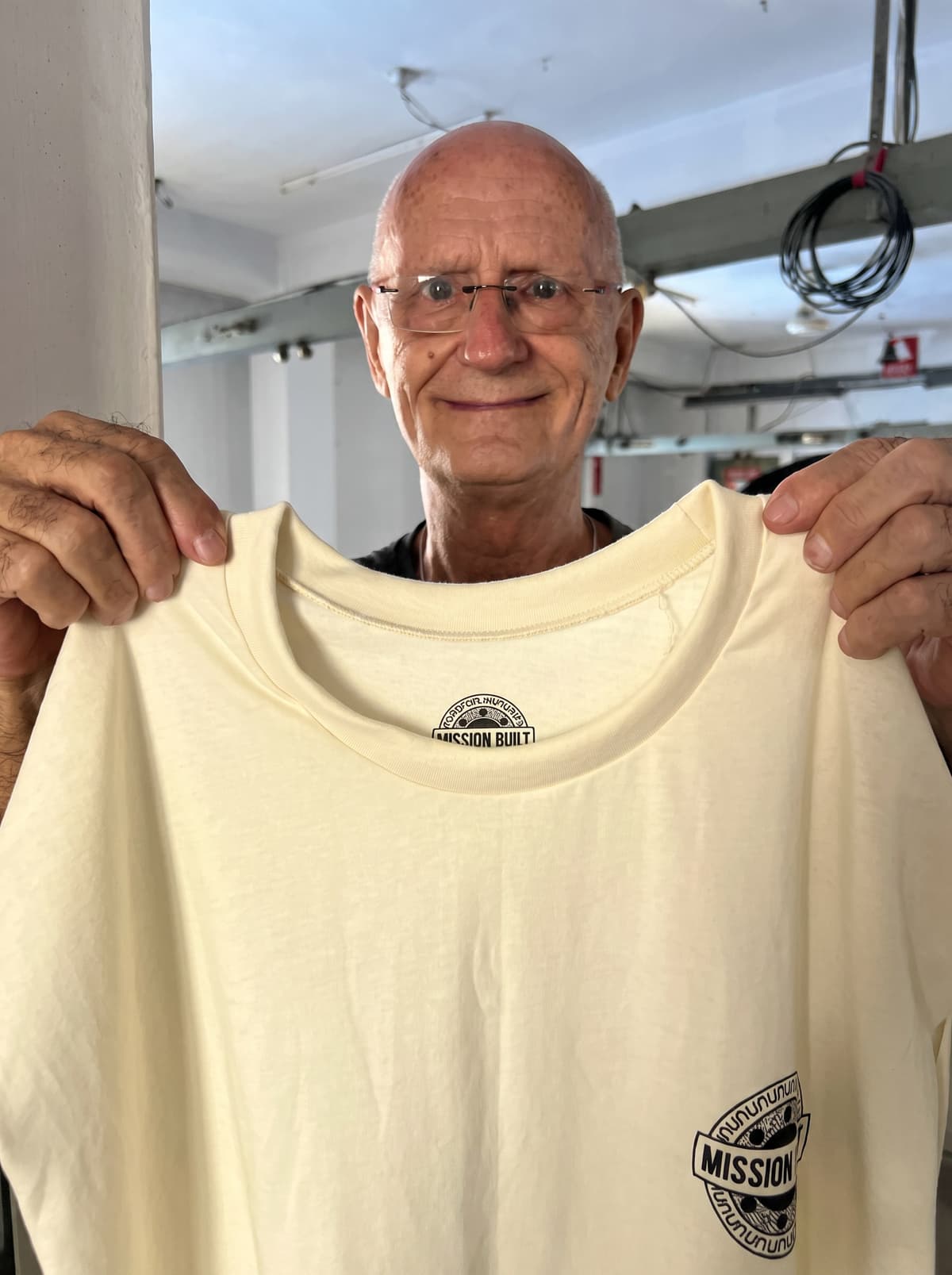
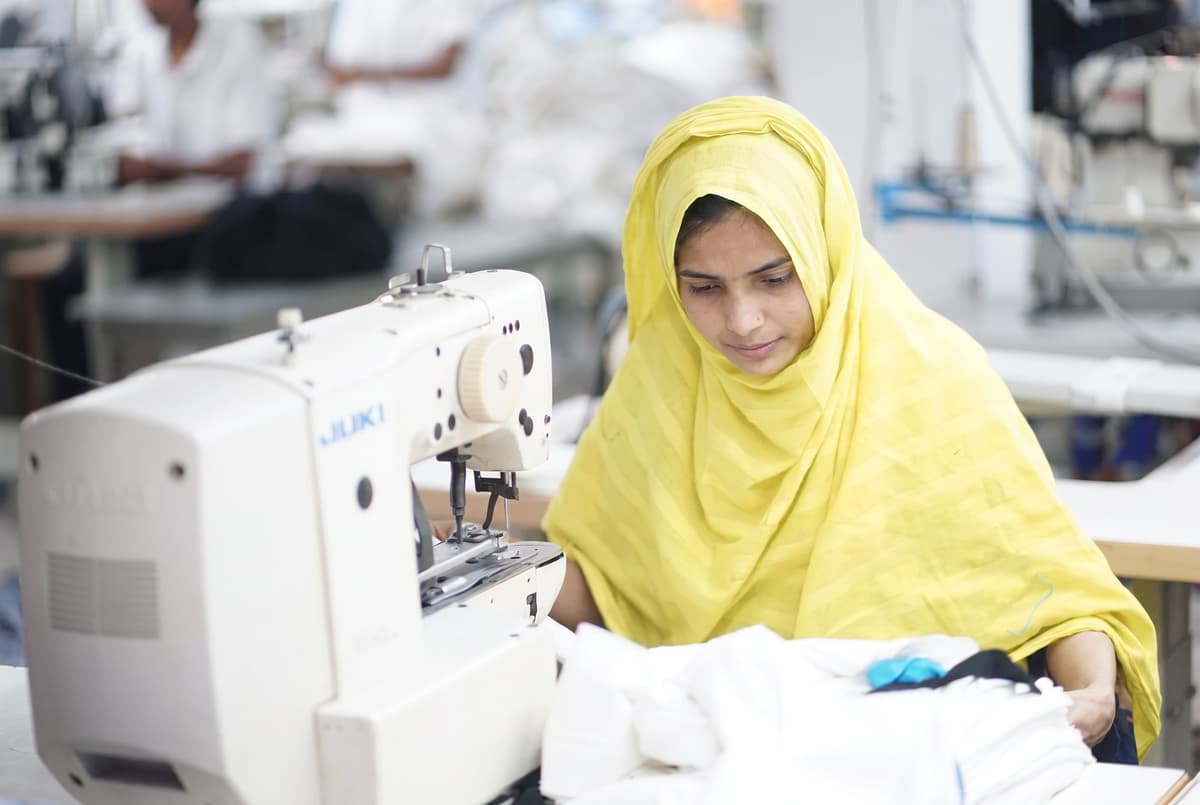
Made by our own team in Narayanganj. See the floor ↓Client reviews on Google ↗GOTS certificate RSC 9687 →
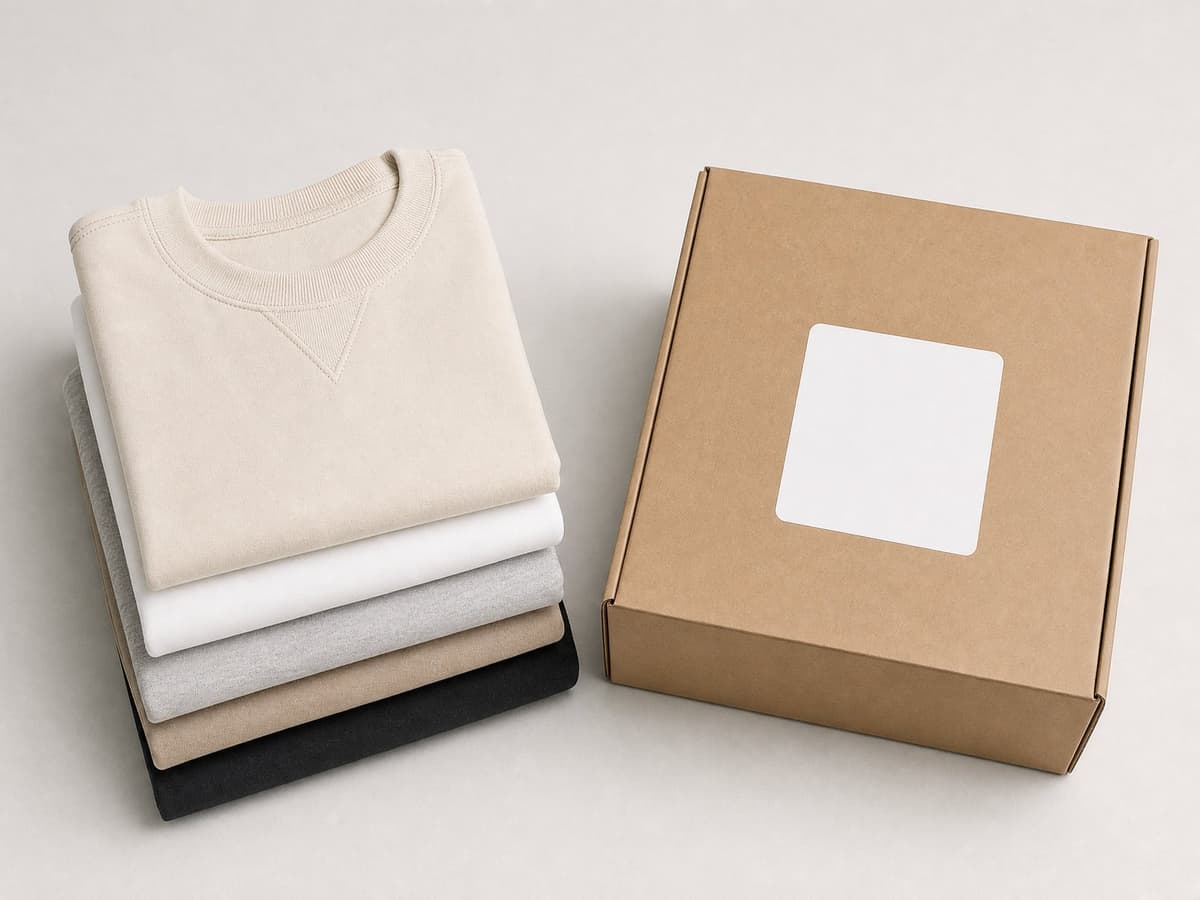
The short answer: we are a cut-and-sew knitwear factory in Narayanganj, Bangladesh, not a workshop in Singapore. We make tees, hoodies, joggers, activewear and loungewear to Singaporean brands' own designs, from 150 pieces per style and per colour. Clothing enters Singapore at 0% duty from any country, the one tax at the border is 9% GST, and we ship DDP.
A clothing manufacturer for Singaporean brands doesn't need to explain a trade preference, an LDC graduation date, or a free-zone workaround, and that alone makes this page shorter than most of our others. Singapore charges 0% import duty on clothing — not because of a preference tied to Bangladesh's development status, but because Singapore applies close to zero tariffs on almost all consumer goods, for every country of origin, as a matter of longstanding trade policy. There's no graduation cliff to plan around here, because there was never a preference to lose.
That's a genuinely different story from most of the markets we cover. Switzerland got to universal zero duty through a 2024 reform; Norway and New Zealand get there through their own GSP-for-LDC schemes that could, in principle, change. Singapore's position isn't a scheme at all — it's how the country treats imports generally, apparel included, and it isn't contingent on Bangladesh's LDC status changing in November 2029 or any other date.
What does apply is GST — Singapore's goods and services tax, currently 9%, charged by Singapore Customs on the CIF value of the shipment at the border. On 500 tees at a US$6.00 CIF value at the border (US$3,000 total), that's US$270 in GST, and nothing in duty. We ship DDP so that number is inside your landed cost before you commit, from a genuine 150-piece minimum with organic fabric available, sewn in our GOTS-certified facility.
One honest note on freight: Singapore sits close to Bangladesh on the same shipping lanes that serve most of South and Southeast Asia, which is why the delivery times below are meaningfully shorter than what we quote for Europe, the Americas or Australia. If speed to launch matters more than unit cost, that's a real, structural advantage of sourcing from Bangladesh into Singapore rather than a sales pitch.
| Question | Sewn by a workshop in Singapore | Sewn on our floor in Bangladesh |
|---|---|---|
| Where the garment is made | In Singapore | On our own floor in Narayanganj. Fabric is knitted and dyed at partner mills we specify and inspect but do not own |
| Import permit | None, it is a local purchase | Needed, applied for through TradeNet, usually by a declaring agent. The importer needs a UEN and an activated Customs Account |
| Import duty | None | 0%: clothing is not on Singapore's list of dutiable goods, whatever the country of origin |
| GST | 9% on the sale, if the workshop is GST-registered | 9% of the CIF value at the border, charged on the importer named on the permit |
| Claiming the GST back (GST-registered brands) | As input tax, with a valid tax invoice addressed to you | As input tax, only if the import permit shows your business as the importer |
| Minimum order | Set by each workshop | 150 pieces per style and per colour |
| Timeline | Set by each workshop, with no international freight | About 10 days sampling, 40-50 days production after sample approval, then freight we quote for your port |
Singapore charges no import duty on clothing, whatever the country of origin. There's no LDC graduation cliff to plan around, because there was never a preference to lose.
Singapore's GST, charged on the CIF value at the border, is the genuine cost to plan around. We quote it inside one landed cost before you commit.
Launch or test in the Singaporean market with 150 pieces per style, per colourway.
Singapore sits on the same shipping lanes as Bangladesh's main export routes — delivery times run meaningfully shorter than to Europe, the Americas or Australia.
If your Singapore warehouse also ships to customers outside Singapore, two schemes change when import GST is paid. Both apply only to non-dutiable goods, and in Singapore clothing is non-dutiable, so a knitwear order falls inside their scope where wine or tobacco would not.
Zero-GST warehouse. Under Singapore Customs' Zero-GST Warehouse Scheme, imported non-dutiable goods can be stored in a licensed zero-GST warehouse with GST suspended, with no fixed time limit. GST becomes payable when goods are removed for local use or consumption, and is not payable when they are removed for export. The licence belongs to the warehouse company, which must be GST-registered with IRAS and hold a Customs Account, so the practical question is whether your logistics provider runs one.
Major Exporter Scheme. According to IRAS, businesses granted the MES import non-dutiable goods with GST suspended at the point of import, and since 1 July 2006 the suspension also covers goods they remove from a zero-GST warehouse. The qualifying conditions are set out in IRAS's e-Tax guide, and whether you meet them is a question for your accountant rather than for us.
What it changes on our side: a DDP quote into Singapore normally carries the 9% GST paid at the border. If your goods are going into a zero-GST warehouse, or your business holds MES status, tell us before we quote, and agree with us whose name goes on the import permit, so the quote matches how the goods will actually be cleared. Our landed-cost calculator shows the standard case, with GST included.
Wonderful people to work with — very professional and knowledgeable, also accommodating to the needs of their customers.
I have had a very good experience with this company. They are very friendly, professional, and provide fast service. They speak fluent English, which makes communication very easy. The quality of their manufacturing is excellent. I have no doubt in recommending this company to anyone looking for a reliable manufacturing partner in Bangladesh.
Collective Studios under the direction of Mr Jamish and his daughter Homaira represent the future of RTW production in Bangladesh. A thorough approach to detail governed by a genuine standard of quality. Masters of and partners in the process!
We ship there: Collective Studio is not a Singaporean production facility. We cut and sew in our own factory in Narayanganj, Bangladesh, and deliver to Singaporean brands DDP, so the price you approve already carries freight, clearance and Singapore's 9% GST. On our floor that means tees, hoodies, joggers, activewear and loungewear, from 150 pieces per style and colour, with organic options (GOTS-certified facility, RSC 9687). That is the floor your Singapore order is cut and sewn on, and before it is packed, Walter Meyer, our QC lead with 38 years' experience, holds the finished pieces up against the sample you signed off. If you need the garments made inside Singapore itself, we can't offer that, and it's better you hear it from us now than after a round of emails. If what you're after is a duty-free sourcing route with one landed cost and one accountable factory behind it, send us your range and we reply within one business day.
No. Singapore charges 0% import duty on clothing, from Bangladesh or from anywhere else. According to the Singapore Customs list of dutiable goods (read 27 Sep 2026), duty is levied on only four groups: intoxicating liquors, tobacco products, motor vehicles, and petroleum products and biodiesel blends. Tees, hoodies and joggers are not on that list. So this isn't a preference specific to Bangladesh or tied to its LDC status, and unlike most of the other markets we ship to, there's no preference to claim and no graduation-date cliff to watch for. What you do pay is GST: 9% of the customs value, which is the goods plus freight and insurance, with nothing added for duty because there is none. We ship DDP, so that figure is inside your landed cost before you commit rather than arriving as a separate bill at the border.
9% of the CIF value, charged by Singapore Customs at the border on whoever is named as importer on the import permit. Singapore Customs calculates import GST on the customs value plus all duties, and its worked examples build that value from the goods plus overseas freight and insurance; with clothing at 0% duty, that leaves 9% of CIF. If 500 tees reach the border at US$6.00 each, US$3,000 of CIF value, the GST is US$270 and the duty line is zero. A GST-registered business can claim import GST back as input tax, but only when the permit shows that business as the importer (IRAS, read 27 Sep 2026). If you are GST-registered and plan to claim it back, ask us to confirm in writing who will be named as importer on the permit before you order. We ship DDP either way, so GST is folded into the price we quote before you commit.
On a DDP order from us, we arrange the freight and the clearance, and the 9% GST is already inside the price you approved; ask us to confirm in writing who will be named as importer on the permit. Whoever is named as importer needs, according to Singapore Customs' registration overview (read 27 Sep 2026), a Unique Entity Number (UEN) from ACRA or the relevant UEN issuance agency and an activated Customs Account; permits are then applied for through TradeNet, usually by a declaring agent the importer appoints, and Singapore Customs also asks importers to keep an Inter-Bank GIRO account for paying GST. Clothing carries no import duty in Singapore, from Bangladesh or anywhere else, so there is no duty line and no origin preference to claim, and nothing in the paperwork depends on Bangladesh's trade status. What the permit does carry is GST at 9% of the CIF value, meaning the goods plus freight and insurance.
One hundred and fifty pieces per style, per colour; a Singapore order follows that rule with nothing added because of where it lands. The per-colour part is where a first range grows faster than founders expect, and in Singapore the tax grows with it: GST is 9% of the CIF value, so every colourway you add at the minimum puts another 150 pieces into that value. Take the tee from our worked example, valued at US$6.00 at the border: one extra colourway adds US$900 of CIF value and US$81 in GST, while the duty line stays at zero. So a first Singapore range usually works harder with fewer colourways at deeper quantities than with every colour at the minimum. Our free MOQ calculator splits a range into styles, colourways and sizes, so you can see the total pieces, and the GST that follows, before you write to us. We reply within one business day.
Sampling takes about ten days, bulk production forty to fifty days once the pre-production sample is approved, then freight on top. Sea freight is comparatively fast given the shipping lanes between the Bay of Bengal and the Strait of Malacca, typically landing at PSA Singapore within two to three weeks of leaving Chattogram — among the shortest sea routes we quote for any market. Sea suits a planned season order where unit cost matters most. Air freight adds roughly four to six days door to door and suits a launch date or a first order where speed matters more than cost. We ship DDP either way, so GST and clearance at the border are handled on our side. Because the freight is priced inside the same DDP quote, you can ask for both modes and compare them as two landed costs before you decide. Tell us your launch date when you write, and we reply within one business day. From order to your door, plan on about 70 days by air.
It doesn't change your Singapore landed cost, because Singapore's 0% duty on clothing was never a preference conditioned on Bangladesh's development status in the first place — it's a general policy that applies to imports from any country. Compare that to a market like the UK or EU, where the current duty-free treatment specifically depends on Bangladesh remaining classified as a least-developed country, and where the graduation date (now scheduled for 24 November 2029, after a three-year UN extension) genuinely matters. For Singapore, that date could pass without changing anything about your landed cost, because there was never a preference tied to it. The same is true of GST: Singapore charges it on imported goods at the prevailing rate, now 9%, whatever their origin. Where graduation could matter is if the same range also sells into the UK or EU; our duty-by-country guide sets out the UK and EU position.
Singapore uses 8-digit codes from the ASEAN Harmonised Tariff Nomenclature, which builds on the World Customs Organization's 6-digit Harmonised System, and publishes its schedule as the Singapore Trade Classification, Customs and Excise Duties (STCCED) 2022, according to Singapore Customs. For the knitwear we make, the headings are 6109 for tees and vests, 6110 for sweatshirts and hoodies, and 6103 or 6104 for men's or women's joggers and shorts. The last digits depend on fibre and construction, so a cotton tee and a polyester one sit on different lines. Because clothing is not on Singapore's list of dutiable goods, the code does not change the duty, which stays at 0%, but it still has to be right on the permit. We put the code we believe applies on the commercial invoice, your declaring agent confirms it, and if you want certainty on a style, Singapore Customs issues classification rulings on application.
Yes, at three points, and the time difference helps. Singapore Standard Time is UTC+8, according to A*STAR's National Metrology Centre, and Bangladesh stays on UTC+6 all year, so our floor runs two hours behind you. We work Saturday to Thursday, 09:00 to 17:00, which is 11:00 to 19:00 in Singapore, so a live video call from the floor during a working shift fits into a Singapore office afternoon from Monday to Thursday. Second, the certificate: if your order is in organic cotton, it is made in our GOTS-certified facility (RSC 9687). Ask us for the scope certificate, then look the number up yourself in the free GOTS public database. Third, the sample: about ten days after we have your tech pack and fabric choice, it comes to you in Singapore to fit, and bulk starts only once you approve it. A visit to Narayanganj can be arranged too.
Trade and regulatory details on this page last verified 19 September 2026. Tariff and compliance terms change — ask us to confirm the current position for your order.
Whether it’s a large bulk or wholesale run or your first batch of 150, send a sketch, a reference, or a sentence. We’ll reply within one business day with fabric options and an indicative price.
Or message the factory directly: WhatsApp +880 1980 055026 · hello@collectivestudioltd.com · Homaira replies within one business day.