Do I pay import duty on clothing from Bangladesh to Switzerland?
No. Clothing made in Bangladesh enters Switzerland at 0% import duty, because Switzerland abolished tariffs on industrial goods, HS chapters 25 to 97, on 1 January 2024. Knitted garments such as tees and hoodies sit in chapter 61 and woven garments in chapter 62, so both fall inside the reform. SECO states that the zero rate applies regardless of the products' origin or delivery route (read 27 Sep 2026), so clothing from Bangladesh is treated exactly like clothing made in Italy or China, and a container routed through an EU port keeps the same Swiss rate. Agricultural products in HS chapters 1 to 24 are outside the reform and still carry duty, so the zero rate is a rule for industrial goods, not for everything. SECO notes that VAT stays in place; the Federal Tax Administration's standard rate is 8.1%, covered in the VAT answer. If a garment's tariff code is unusual, confirm it with BAZG, Swiss customs, before you order.
Do you manufacture clothing in Switzerland, or just ship there?
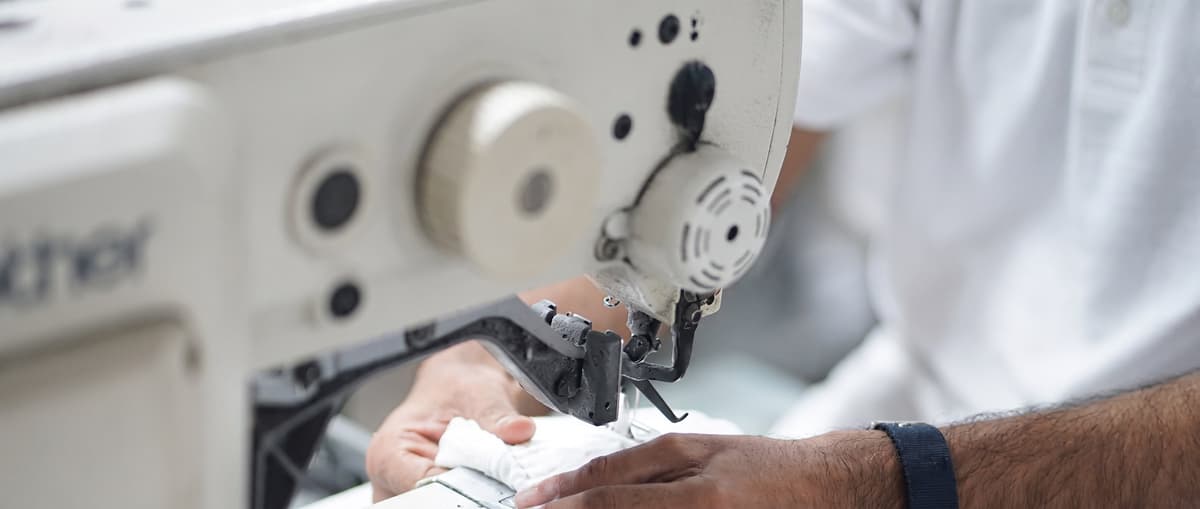
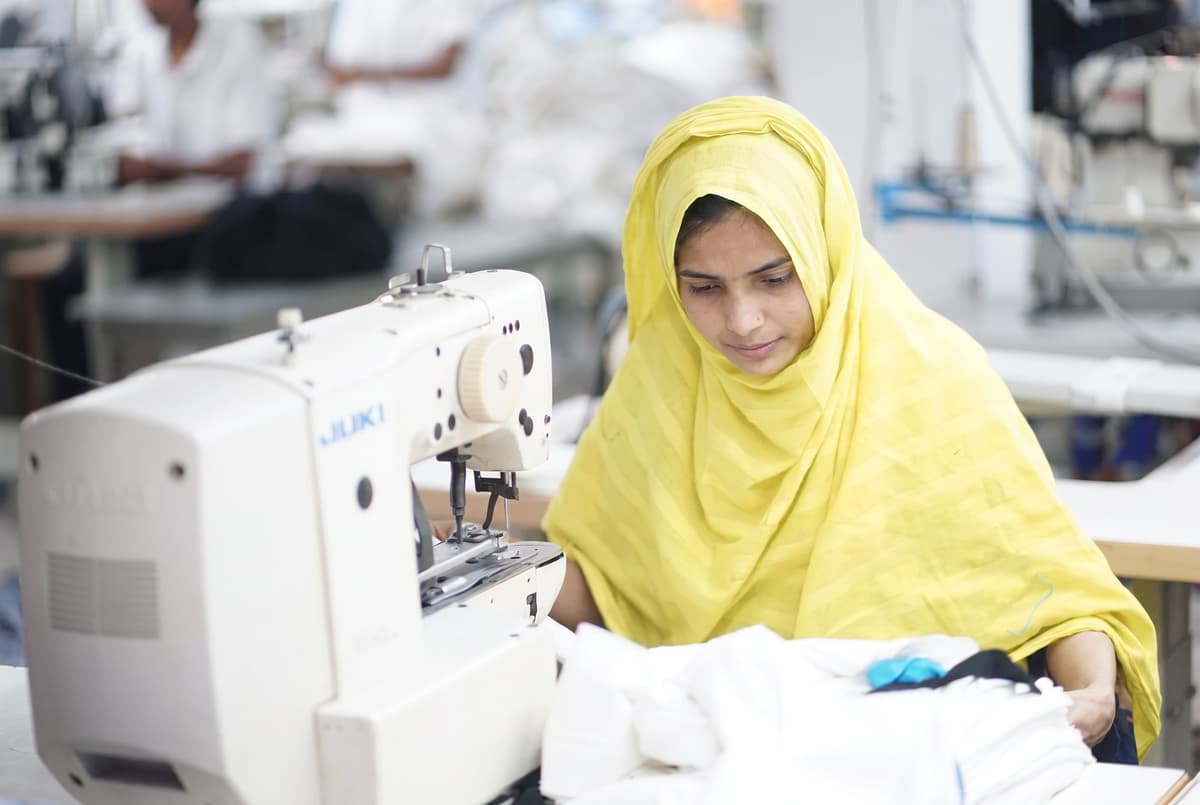
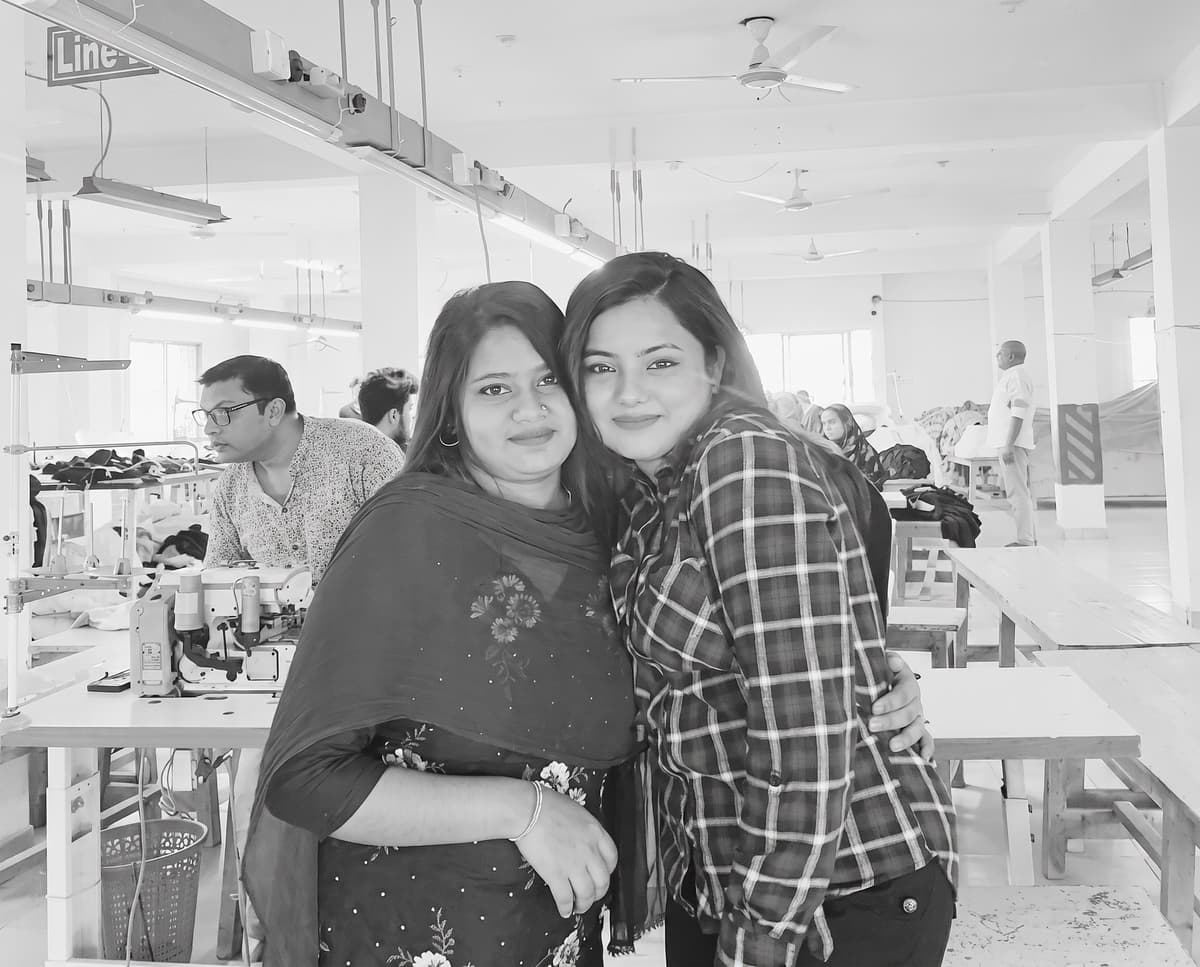
No, we make clothing in our own factory in Narayanganj, Bangladesh, and ship it to Swiss brands DDP. If your range needs production inside Switzerland, for a genuine "Swiss Made" claim for instance, a Swiss workshop is the right choice and we are not, and that is better settled before sampling than after. What we offer instead is knitwear cut and sewn to your spec from 150 pieces per style and colour, organic cotton available under our GOTS certification (RSC 9687), and a duty-free route, since clothing enters Switzerland at 0% from any origin. Our Amsterdam office works in Central European Time, the same as Zurich, Basel and Geneva, so design calls and sample approvals fall inside your working day rather than overnight. German-speaking founders can read this page auf Deutsch, and we reply within one business day.
How much is Swiss import VAT on clothing, and who pays it?
Swiss import VAT on clothing is 8.1%, the standard rate published by the Federal Tax Administration (read 27 Sep 2026). The base is wider than the factory price. Swiss customs (BAZG) charges it on the price paid plus all costs incurred as far as the destination in Switzerland, including packaging, insurance, transport and customs clearance. So if the goods, freight and clearance for 500 tees come to $3,000 delivered to your Swiss address, the VAT is about $243, with no duty line beside it. Clothing does not qualify for the reduced 2.6% rate, which covers food, medicines, and books and newspapers. Formally the importer carries the VAT liability, but under DDP we handle clearance and the VAT, and it is included in the price we quote before you commit. If your company is registered for Swiss VAT, tell us at quote stage, and we'll confirm what actually applies to your structure.
Can a Swiss brand order just 150 pieces?
Yes. Our minimum is 150 pieces per style and per colour, so a Swiss brand can launch one tee in one colourway at 150 pieces, or test the same tee in German- and French-speaking Switzerland with a different colourway in each at 300. A first run of two or three styles in one or two colours comes to 300 to 900 pieces. Label languages do not change that count, because the minimum is set by style and colour alone, so a bilingual care label for both regions adds nothing to the run. Switzerland makes a small run simpler to cost than most markets: there is no import duty to spread across the pieces, and the only tax to add is 8.1% import VAT on the delivered value. That leaves the colour count as the main lever on your first order. Our free MOQ calculator turns your styles and colours into a piece count before you ask for a quote.
Should a Swiss brand manufacture in Switzerland, Portugal or Bangladesh?
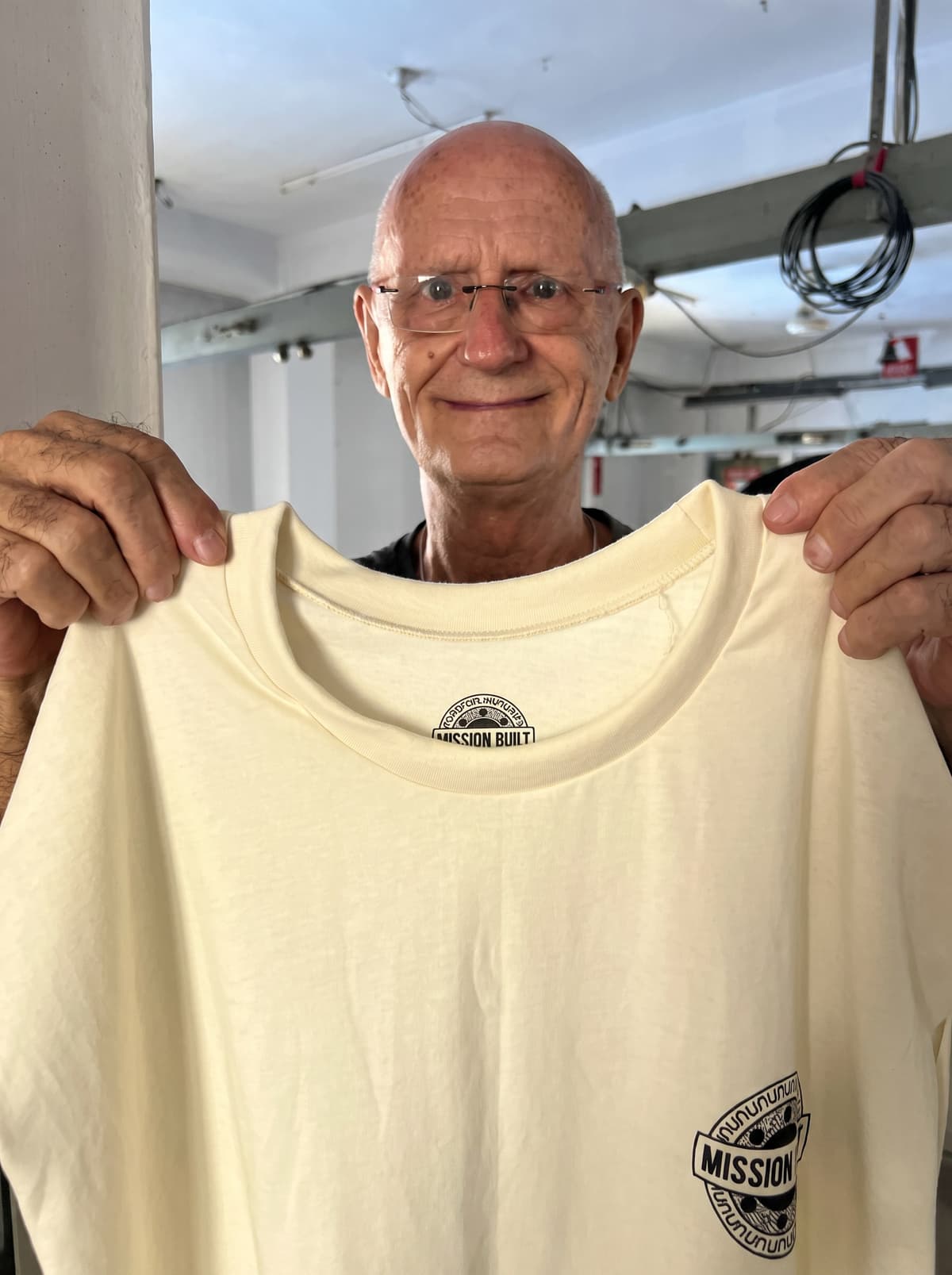
Choose on minimums, fabric and working method, because duty does not separate them: since 1 January 2024 clothing enters Switzerland at 0% from every origin, so a Portuguese workshop has no tariff advantage over a factory in Bangladesh, and the same 8.1% import VAT applies to both. A Swiss atelier is the answer if your brand rests on a "Swiss Made" claim, or if you want to stand beside the machine while your range is sewn. Portugal's northern cluster suits short runs that change often, woven pieces and quick re-cuts, as our Portuguese brands page says. We fit knitwear at volume: tees, hoodies, joggers, activewear and loungewear cut and sewn to your spec from 150 pieces per style and colour, with organic cotton available under our GOTS certification, RSC 9687, and every order checked by Walter Meyer, our QC lead with 38 years' experience. Our low-MOQ page explains how our minimum compares with smaller ones.
Do I need a certificate of origin to import clothing into Switzerland?
Usually not, if the clothing stays in Switzerland. Since 1 January 2024, SECO states that proof of origin is no longer required for imports of industrial products when it is clear at import that they will remain in Switzerland (read 27 Sep 2026). With the rate at zero for every origin, there is no preferential rate to claim either. SECO names two cases that still need proof of preferential origin: goods re-exported unchanged, and goods where origin accumulation is intended. For a clothing brand the usual trigger is re-export, for instance if you plan to sell part of a run on to EU stockists from a Swiss warehouse, because those goods then meet another market's rules. A Swiss bonded warehouse is a separate question, because the VAT treatment is different there. Tell us your route at quote stage, whether every piece stays in Switzerland or some move on, and we'll confirm what applies to your structure before the goods ship.
How long does delivery to Switzerland take?
Sampling takes about ten days, bulk production forty to fifty days once the pre-production sample is approved, then freight on top. Switzerland is landlocked, so sea freight lands at a European port — typically Rotterdam, Antwerp or Genoa — before continuing to you by rail or road, which adds a few days over a country with its own port but is still meaningfully cheaper than air. Air freight routes direct to Zurich or Basel and adds roughly five to eight days door to door, and suits a launch date or a first order where speed matters more than cost. The inland rail or road leg from the port to your address is part of the same DDP shipment, not a second booking for you to arrange, and BAZG clearance at the Swiss border is handled on our side, so you pay one agreed delivered price. From order to your door, plan on about 70 days by air.
Will LDC graduation raise duty on Bangladeshi clothing in Switzerland?
No. On clothing, Switzerland no longer has a preference for Bangladesh to lose. Before 2024, Bangladeshi clothing entered Switzerland duty-free under Switzerland's own GSP scheme for least-developed countries, so graduation would have mattered here as it does in the UK, EU and Canada. The reform that took effect on 1 January 2024 then set duty on industrial goods, apparel included, to zero for every country of origin. Graduation is now scheduled for 24 November 2029, after the UN General Assembly granted Bangladesh's request for a three-year extension on 29 October 2026. Whatever the date, a rate that is already zero for everyone stays zero, so graduation adds no duty scenario to a Swiss plan. If you also import into the UK or EU through a second company, model those separately, because the preference matters there; our LDC graduation guide covers both.
Which languages should clothing labels be in for Switzerland?
Label in the languages of the regions you sell in: German for most Swiss buyers, and French or Italian as well if you sell in Romandie or Ticino. Switzerland has four national languages, German, French, Italian and Romansh, and German is the main language for more than 60% of the population, according to the Federal Department of Foreign Affairs (read 27 Sep 2026). If your stockists span German- and French-speaking cantons, plan a bilingual care label from the first run rather than reprinting later. Swiss labelling law is outside what we advise on, so confirm any legal requirement with your retailer or a Swiss adviser. If part of the run goes on to EU shops, the EU's own fibre-labelling rules apply there, and our European brands page sets them out. Our floor sews care labels in whatever languages and symbol sets you specify, so send us your regions and countries before the artwork is final.
Will my Swiss order pay EU duty or VAT when it lands in Rotterdam or Genoa?
No, as long as it stays in transit. A container bound for Switzerland is not cleared at the EU port where it lands: it moves on under the common transit procedure, which Swiss customs says is used across Switzerland and the EU countries for uncleared goods. The European Commission explains that transit temporarily suspends the duties and taxes that apply at import, and Swiss customs asks for a guarantee that secures them while the goods travel. Clearance then happens once, at the Swiss end, where clothing pays 0% duty and 8.1% import VAT. What changes this is releasing the goods into free circulation in the EU on the way, for instance by delivering them to a German warehouse first, because they then become an EU import, with import VAT due in the member state where they are cleared. If you plan an EU stopover, tell us at quote stage so the route and the paperwork match.
What should a Swiss brand send us to get a DDP quote?
Six things give us what a Swiss DDP quote needs. First, your styles and colours, because the minimum is 150 pieces per style and per colour. Second, the fabric, with its weight in GSM if you know it, or a reference garment we can match; organic cotton, made in our GOTS-certified facility (RSC 9687), is available. Third, the delivery address, since the inland leg from the port and the clearance follow from it. Fourth, whether every piece stays in Switzerland or some go on to EU stockists, which decides whether proof of origin is needed. Fifth, whether your company is registered for Swiss VAT. Sixth, the label languages for your regions, German, French or Italian, so care labels are right on the first run. You need no tech pack to start: our free template shows what to include, or we build one with you. Send it all through our contact form.