Duty-free under Norway's own GSP
Norway's GSP scheme grants 0% duty to LDC-origin apparel, including Bangladesh, independent of what happens in the EU. Norway's standard MFN rate runs around 10.7% for comparison.
Premium knitwear manufacturing for Norwegian brands — duty-free under Norway's own GSP scheme for least-developed countries, low MOQ from 150 pieces, and DDP so Norway's 25% VAT is the only line item you have to plan around.
Or message the factory directly: WhatsApp +880 1980 055026 · hello@collectivestudioltd.com · Homaira replies within one business day.
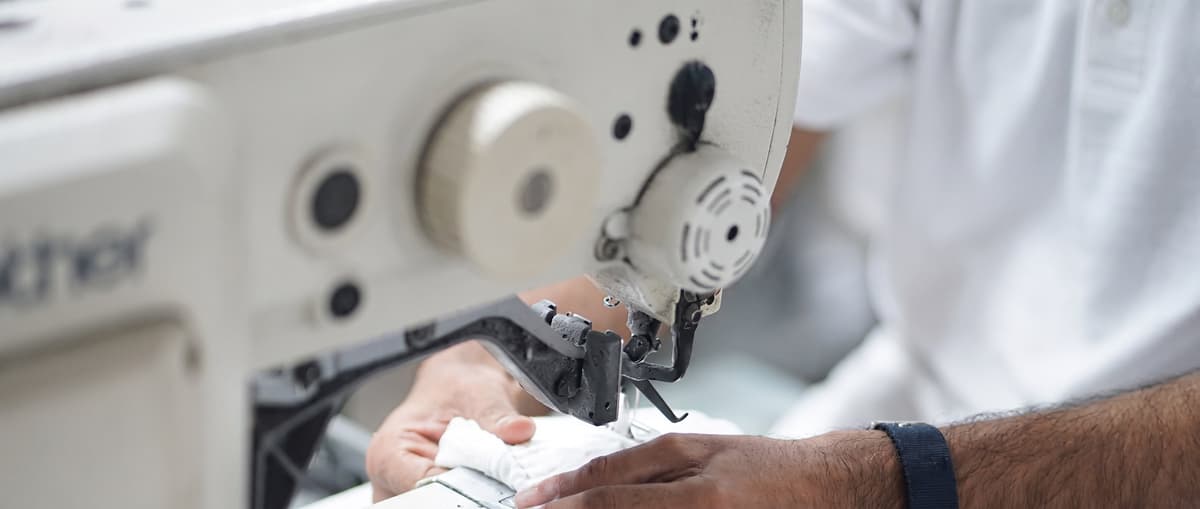
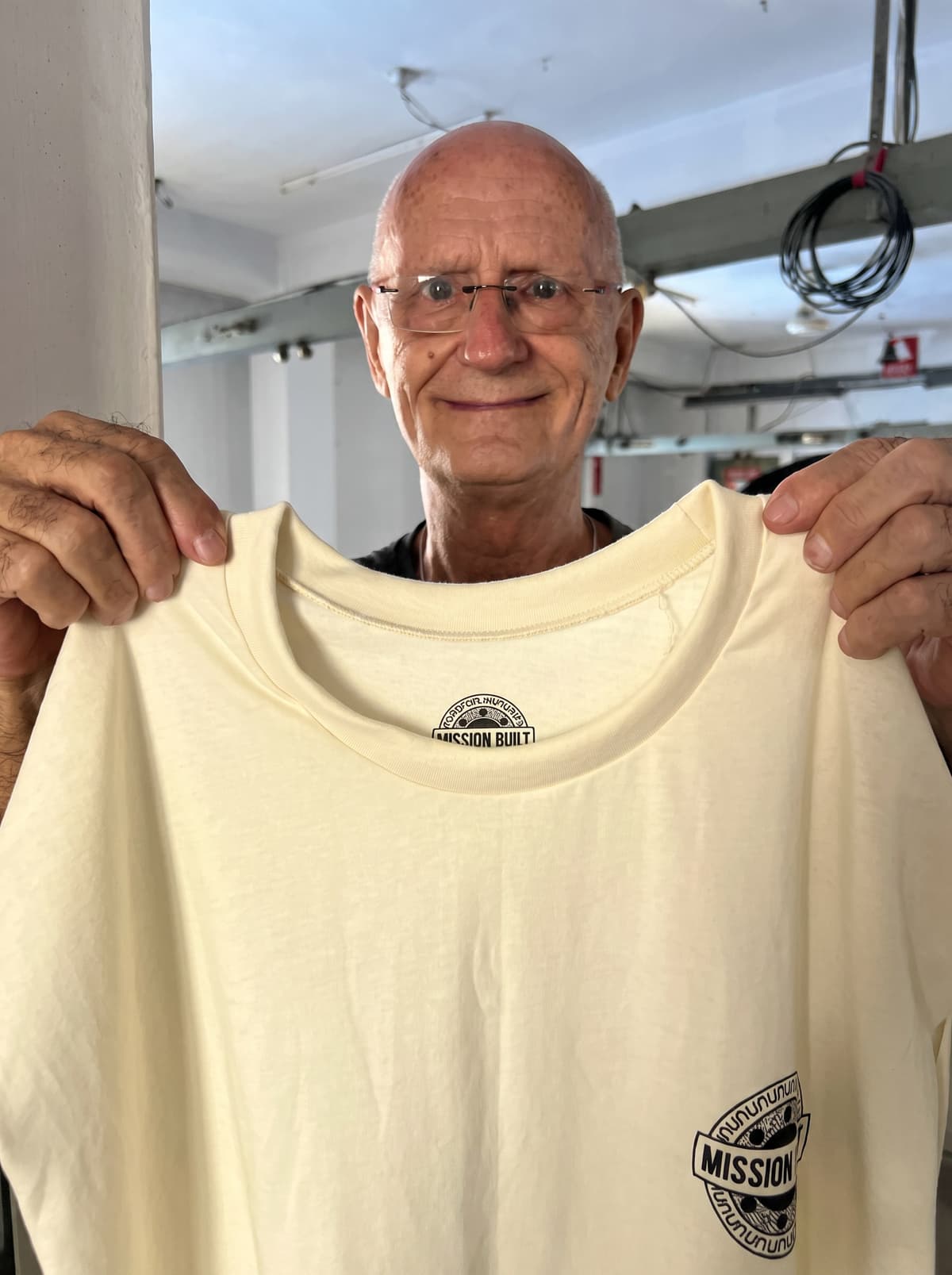
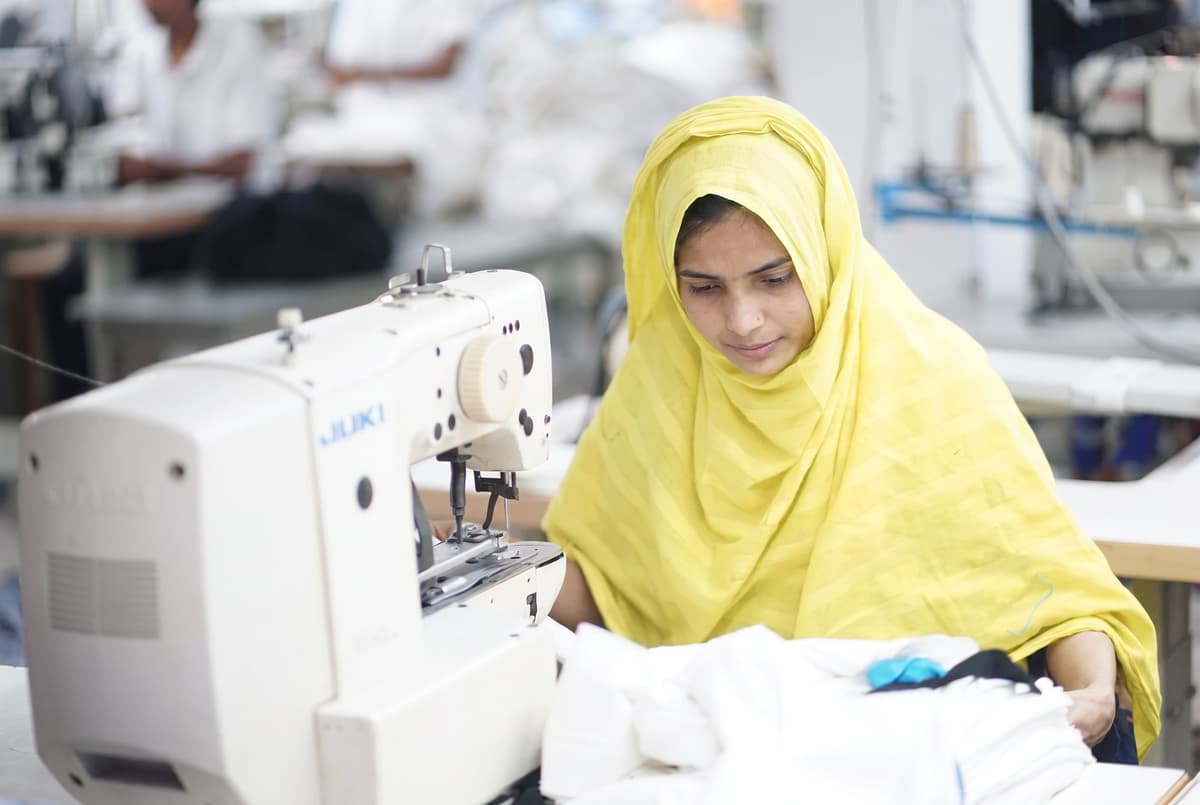
Made by our own team in Narayanganj. See the floor ↓Client reviews on Google ↗GOTS certificate RSC 9687 →
Norway isn't in the EU, and its trade rules for Bangladesh-made clothing run on a completely separate track from the EU page you may have already read. Norway operates its own Generalised System of Preferences (GSP), administered by Norwegian Customs (Tolletaten), and it grants duty-free, quota-free access to goods from least-developed countries — apparel and textiles explicitly included, not just raw materials. A clothing manufacturer for Norwegian brands sourcing from an LDC like Bangladesh currently pays 0% duty on the way into Norway.
Without that preference, the number is real and worth knowing: Norway's standard tariff on clothing runs around 10.7%. Bangladesh is scheduled to graduate from LDC status on 24 November 2029 — three years later than first planned (see below) — and what happens to Norway's preference at that point is a fair question to ask before you commit to a supply chain, not after.
There's a real update worth knowing: Bangladesh asked the UN in February 2026 to push graduation back; the UN Committee for Development Policy said an extension would be appropriate provided Bangladesh makes significant progress on domestic reforms during the extension, and in July 2026 the Economic and Social Council referred the request to the General Assembly. On 29 October 2026 the General Assembly granted it, so graduation is now scheduled for 24 November 2029. The date is now settled, and we will update this page if Norway or the UN announces any further change.
Norway's VAT is genuinely one of the higher standard rates among the markets we ship to — 25%, charged on the customs value at the border. On 500 tees at a US$6.00 customs value (US$3,000 total), that's US$750 in VAT and currently nothing in duty. We won't undersell that number: it's a real cost of the Norwegian market, and we'd rather you saw it here than discovered it later. We ship DDP so it's inside one landed cost before you commit, from a genuine 150-piece minimum with organic fabric available, sewn in our GOTS-certified facility. If you need sub-150-piece sampling runs, say so early and we'll tell you plainly whether that changes the maths.
Norway's GSP scheme grants 0% duty to LDC-origin apparel, including Bangladesh, independent of what happens in the EU. Norway's standard MFN rate runs around 10.7% for comparison.
Launch or test in the Norwegian market with 150 pieces per style, per colourway.
Norway's VAT is genuinely high among the markets we ship to. We quote it inside one landed cost before you commit, not as a border surprise.
Organic cotton available under our GOTS certification (RSC 9687), inspected by our own QC lead before it ships.
Wonderful people to work with — very professional and knowledgeable, also accommodating to the needs of their customers.
I have had a very good experience with this company. They are very friendly, professional, and provide fast service. They speak fluent English, which makes communication very easy. The quality of their manufacturing is excellent. I have no doubt in recommending this company to anyone looking for a reliable manufacturing partner in Bangladesh.
Collective Studios under the direction of Mr Jamish and his daughter Homaira represent the future of RTW production in Bangladesh. A thorough approach to detail governed by a genuine standard of quality. Masters of and partners in the process!
Best supplier! On time, reliable and perfect craft.
No: clothing made in Bangladesh currently enters Norway duty-free under Norway's own GSP scheme for least-developed countries. Norwegian Customs lists Bangladesh in that scheme, and the preference covers apparel, not just raw materials. It runs separately from anything you may have read about EU imports: Norway is outside the EU and sets its own tariff, so the EU's Everything But Arms rules do not apply here. Without the preference, Tolletaten says most clothing pays 10.7% duty. On a consignment with a dutiable value of US$3,000, that would be about US$321, and because Norway adds duty to the VAT base, the 25% VAT would rise by roughly US$80 as well. Three things keep the duty at zero: the garments must meet Norway's GSP rules of origin, carry a valid proof of origin, and reach Norway unaltered; the question on proof of origin below explains the last two. We quote DDP, so any duty and the VAT appear in one price before you commit.
We ship clothing to Norway; we do not manufacture there. Collective Studio makes knitwear on its own family-run cut-and-sew floor in Narayanganj, Bangladesh, and Norwegian brands receive their orders DDP. If your label needs to say made in Norway, or you want to drop in on your production between meetings in Oslo, a maker inside Norway is the better fit, and it is better to hear that before sampling starts. What making in Bangladesh gives a Norwegian brand instead is a cost route Norway's own trade rules support: Bangladesh-made clothing currently enters duty-free under Norway's GSP scheme, where most clothing otherwise pays 10.7%, and our DDP quote includes Norway's 25% VAT, so both are inside one landed price before you commit. Organic cotton is available under our GOTS certification, RSC 9687. Our Amsterdam branch at Soetendaal 61 works on the same clock as Oslo, so calls with the team are easy to arrange during your working day.
You pay 25% VAT on clothing imported into Norway, the general rate for 2026 according to Skatteetaten, whether or not any duty applies. The base is wider than the invoice price: Norwegian Customs adds shipping and insurance up to the Norwegian border, plus any duty and other import taxes. On 500 tees valued at US$6.00 each at the border, US$3,000 in total, VAT comes to US$750 and duty to nothing, because Bangladesh-made clothing currently enters under Norway's GSP. The rate is not unusual for the Nordics, since Sweden and Denmark also charge 25%, but it sits above the UK's 20% and far above Switzerland's 8.1%. Sea freight to Norway lands at a European port first, and because the freight from that port to the Norwegian border is part of the base, it is taxed too. Our DDP quote already includes it, so the VAT is worked out in one landed price before you commit.
Yes: a Norwegian label can start at 150 pieces per style and per colour, and that minimum stays the same once you enquire. Each extra colourway is another 150 pieces with its own fabric and dye lot, so a first run with few colours keeps the order small. After that, the arithmetic for a Norwegian brand is unusually simple while Norway's GSP preference lasts: with 0% duty on Bangladesh-made clothing, the landed cost of a 150-piece run is manufacturing and freight plus the 25% VAT. At that rate, every US$1,000 of goods at the border carries US$250 of VAT and no duty, where most clothing without the preference would pay 10.7% on top. The origin paperwork that keeps duty at zero is covered in the proof-of-origin question below. If you need a sub-150-piece sampling run to test the Norwegian market, say so early and we will tell you plainly whether it changes the maths. Our free MOQ calculator models your styles and colours.
Norwegian Customs requires a REX statement on origin for GSP clothing from Bangladesh. Form A is used only for goods from China and Guatemala. The exporter making out the statement must be registered in the REX system, except where the goods are worth no more than EUR 6,000, when an unregistered exporter may make it out. Where the consignment is re-sent from the EU, Türkiye or Switzerland, a REX replacement statement issued there by the re-exporter carries the origin on. The route matters because sea freight to Norway lands at a European port first. Tolletaten allows transit through other countries as a single shipment, with storage under customs control, but nothing may be done to the goods beyond keeping them in good condition, and goods cleared into free circulation in another country lose their origin. Without valid proof, the garments pay ordinary Norwegian clothing duty. Ask us to confirm on your quote which origin statement your consignment will carry.
Bangladesh is scheduled to graduate from LDC status on 24 November 2029, and what Norway does with its own GSP preference at that point is a genuine open question we haven't seen a specific Norwegian government commitment on, unlike the UK's named DCTS Enhanced Preferences tier. That date has moved: Bangladesh asked the UN in February 2026 to push graduation back; the UN Committee for Development Policy said an extension would be appropriate provided Bangladesh makes significant progress on domestic reforms during the extension, and in July 2026 the Economic and Social Council referred the request to the General Assembly. On 29 October 2026 the General Assembly granted it, so graduation is now scheduled for 24 November 2029. If the preference ended without a replacement, most clothing would pay the 10.7% duty Tolletaten lists, and your DDP quote would show it before you commit.
Yes: we can give you concrete information to answer a Transparency Act request, not just assurances. The Act, in force since July 2022, requires larger enterprises resident in Norway, or selling and taxable there, to carry out due diligence on human rights and working conditions, publish an annual account, and answer information requests within three weeks; the Consumer Authority supervises it. Larger means exceeding two of three thresholds: NOK 70 million in sales, NOK 35 million on the balance sheet, or 50 full-time employees. Many new labels sit below that, but the retailers stocking them may not, and can pass the questions down to you. What we can give you: our factory address to publish, Plot-A-132, Road No. 02, BSCIC Industrial Area, Panchabati, Narayanganj 1420, Bangladesh; pre-arranged visits or a live video walk-through of the floor; the GOTS scope certificate for RSC 9687 on request; and a clear line between our own cut-and-sew floor and the partner mills that knit and dye your fabric.
Sampling takes about ten days, bulk production forty to fifty days once the pre-production sample is approved, then freight on top. Sea freight lands at a European port — typically Rotterdam or Hamburg — before continuing to Norway by feeder vessel or road, adding a few days over a country with more direct routing, but still meaningfully cheaper than air. Air freight adds roughly six to nine days door to door and suits a launch date or a first order where speed matters more than cost. On the sea route, the stop at the EU port matters for duty as well as for time: Norwegian Customs grants the GSP 0% only when goods arrive unaltered, so they should stay under customs control while in transit. Whichever mode you choose, we ship DDP, so clearance and the 25% Norwegian VAT are handled on our side, and you receive one landed cost and one delivery. From order to your door, plan on about 70 days by air.
Trade and regulatory details on this page last verified 19 September 2026. Tariff and compliance terms change — ask us to confirm the current position for your order.
Whether it’s a large bulk or wholesale run or your first batch of 150, send a sketch, a reference, or a sentence. We’ll reply within one business day with fabric options and an indicative price.
Or message the factory directly: WhatsApp +880 1980 055026 · hello@collectivestudioltd.com · Homaira replies within one business day.