12% duty, not 5% — worked, not waved at
Saudi apparel duty is 12%, not the generic 5% GCC rate people quote. On 500 tees at $6 landed cost, that's $360 duty + $504 VAT on top — $864 total, about 29% added.
Premium manufacturing for Saudi Arabian brands — low MOQ from 100 pieces, the real Saudi duty and VAT worked out with a number, and DDP so nothing arrives as a surprise invoice.
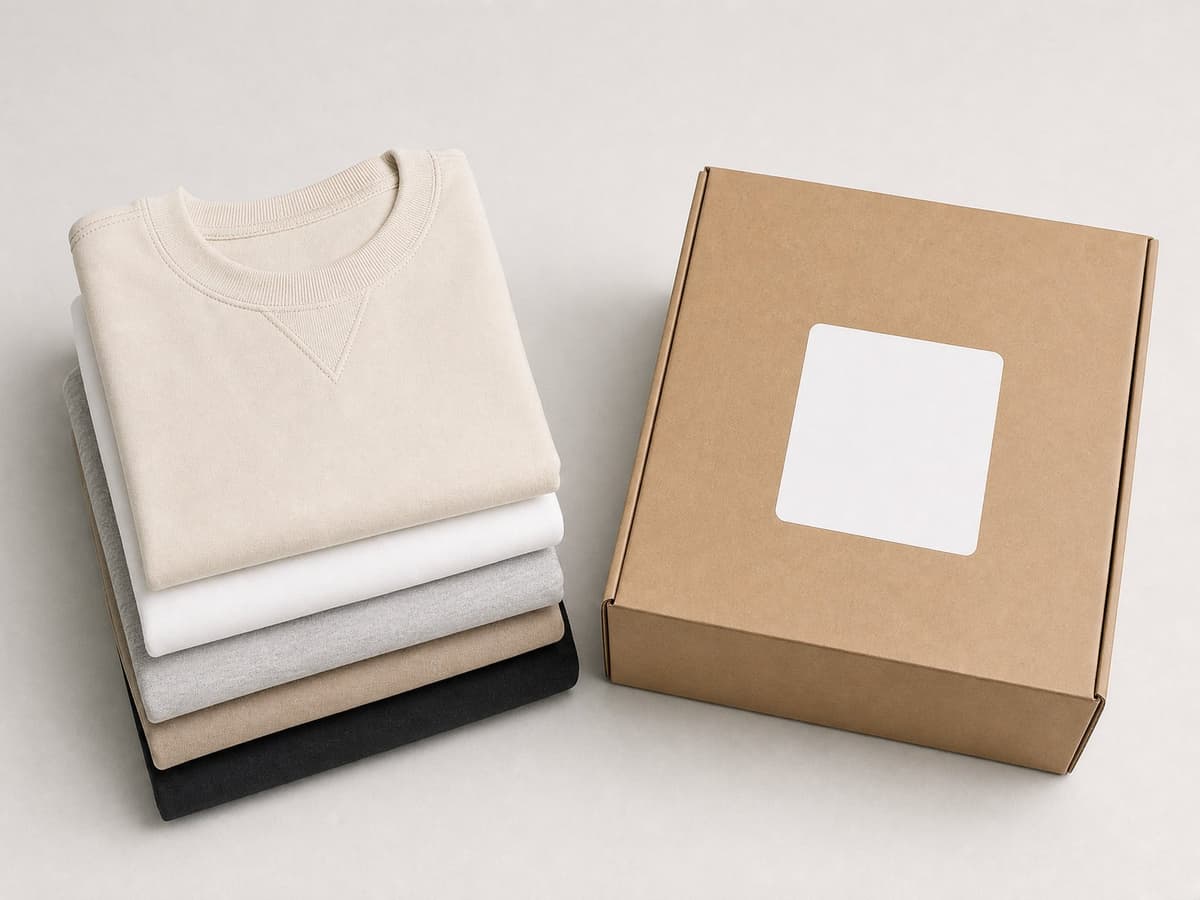
Search "clothing manufacturer Saudi Arabia" and most of what comes up is a trading company reselling someone else's production, or a directory listing with no real numbers on it. We're a working factory in Narayanganj, Bangladesh — not an agent — and we've recently started shipping to Saudi Arabia directly. What a Saudi founder actually needs to know before ordering isn't a sales pitch, it's the real landed cost, because that's the number most quotes quietly leave out.
Here's the part most pages get wrong: Saudi Arabia is not the flat 5% GCC tariff you'll read about elsewhere. Textiles and apparel sit in the category that gets a higher rate because they compete with local production — 12% customs duty, not 5%. On top of that, 15% VAT is charged on the duty-inclusive value, not just the product price, per ZATCA's published method. Worked through on 500 tees at a $6.00 landed manufacturing cost ($3,000 total, roughly SAR 11,250 at the fixed 3.75 peg): duty is 12% of $3,000 — $360 / SAR 1,350. VAT is then 15% of the duty-inclusive value, $3,360 — $504 / SAR 1,890. Total tax added: $864 / SAR 3,240, roughly 29% on top of the base cost. That's the number a quote that only mentions "5% GCC tariff" is hiding from you.
We ship DDP — delivered duty paid — so that $864 isn't a bill that finds you three weeks after your shipment lands. It's in the number we quote before you commit. Where we're not the right fit: if you're structured through a UAE free zone specifically to re-export duty-free, or you need sub-100-piece sampling runs, say so early and we'll tell you plainly whether that changes the maths. Where we are right: a genuine 100-piece minimum, GOTS-certified organic capability (certificate RSC 9687), and a landed cost you can actually plan a launch around.
Saudi apparel duty is 12%, not the generic 5% GCC rate people quote. On 500 tees at $6 landed cost, that's $360 duty + $504 VAT on top — $864 total, about 29% added.
Duty, VAT and freight are quoted inside one landed cost before you commit — not a customs bill that arrives after the shipment does.
Launch or test in the Saudi market with 100 pieces per style, per colourway, cut and sewn to your pattern.
If you're set up to re-export through a UAE free zone rather than importing directly into Saudi, the duty maths above may not apply to you — ask us and we'll tell you which route actually fits.

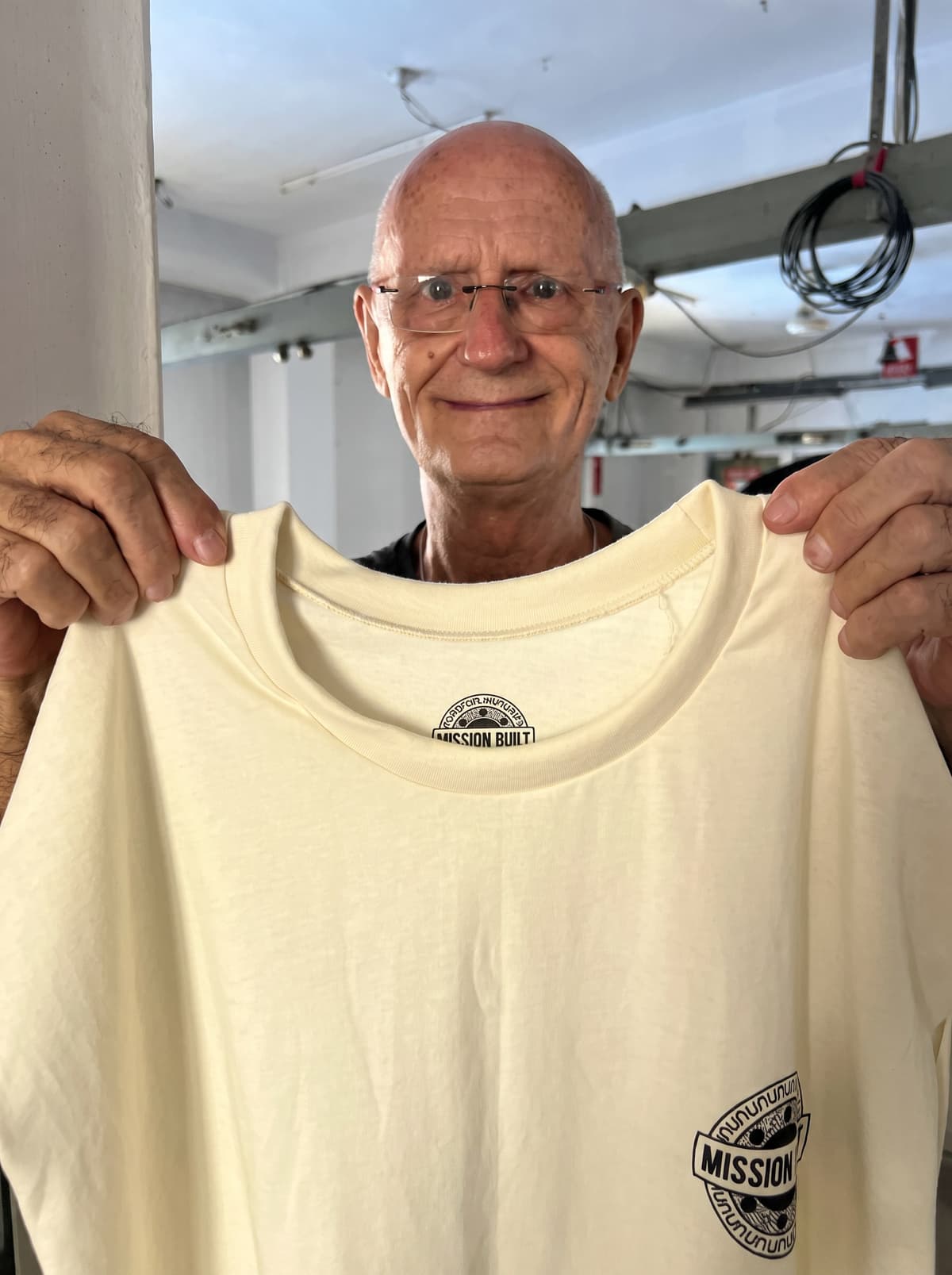
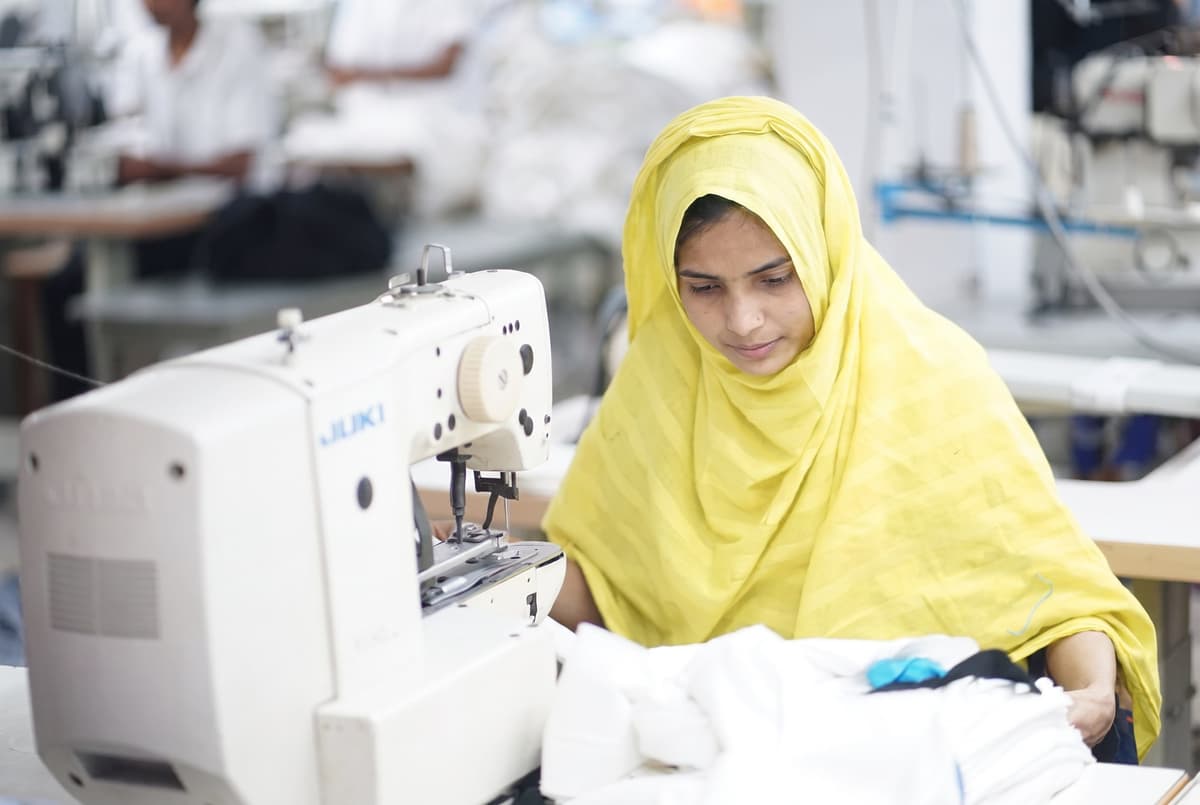
Collective Studio is up and coming. Very hard working people who want to please their customers and grow partnerships together. Homaira is very knowledgeable in the knit industry and always willing to learn more. We are looking to grow our business with them.
Talk to the factory directly: +880 1980 055021 · hello@collectivestudioltd.com
Two separate charges, and both apply. Customs duty on apparel is 12 per cent of the CIF value — cost, insurance and freight combined — higher than the 5 per cent generic GCC rate that most sourcing guides quote, because textiles sit in the category protected for local production. Then VAT at 15 per cent is charged on the duty-inclusive value, meaning you pay VAT on the duty itself, not only on the goods. Worked through on 500 tees at a $6.00 landed cost ($3,000 total, roughly SAR 11,250 at the fixed 3.75 peg): duty is $360 (SAR 1,350), VAT is 15 per cent of $3,360 which is $504 (SAR 1,890), for $864 (SAR 3,240) total — roughly 29 per cent added to the base cost. We quote DDP specifically so this number is in your price before you commit, not discovered at the border. Confirm the live rate for your exact product's HS code with ZATCA or a licensed customs broker before finalising, since classification affects the precise figure.
Because the 5 per cent figure is the GCC's general common external tariff, and apparel isn't in the general category. Since January 2025 all six GCC states — Saudi Arabia, UAE, Bahrain, Kuwait, Oman and Qatar — share one Integrated Customs Tariff, but individual product categories still carry different rates within it, and textiles are one of the categories set higher specifically because they compete with domestic manufacturing. That's the distinction most generic sourcing content misses: it quotes the headline GCC rate without checking the HS code for the actual product. For a Saudi buyer planning a landed cost, the number that matters is the apparel-specific 12 per cent, not the 5 per cent most pages lead with.
One hundred pieces per style, per colour — the same floor whether you're ordering for Riyadh, Jeddah, or anywhere else. For a Saudi first order, the number worth planning around isn't just the piece count, it's the landed cost including the 12% duty and 15% VAT explained above: a 500-piece order at $6 landed cost becomes roughly $3,864 (SAR 14,490) once tax is added, not $3,000. We quote that full number upfront rather than a factory price that turns into a customs surprise. If you're testing the market before committing to volume, one style at 100–300 pieces gives you a real read on demand without overcommitting to a shape of order that doesn't sell.
Ten to fifteen days for sampling, forty to fifty days for bulk once the pre-production sample is approved, then freight. Air freight to Saudi Arabia typically adds five to eight days door to door and suits a launch date or a first order where speed matters more than cost. Sea freight adds three to five weeks depending on the destination port, at a meaningfully lower cost — the sensible choice once a style is proven and you're reordering. We ship DDP, so customs clearance and the duty/VAT calculation above are handled on our side; you receive one landed cost and one delivery, not a factory invoice followed by a customs bill weeks later.
Many brands do, and it can change the maths entirely — which is exactly why we'd rather you ask than assume. Businesses structured through a UAE free zone (Dubai's JAFZA or DAFZA, for example) can often re-export across the wider Gulf region without paying import duty at the free-zone entry point, only at final destination if and when goods leave the zone for local sale. Whether that applies to your business depends on your actual legal structure and where your customers are, not just where you'd like to be based — it's a real question for a customs broker or your accountant, not something we'll guess at for you. Tell us your situation at quote stage and we'll tell you plainly whether the Saudi duty example above is the right one to plan around, or whether a UAE-routed quote makes more sense.
Trade and regulatory details on this page last verified 21 August 2026. Tariff and compliance terms change — ask us to confirm the current position for your order.
Whether it’s a large bulk or wholesale run or your first batch of 100, send a sketch, a reference, or a sentence. We’ll reply within one business day with fabric options and an indicative price.