Do you manufacture clothing in Japan, or just ship there?
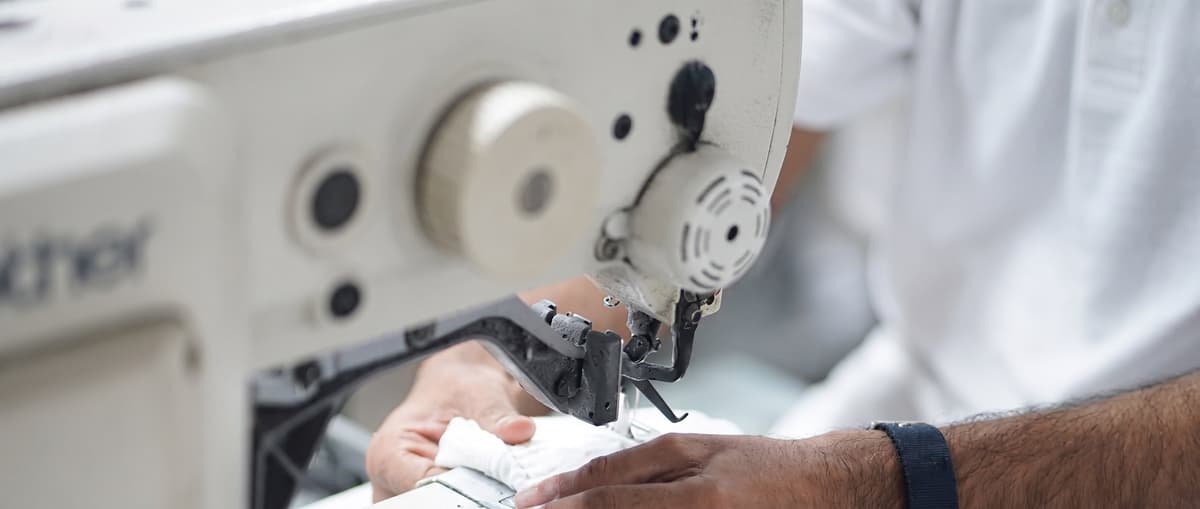
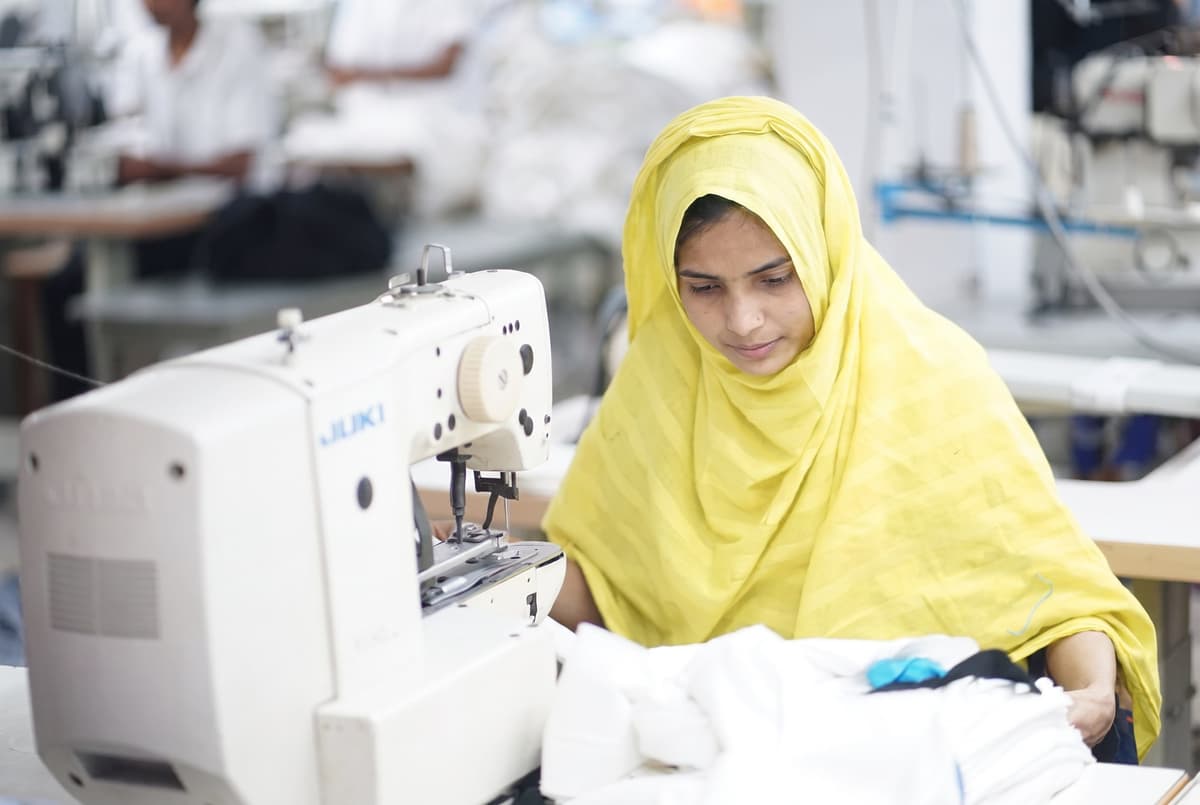
We ship there — we're not a Japanese production facility. Collective Studio manufactures in our own factory in Narayanganj, Bangladesh, and produces for Japanese brands, shipping DDP directly to you. If you specifically need production inside Japan itself, we're not the right fit, and we'd rather say that plainly than let the confusion sit. If what you're after is a reliable, duty-free sourcing route for a Japanese brand under the new EPA, that's exactly what we do.
Do I pay import duty on clothing from Bangladesh to Japan?
Under the Japan-Bangladesh Economic Partnership Agreement, signed 6 February 2026, ready-made garments enter Japan duty-free — this covers roughly 97% of Bangladesh's export basket, including the products on this page. That's a treaty, not a preference tied to Bangladesh's development status, so it doesn't expire when Bangladesh graduates from LDC status. Japan's 10% consumption tax still applies regardless of duty, and we ship DDP so that figure is inside your landed cost before you commit. As with any newly signed agreement, we'd recommend confirming the live implementation status for your specific HS code at quote stage, since certificate-of-origin procedures can lag a signing by weeks.
Why doesn't Bangladesh's 2026 LDC graduation affect my Japan import costs?
Because the EPA is a bilateral treaty, not a unilateral preference conditioned on Bangladesh's LDC status. Japan's GSP scheme for LDCs did previously extend duty-free treatment for a further three years past graduation before apparel would revert to roughly 9% duty — that was the live risk before the EPA. The EPA, signed 6 February 2026, replaces that time-limited preference with a negotiated treaty covering ready-made garments duty-free, which doesn't have a graduation-triggered expiry. Separately, there's also a live UN process that may push Bangladesh's actual graduation date to 24 November 2029, but for Japan specifically, the EPA means that date matters less than it does for markets still relying on GSP.
How much Japanese consumption tax will I pay, and who's responsible for it?
10% of the customs value, charged at the border — this applies regardless of the duty question above. On 500 tees at a $6.00 landed cost ($3,000), that's $300. Formally, the importer of record carries the consumption tax liability, typically you or your Japanese entity, not us — but we ship DDP, so it's calculated and folded into the price we quote before you commit, and we handle clearance rather than leaving you to settle it at the border.
What's your minimum order?
One hundred pieces per style, per colour — the same floor as every market we ship to. For a Japanese first order, most brands land on three to five hundred pieces across two or three styles, enough to justify a proper production run without the per-colour split working against you: three hundred tees in one colourway is a single fabric and dye lot, while a hundred each in three colours is three separate lots and prices accordingly. Since duty isn't currently a factor under the EPA, the main variable to plan around is the 10% consumption tax on top of the manufacturing cost. Our free MOQ calculator will size the run before you add it.
How long does delivery to Japan take?
Sampling takes about ten days, bulk production forty to fifty days once the pre-production sample is approved, then freight on top. Sea freight to Japan is comparatively fast given the shipping lanes between South and East Asia, typically landing at Yokohama, Tokyo or Osaka within three to four weeks of leaving Chattogram, often via a transshipment hub like Singapore or Colombo. Air freight adds roughly five to seven days door to door and suits a launch date or a first order where speed matters more than cost. We ship DDP either way, so consumption tax and clearance at the border are handled on our side.