How Long Does It Take to Manufacture Clothing?
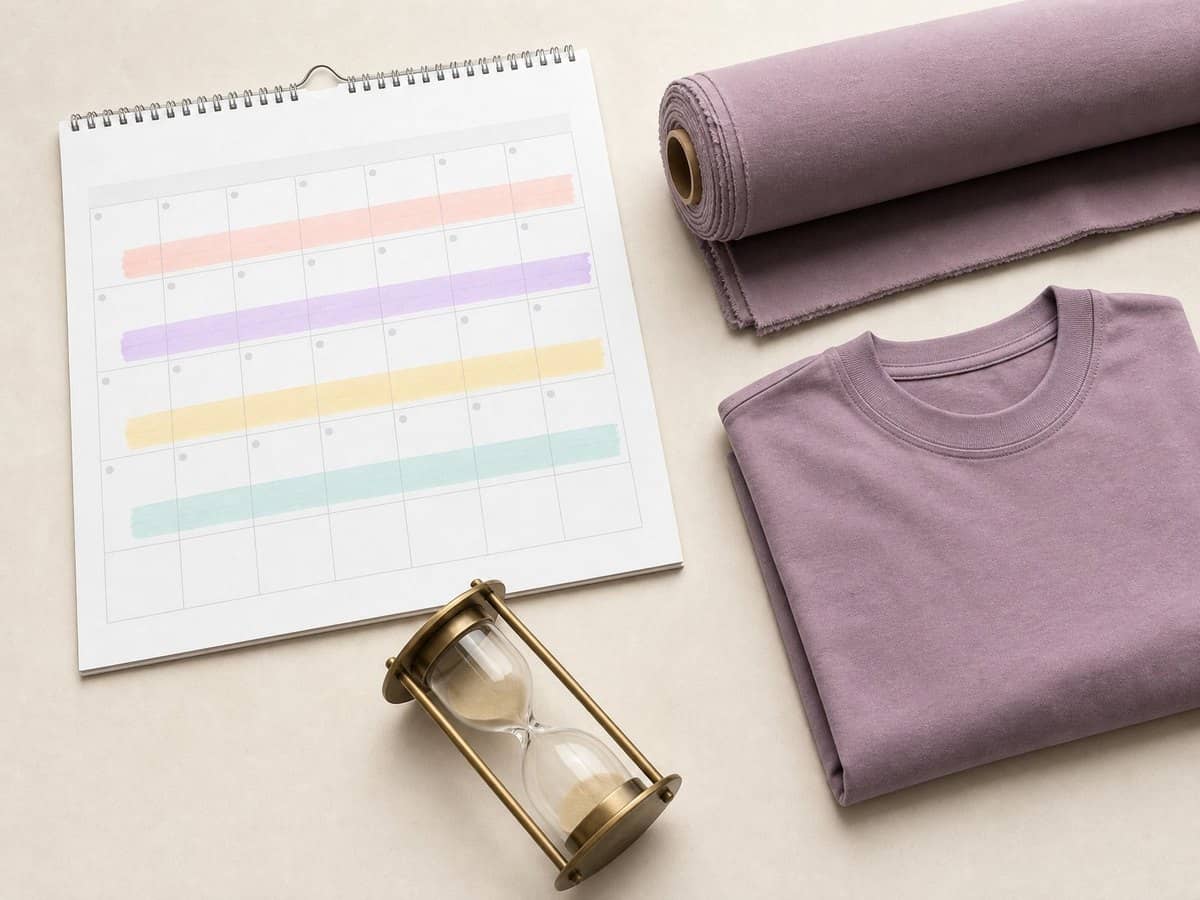
If you're planning a launch, lead time matters as much as cost. Here's a realistic timeline for manufacturing a small clothing run, and the things that speed it up or slow it down — drawn from how we actually run orders at our own knitwear factory in Narayanganj, Bangladesh.
The typical timeline
From the moment you sign off, a small knitwear run with us is around 40–50 days door to door. Here's exactly how that breaks down on our floor:
- Sampling — ~10 days to make and approve a physical sample (before sign-off).
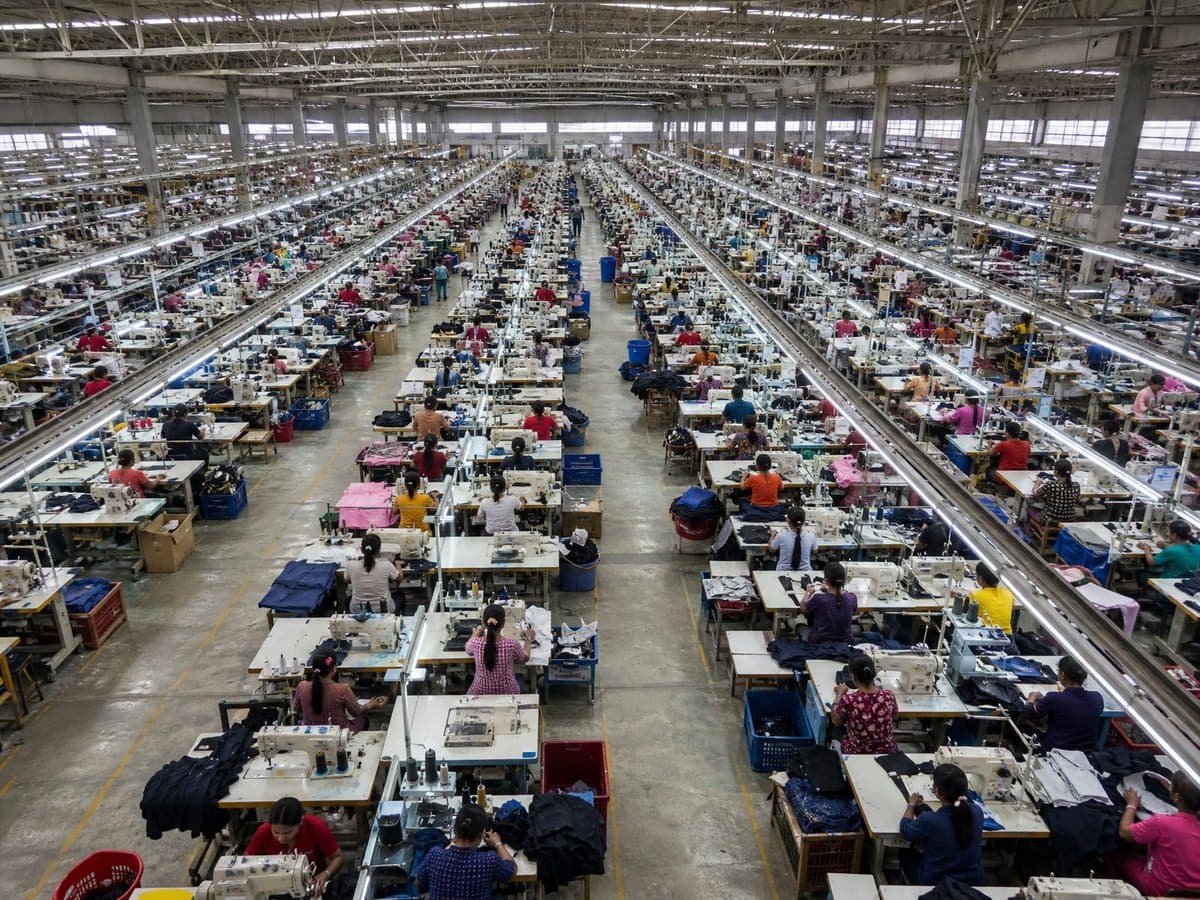
- Production — ~25–33 days for yarn, knitting, cutting, sewing and finishing, with end-to-end quality control by our QC lead Walter Meyer's team on every order.
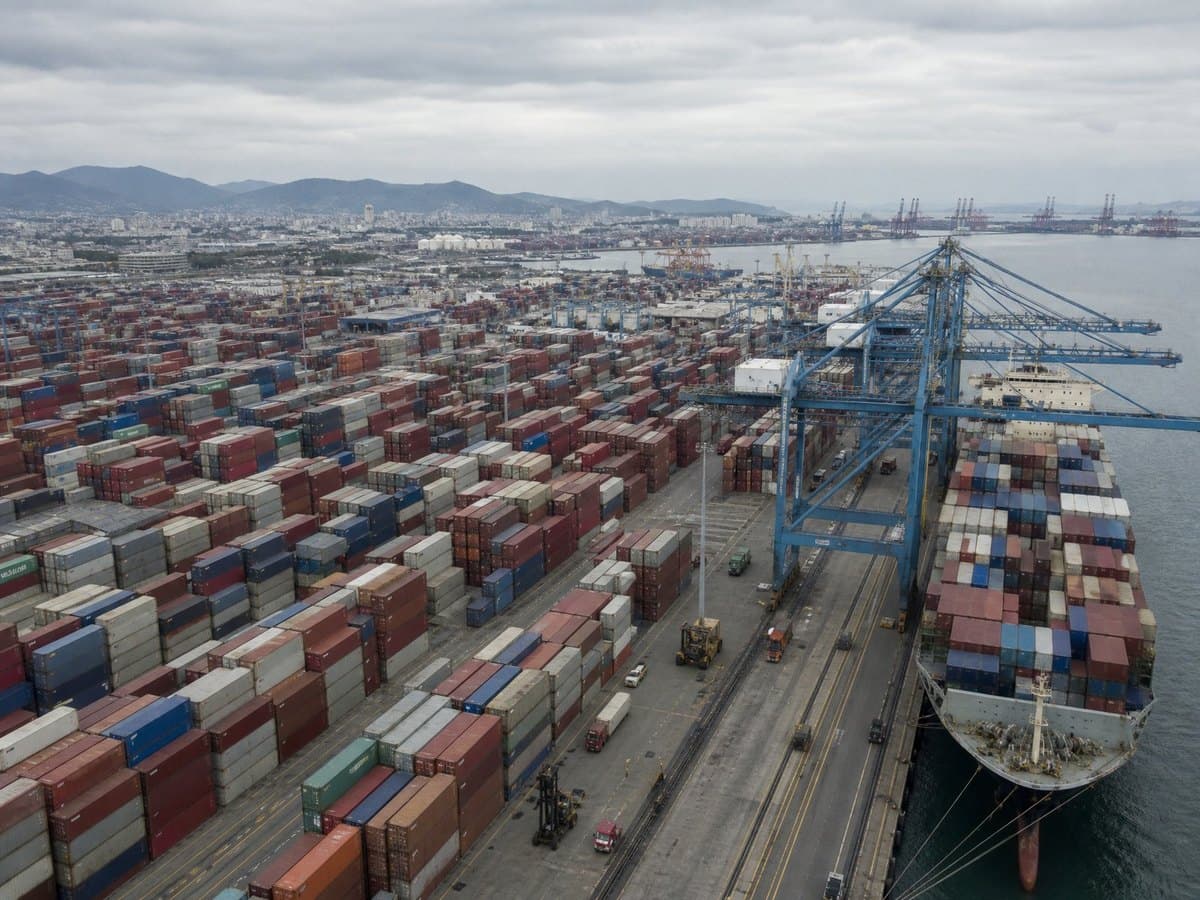
- Shipping — ~5 days by air, longer by sea, with DDP handling customs door to door.
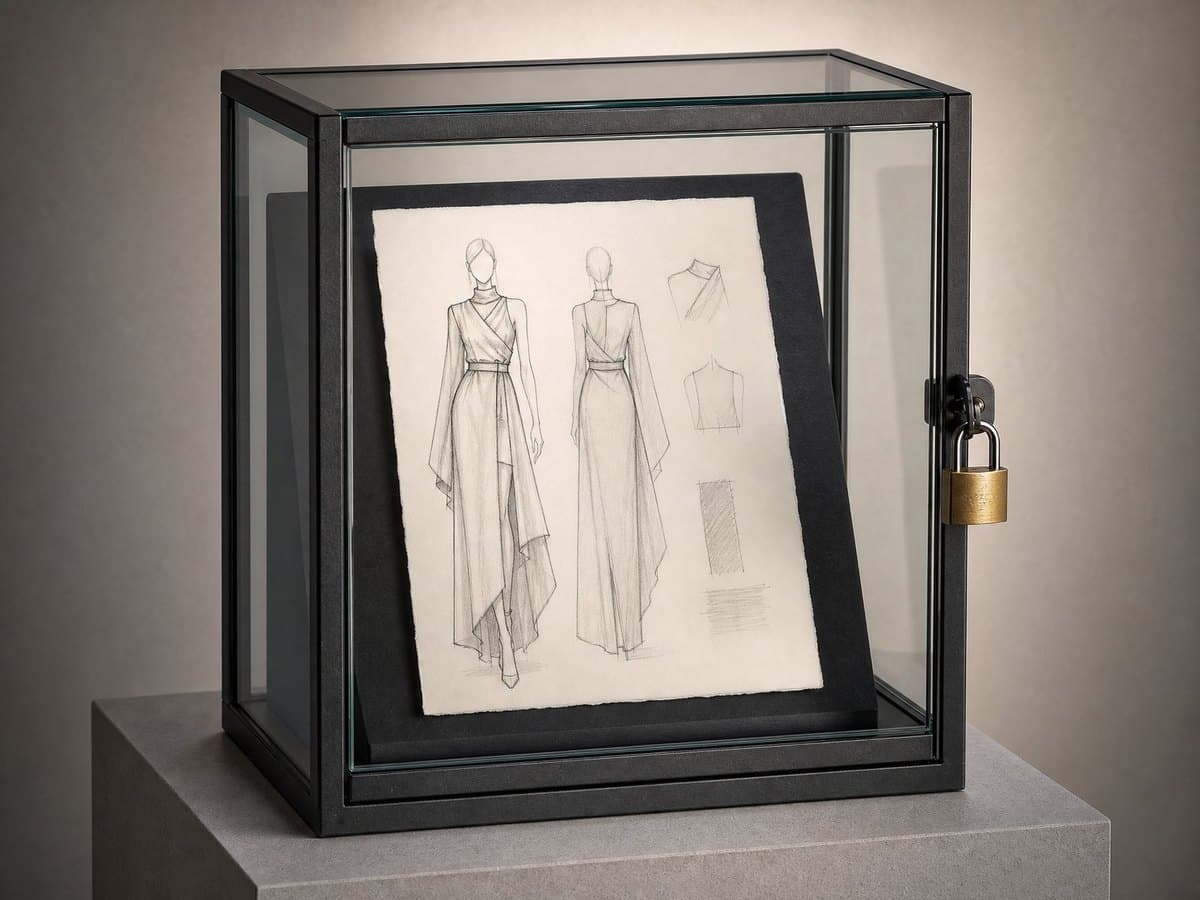
The part that varies most is the back-and-forth before sign-off — getting the sample exactly right. It's worth taking your time there, because bulk is matched against the sample.
What affects lead time
- Design complexity and number of components.
- Fabric availability (in-stock vs. milled to order).
- Decoration — prints, embroidery, and custom dyeing add steps.
- Order size, and how many sampling rounds you need.
Most delays don't happen in the factory — they happen waiting for the founder to approve the sample. Fast, clear decisions are the best way to hit your launch date.
Why the same garment quotes different timelines
Two factories can quote 40 days and 70 days for what looks like the same t-shirt, and both can be honest. The difference is almost never sewing speed — it is what sits around the sewing.
- Stock fabric versus developed fabric. A knit already on the mill’s shelf ships now. A custom weight or colour is made to order and adds weeks before cutting begins.
- Your colour count. Each colourway is a separate dye lot with its own minimum and its own approval cycle.
- Whether your pattern exists. A first order includes pattern making and grading; a repeat does not, which is why second runs are meaningfully faster.
- Trims. Custom woven labels, drawcords and hardware are sourced separately and frequently arrive last.
- Freight mode. Sea is three to six weeks; air is days and costs multiples. This single choice can move a delivery date more than anything on the factory floor.
First order versus repeat order
It is worth separating these because they are genuinely different timelines, and quoting the first one as if it were the second is how launch dates slip. A first order carries development — pattern, grading, sampling, lab dips, trim sourcing — which typically adds three to five weeks before production can begin. A repeat of an approved style skips almost all of it: the pattern exists, the sealed sample exists, the lab dips are on file, so you are largely waiting on fabric and line time.
The practical implication is that your second order is the one to plan a season around. Use the first to learn the true elapsed time for your specific product, then build your calendar on that number rather than on a general figure from a website.
How to hit your date
- Start with a clear brief or reference so the first sample lands close.
- Approve quickly and decisively.
- Keep the first design simple, then add complexity later.
- Plan backwards from your launch and build in buffer.
Working to a deadline? Tell us your launch date and we'll tell you honestly what's realistic. See how the whole process works on our services page, or start from our 100-piece minimum if you are testing a first style before committing to bulk.
Frequently asked questions
How long does it take to manufacture clothing?
Typically around 40 to 50 days from approved sample to delivery for a standard order, but that figure only covers part of the journey and planning from it is how brands miss launch dates. The full sequence runs: speccing and quoting, roughly 3 to 7 days; sampling, roughly 10 to 15 days including shipping the sample to you; your review and any revision round, which is entirely in your control; then bulk production of about 20 to 25 days; then final quality control and shipping. Custom fabric development, bespoke dyeing, or peak-season scheduling all add time on top. The practical advice is to work backwards from your launch date, add the full timeline rather than just the production window, then add a buffer — and place orders well ahead of industry peak periods when factory capacity tightens.
Why do clothing orders get delayed?
Fabric, nine times out of ten. Knit fabric is produced and dyed in lots, and if your colour needs a fresh dye run, nothing can be cut until it lands and passes shade approval. The second cause is slower and quieter: sample approval. Every day a brand sits on a fit sample is a day the factory cannot start, and that time rarely shows up in anyone's mental schedule. After those two, the usual suspects are trims arriving late — elastic, zips, custom labels are all bought in their own minimums from separate suppliers — and shipping congestion at peak season. What almost never causes delay is the sewing itself. If a factory tells you production slipped because the line was busy, ask what they were waiting for. The real answer is usually upstream.
How far ahead should I place a clothing order?
Work backwards from your launch date rather than forwards from today. Take your on-sale date, then subtract shipping and customs clearance, final quality control, bulk production of roughly 20 to 25 days, your own approval time, sampling of 10 to 15 days, and speccing and quoting at the start. For most standard orders that means starting conversations around three months before you want stock on hand, and adding a buffer on top, because one unexpected sample revision is normal rather than exceptional. If your product is seasonal, or you are producing ahead of a major retail period when factory capacity is heavily booked, start earlier and reserve capacity in advance. Brands that are consistently late to market are usually not badly served by their factory; they simply started the clock from the wrong point.
Where this applies
The manufacturing pages this guide relates to, if you are costing a real run.
Free tools & guides for this
Sources & further reading
Have an idea? Let’s make it.
We manufacture from 100 pieces per style, with GOTS-certified organic options and photos at every stage. Send a sketch or a sentence — we’ll reply within a day.