A yarn-winding hall at a partner mill
Rows of cotton yarn cones on winding machines in a partner mill's yarn-winding hall in Bangladesh, with a stack of cones carrying a lot ticket.
- Length
- 0:25, no sound
- Filmed at
- A partner mill in Bangladesh (not our own floor)
What you are seeing
Winding machines run yarn onto cones ready for knitting. The clip passes rows of machines and a stack of finished cones, one of them carrying a handwritten lot ticket.
Lot tickets like that one are what let a mill trace a fabric back to the yarn it was knitted from, which matters for any fibre claim, organic or otherwise.
Each winding position runs a large cream cone on top, and full cones are set out in a line along the base of the machine. Smaller packages in several colours sit at some positions, a flexible duct hangs between the machines, and a yellow line marks the walkway.
Cones from different yarn lots can differ slightly, and if they are mixed on one knitting machine the fabric can show faint horizontal bands, known as barré. When you check a bulk piece, hold the front up to the light and look for bands running across the body, and ask whether your order was knitted from a single yarn lot.
We cut and sew garments on our own floor in Narayanganj. Knitting and dyeing are done by partner mills in Bangladesh, and this footage was filmed at one of them.
What winding does
This footage comes from a partner mill; we cut and sew on our own floor, and the yarn for your fabric is spun, wound and knitted by partners. Spinning produces yarn on small bobbins, which hold too little to feed a knitting machine for long. Winding transfers it onto large cones like the cream ones in this clip, joining the ends of one bobbin to the next so the cone holds one long, continuous length.
Winding is also a cleaning step. As the yarn runs, modern winding machines check it and cut out faults such as thick and thin places, then join the ends again. That is why a well-wound cone knits more evenly than the bobbins it came from. Our guide to combed, carded and ring-spun cotton explains how the spinning before this stage shapes the feel of your fabric.
Lots, traceability and organic claims
Every batch of yarn carries a lot number, like the handwritten ticket in the clip, and that number follows the yarn into knitting. For an organic claim it is part of the chain: a garment described as organic cotton, made in our GOTS-certified facility (RSC 9687), relies on each stage being certified and each shipment between stages being documented, so the fabric can be traced back to its yarn. The guide to what GOTS certification means explains that chain.
The same records answer a newer question. The EU's planned digital product passport for textiles is built around exactly this kind of traceability, as our digital product passport guide sets out. A brand that keeps its lot and certificate records from the first order is ahead.
Keeping an order to one yarn lot
Yarn lots differ slightly in colour and thickness, even in undyed cotton. Knitted side by side on one machine, two lots can show as faint horizontal bands across the fabric. For a single colourway, the simplest protection is to knit the whole order from one yarn lot, which is easiest when the quantity is planned up front. If you expect to reorder, ask how much yarn from the same lot can be set aside, and read our guide to reorders and forecasting for how to plan the quantity.
Where this clip appears
- Low MOQ Clothing Manufacturer
- Low MOQ Clothing Manufacturer in Bangladesh
- Knitwear Manufacturer
- Sustainable Clothing Manufacturer
- Bekleidungshersteller für kleine Mengen
- Fabricant de vêtements en petite quantité
- Fabricante de ropa en pocas unidades
- Producent odzieży z niskim minimalnym zamówieniem
- 小ロット対応のアパレルOEMメーカー
- US Tariffs on Bangladesh Clothing 2026: Not 19%, MFN + 10%
- Combed vs Ring-Spun vs Carded Cotton: Which Is Softer?
A yarn-winding hall at a partner mill: questions brands ask
Can barré be fixed once the fabric is knitted?
No. Barré is built into the fabric, and nothing after knitting reliably removes it. The bands come from differences in the yarn itself, in its thickness, its twist or the way it takes dye, so they are locked into the structure as soon as the yarn is knitted. Dyeing often makes them worse rather than better, because yarns from different lots absorb dye slightly differently, and a band that was barely visible in undyed fabric can become obvious in a dark shade. That is why barré has to be prevented at the mill, by not mixing yarn lots on one machine, and caught before cutting, by inspecting rolls in good light. If barré turns up in bulk fabric, the affected rolls should be set aside rather than cut, because once panels are cut the bands end up across the fronts of finished garments. On a bulk piece, hold the front up to a window and look across it.
Does the way yarn is wound affect my fabric?
Yes, more than most brands expect, because a knitting machine can only knit as evenly as the cones feed it. A well-wound cone releases yarn at a steady tension from the first metre to the last. If a cone is wound too tight in places or too loose in others, the yarn feeds unevenly, the loops it forms vary in size and the fabric can show faint lines or patches. Winding is also where many yarn faults are cleared: thick and thin places are cut out and the ends joined again. A poor join can leave a small knot or lump that shows on the fabric surface or breaks during knitting, leaving a hole. You can see its results. On a bulk roll or garment, look for small lumps, holes and uneven patches in good light, and mention any you find, because they point back to the yarn rather than to the sewing.
What is yarn winding in textile manufacturing?
Yarn winding is the stage that transfers yarn from the small bobbins it is spun onto into large cones that can feed a knitting machine for long periods. Spinning produces yarn on bobbins that hold too little for knitting. The winding machine runs the yarn off several bobbins, joins each end to the next and builds one long, continuous length on a cone, like the large cream cones on the machines in this clip from a partner mill in Bangladesh. Winding is also a cleaning step. As the yarn runs, modern winding machines check it and cut out faults such as thick and thin places, then join the ends again, so a well-wound cone knits more evenly than the bobbins it came from. Collective Studio does not spin or wind yarn; we cut and sew on our own floor, and the yarn is wound and knitted by partners.
What is barré in knitted fabric?
Barré is a fault in knitted fabric that shows as faint horizontal bands or stripes running across the cloth where there should be an even surface. It usually comes from differences in the yarn: two lots that vary slightly in thickness, twist or the way they take dye, knitted side by side on one machine. Uneven yarn tension at the machine can cause it too. Barré is often hard to see in undyed fabric and much more visible once the fabric is dyed, especially in dark shades, because yarns from different lots absorb dye slightly differently. In a finished garment it runs across the front of the body, which is why it matters. To check a bulk piece, hold the front up to a window or a light and look across it at an angle. Ask the factory whether your order was knitted from a single yarn lot.
What is a yarn lot number, and why does it matter?
A yarn lot number identifies one production batch of yarn, and it lets a mill trace a fabric back to the exact yarn it was knitted from. In this clip from a partner mill in Bangladesh, a stack of finished cones carries a handwritten lot ticket. That number follows the yarn into knitting and stays on the mill's records for the fabric. It matters for two reasons. First, quality: yarn lots differ slightly in colour and thickness, even in undyed cotton, and mixing lots on one machine can show as barré across the fabric. Keeping an order to one lot prevents that. Second, traceability: any fibre claim, organic or otherwise, depends on being able to link the fabric to documented yarn. If you plan an organic cotton range, made in our GOTS-certified facility (RSC 9687), lot records are part of what links the fabric to its certified source.
How is organic cotton traced from the yarn to the finished garment?
Organic cotton is traced through certification at every stage and documents for every shipment between stages, with lot numbers linking each batch to the next. The yarn carries a lot number, like the handwritten ticket in this clip from a partner mill. When that yarn is knitted, dyed, cut and sewn, each facility that handles it has to be certified, and each shipment of certified goods between them is covered by a transaction certificate issued by the certification body. Testing cannot do this job, because organic and conventional cotton are the same fibre under a microscope, so the proof is the paperwork. For an order of organic cotton, made in our GOTS-certified facility (RSC 9687), Collective Studio cuts and sews the garments, and the yarn and fabric come from certified partners. Ask for the transaction certificate for your shipment and keep it with your order records.
Can my reorder be knitted from the same yarn lot as my first order?
Sometimes, if it is planned before the first order is knitted. Yarn lots differ slightly in colour and thickness, so the closest match between two orders comes from knitting both from the same lot. Once a lot has been used up, the next batch from the spinner will be a new lot, and the reorder fabric may look very slightly different beside the original. If you expect to reorder a core colourway, tell Collective Studio at the start and ask how much yarn from the same lot can be set aside for later. That is easiest when the total quantity is forecast up front rather than decided after the first run sells. For a new lot, the approved shade standard from the first order is kept on file and the new fabric is checked against it before cutting. Our guide to reorders and forecasting explains how to plan the quantity.
Why does yarn traceability matter for the EU digital product passport?
Because the EU's planned digital product passport for textiles is built around being able to show where a product and its materials came from, and yarn records are the start of that chain. A passport is intended to give each product a digital record that buyers, regulators and recyclers can read, covering information such as materials and origin. A brand can only fill that record accurately if each stage keeps documents: the yarn lot, as on the handwritten ticket in this clip from a partner mill, the fabric it was knitted into, the dye lot and the factory that cut and sewed it. Collective Studio cuts and sews on its own floor, and our partner mills keep their own lot records. The detailed rules for textiles are still being set, so check our digital product passport guide for the current position. Keeping lot and certificate records from the first order puts you ahead.
More from the floor and the mills
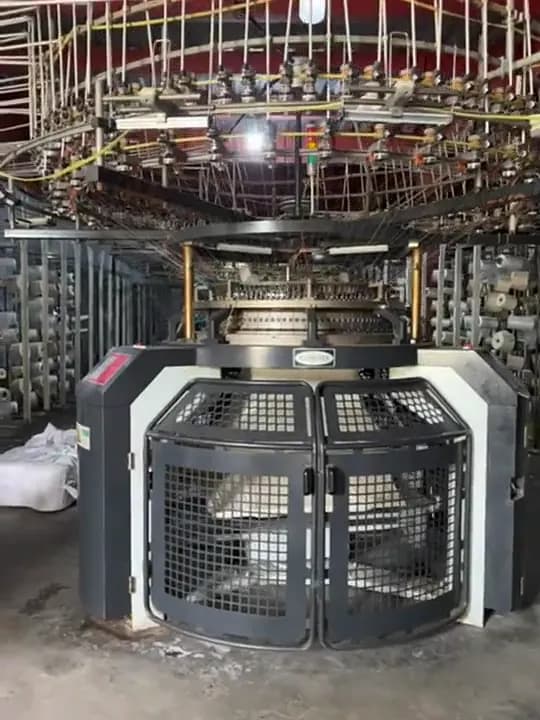 0:25Partner millCircular knitting machines at a partner mill
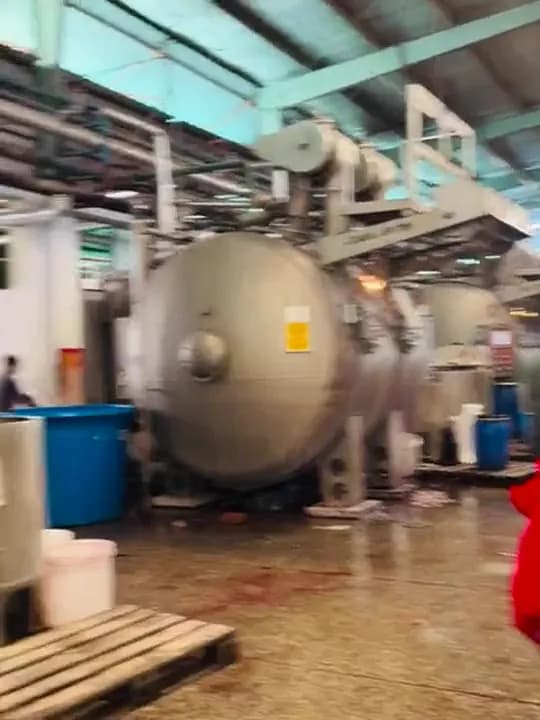 0:25Partner millJet dyeing knitted fabric at a partner plant
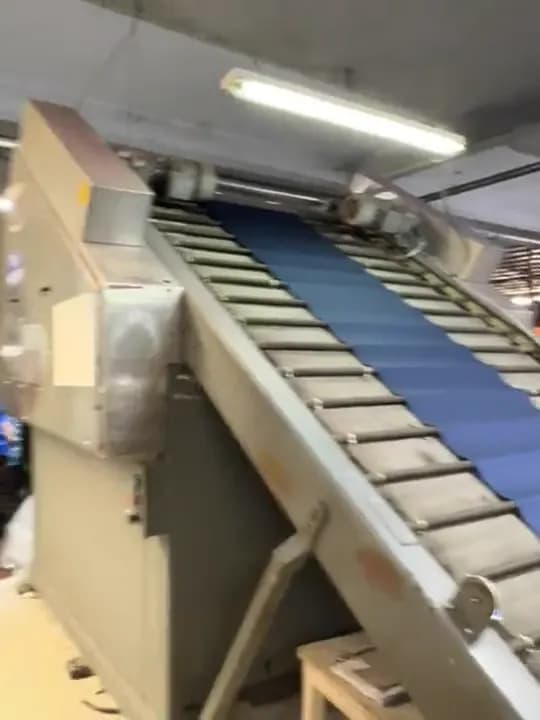 0:11Partner millInside a partner fabric dye house
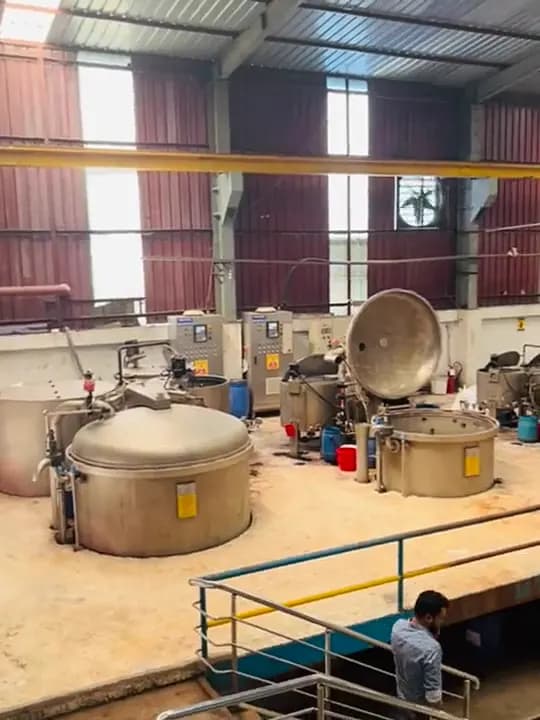 0:09Partner millA yarn dye house at a partner mill
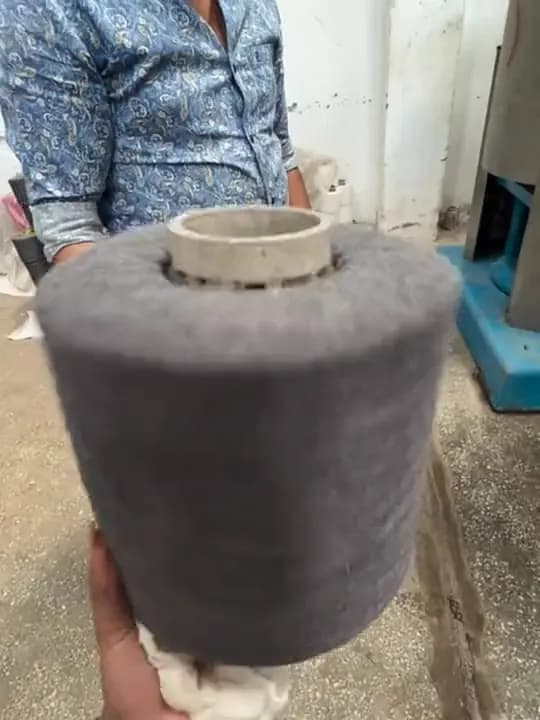 0:25Partner millChecking yarn at a partner mill
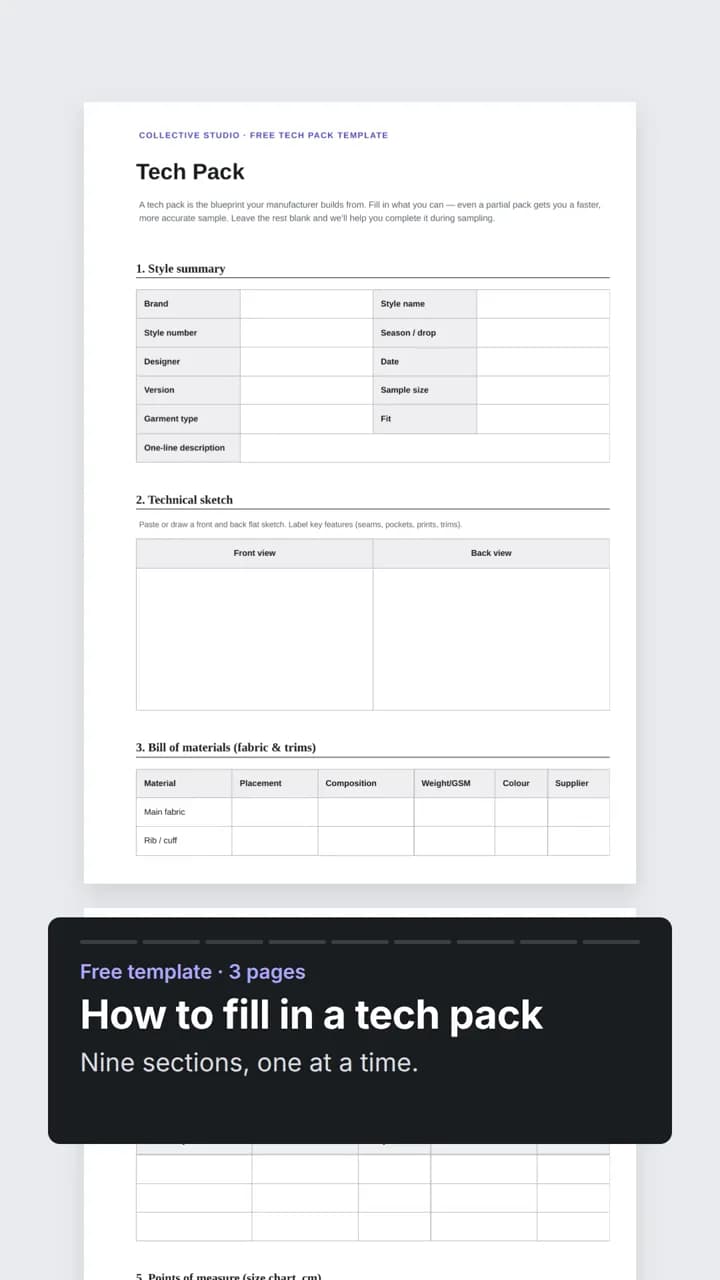 1:08WalkthroughHow to fill in a tech pack, section by section