Inside a partner fabric dye house
Dyed navy fabric on a conveyor, then a row of industrial dyeing machines inside a partner dye house in Bangladesh.
- Length
- 0:11, no sound
- Filmed at
- A partner mill in Bangladesh (not our own floor)
What you are seeing
The clip starts on dyed navy fabric moving along a conveyor, then walks along a row of dyeing machines.
Dyeing and finishing is where chemicals enter a garment's supply chain, so it is where restricted-substance limits, OEKO-TEX and GOTS chemical rules and the EU's PFAS limits are met or missed. Ask for test reports that cover the dyed fabric, not only the finished garment.
After the conveyor the clip walks along a long line of enclosed dark machine cabinets with round fittings on their sides, yellow safety barriers in front and insulated ducts and pipes overhead.
After dyeing, knitted fabric is dried and set to width before it is cut, and that is where its finished width, weight and shrinkage are fixed. Ask for shrinkage results on the finished fabric for your lot, and wash your sample before you approve it, so a garment that shrinks is caught before bulk.
We cut and sew garments on our own floor in Narayanganj. Knitting and dyeing are done by partner mills in Bangladesh, and this footage was filmed at one of them.
What happens after the dye machine
This clip was filmed at a partner dye house; we cut and sew on our own floor, and fabric is dyed and finished at partner plants we book and inspect. Coming out of the dye machine, knitted fabric is wet and loose. It is first drained of water, then dried, and then finished to its final dimensions. That finishing step is where the fabric gets its finished width, its finished weight in GSM and most of its shrinkage behaviour.
Knitted fabric is finished in one of two ways. Tubular fabric stays as a tube and is compacted to control shrinkage. Open-width fabric is slit along its length and finished flat, with its width held on a frame as it dries. Which is used depends on the fabric and how it will be cut. Either way, finishing fixes the figures your size chart depends on, so ask for the finished GSM and shrinkage results for your lot, not the figures from knitting.
Chemicals and the rules that apply to them
Dyeing and finishing is where most of the chemicals in a garment's supply chain are used: dyes, softeners, fixing agents and any water-repellent or performance finish. It is where chemical rules are met or missed. GOTS approves the chemical inputs allowed in certified processing, OEKO-TEX STANDARD 100 tests the finished article against limits for harmful substances, and EU rules restrict substances including certain PFAS.
If you sell organic cotton, made in our GOTS-certified facility (RSC 9687), the whole processing chain, dye house included, has to meet GOTS. Our GOTS vs OEKO-TEX guide explains what each standard checks, and the PFAS rules guide covers the EU and national limits.
What to ask for before you approve bulk
Ask for three things on the finished fabric for your order: the finished GSM against your tech pack, a shrinkage result in length and width, and colour fastness results. For shrinkage, a common method is ISO 5077 with an ISO 6330 wash cycle, or AATCC TM135 if your market works to US methods. Then wash your own sample and measure it again, because the washed sample is what your customer will own.
Our guide to pre-production samples shows how to turn a wash test into numbers you can approve, and the sustainable manufacturing page covers how we choose where fabric is dyed.
Where this clip appears
Inside a partner fabric dye house: questions brands ask
Why does a dye house's wastewater treatment matter to my brand?
Because dyeing is the stage of clothing production that uses the most water and chemicals, and what happens to that water is part of your product's footprint. A dye house draws large volumes of water, adds dyes, salts and auxiliaries, and discharges it again. Without treatment, that effluent goes straight into rivers and canals. A treatment plant cleans the water before discharge. GOTS requires wastewater from all wet processing units in a certified chain to be treated in a functional treatment plant, internal or external, before it is discharged. We place dyeing only with partner dye houses that run wastewater treatment, and certified orders only with certified units. For your brand this is also a question you will be asked: retailers, journalists and customers increasingly ask where fabric was dyed, and a clear answer backed by documents is worth having.
What is the difference between tubular and open-width fabric finishing?
Tubular fabric is finished as the tube it was knitted in, and open-width fabric is slit open and finished flat. A circular knitting machine makes a tube, and after dyeing the mill chooses whether to keep it that way. Tubular finishing compacts the tube to control shrinkage and leaves two folded edges, which can show as faint crease lines, so cutting is planned to keep those lines out of visible panels. Open-width finishing slits the tube along one line and runs the fabric flat through a frame that sets its width as it dries, which gives an even width across the whole sheet and no fold lines, and suits wide panels and fabrics with stretch. Neither is better for every fabric. What matters to you is the result: the finished width, weight and shrinkage of your lot, and whether any fold mark appears on your sample.
What happens to knitted fabric after it is dyed?
After dyeing, knitted fabric is drained of water, dried and finished to its final width, weight and shrinkage before it is cut. It comes out of the dye machine wet and loose, so the first step is removing water. It is then dried and set to its finished dimensions, either as a tube that is compacted or as an open sheet held at width on a frame. This finishing stage fixes the finished width, the finished weight in GSM and most of the fabric's shrinkage behaviour, the figures your size chart depends on. Softeners or other finishes may be applied here too. The fabric is then rolled, checked and sent to the cutting floor. This clip was filmed at a partner dye house in Bangladesh; Collective Studio cuts and sews in Narayanganj, and fabric is dyed and finished at partner plants that it books and inspects for each order.
What is fabric compacting, and does it stop shrinkage?
Compacting is a finishing step that pushes knitted fabric together along its length so that much of the shrinkage happens at the mill rather than in your customer's first wash. During knitting, dyeing and drying, knit fabric is pulled lengthwise, and its loops are stretched. If it were cut in that state, the loops would relax in washing and the garment would shrink in length. A compactor feeds the fabric through so it is overfed and eased back, which settles the loops closer to their relaxed size before cutting. It reduces shrinkage a great deal but does not remove it, and the result depends on the fabric and how it was processed. That is why a shrinkage limit belongs in your tech pack, why a shrinkage result should be measured on your lot, and why you should always wash your own sample and measure it again before approving.
What chemical tests should I ask for on dyed fabric?
Ask for test reports showing that the dyed fabric meets the chemical limits of the market you sell in and of any standard on your label. Dyeing and finishing is where most of the chemicals in a garment's supply chain are used: dyes, salts, softeners, fixing agents and any water-repellent or performance finish. A report against a restricted substance list, OEKO-TEX STANDARD 100 certification of the finished article, or the chemical rules of GOTS for organic orders are the common forms of evidence. If you sell in the EU, check that no finish relies on substances that are restricted there, including certain PFAS used for water and stain repellency. Make sure any report covers the dyed fabric or the finished garment for your order, not just the raw yarn, and that it is recent. Ask for this at quote stage, before the fabric is dyed.
Does GOTS cover the dye house as well as the sewing factory?
Yes. For a garment to be sold as GOTS organic, every processing stage in its chain has to meet GOTS, including the dye house. GOTS approves the dyes and chemical inputs that may be used in certified processing, and requires wastewater from wet processing to be treated before it is discharged. A certified sewing floor alone is not enough if the fabric was dyed somewhere outside the certified chain. Collective Studio makes organic cotton garments in its GOTS-certified facility (RSC 9687), and for certified orders it places dyeing only with certified units, so the whole chain from fabric to finished garment is covered. The order is linked to that chain by transaction certificates, which are the documents to ask for if your label makes an organic claim. If an order does not need certification, the fabric can be dyed at a partner without GOTS, but it cannot then carry the label.
Which shrinkage test should I ask for on my fabric?
Ask for a dimensional change result measured to ISO 5077 with an ISO 6330 wash cycle, or to AATCC TM135 if your market works to US methods. Both measure how much fabric shrinks or grows in length and width after laundering, using marked distances measured before and after washing. The figure is reported as a percentage in each direction, and your tech pack should state the limit you accept. Ask for the result on the finished fabric for your lot, not on a figure from knitting or from an earlier order, because finishing is where shrinkage is set and it can vary between lots. Then wash your own sample at the temperature your care label will give and measure the key points again: body length, chest width and sleeve length. The washed sample is what your customer will own, so approve the garment after the wash, not before it.
Does Collective Studio dye fabric in its own factory?
No. Collective Studio cuts and sews in its own building in Narayanganj, and fabric is dyed and finished at partner dye houses in Bangladesh that it books and inspects for each order. That is common in Bangladesh, where dyeing is usually done by specialist plants rather than by the factory that sews the garments, and this clip was filmed at one of them. For each order we book the dye lot, submit your approved lab dip and check the dyed fabric against it under controlled light before anything is cut. We place dyeing only with partner dye houses that run wastewater treatment, and certified orders only with certified units. Garments are then cut, sewn and inspected on our own floor. If a supplier tells you its garments are dyed where they are sewn, it is reasonable to ask to see the dye house on a video call.
More from the floor and the mills
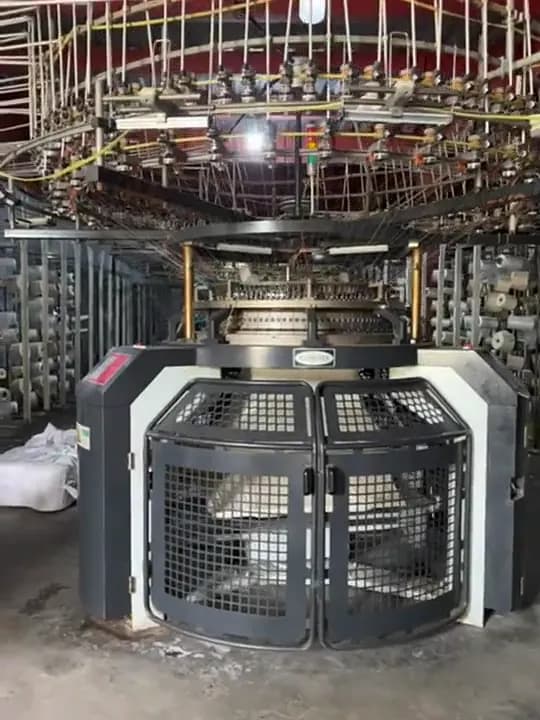 0:25Partner millCircular knitting machines at a partner mill
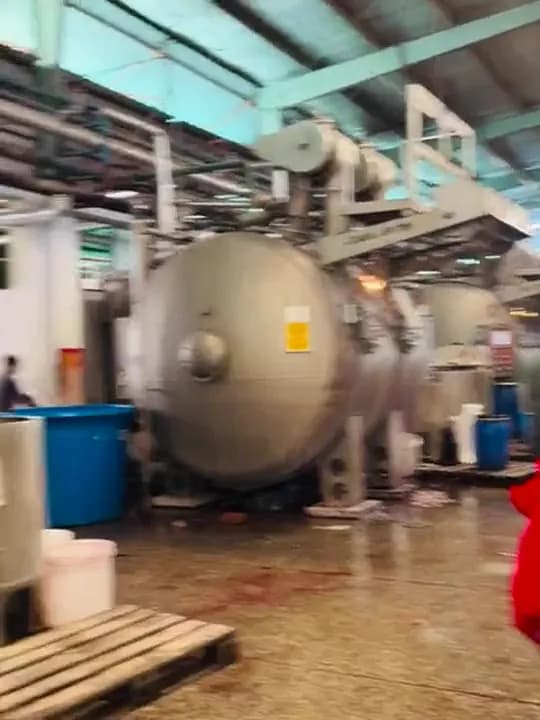 0:25Partner millJet dyeing knitted fabric at a partner plant
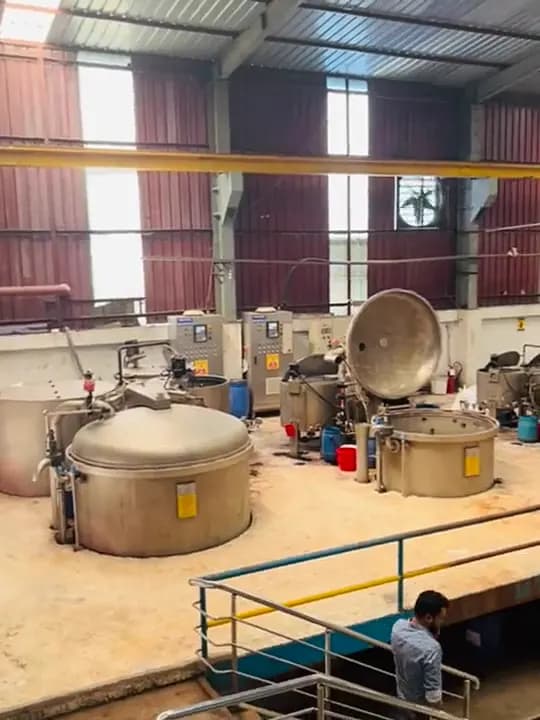 0:09Partner millA yarn dye house at a partner mill
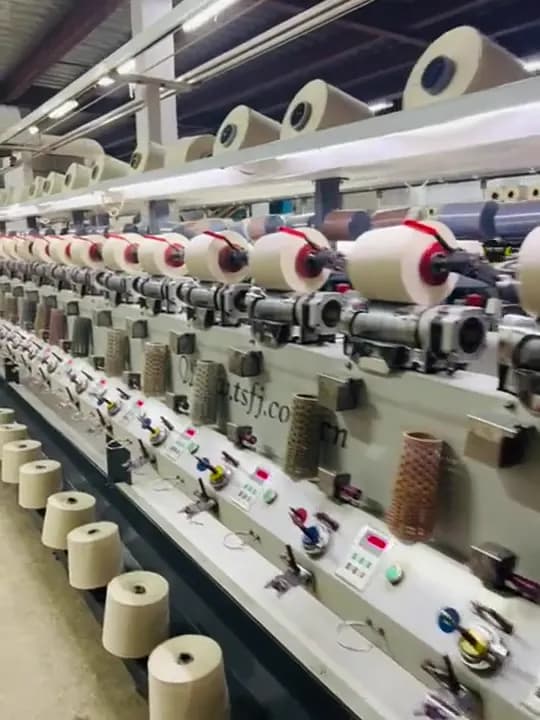 0:25Partner millA yarn-winding hall at a partner mill
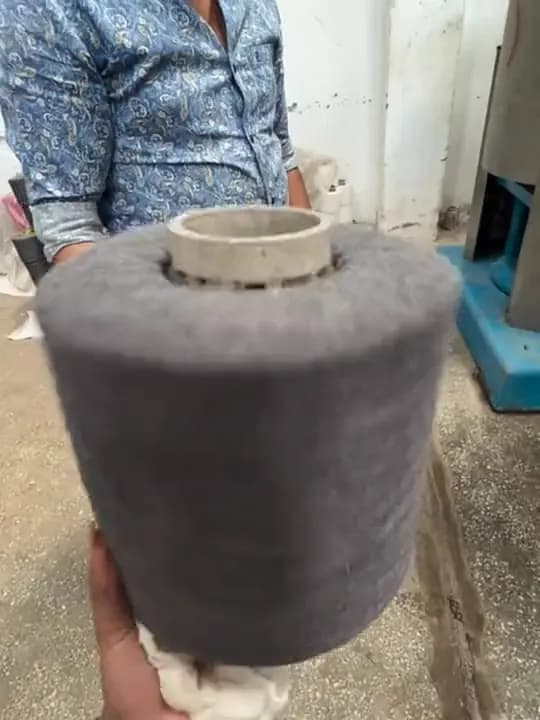 0:25Partner millChecking yarn at a partner mill
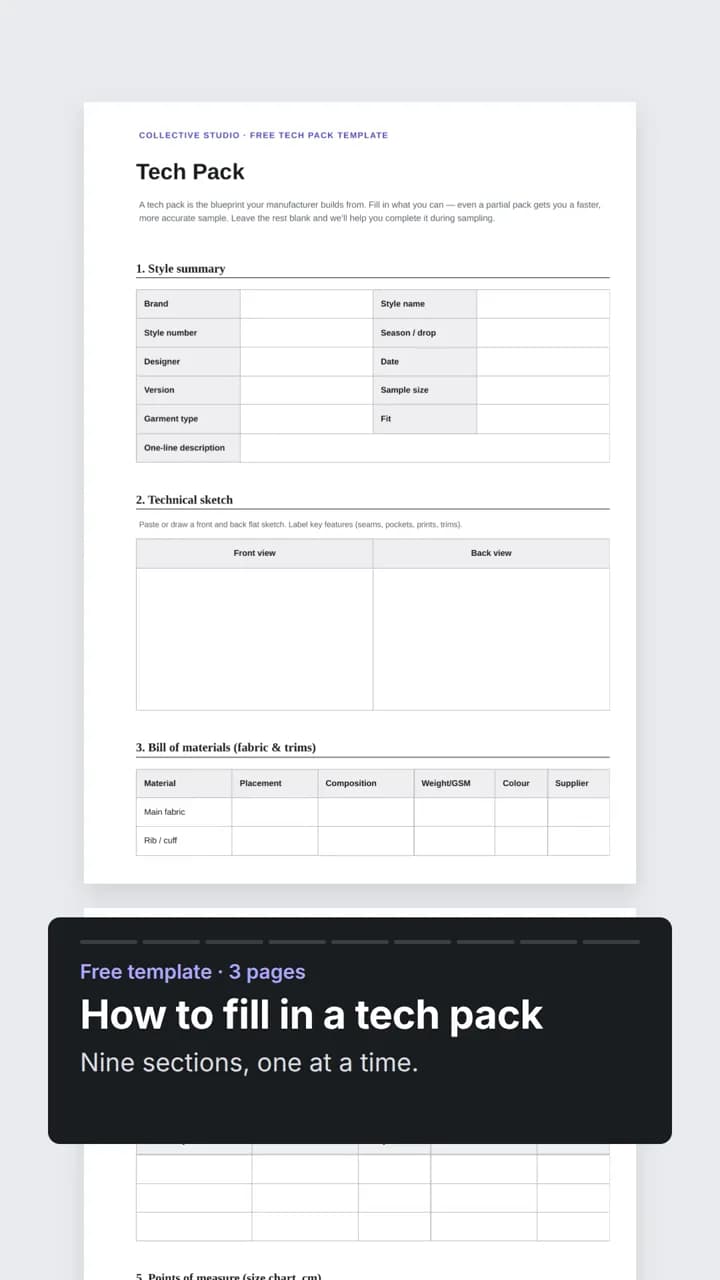 1:08WalkthroughHow to fill in a tech pack, section by section