What Is Interlock Fabric?
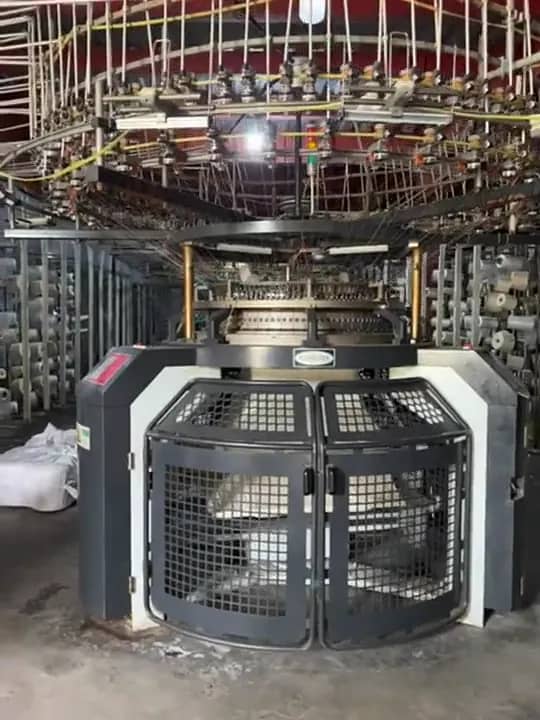
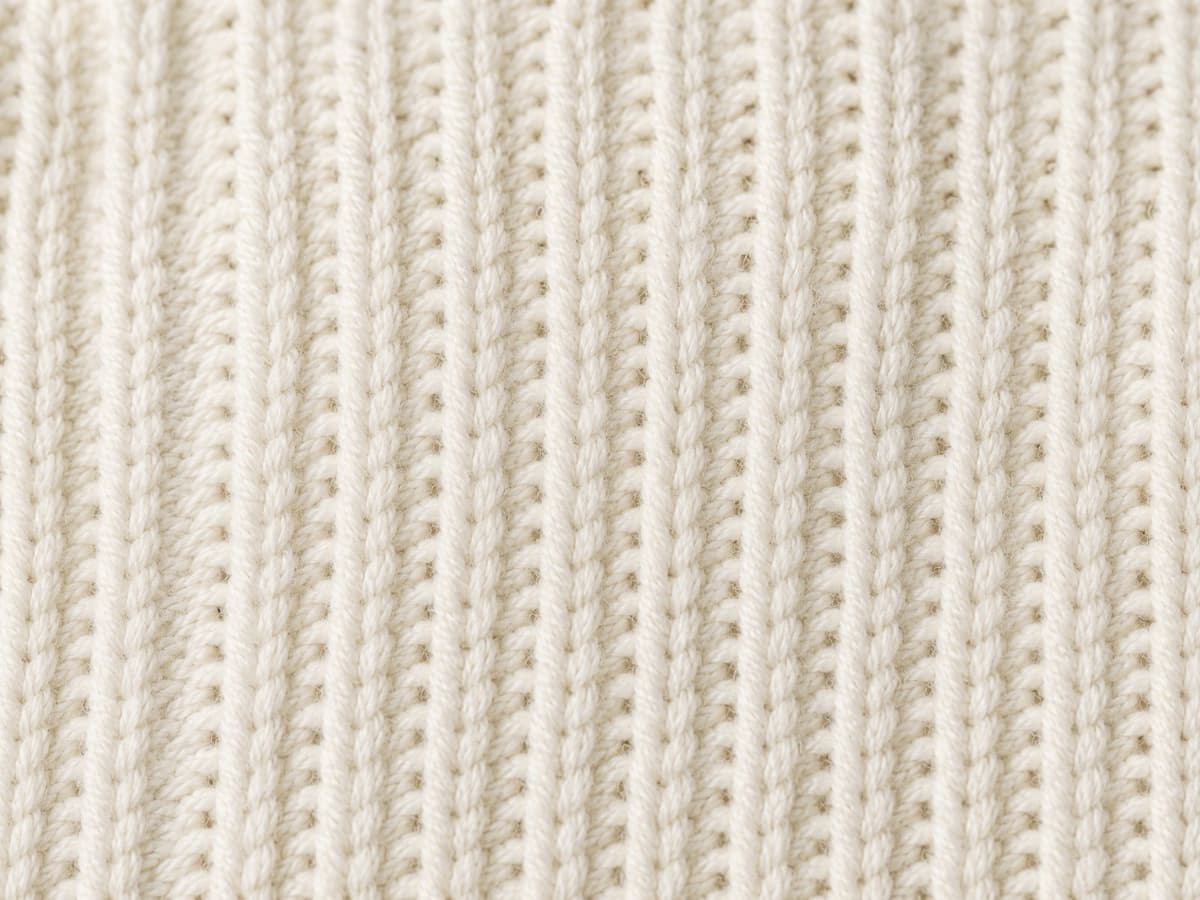
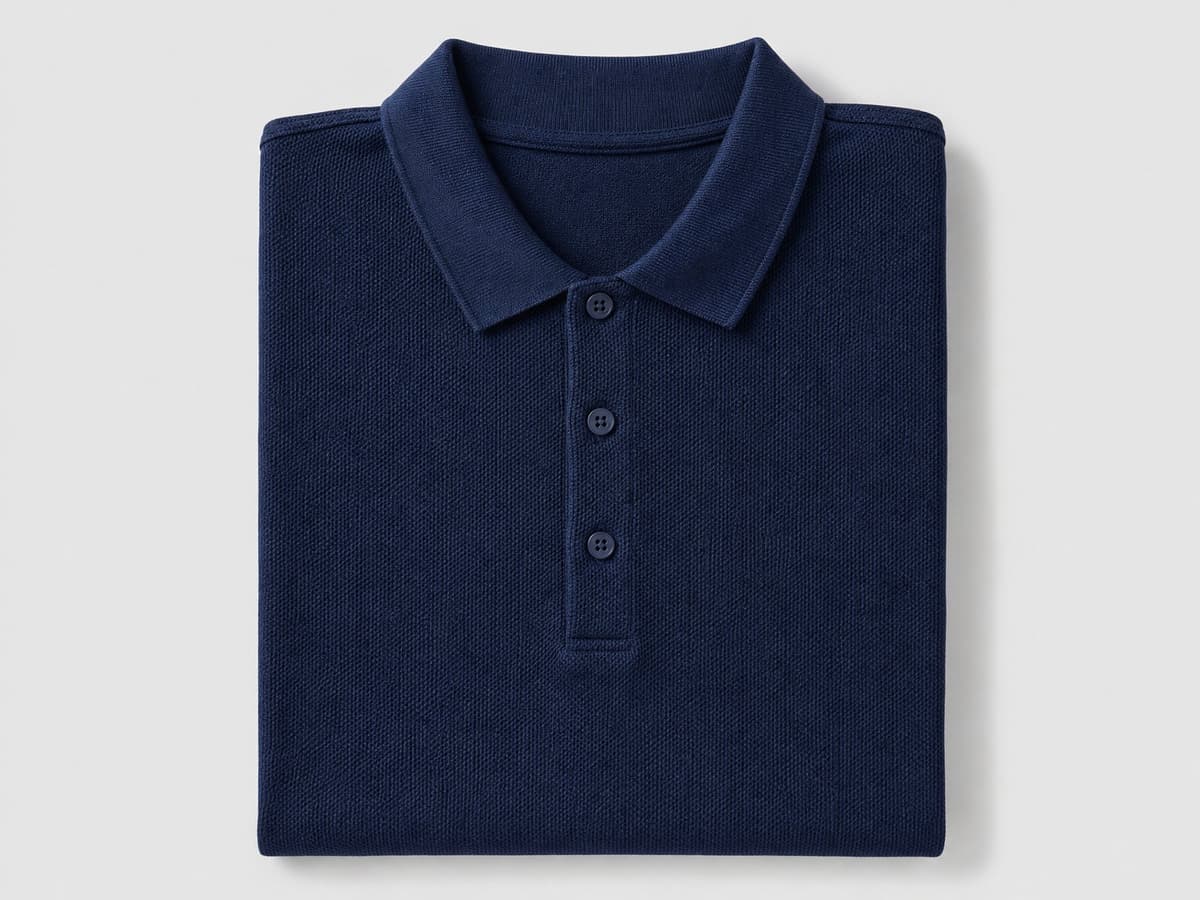
Interlock is a double-knit fabric, knitted on two sets of needles, that is smooth on both faces, lies flat at a cut edge and stretches less than T-shirt jersey. It is heavier, more opaque and more stable than single jersey, which is why it is used for polos, kidswear, structured tops and sublimation prints. Where single jersey has a flat front and a looped back, interlock has two flat fronts, because it is effectively two fine knits locked together as they are made.
What does “anti-curling interlock” mean?
It is a seller’s way of describing the property that makes interlock interlock. Because the fabric is two layers of knitting locked together, a cut edge lies flat instead of rolling the way single jersey does. Listings that say “anti-curling”, “double-knit anti-curling” or “double interlock” are usually describing ordinary interlock, sometimes at a heavier weight, rather than a separate fabric or a special finish, so ask for the weight in GSM and the fibre content, which tell you more than the label. An “interlock T-shirt” is simply a T-shirt cut from interlock instead of jersey: smooth on both faces, more opaque and more stable, with less stretch.
You will see it called interlock knit fabric, cotton interlock, or double knit. The last is a category rather than a synonym — interlock is the most common double knit in apparel, but not the only one.
How interlock is made
It is knitted on two sets of needles working against each other, so two layers of loops are formed simultaneously and interlocked stitch by stitch. Structurally it is closest to two fine 1x1 ribs knitted into one another, which is where the name comes from.
That construction is also why it costs more. Roughly twice the knitting and more yarn per square metre go into it than into a single jersey of the same fibre, so the same pattern uses more kilos of cloth (our fabric consumption calculator works out how many), and the price reflects that before anyone has cut a pattern.
What the double construction buys you
- No curling. The tensions balance across the two faces, so a cut edge lies flat. This is the single most practical difference from single jersey, and it decides what a designer can do with a raw edge.
- Two usable faces. No right side to get wrong at the cutting table, and reversible garments become possible.
- Opacity. Two layers of loops hide what is underneath, which matters for white and pale garments and for anything fitted.
- Shape retention. It stretches less than jersey and holds its shape better through wear and washing.
- A smoother printing surface. Flat on both faces and stable under tension, which is why it is the usual base for sublimation and large-area prints.
Interlock vs jersey
| Interlock | Single jersey | |
|---|---|---|
| Faces | Smooth on both | Smooth front, looped back |
| Curls when cut | No | Yes, always |
| Weight | Heavier for the same yarn | Lighter |
| Stretch | Less, recovers better | More, recovers less |
| Opacity | High | Lower, can show through |
| Drape | More body, less fluid | Softer, drapes more |
| Cost per metre | Higher, twice the knitting | Lower |
| Suits | Polos, kidswear, structured tops, print bases | T-shirts, vests, summer dresses |
Interlock vs rib, ponte and double piqué
Double knit is the family; interlock is its most common member. Interlock, 1x1 rib and ponte are knitted on two sets of needles, which is why none of them curls the way single jersey does; double piqué, the heavier polo knit, gets its body from a tucked stitch structure instead. They behave differently enough that a spec sheet saying only “double knit” leaves the important question open.
| Interlock | 1x1 rib | Ponte (Ponte di Roma) | Double piqué | |
|---|---|---|---|---|
| Face | Smooth on both sides | Vertical ribs on both sides | Smooth, with a faint horizontal line | Textured, raised pattern |
| Stretch | Moderate, good recovery | High across the width, strong recovery | Low, very stable | Low to moderate |
| Weight | Medium | Light to medium | Medium to heavy | Medium to heavy |
| Typical uses | Polos, kidswear, structured tops, print bases | Cuffs, neckbands, waistbands, fitted tops | Structured dresses, trousers, unlined jackets | Structured polos |
Where interlock is used
In cotton, it shows up wherever a knit needs more body than a t-shirt: polo shirts as an alternative to piqué, structured tops and dresses, and a great deal of children's clothing, where the stability survives repeated hot washing and the opacity matters to parents.
In polyester, interlock is the standard base for sports shirts and anything sublimated. Sublimation needs a flat, stable polyester surface to print into, and a fabric that curls at the edge or distorts under tension makes accurate placement impossible. If you are planning all-over printed garments, expect to be quoted poly interlock.
When it is not the right choice
Interlock is not a premium upgrade to jersey, and treating it as one produces disappointing garments. It costs more, weighs more per square metre and drapes less, so a t-shirt made in interlock feels stiff and boardy rather than luxurious, and it ships heavier. If the garment's job is to drape softly, jersey is not the cheaper compromise; it is the correct fabric.
What a factory needs from you
The weight in GSM, the composition, and what the fabric has to do — hold a shape, stay opaque, or carry a print. That last one is the useful answer, because it is what tells us whether interlock is right at all or whether you are describing a jersey or a piqué garment. A reference garment settles it fastest, as always.
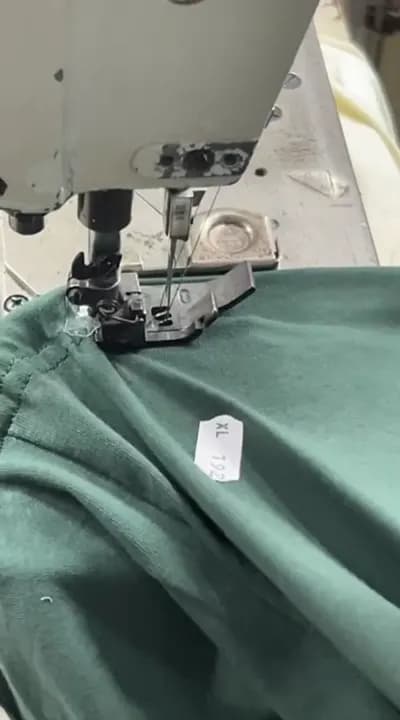
Interlock is knitted to our specification at partner mills and cut and sewn every week on the floor of our own knitwear factory in Narayanganj, from a 150-piece minimum per style and per colour. Tell us what the garment has to do and we will tell you honestly whether interlock earns its extra cost on that style, or whether it does not.
Frequently asked questions
What is the difference between interlock and jersey?
Choose jersey when a garment should drape and cost less, and interlock when it has to hold its shape, stay opaque or carry a large print flat; the two behave differently because interlock is knitted on two sets of needles and jersey on one. That construction explains every contrast a buyer will notice. Interlock is smooth on both faces, while jersey has a smooth front and a looped back. A cut edge of interlock lies flat, where jersey curls. For the same yarn, interlock is heavier, stretches less, recovers better and hides what is under it, while jersey is lighter, softer and more fluid. The difference shows on the quote too: interlock costs more per metre, since two sets of needles mean roughly twice the knitting. Neither is a premium version of the other. Jersey suits t-shirts, vests and summer dresses, and interlock suits polos, kidswear, structured tops and print bases. Describe the job each garment does and we will name the knit.
What is interlock fabric used for?
Interlock is used where a knit has to hold its shape, stay opaque or carry a print flat: polo shirts, structured tops and dresses, children's clothing, sports shirts and sublimated garments. In cotton, it is an alternative to piqué for polos, giving a smooth face instead of a textured one, and it turns up in a great deal of kidswear because its stability survives repeated hot washing and its opacity matters to parents. In polyester, it is the standard base for sports shirts and anything sublimated. Sublimation needs a flat, stable polyester surface, and a fabric that curls or distorts under tension makes accurate placement impossible, so if you are planning all-over prints, expect us to quote poly interlock. Two usable faces also make reversible garments possible. What it is not, as a rule, is the fabric for an everyday t-shirt, where jersey drapes better and costs less. Tell us what each style has to do and we will suggest the knit.
Is interlock fabric good for t-shirts?
Usually not: for a standard t-shirt, single jersey is the better fabric, and interlock is sometimes sold as an upgrade when it is not one. Interlock costs more, weighs more per square metre and drapes less, so a tee made from it tends to feel stiff and boardy rather than premium, and it ships heavier. There are exceptions. If the top is fitted and pale, two layers of loops stop it showing what is underneath. If it carries a large flat print, the stable surface helps. If it needs a structured shape, the extra body is the point, which is why we use interlock where a top needs more substance. Outside those cases, jersey is not the cheap compromise; it is the correct fabric for a garment whose job is to drape softly against the body. When you brief a tee, tell us what it has to do and we will say honestly whether interlock earns its extra cost.
Does interlock fabric curl?
No, a cut edge of interlock lies flat, and that is the single most practical difference between it and single jersey. Interlock is knitted on two sets of needles, so two layers of loops form together and lock stitch by stitch, and the pull of one layer is balanced by the pull of the other. Jersey is knitted on one set as a single layer, so nothing balances it and a raw edge rolls. For a designer, that decides what can be done with a raw edge. An unhemmed hem, an unbound neckline or a cut-edge detail is possible in interlock, where jersey would need the edge finished. Settle it at the design stage, because it changes the construction and the sewing operations we price for each style. If you want a raw edge and also a soft drape, say so in the brief and we will explain the trade-off, since interlock has more body and less drape than jersey.
Is interlock fabric stretchy?
It stretches, but noticeably less than single jersey and much less than rib, and that is deliberate. The two interlocked layers resist extension and pull back firmly, which is why interlock holds its shape through wear and washing where a jersey garment of the same fibre tends to grow. That makes it a good choice for garments that should keep their line: polos, structured tops and kidswear that is washed often. It is a poor choice when the fabric itself has to do the stretching. For fitted shapes that need real give, elastane is added to the blend, as it often is in performance polos knitted in piqué or interlock. Where stretch and recovery at a cuff, hem or neckline matter most, rib with elastane does that job. Tell us how close to the body the garment sits and how it needs to move, and we will suggest the composition before sampling rather than after it.
Is interlock the same as double knit?
Not exactly: interlock is a double knit, but double knit is the wider category. Any fabric knitted on two sets of needles into two interconnected layers is a double knit, and interlock is the most common one in apparel. Ponte is another, a firmer, heavier double knit built on an interlock base and used for structured dresses and trousers. Interlock's own construction is closest to two fine 1x1 ribs knitted into one another, which is where the name comes from. The practical point for a brand is on paper. If a spec sheet, quote or fabric description says double knit and nothing more, ask which construction is meant, along with the composition and the weight in GSM, because two double knits can differ in handle, drape and price. On an order with us, you choose the knit and weight, and we confirm the weight on the quote.
Is interlock more expensive than jersey?
Yes, interlock costs more per metre than single jersey of the same fibre, because it takes roughly twice the knitting and more yarn per square metre, and the price reflects that before anyone cuts a pattern. Knit fabric is bought by the kilo, so the heavier cloth adds cost to every piece: among the usual polo fabrics, interlock is the dearest, jersey the cheapest and piqué sits between. Certified organic interlock costs more per kilo again than conventional, and an interlock garment ships heavier too. Whether the extra is worth paying depends on the job. For a polo, a structured top or a pale garment that must stay opaque, it usually is. For a t-shirt meant to drape, it usually is not. We quote each style and colourway for your order, from 150 pieces per style and colour, with the fabric knitted at partner mills we book and inspect and the garments cut and sewn on our own floor in Narayanganj.
Does interlock fabric have a right side?
No, plain interlock has no right side: both faces are smooth, so there is no face to get wrong at the cutting table, and that makes it forgiving to work with. Single jersey is different, with a smooth front and a looped back, so it does have a right side and a wrong side. Because both faces of interlock are usable, reversible garments become possible, and a raw edge lies flat because the two layers balance each other. One caution on terminology. You may see the cloth sold as interlock knit fabric, cotton interlock or simply double knit, but double knit is a category, not a synonym, so confirm the cloth is interlock before you design around two good faces. Confirm the weight in GSM and the composition at the same time, since a factory needs both to quote. A reference garment settles it fastest: send one with your brief and we will confirm the construction, the composition and the weight with you.
Is interlock fabric knit or woven?
Interlock is a knit, not a woven. A woven fabric is made from two sets of yarn crossing at right angles on a loom, while interlock is weft knitted on a circular machine with two sets of needles, which form two layers of loops at once and lock them together stitch by stitch. That is what makes it a double knit. The knit structure is why interlock stretches at all, and the double construction is why it stretches less than single jersey, holds its shape better and lies flat at a cut edge. Like other cotton knits, interlock relaxes and can shrink in the wash unless it has been compacted, so wash-test your sample before bulk. A cut edge does not fray the way a woven does, which is one reason raw-edge details are possible. If you want something that looks tailored but still stretches a little, ask about ponte, a firmer double knit built on interlock.
What GSM is interlock fabric?
There is no single weight, but cotton interlock for clothing is commonly knitted at roughly 160 to 260 GSM, with about 180 to 220 GSM the most common band for tops, polos and kidswear. Because two layers of loops are knitted together, interlock comes out heavier than single jersey from the same yarn, so an interlock T-shirt usually feels heavier than a standard 140 to 180 GSM jersey tee even when the yarn count is identical. Lighter interlock is used for baby clothes and underwear, the middle weights for polos and structured tops, and heavier, often elastane-blended versions such as ponte for dresses and trousers that need body. Polyester interlock for sports shirts and sublimation varies widely with the end use. Interlock is knitted to the weight you specify at our partner mills rather than picked from a fixed list, so give us the GSM, the composition and a reference garment, and we will match the cloth to the job.
Is interlock fabric good for summer?
It can be, in the right fibre and weight, but it is warmer than single jersey from the same yarn. Two layers of loops locked together trap more air and leave fewer open gaps, so interlock breathes less freely than T-shirt jersey and feels warmer against the skin. A light cotton interlock still works in warm weather, and it is widely used for babies' and children's clothes all year, because cotton absorbs moisture and the fabric's opacity and stability survive hot washing. Polyester interlock is common in sports shirts, which are made to dry quickly rather than to absorb. For a summer tee or vest whose job is to stay cool and drape, single jersey remains the better choice, and for a polo, piqué is usually more breathable because its textured face holds the cloth off the skin. Interlock earns its place when a garment needs opacity, a flat surface for a large print, or a shape that holds.
Where this applies
The manufacturing pages this guide relates to, if you are costing a real run.
Free tools & guides for this
Sources & further reading
Have an idea? Let’s make it.
We manufacture from 150 pieces per style and colour, with organic cotton options from our GOTS-certified facility and photos at every stage. Send a sketch or a sentence — we’ll reply within one business day.