Made in Bangladesh Clothing: Quality, Ethics & How to Verify
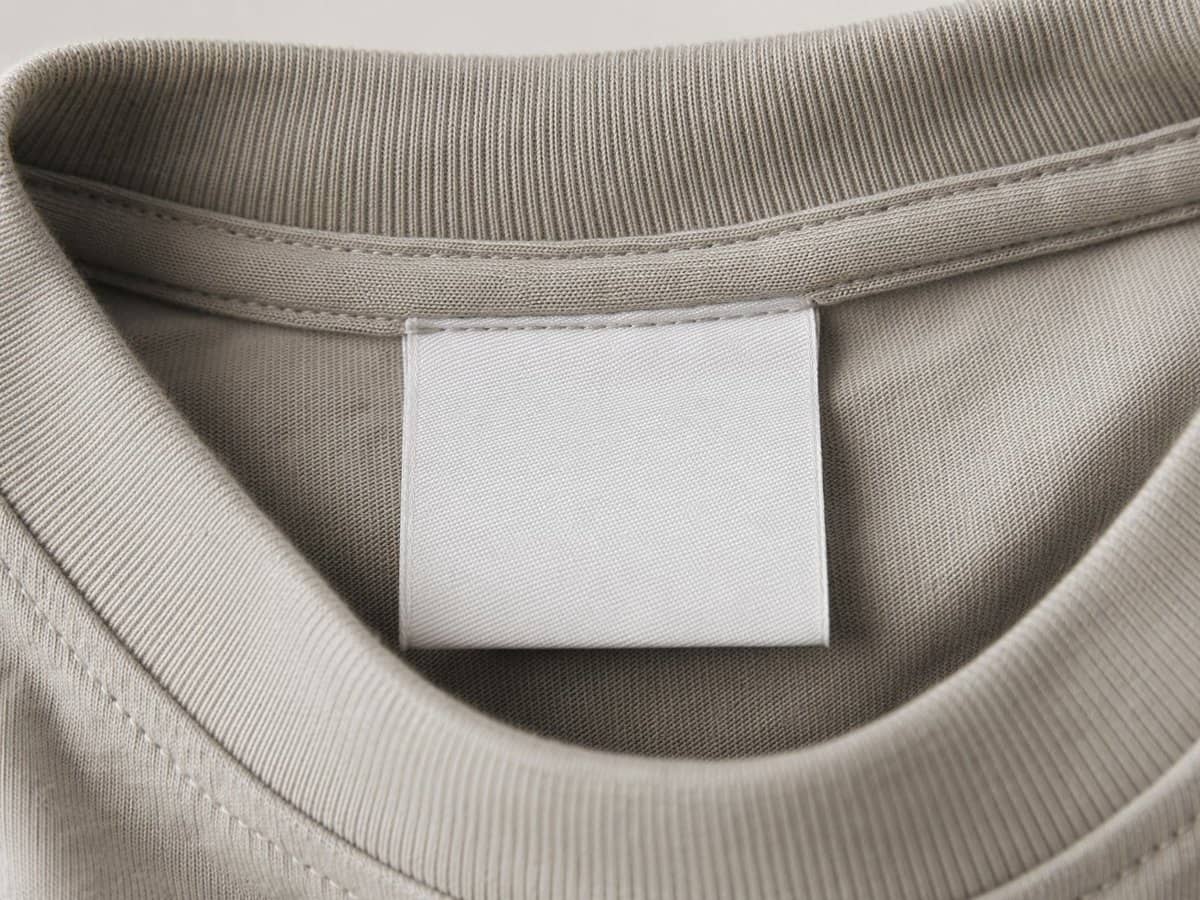
Turn over a t-shirt almost anywhere in the world and there's a good chance the label reads Made in Bangladesh. For some shoppers that label raises questions; for brand founders it raises a more practical one: what does it actually tell me about the factory behind it? As a family-run factory in Narayanganj, we would sooner answer that honestly than with a brochure. Here's what the label means, what it doesn't, and how to verify the specific supplier you're considering.
Bangladesh's place in world clothing
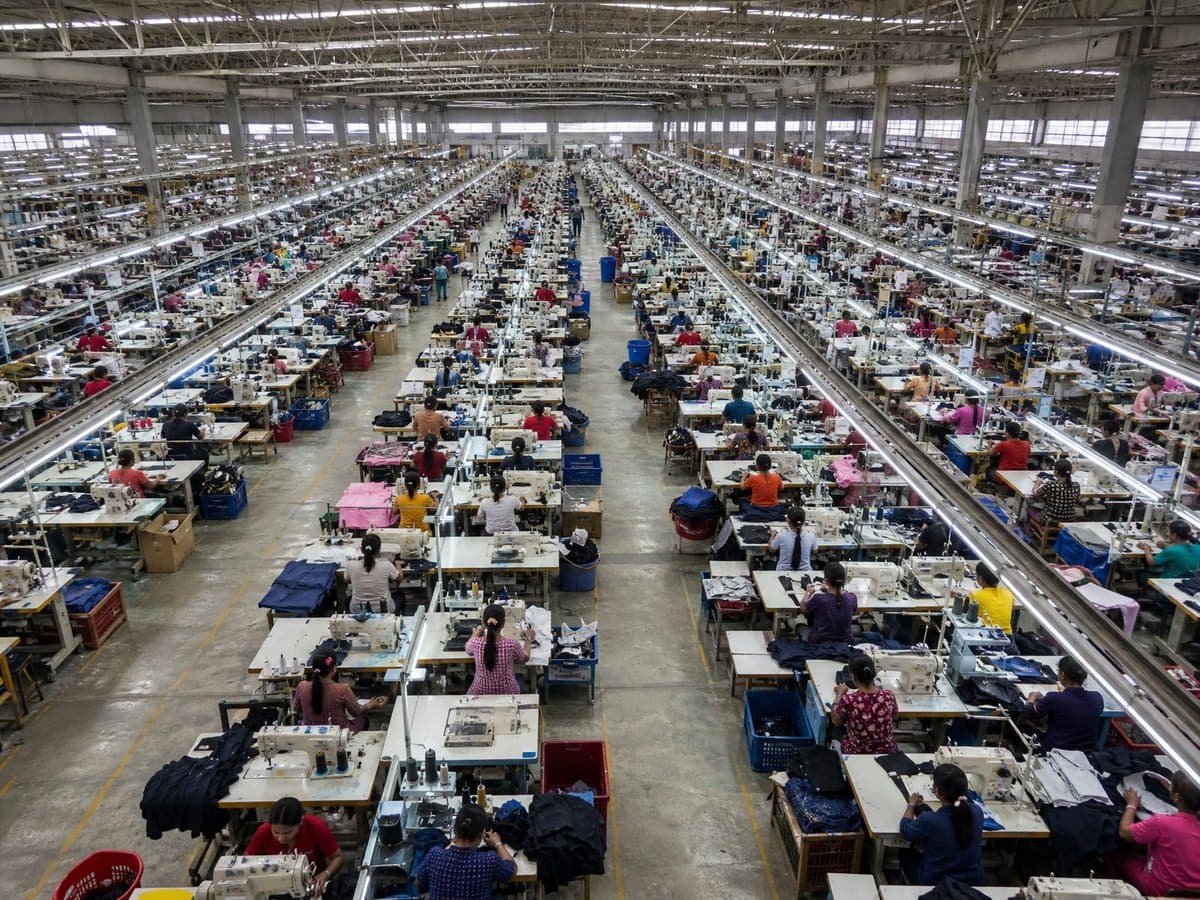
Bangladesh is the world's second-largest clothing exporter after China, with roughly 4,000 export-oriented garment factories. The industry employs around four million people and is especially deep in knitwear — t-shirts, polos, hoodies and sweats — where knitting mills, dyeing houses and sewing floors often sit within the same few districts. That vertical depth is why global brands from fast fashion to premium labels manufacture here, and why per-unit costs stay competitive without cutting corners at good factories.
The honest history: 2013 changed the industry
No honest page about Bangladeshi manufacturing skips the Rana Plaza collapse of 2013, which killed more than 1,100 garment workers and forced a reckoning. What followed was one of the largest industrial safety programmes anywhere: thousands of factories inspected and remediated under international accords, structural, fire and electrical standards enforced, and independent complaint mechanisms created. The industry that exists today is not the industry of 2012 — and serious buyers audit factories individually rather than judging by country of origin, in either direction.
What the label tells you — and what it doesn't
- It tells you the garment was sewn in a country with deep knitwear expertise, modern export infrastructure, and post-2013 safety oversight.
- It doesn't tell you whether the specific factory pays fairly, treats workers well, or produced your garment under a compliance audit — factories vary enormously, everywhere on earth.
- It doesn't tell you the fabric's origin or whether organic/recycled claims are certified — that's what GOTS and OEKO-TEX documents are for.
- Country-of-origin labels describe geography. Certificates, audits and transparency describe ethics. Judge the factory, not the flag.
"Made in Bangladesh" is a starting point, not a verdict. The real question is always: made by whom, under what conditions, with what proof?
How to verify the factory behind your clothes
- Ask for compliance audits — amfori BSCI, Sedex/SMETA or WRAP — and check the certificate is current and covers the actual production site.
- Verify material claims — a GOTS certificate has a number you can check (ours is RSC 9687) and names the certified entity.
- Check industry membership — bodies like BKMEA (knitwear manufacturers' association) list real, registered exporters.
- Take a live video tour — five minutes of walking the floor on a video call tells you more than any PDF.
- Ask who sews your order — factories proud of their people will show you. We publish ours, by name, in our factory photo essay.
- Get references — a factory with happy repeat brands will connect you.
Why brands choose Bangladesh deliberately
Beyond price: genuine knitwear specialisation, vertically integrated fabric supply, capacity from small runs to hundreds of thousands of units, established export logistics with DDP shipping, and — at audited factories — documented labour standards. For US brands there are also evolving tariff advantages on garments made with US-origin cotton, which we cover in our tariff guide.
Where we fit
Collective Studio is a family-run clothing manufacturer in Bangladesh, based in Narayanganj: GOTS-certified organic options (certificate RSC 9687), BKMEA and Narayanganj Chamber membership, photos at every production stage, and a genuine 100-piece minimum so new brands can verify us with a small order before scaling. Read how to choose a factory in Bangladesh, see the people who make the clothes, or ask us the hard questions directly — we answer them.
Frequently asked questions
Is clothing made in Bangladesh good quality?
Quality correlates with the factory, not the country, and the spread within Bangladesh is wide enough that national generalisation carries almost no predictive value. The same industry supplies premium European labels and the lowest tier of fast fashion, frequently from adjacent facilities. Structural capacity in knitwear is genuinely deep, with a complete domestic chain from yarn through finished garment, and the upper tier of factories meets any international standard. The lower tier does not. The variables that do predict outcomes are verifiable: a current certificate number checkable in a public database, association membership confirmable in the association's directory, a signed pre-production sample as the physical reference, and an AQL inspection standard agreed in writing before production begins.
Is clothing from Bangladesh ethical?
The defensible position is that conditions have improved substantially since 2013 and remain uneven, which is less satisfying than a yes or no but is what the evidence supports. The Accord on Fire and Building Safety, succeeded by the RSC, inspected thousands of factories for structural, fire and electrical hazards, and independent assessments record measurable improvement. Wage floors have been revised upward while remaining contested as a living wage. Working hours, freedom of association and conditions in the subcontracting layer beneath registered factories show less consistent progress, and that layer is where monitoring coverage is thinnest. Country reputation is therefore a poor proxy in either direction. The operative questions are which factory, holding which current inspection record, and does it subcontract.
How do I verify a clothing factory in Bangladesh?
Verification should rely on records the supplier does not control. Certification: GOTS certificates are searchable by number or company at global-standard.org, and OEKO-TEX maintains an equivalent database — a certificate presented as an image is not verification. Association membership: BGMEA and BKMEA publish member directories that can be checked directly. Safety: ask whether the building holds a current Accord or RSC inspection record. Operational specifics: line count, monthly capacity in pieces, and the identity of the knitting supplier are questions a manufacturer answers immediately and an intermediary does not. Physical access is the strongest single indicator — a genuine factory supplies its address and accommodates visits or a live floor call; reluctance on that point is itself informative.
Why do so many brands manufacture in Bangladesh?
Three structural reasons, in descending order of durability. Vertical integration in knit: spinning, knitting, dyeing, trims and sewing are all present domestically and geographically concentrated, so a knit garment is produced without crossing a border mid-process — that removes both lead time and a category of coordination risk. Cost: unit labour costs remain below China and Vietnam. Fragmentation: capacity sits across thousands of mid-sized factories rather than a few large groups, so minimum order quantities are more negotiable than in consolidated markets, which is why smaller brands are viable customers here. A fourth factor, duty-free access under least-developed-country schemes, has been significant but is time-limited — LDC graduation falls on 24 November 2026 and each market's transition differs.
Free tools & guides for this
Sources & further reading
Have an idea? Let’s make it.
We manufacture from 100 pieces per style, with GOTS-certified organic options and photos at every stage. Send a sketch or a sentence — we’ll reply within a day.