How to Order Clothing in Bulk: A Complete Guide for Brands
Placing a large production order is a different game from a first small run. The unit prices are lower, but the cash on the line, the timelines, and the cost of getting it wrong are all much bigger. This is the full path from idea to delivered cartons — written for brands ordering at real volume.
What counts as a "bulk" order
There's no universal number, but in practice bulk means production runs in the thousands of units, often across several styles and colours, with pricing quoted at volume. Minimums are counted per style, per colour — so 10,000 pieces split across five colours behaves like five separate runs, not one.
The bulk order process, step by step
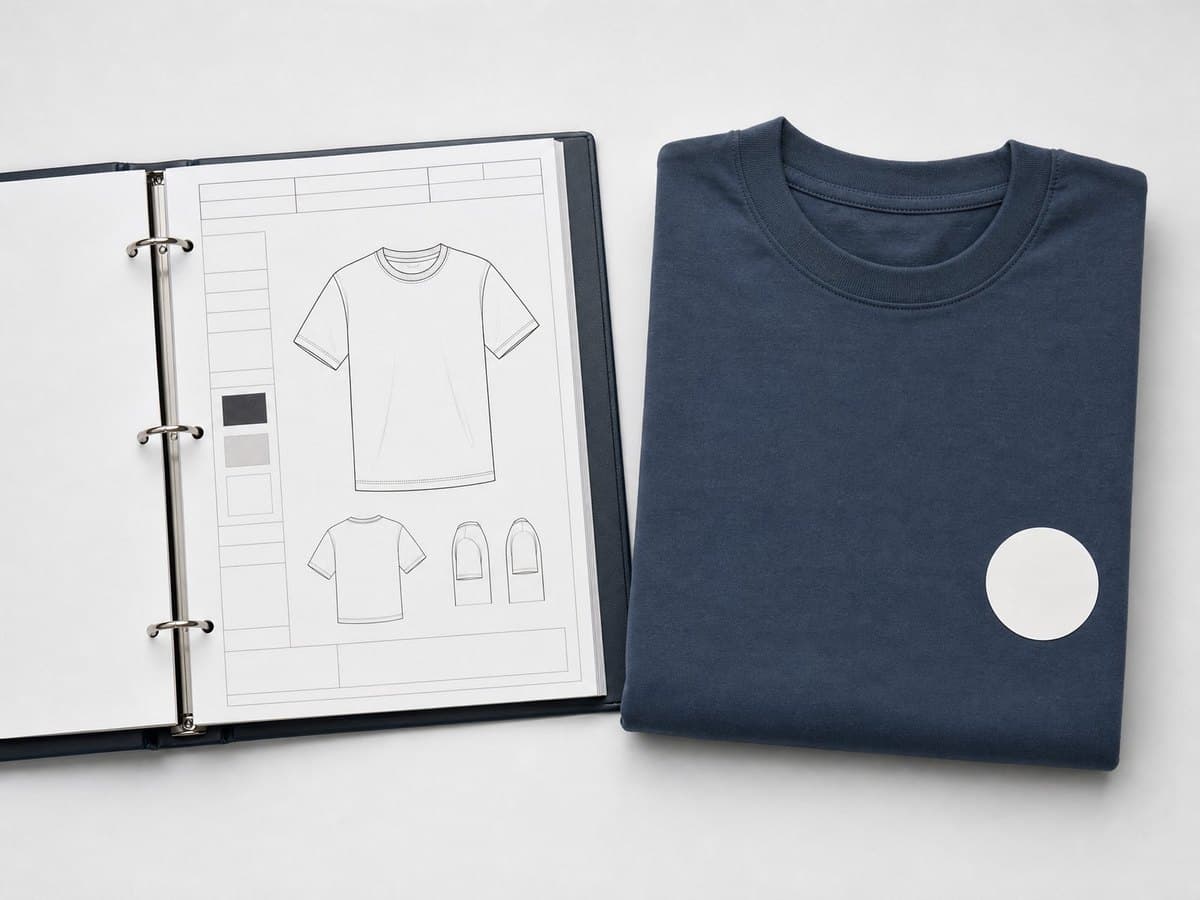
- Brief & tech pack — a complete tech pack with measurements, fabrics, trims and tolerances. At scale, ambiguity is expensive.
- Quotation & costing — the factory prices fabric, labour, trims and finishing against your volume.
- Sampling — a fit sample, then a pre-production (PP) sample that bulk is matched against.
- Deposit & PO — a deposit confirms the order; the purchase order locks specs, price, quantities and dates.
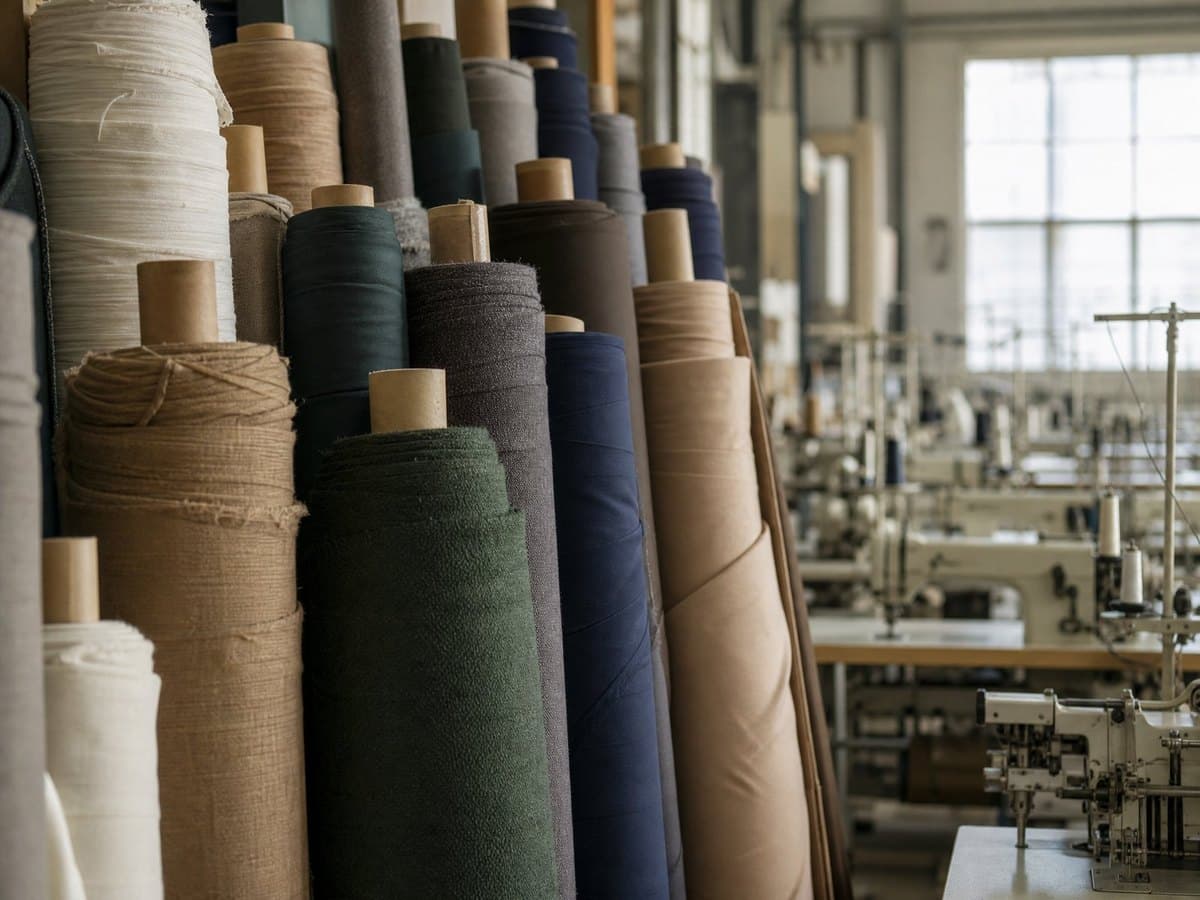
- Production — fabric knitting and dyeing, cutting, sewing and finishing, with in-line checks.
- Quality control — in-line and a final AQL inspection before goods leave.
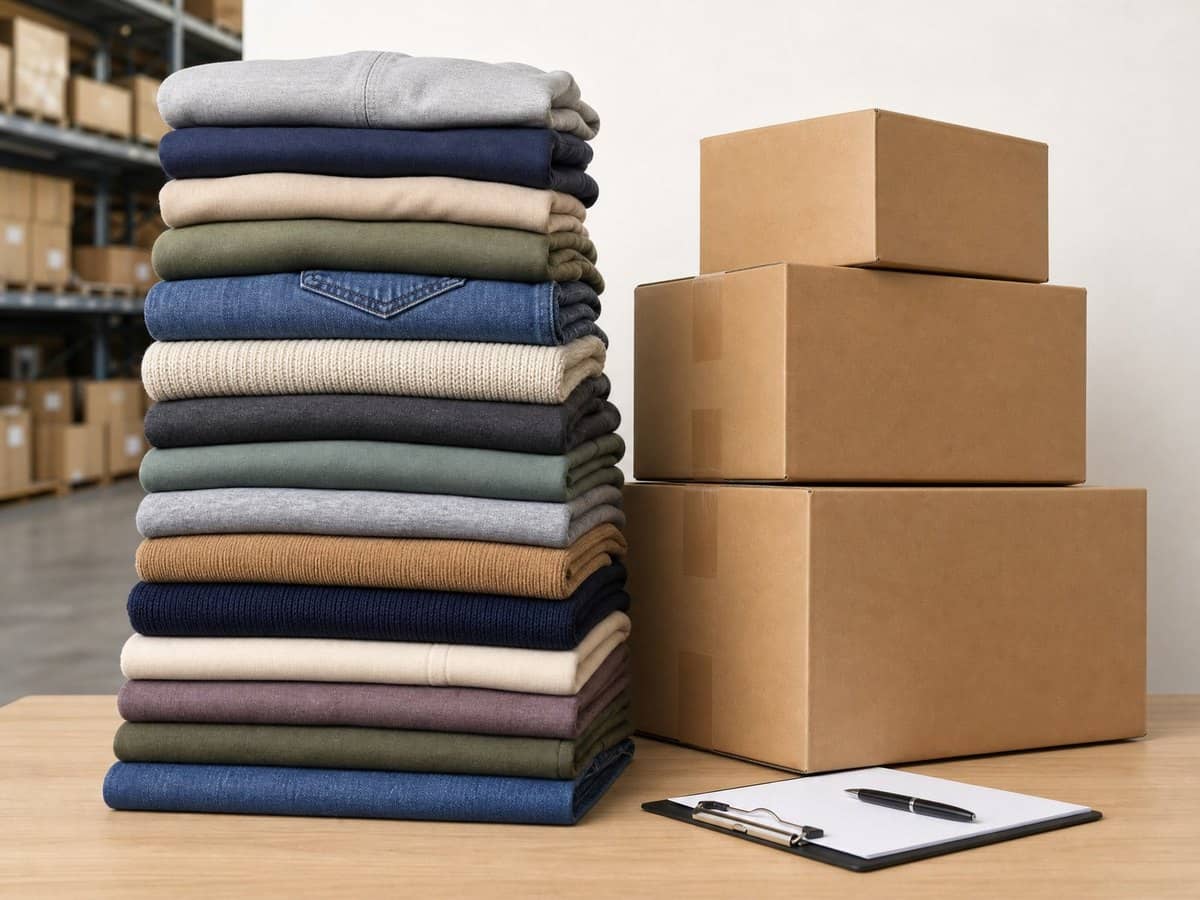
- Shipping — sea or air freight under agreed Incoterms (FOB, CIF or DDP).
What changes when you scale up
Three things get more serious at volume: money (deposits and balance payments, sometimes via a letter of credit), compliance (large buyers expect audited factories), and planning (capacity and lead times must be booked ahead). None are hard once you know them — they're each covered in the guides linked through this article.
A small order forgives mistakes. A bulk order multiplies them by ten thousand — which is exactly why the boring steps matter most.
The order confirmation, and what belongs in it
Most bulk orders in this trade are governed not by a contract anyone would litigate but by an order confirmation. It is a short document, it costs nothing, and it is the single most useful piece of paper in the transaction — because it is what both sides refer back to when something is ambiguous.
- Quantities broken out per style, per colour and per size.
- Unit price and total, with the incoterm named — FOB and DDP are not comparable numbers.
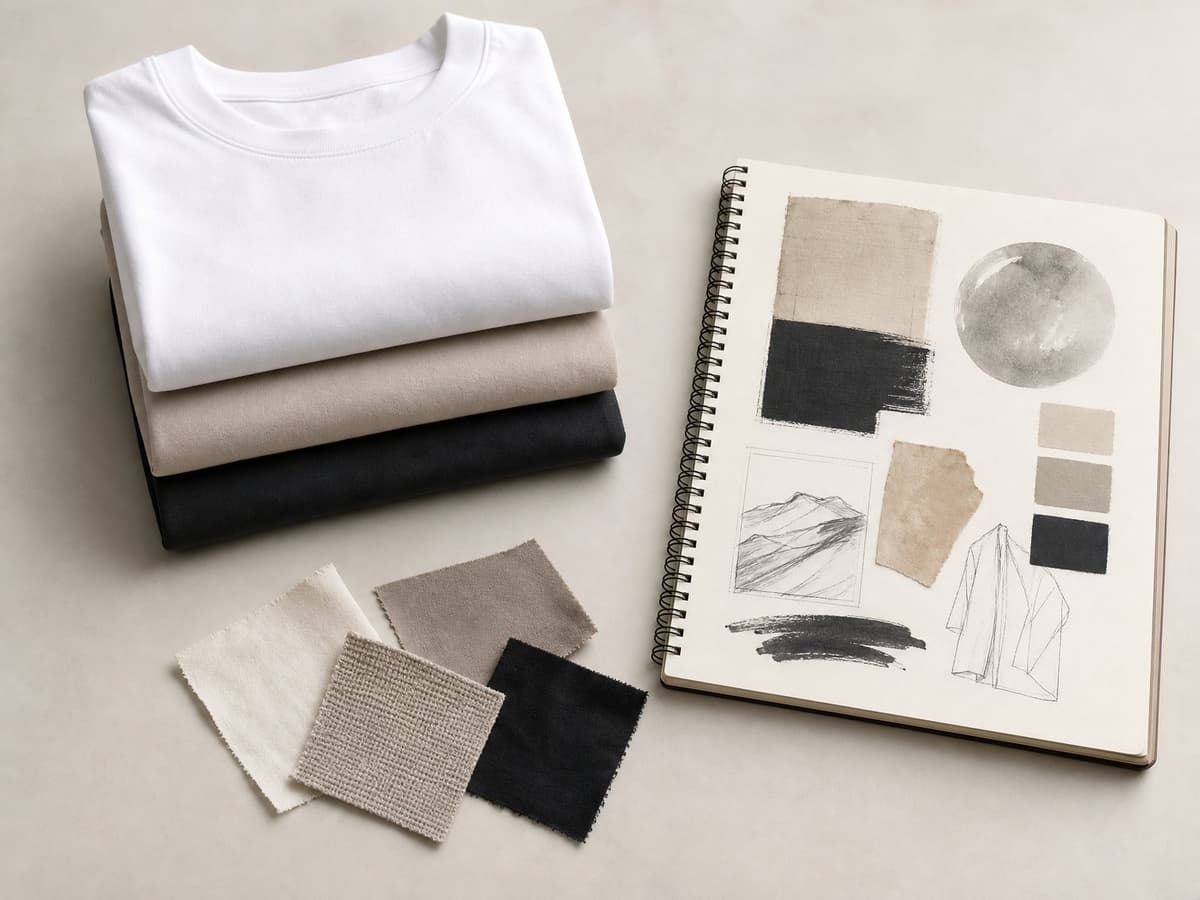
- Fabric specification: composition, weight in GSM, finish. Not just “cotton jersey”.
- Lead time, stated as days from sample approval rather than from the order date.
- Payment milestones, and what triggers each one.
- Inspection standard — the AQL level, and what happens if a batch fails it.
- Tolerances on measurements and on quantity, since bulk runs rarely land on an exact piece count.
The tolerance line most brands do not know to ask about
Two tolerances are standard in apparel and both surprise first-time buyers. Measurement tolerance is typically around half a centimetre on key points — garments are sewn by people, and identical is not achievable. Quantity tolerance is usually a few percent either way, because fabric yields vary; you may receive slightly more or slightly fewer pieces than ordered and be invoiced accordingly.
Neither is a supplier being difficult. But agree both in writing before production, because a tolerance discussed afterwards is a dispute, and one agreed beforehand is simply how the industry works.
Choosing a factory you can scale with
Look for genuine capacity, real compliance certificates, a track record at your volume, and clear communication. Our guide to choosing the best clothing factory in Bangladesh and our factory-vetting checklist walk through exactly what to check.
Planning a large run? Tell us your styles and volumes and we'll come back with fabric options, pricing and a realistic timeline — we handle bulk and wholesale production alongside low-MOQ runs.
Frequently asked questions
What is the minimum order for bulk clothing manufacturing?
Minimums are counted per style AND per colour, and that distinction changes a budget more than any other variable. A 100-piece minimum across three colourways is a 300-piece commitment, because each colour is a separate fabric batch with its own dye lot and machine setup. Sizes are usually flexible within each minimum, since splitting across a size curve does not change the setup. "Bulk" itself has no fixed definition — for most export factories it means thousands of units per style, while factories geared to emerging brands run considerably lower. Before comparing any two quotes, get each supplier to state the minimum in the form "per style, per colour", because a headline figure quoted per order behaves entirely differently once you choose your range.
How long does a bulk clothing order take?
Typically 60 to 90 days from sign-off to delivery at genuine bulk volumes, though the range is wide because three things move it independently. Volume is the obvious one: a run of 10,000 units occupies a line far longer than 1,000. Fabric is the less obvious one and usually the bigger delay — stock fabric in a standard colour ships quickly, while custom development or bespoke dyeing has to be produced and lab-dipped before anything can be cut. Shipping method is the third: sea freight is standard and is what those figures assume, while air is faster and considerably more expensive. Plan backwards from your on-sale date including every stage plus a buffer, and place seasonal orders well ahead of industry peak periods when factory capacity tightens across the board.
Do I need a tech pack to order clothing in bulk?
For genuine bulk, yes — and the reason is multiplication rather than formality. A tech pack specifies measurements at every size, fabric and weight, trims, stitch types, construction notes and tolerances. On a sample, an ambiguity gets resolved by a conversation; across 5,000 units it gets resolved by whoever is on the line, consistently in a direction you did not choose. Tolerances matter particularly at volume: stating that a chest measurement may vary by a defined amount turns a subjective argument into a measurable pass or fail. If you do not have a tech pack yet, that is not a reason to delay contacting a factory — a good one will build it with you during quoting. But do not start bulk production without one.
Free tools & guides for this
Sources & further reading
Have an idea? Let’s make it.
We manufacture from 100 pieces per style, with GOTS-certified organic options and photos at every stage. Send a sketch or a sentence — we’ll reply within a day.