Bulk Clothing Pricing: How Volume Cuts Your Per-Unit Cost
The single biggest reason brands order in bulk is unit cost: the more you make, the less each piece costs. But the savings aren't magic, and they're not unlimited. Here's how the maths actually works, so you can budget — and negotiate — from knowledge.
Fixed costs vs variable costs
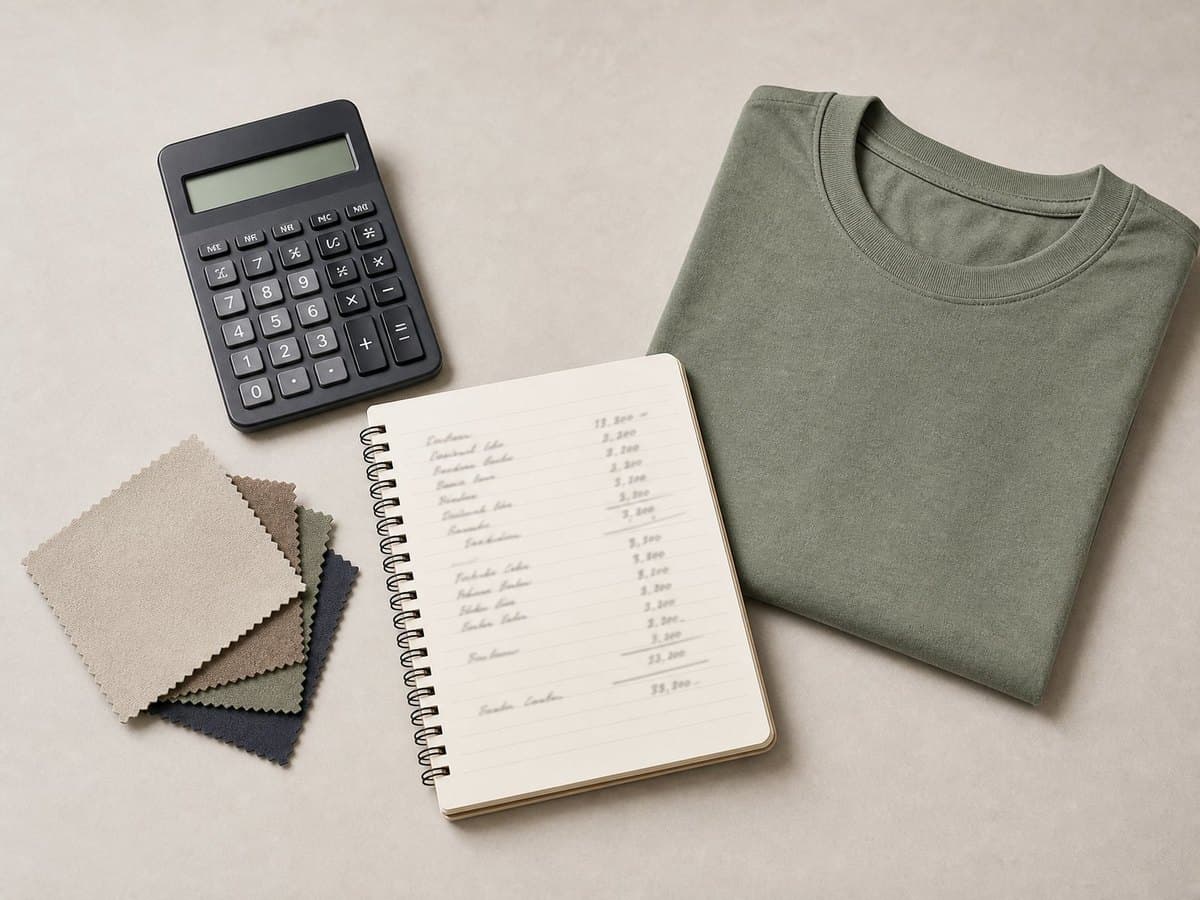
Every order carries fixed costs that don't change with quantity — pattern making, markers, machine set-up, sampling — and variable costs that scale with each unit (fabric, labour, trims). At low volume the fixed costs sit heavily on every piece. At bulk volume they spread thin, and your unit price drops toward the true variable cost.
Where the price breaks happen
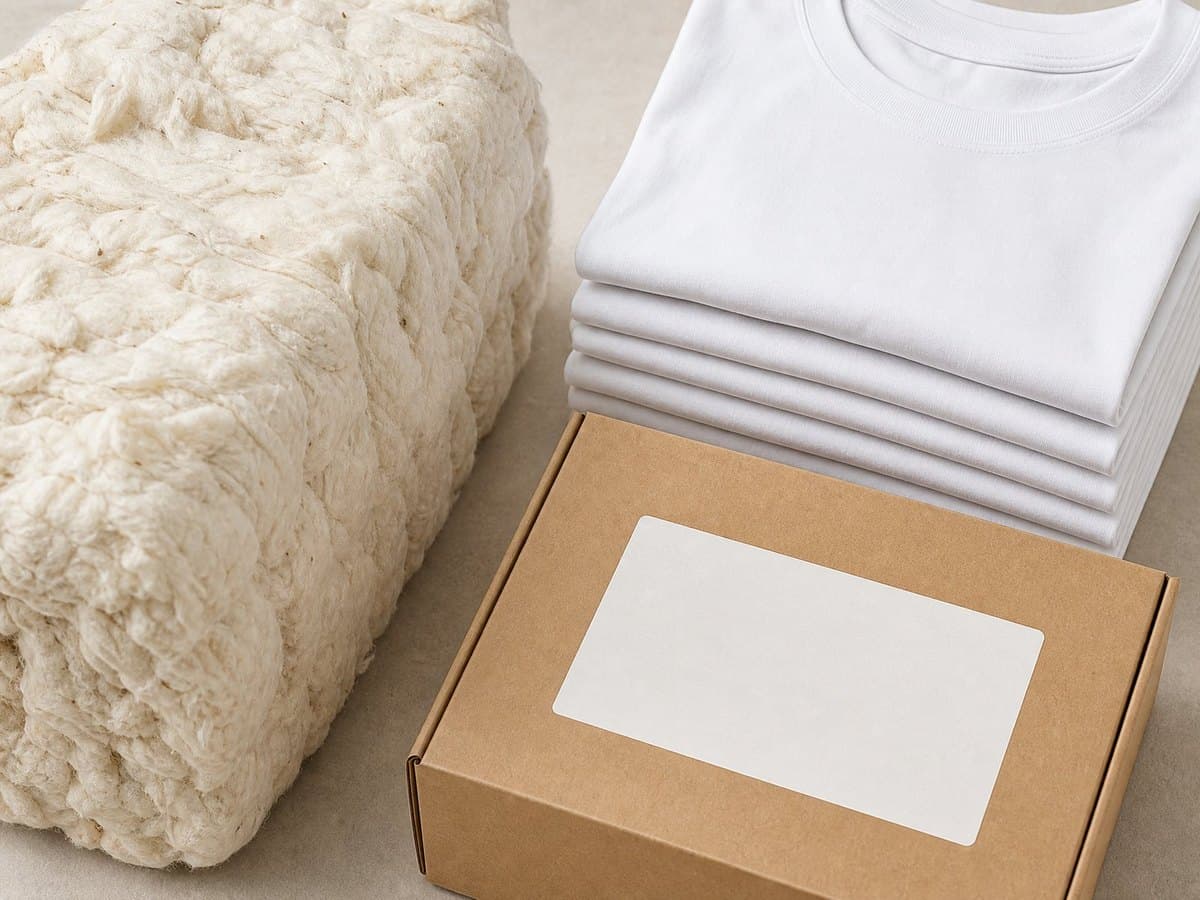
- Fabric minimums — mills sell yarn and fabric in batches; once your order clears a full dye lot, you stop paying for waste.
- Line efficiency — a sewing line runs fastest once it's set up for a style, so long runs are cheaper per piece than short ones.
- Volume tiers — most factories quote better rates as you cross thresholds (for example around 500, 1,000, 5,000 and 10,000 units per style).
What drives your unit cost most
Fabric is usually the largest single component, followed by labour (cut-make-trim), then trims and finishing. That's why fabric choice and design complexity move your price more than haggling ever will. A simpler garment in a sensible fabric, ordered in full colours, is the cheapest route to a low unit price.
The cheapest unit price and the cheapest decision aren't always the same — a bigger run lowers the per-piece cost but raises your cash risk.
Why the breaks sit where they do
Price breaks are not arbitrary marketing tiers. Each one corresponds to something physical changing in how the order is produced, which is why they cluster at similar quantities across factories.
- Around 500 — setup and line changeover start spreading meaningfully. The single biggest proportional drop for a small brand.
- Around 1,000 — fabric reaches mill minimums per colour, so you stop paying a surcharge for a short dye lot.
- Around 5,000 — the order justifies dedicated line time rather than being fitted between other programmes.
- Around 10,000 — yarn and fabric can be bought to your order rather than from available stock, and the price approaches the underlying material-and-labour floor.
Beyond that, the curve flattens. There is a floor below which fabric and labour simply cost what they cost, and a supplier quoting well under it is describing a different product or a different fabric than the one you asked for.
How to reach a break without over-ordering
The mistake is treating the break as a reason to buy more than you can sell. Ordering 1,000 to save a few percent, then discounting 400, costs far more than the saving. But there are legitimate ways to reach a threshold without carrying that risk.
Consolidate colourways — one colour at 500 usually beats three at 170, both on price and on dye-lot consistency. Combine styles that share a fabric, since the fabric minimum is often what sets the break rather than the garment count. And if you are reordering regularly, ask about a standing order: a factory planning 500 pieces every eight weeks can frequently price it closer to the aggregate volume than to each individual run.
How to get the best price honestly
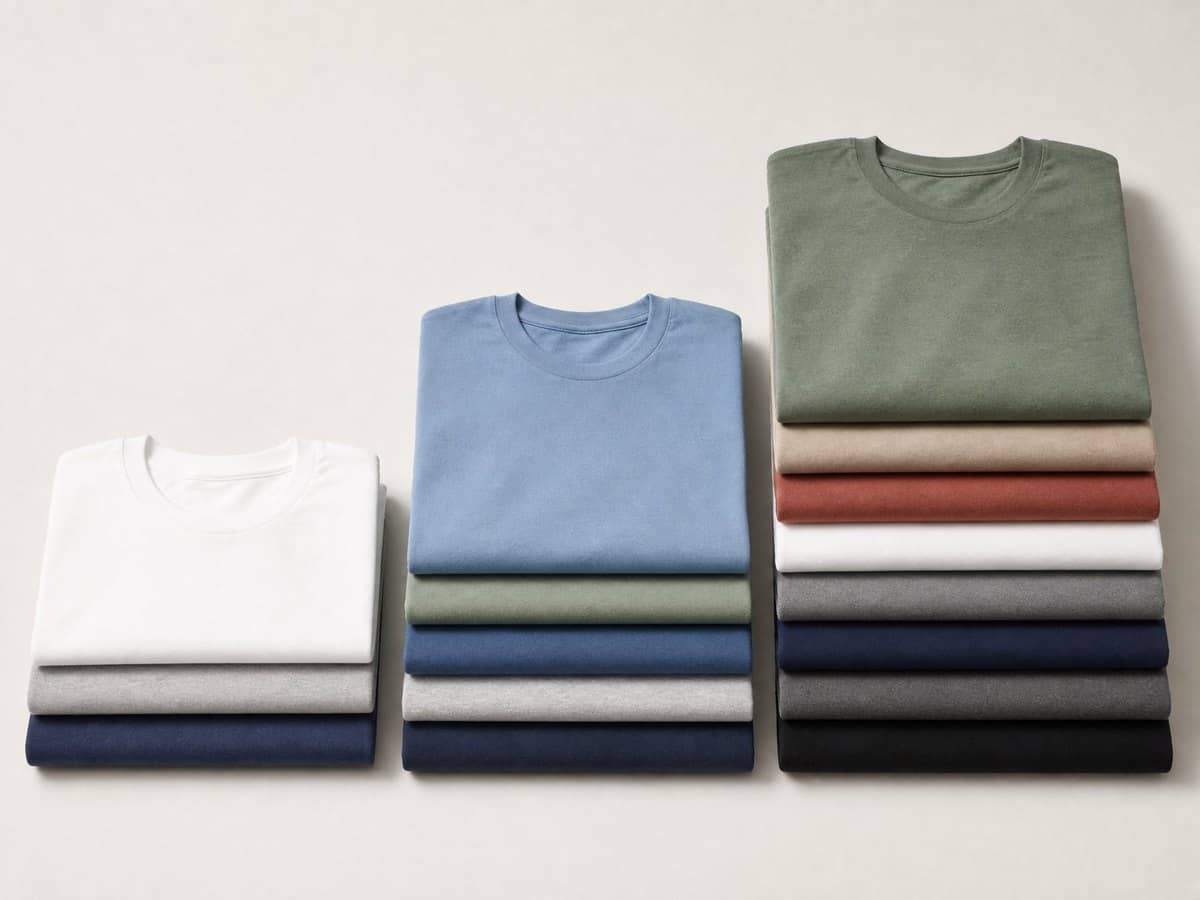
- Consolidate colours — fewer colours at higher quantities beats many colours at the minimum.
- Simplify where it doesn't hurt the product — fewer panels, trims and special operations.
- Forecast and commit — a factory prices a reliable, repeating partner better than a one-off.
- Compare landed cost, not just unit price — freight and duties matter (see our shipping guide).
Want a real price band for your styles at volume? Send us the details and we'll quote fabric options and tiered pricing. For the trade-off in plain terms, read low MOQ vs high MOQ.
Frequently asked questions
How much cheaper is bulk clothing manufacturing?
Against print-on-demand, typically a third to a half the unit cost once you are at a hundred pieces or more. Against buying finished stock wholesale, usually somewhere similar, though you are comparing different things — wholesale buys you someone else's product with no setup, manufacturing buys you your own with setup. The savings come from fixed costs spreading: fabric bought in a lot rather than by the metre, cutting done in layers rather than singly, screens and patterns paid for once and reused on every reorder. That last point is why second runs are noticeably cheaper than first ones. What the comparison usually omits is cash and time — manufacturing means paying up front and waiting two to three months, and that working capital cost is real even though it never appears on a per-unit quote.
What makes up the cost of a garment?
Understanding price breaks means knowing which parts of the cost are fixed per run and which scale per piece. Fixed per run: pattern making, sampling, screens or embroidery digitising, and the dye lot setup — these are the costs that fall away as quantity rises, and they are why the curve bends at 300, 500 and 1,000 pieces. Variable per piece: fabric, which is bought by the kilo and is the largest single line at forty to sixty per cent, plus trims at ten to twenty and sewing labour at fifteen to thirty. Because fabric dominates and does not get much cheaper with scale, the curve flattens above roughly three thousand. That is also why cutting a colour saves more than adding quantity — you remove a whole fixed setup rather than shaving a variable.
At what quantity do price breaks happen?
The meaningful breaks tend to land around 300, 500, 1,000 and 3,000 pieces per style per colour, though the exact points vary by garment and factory. The reason is not goodwill at volume — it is that certain costs are fixed per run rather than per piece. Fabric is knitted and dyed in lots, so a larger order spreads one dye run across more garments. Cutting is done in layers, and a taller lay is more efficient per piece. Screens, embroidery digitising and pattern work are all one-off. Below about a hundred pieces those fixed costs dominate so heavily that you are effectively paying a sampling rate for a production run. Above roughly three thousand the curve flattens, because you are mostly paying for fabric and labour, and neither gets much cheaper. The practical implication for a new brand: going deeper on fewer colours saves more than adding quantity across many.
Free tools & guides for this
Sources & further reading
Have an idea? Let’s make it.
We manufacture from 100 pieces per style, with GOTS-certified organic options and photos at every stage. Send a sketch or a sentence — we’ll reply within a day.